Hepper is reader-supported. When you buy via links on our site, we may earn an affiliate commission at no cost to you. Learn more.
How Do Cats Hunt Mice? Vet-Reviewed Step-by-Step Breakdown


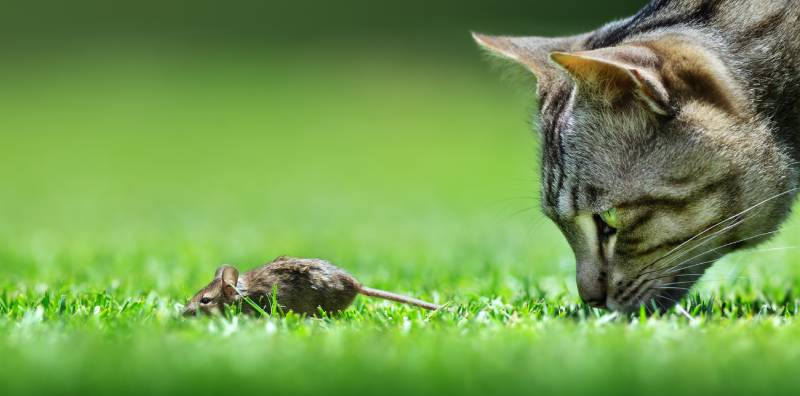
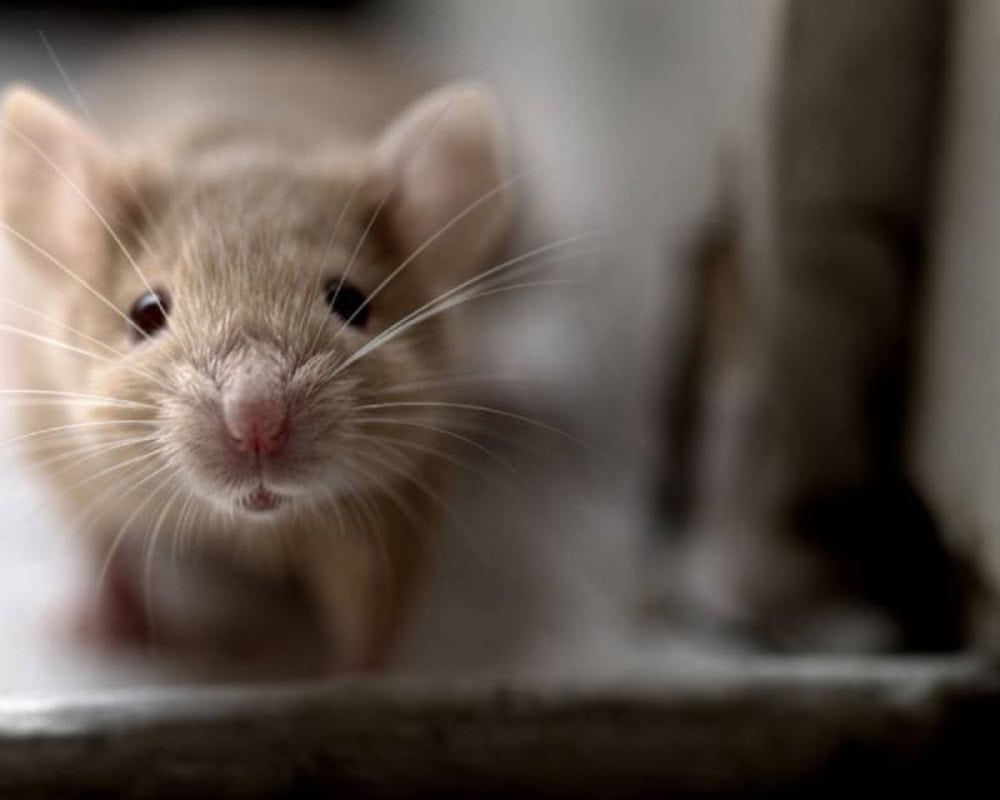
Ever seen a mouse move? They dash and dart about, gone before you even register their presence. So how do cats manage to catch these speedy little creatures? Maybe they have secret superpowers, but there is probably a scientific reason behind how cats hunt mice.
Keep reading for a blow-by-blow account of how cats hunt mice, plus tips on how to engage your pet's hunting instincts at home!

How Cats Hunt Mice: Breaking It Down
1. Locating the Prey
Cats have developed extraordinary senses to help them locate their prey, particularly small creatures like mice:
- Their sensitive ears can hear the slightest scurrying sounds made by tiny mice's feet. They can follow it too, since cat ears can rotate 180 degrees.
- Cats can spot movement in low-light conditions thanks to their night vision.
- Their sensitive noses have 45-80 million odor sensors, allowing them to smell mice!
To increase their chances of finding mice, cats may patiently wait near known mouse hiding spots, such as holes in walls, corners, or beneath furniture, or they may patrol along known mouse travel routes.
2. Stalking the Mouse
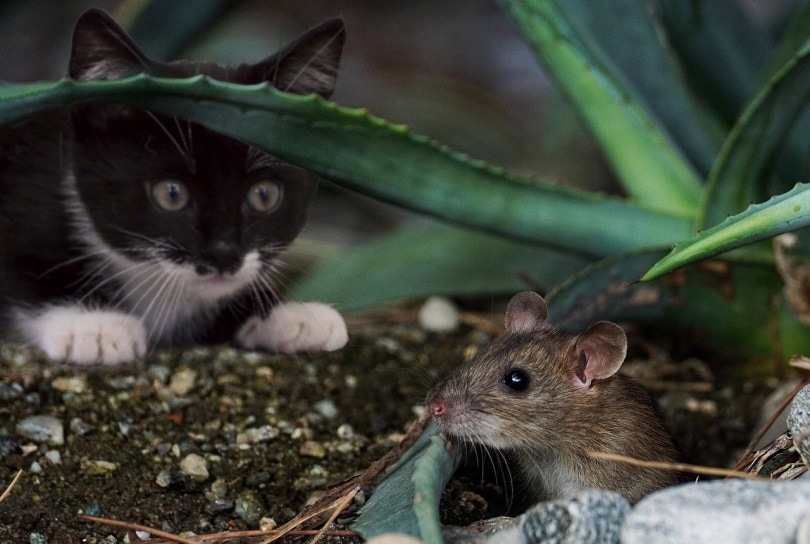
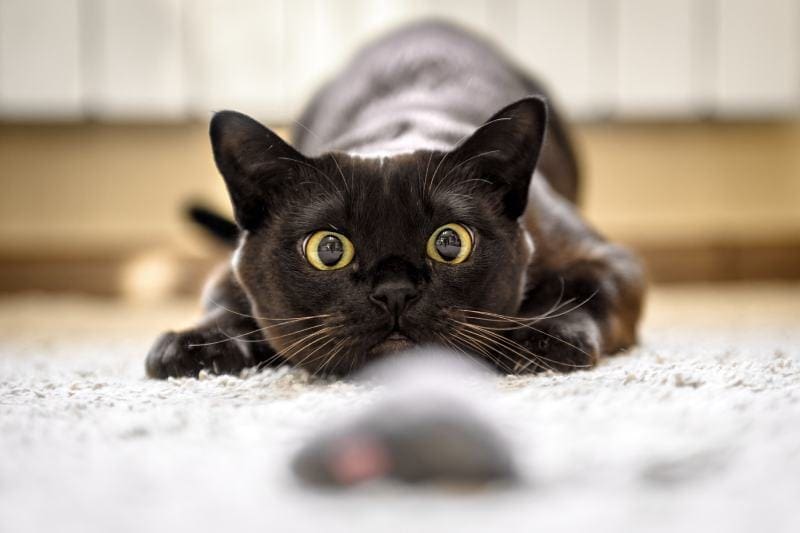
Once a mouse appears, the cat won't pounce immediately. They'll stalk the prey until they're in the perfect position to pounce—the mouse has no chance to escape anymore.
During this stage, the cat will move silently towards the mouse while staying in a low, crouched position as they approach their prey. This allows them to stay out of the mouse's line of sight and minimize the chances of being detected.
Cats also take advantage of their surroundings, using tall grass, bushes, or household furniture to conceal their approach. They move in short, controlled bursts, pausing frequently to assess the situation and avoid making any sudden noises that could startle the mouse.
3. The Freeze
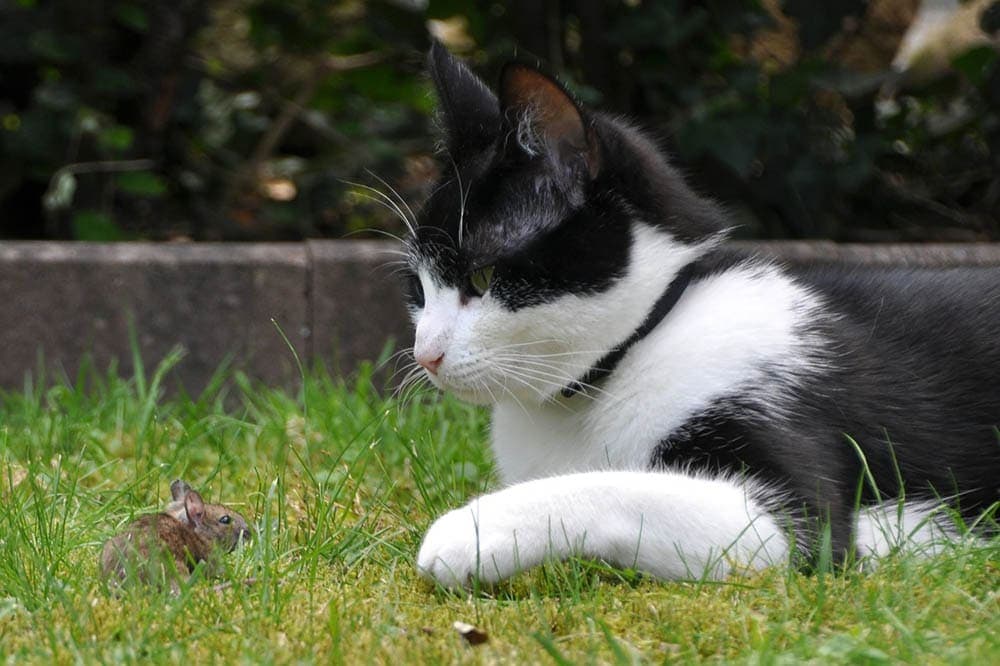
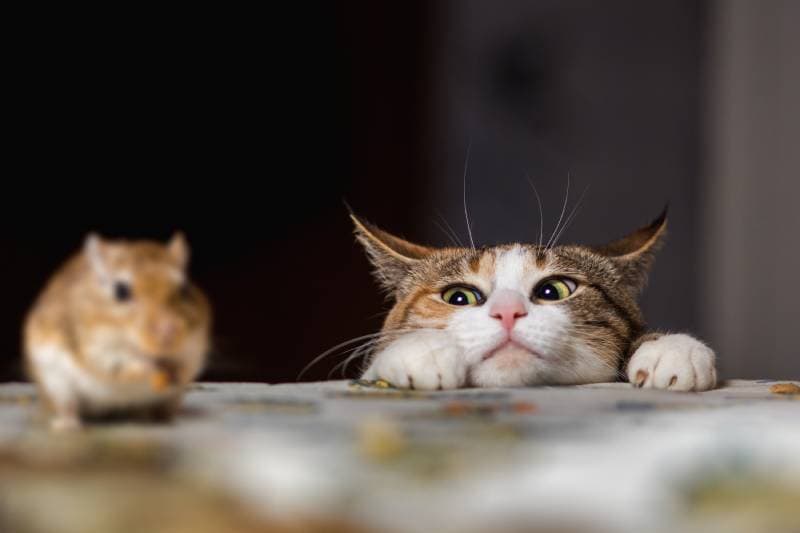
When a cat is within striking distance of the mouse, it will become absolutely motionless. Several important things happen during the freeze.
The cat makes a final assessment of its prey's position and movement to get the best possible angle for the attack. They adjust their own position so it's a straight line to the kill.
Freezing also helps the cat remain undetected, as any sudden movement at this critical stage could alert the mouse and ruin the hunt.
4. The Pounce
In the blink of an eye, the cat launches itself into action, pouncing towards the mouse with incredible speed and precision. Their powerful hind legs propel them forward, allowing the cat to cover a considerable distance in a fraction of a second.
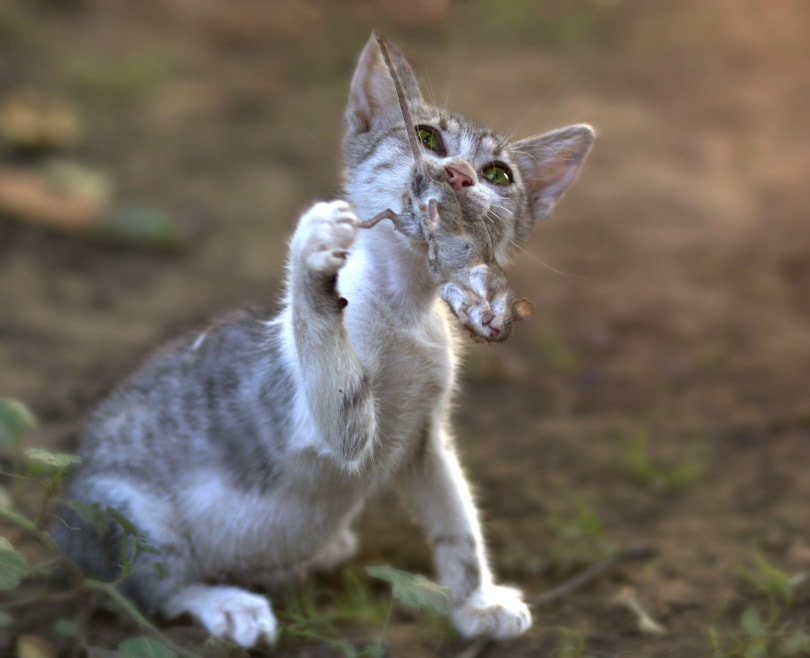
As the cat closes in on the mouse, their front legs and finally sharp claws come into play, reaching out to snatch the prey and secure a firm grip, while the claws remain retracted during the stalking.

5. The Kill Bite
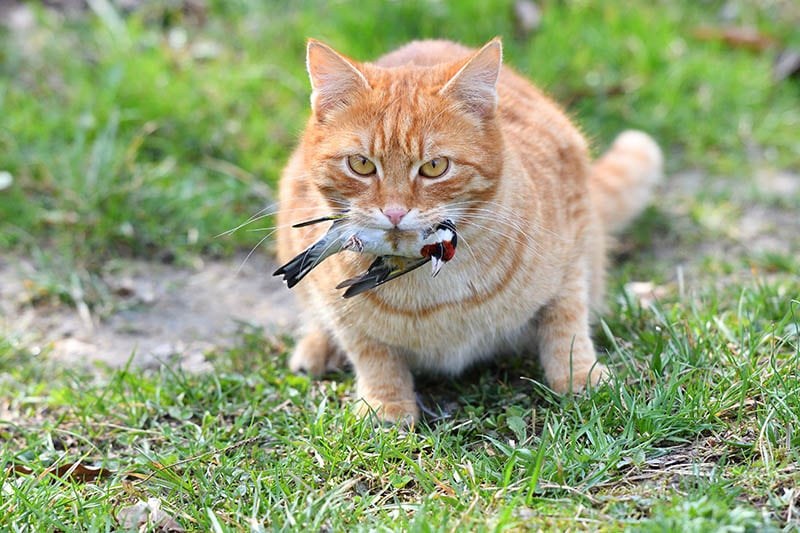
With the mouse securely in its grasp, the cat will often deliver a swift and accurate bite to the neck or spine, which severs the spinal cord and, in most cases, results in instant death. Some cats may let them go and catch them again or play with them. In case the mouse survives the initial bite, it’ll still be rendered paralyzed. This biting technique helps the cat protect itself from getting injured by struggling prey.
6. Carrying and Consuming the Mouse
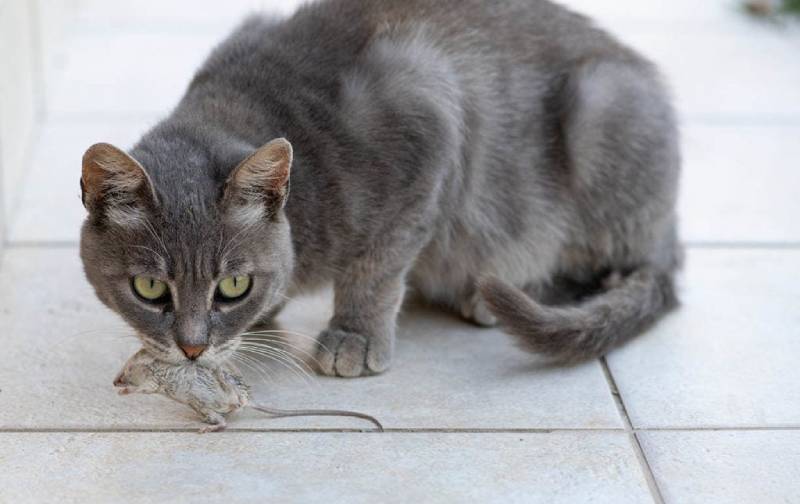
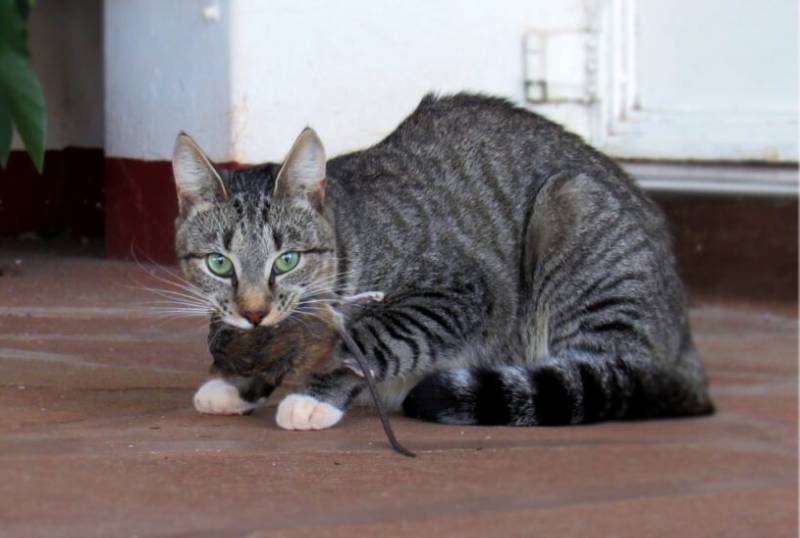
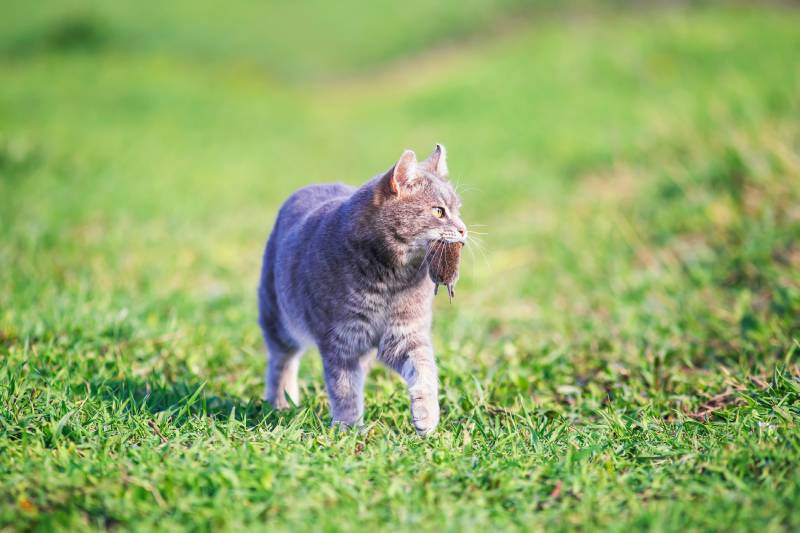
Finally, the cat will carry their prize away to a secluded location so they can safely eat it. That said, not all cats will eat the mouse they just caught. Some do it for fun, while others may bring the mouse back to their owner as a "gift".
The 3 Ways to Engage the Mouse-Hunting Instinct in Indoor Pet Cats
Your cat's greatest joy may be treats and naps, but the hunting instinct remains strong in their blood. Engaging them is a great way to keep your cat mentally and physically fit, not to mention being a good bonding activity between you two.
Don’t worry! You need not sacrifice a poor mouse just to keep your furry hunter happy. Use these tips:
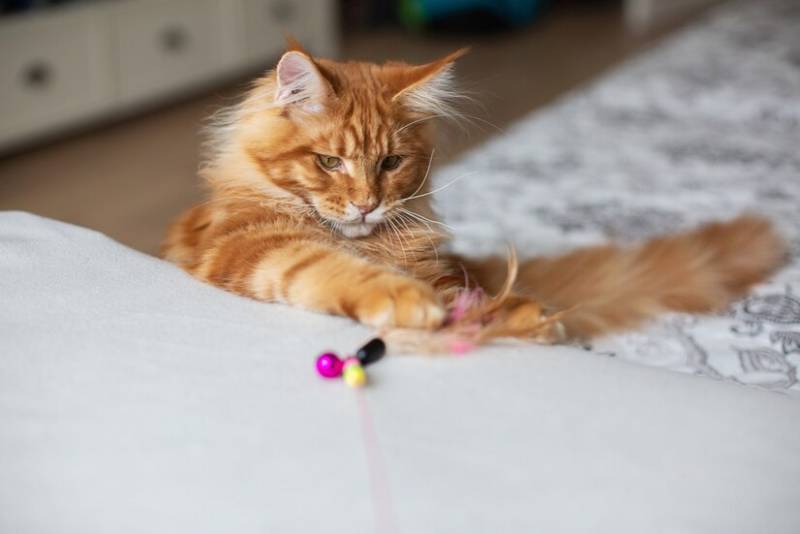
1. Get Your Cat Some Interactive Toys
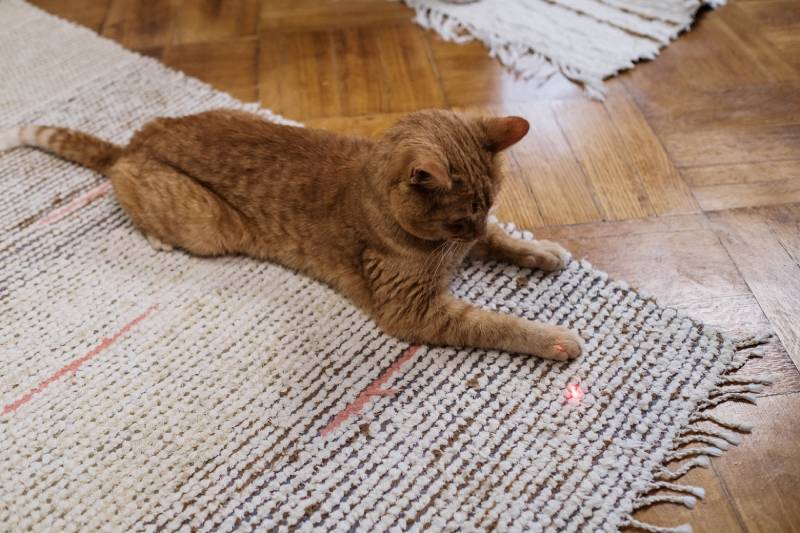
Wand toys with feathers, furry or fabric mice, laser pointers, and battery-operated toys that scurry across the floor can all stimulate your cat's hunting instinct. Rotate the toys regularly so your cat doesn't get bored with them.
2. Challenge Them With Puzzle Feeders
Puzzle feeders make your cat work for their food by using their paws, nose, mouth, and various movements. All of these can help satisfy their urge to hunt. As a bonus, it also prevents them from eating their food too quickly, which can prevent tummy problems and obesity.
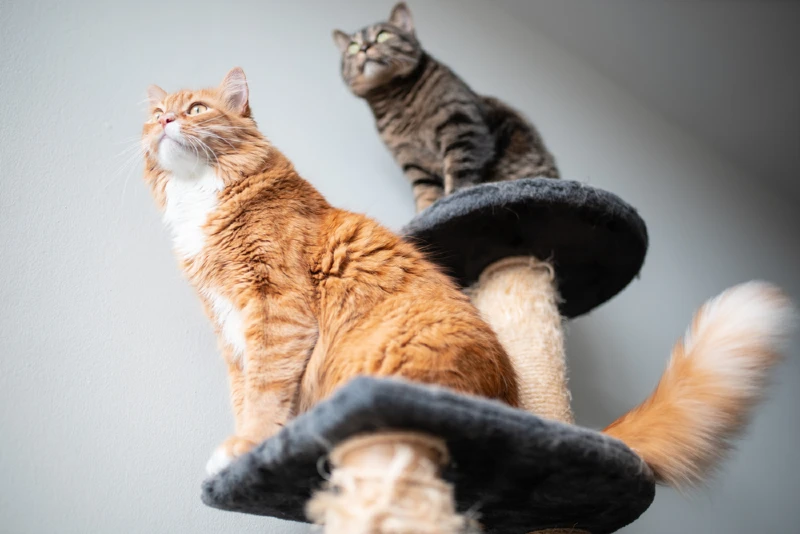
3. Set Up Hunt-Friendly Spots
Encourage hunting behaviors using cat trees, shelves, and cardboard boxes. This way, your cat can pounce, stalk, and hide as much as they want! Fair warning: your feet and legs will probably be their ultimate target, but if you own a cat, you already knew that!
Final Thoughts
Even the most spoiled cat will never lose their hunting instincts, and they're amazing at it! Try to engage these behaviors using toys and interactive play. Just in case your cat suddenly brings a dead mouse home, don't scold them for it; they're only showing off their prowess and got you a snack at the same time!
Sources
Featured Image Credit: Etienne Outram, Shutterstock
Get Hepper In Your Inbox


Pet care tips from our vets and experts, straight to your inbox.
You may opt-out at any time. View our Privacy Policy for more information.
Nicole is a lover of animals of all sizes but is especially fascinated with the feline variety. She’s the proud mom of Baby, a Burmese, and works every day so he can relax in the sunshine or by the fire. She’s always had a cat in her home and has spent countless days with others, observing behaviors and softening up even the grouchiest of the lot. Nicole wants to share her kitty expertise with you so you and your cat can live happy, healthy, and care-free.
Join the conversation
Ask a question, share your story, or send private feedback.