Hepper is reader-supported. When you buy via links on our site, we may earn an affiliate commission at no cost to you. Learn more.
Why Do Rabbits Have Whiskers? Vet-Approved Anatomy Facts


In this article
Of the rabbit’s anatomy, whiskers are among the most interesting aspects. These seemingly unnecessary strands of “hair” are cute when they move and ticklish when they rub against your skin. However, whiskers are for more than just looks. While rabbits can technically survive without their whiskers, their lives are much easier and more fulfilled with their whiskers intact.
Whiskers play an important role in a rabbit’s life and have different uses for the animal to take advantage of, including spatial awareness and even night vision. Let’s take a closer look at the anatomy of rabbit whiskers and their various uses.

Rabbit Whiskers: The Anatomy
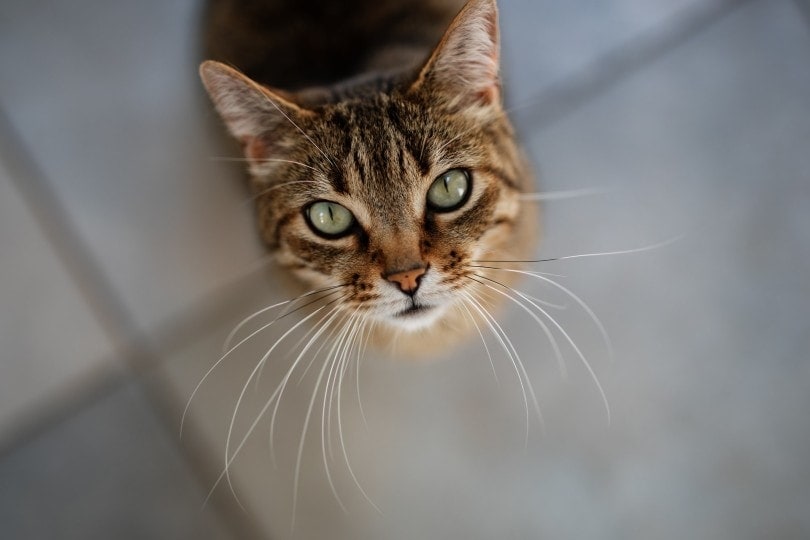
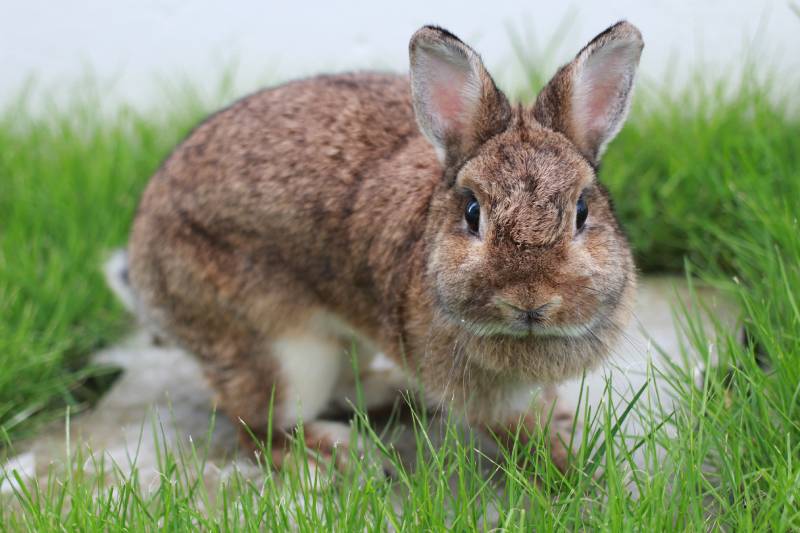
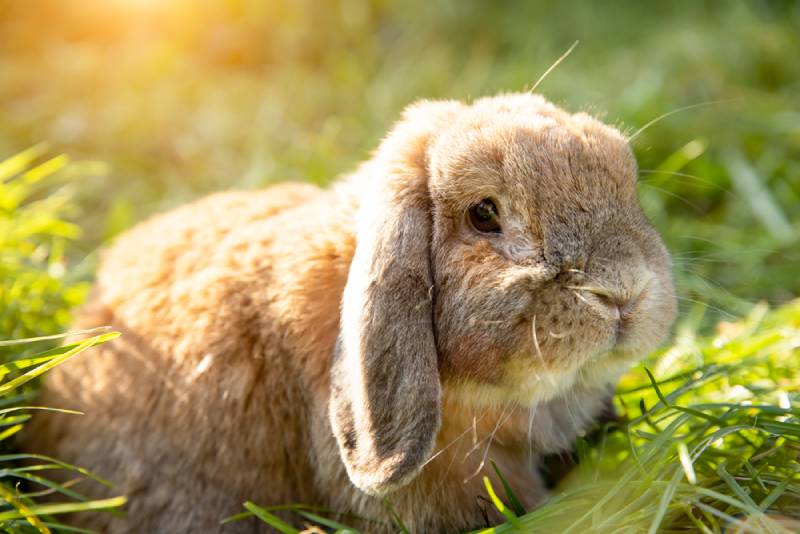
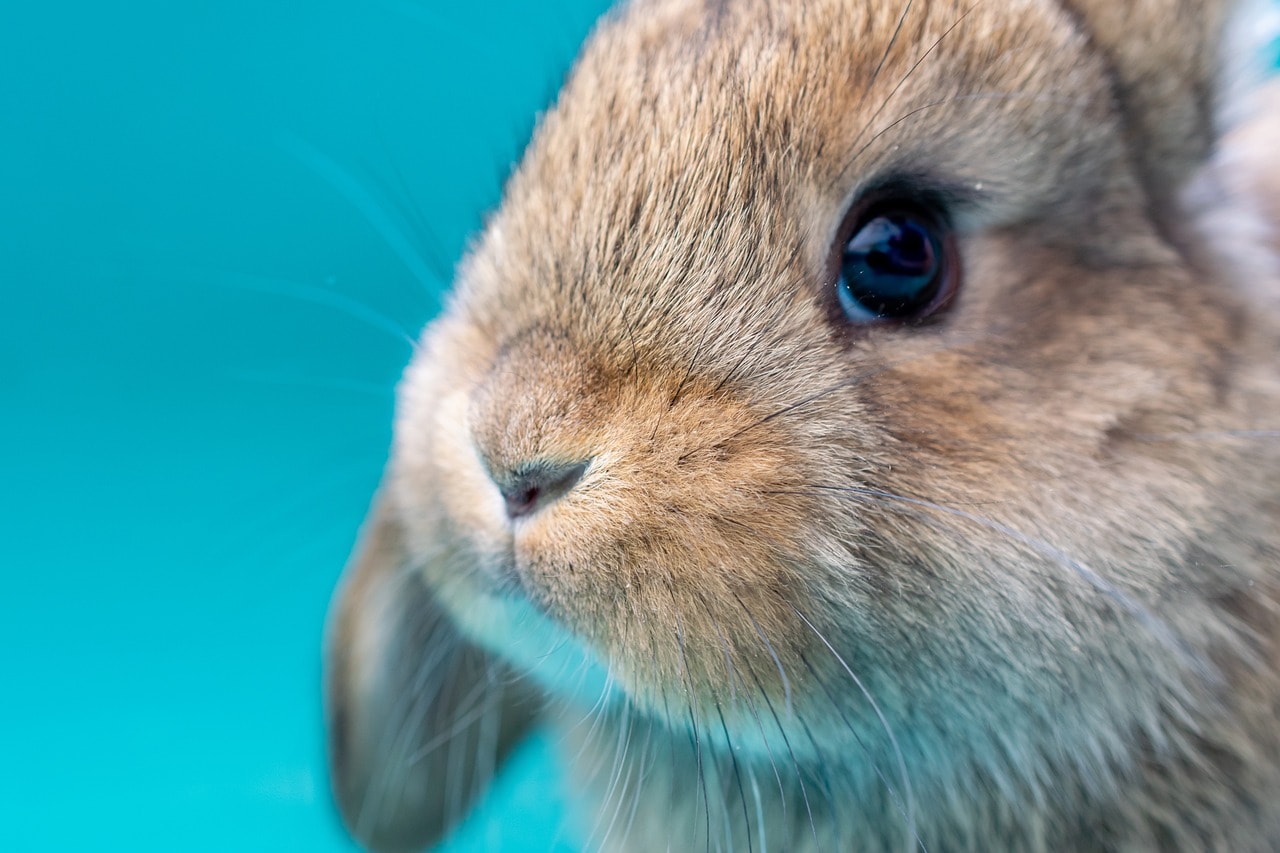
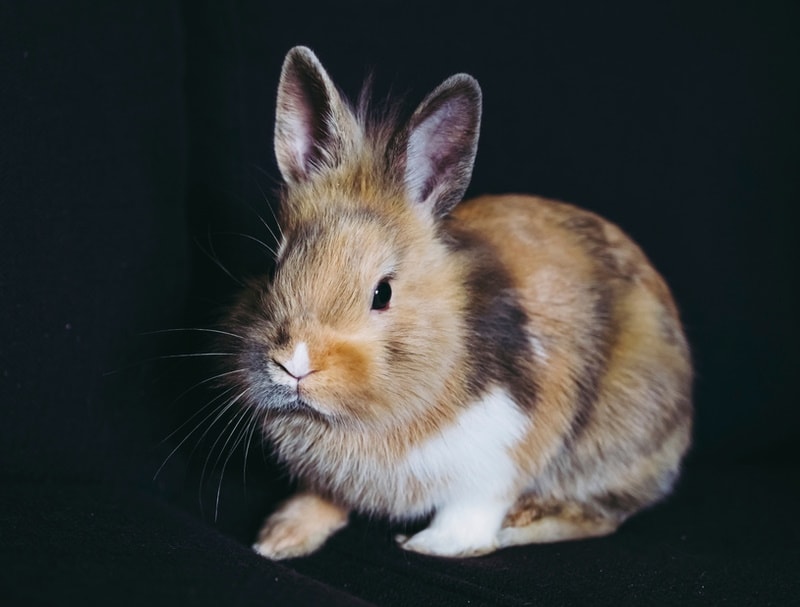
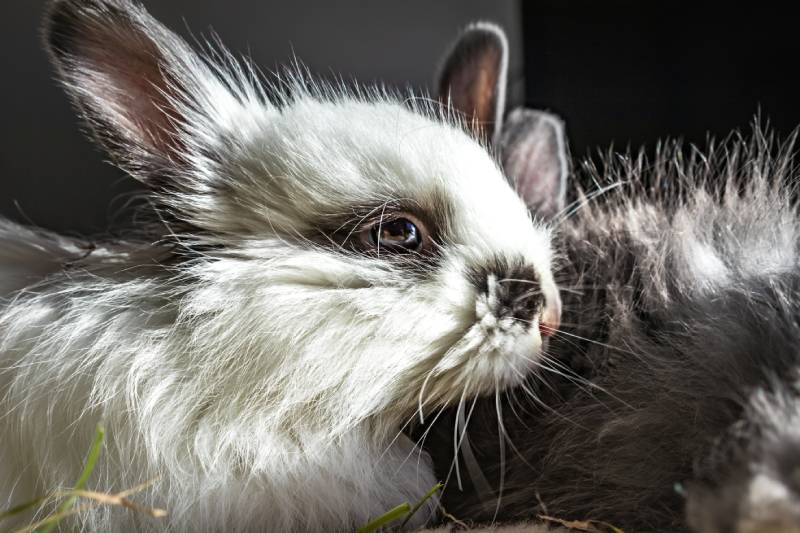
Officially referred to as vibrissae, whiskers are hairs that are thick and long, of which there are different types. One type of whisker can be found over a rabbit’s eye, while another type protrudes from the cheeks. Yet another type of whisker grows around the mouth. All these whiskers play important roles in how your rabbit interprets the world around them.
Whiskers are set deep into the skin follicles, where they connect with nerves. The nerves receive information anytime the whiskers touch something or get moved around, such as by the wind. A rabbit’s whiskers are typically arranged like a grid and can grow as long as the width of the body.

The 5 Purposes for a Rabbit’s Whiskers
A rabbit’s whiskers can do many things to help them get through life safely and happily. Here are the five main purposes of this animal’s whiskers.
1. Spatial Awareness
Sometimes, rabbits cannot tell how wide a space is just by looking at it, especially when they are close to the space. It is similar to parallel parking, which is tough for many people to do because of spatial awareness. If we had whiskers on cars, everyone would have no problem parallel parking! The whiskers on a rabbit help them feel tight spaces around them. If their whiskers touch the edges of a hole that they’re investigating, they will know that the hole is too small for them to safely enter without risk of getting stuck. Just because their head can fit in the hole doesn’t mean their bodies will, and their whiskers enable them to determine whether this is the case.
2. Night Vision
Rabbits cannot see in pitch dark, but thanks to their trusty whiskers, they can get a good idea of where they are going and what they are interacting with when there is no light available. When their whiskers feel an object, a rabbit will know to go the other way so they don’t bump into that object. Their whiskers also enable them to detect when a predator is nearby, though that is not something that domesticated rabbits have to worry about when living as pets.
3. Sensing Close Objects in Front of Them
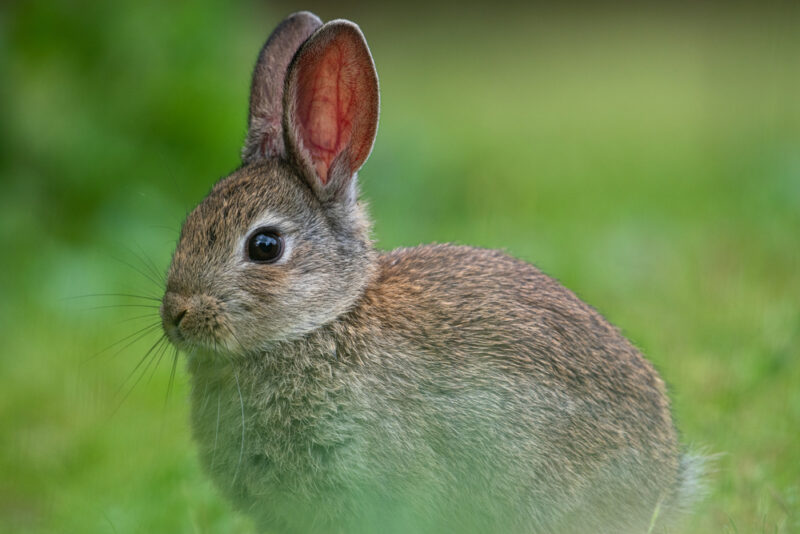
Rabbits have a blind spot right in front of their faces because their eyes are offset toward the sides of their heads. So, when something is immediately in front of them, they might accidentally bump into it if it weren’t for their whiskers. Their whiskers can sense the object before a collision takes place so your rabbit can maintain control of their environmental movements. Their whiskers can even detect the texture of the object in front of them, helping them understand what it is that they are coming into contact with.
4. Socialization
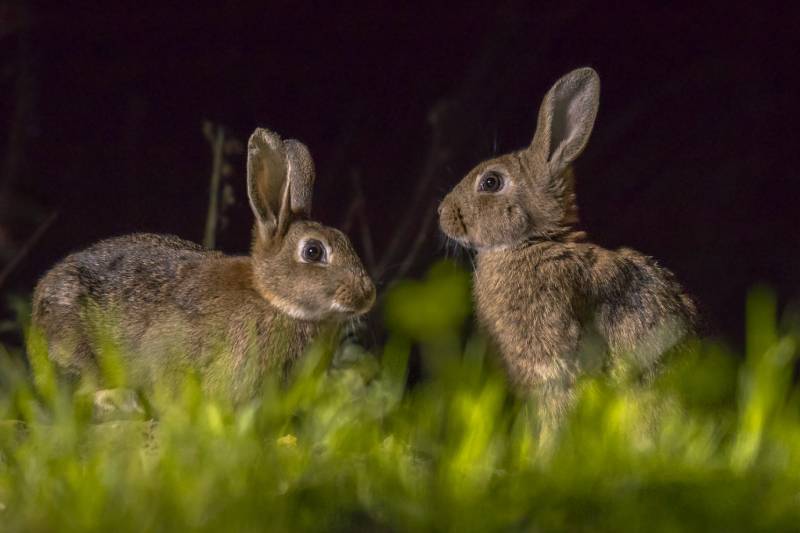
Rabbits can use their whiskers to socialize with other rabbits that they cohabitate with. They will touch each other’s whiskers to make their presence known. Their whiskers can help them communicate with humans too. You might notice that your bunny’s whiskers vibrate up and down when they are investigating and sniffing or that they stand more erect when they are interested in what you are doing.
5. Eye Protection
The whiskers over a rabbit’s eyes work by sensing when an object gets too close. When something like a fly is detected, the whiskers send a signal to the rabbit’s brain that it’s time to blink for eye protection. This helps ensure that debris and pests don’t end up getting in their eyes and causing irritation or even injury.
Can a Rabbit Live Without Whiskers?
Yes, rabbits can survive without their whiskers, but they would be living without an important sense that helps them get along in the world. A lack of whiskers can make a rabbit feel unsafe in their environment and negatively affect the way that they interact with their surroundings and their companions. Unless medically necessary, a rabbit’s whiskers should be kept intact and never trimmed.
Can a Rabbit’s Whiskers Be Cut?
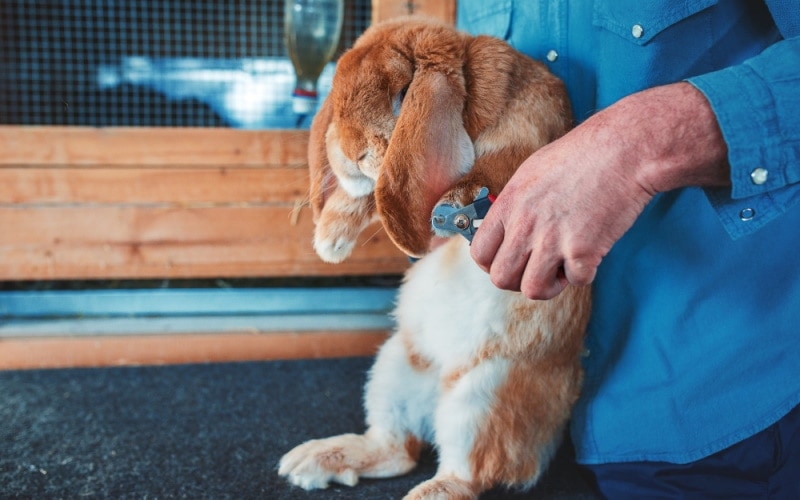
While a rabbit’s whiskers are not like the hair on the rest of their body, they are still a type of hair, and it does not hurt if they are cut. The senses that whiskers trigger are located deep within the hair follicles, underneath the skin. No nerves are located within the whiskers themselves. When a whisker is pulled out of the follicle, it causes pain. However, when the whisker is simply cut, no pain is transmitted to the nerves. That said, there is no reason to cut a rabbit’s whiskers, and it is not recommended. They will be shed when it is time to renew them without any human interference.
Are Split Ends on Rabbit Whiskers Normal?
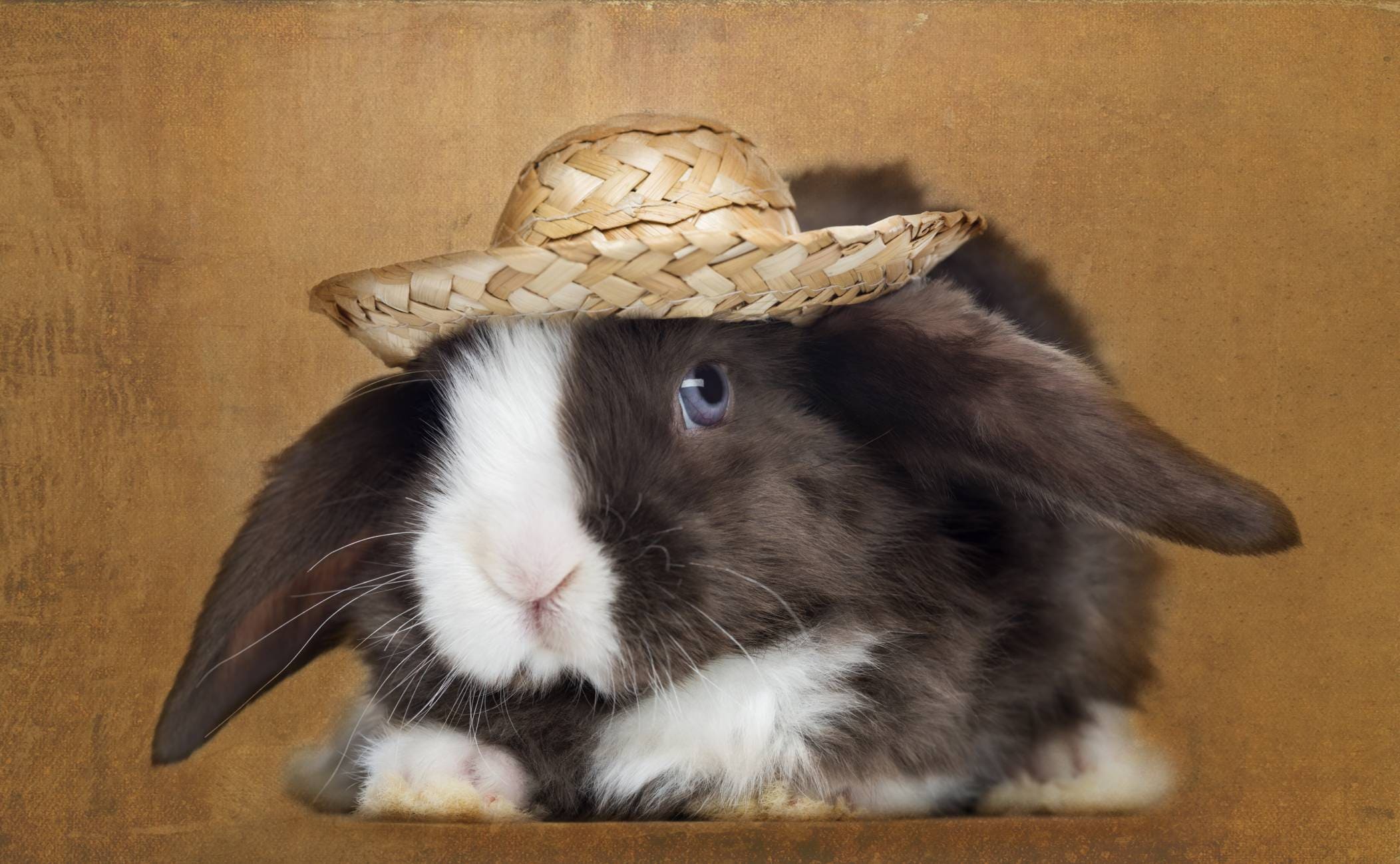
Split ends on whiskers are normal, especially among older rabbits. Whiskers grow continually throughout a rabbit’s life, so the split-end ones will gradually fall off to make room for healthier growth.
A Quick Recap
Bunny rabbits are cute companions with interesting whiskers that contribute to their aesthetics and play an important role in how they interact with the world around them. Whiskers are useful for many reasons, so they should be left intact whenever possible. That said, rabbits can survive without whiskers, so if an accident happens and a whisker is lost, do not panic. Just keep an eye on them, and be patient while the whisker grows back.
Sources
Featured Image Credit: Coernl, Pixabay
Get Hepper In Your Inbox


Pet care tips from our vets and experts, straight to your inbox.
You may opt-out at any time. View our Privacy Policy for more information.
Rachael has been a freelance writer since 2000, in which time she has had an opportunity to research and write about many different topics while working to master the art of fusing high-quality content with effective content marketing strategies. She lives off the grid in Hawaii with her husband, her garden, and her rescue animals including 5 dogs, a cat, a goat, and dozens of chickens. She is an artist at heart and loves to read, paint, and make jewelry in her spare time. As a vegan, Rachael is obsessed with helping animals in need both in her community and anywhere in the world where she feels she can make a difference. Animals also happen to be her favorite topic to write about!
Join the conversation
Ask a question, share your story, or send private feedback.