Hepper is reader-supported. When you buy via links on our site, we may earn an affiliate commission at no cost to you. Learn more.
Why Do Toads Croak? 6 Common Reasons


In this article
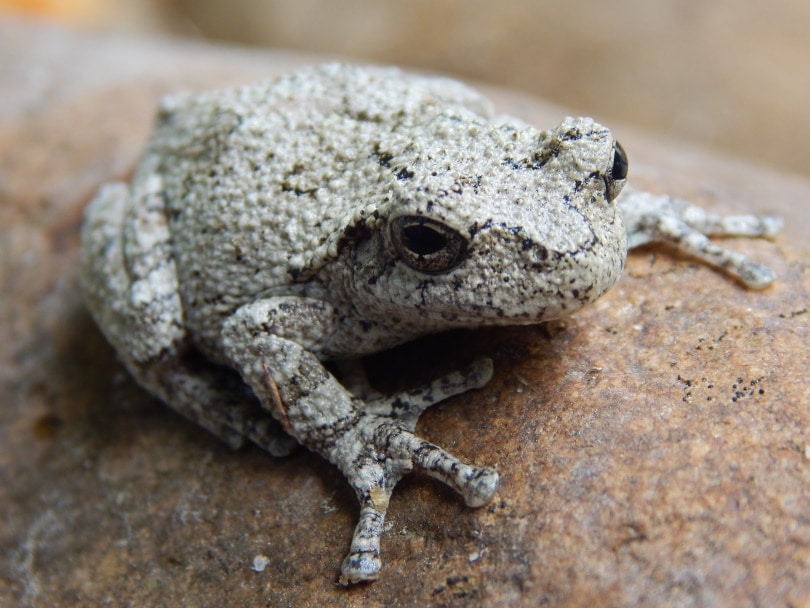
Many animals make a particular sound that no other animal does. Cats meow, dogs bark, and toads croak. These noises are typically used to communicate things to other animals (and people if you’re dealing with a pet), but that may not always be why a sound is made. And when it comes to toads, there are various reasons they croak.
So, why do toads croak? Communication is a reason, but you’ll find that toads croak when the temperature changes, during certain seasons, and even when tickled! Here’s a closer look at how toads croak and why they do it.

How Do Toads Croak?
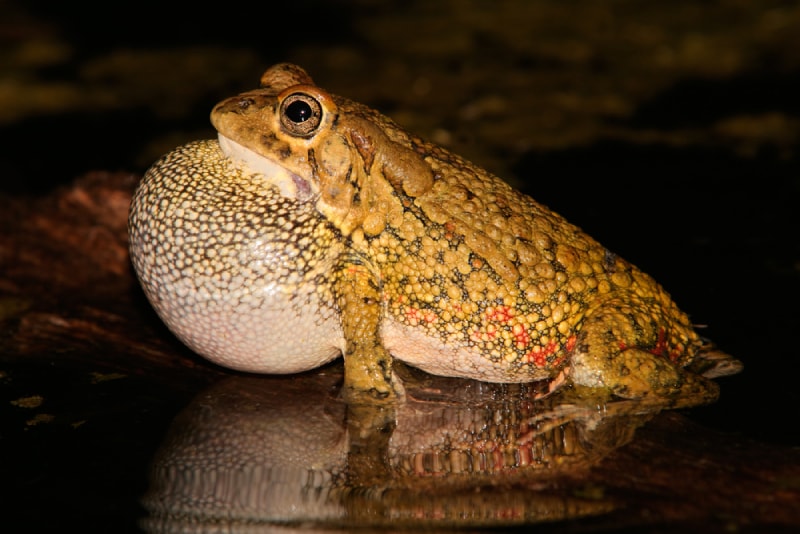
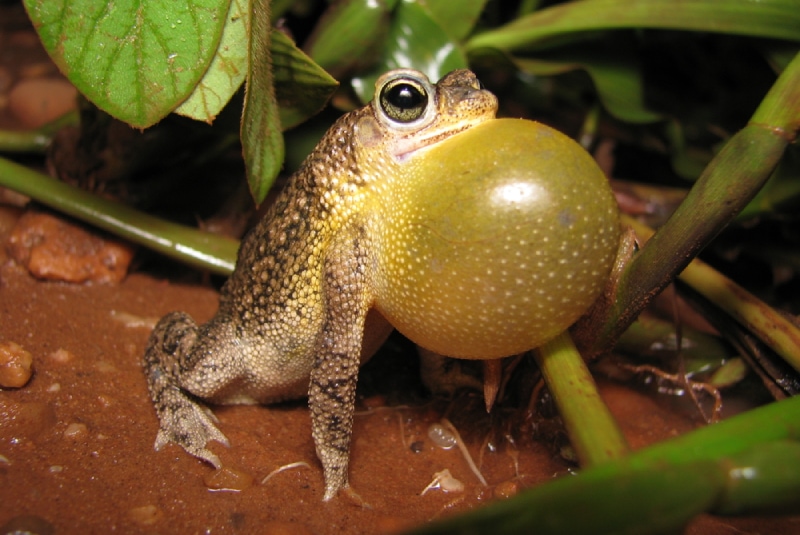
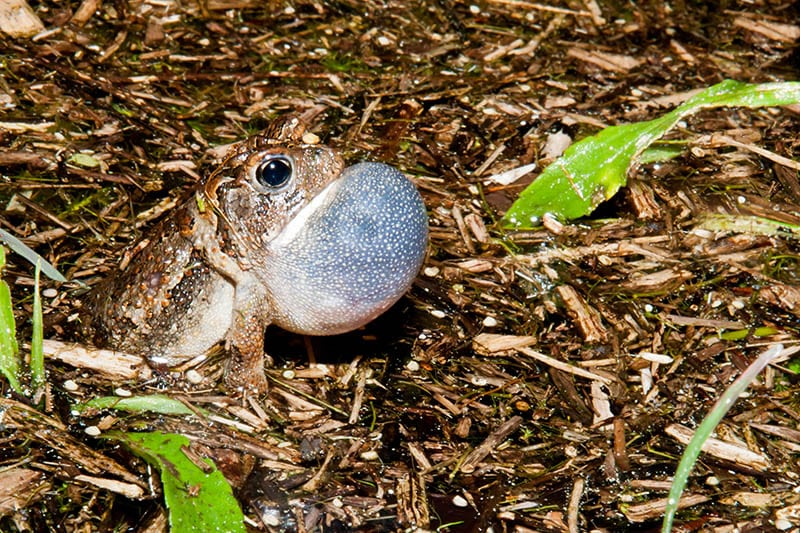
How do toads produce a croaking sound anyway? It’s all thanks to their anatomy. Toads have vocal sacs that can amplify vibrations coming from the vocal cords. Air moves back and forth between the vocal sac and the lungs, with the vocal cords causing this air to vibrate, producing the croaking sound you hear. And when toads croak, their mouth doesn’t open; rather, the sides of its mouth or throat will expand.
The 6 Reasons Why Toads Croak
Toads will croak for various reasons, though some more than others. The most common reason you’ll find toads croaking, though, is to attract a mate.
1. To Attract a Mate
Even if male toads don’t hear or see a female around, they know that when spring arrives, it’s time to try and find a mate. And how better to do that than croaking to get a female’s attention? When females are prepared to begin mating, they’ll go towards the croaking males and choose the one they want. Spring is the perfect season for female toads to lay eggs because it’s nice and rainy, so don’t be surprised to hear a chorus of croaking during this time!
2. After It Rains
Croaking after it rains somewhat ties into finding a mate, as toads know that water is needed to procreate and lay eggs. Plus, though toads hang out around water less than frogs, they still enjoy being moist, which a nice rain will do.
3. When There Are Temperature Changes
This reason also ties into reproduction. Toads need to lay eggs in water when it isn’t too cold or hot. So, when temperatures rise or lower to a particular point—one that’s good for egg laying—they will croak. This could be due to a change in temperature in either the water or the air.
4. When They Are Tickled
Present day advancements in veterinary medicine indicate that properly holding a male toad and running fingers along their throats will elicit a croak, a technique which is often used to sex them.
Present day advancements in veterinary medicine indicate that properly holding a male toad and running fingers along their throats will elicit a croak, a technique which is often used to sex them.
5. When Food Is Available
Toads are also more likely to croak when food is available to them. And when is the most food available? After the rain, of course! A good rain will bring out a toad’s favorite foods, such as earthworms, slugs, and insects. It’s a veritable feast, so toads will croak up a storm over it.
6. Defense of Territory
This reason for croaking also ties into mating and procreating. It isn’t uncommon for male toads to set up temporary territories, consisting of the immediate area around them when trying to attract a mate. If another male comes along and tries to encroach upon this territory, the first male toad will defend its territory with various croaks and calls (and a few might even physically fight any intruders). Toads can even distinguish whether an intruder is a longtime neighbor or stranger so as to avoid getting into unneeded disputes.
Can You Stop a Toad from Croaking?
If you have a male toad as a pet, you might find it croaking more than usual and disturbing the peace. Unfortunately, you can’t stop your pet from croaking entirely, but you might be able to get it to croak less. How can you do that? By making environmental changes that will hopefully convince them it isn’t an ideal time for mating and egg-laying.
For starters, try misting your pet with water in the morning to reduce the chances of them croaking at night. Then, try lowering the temperature in their environment (but do this slowly so they don’t go into shock). These things can help your toad think it isn’t a great time to attract a mate, hopefully leading to less croaking.
Conclusion
Toads will croak for a variety of reasons, but the most common reason is to attract a mate. Many other reasons toads croak also tie into mating and procreating, though, such as when the temperature changes to one good for egg laying. If you own a male toad and want it to stop croaking so often, you can try making environmental changes to make it believe it isn’t springtime and, thus, not time to find a mate. But male toads will always croak some, so be prepared for that if you’re considering a toad as a pet.
See Also:
Featured Image Credit: EcoPrint, Shutterstock
Get Hepper In Your Inbox


Pet care tips from our vets and experts, straight to your inbox.
You may opt-out at any time. View our Privacy Policy for more information.
Misty Layne lives out in the woods in small-town Alabama with her two Siamese—Serafina and Jasper. She also has an array of stray cats, raccoons, and possums who like to call her front porch home. When she’s not writing about animals, you’ll find her writing poetry, stories, and film reviews (the animals are, by far, her favorite writing topic, though!). In her free time, Misty enjoys chilling with her cats, playing piano, watching indie and foreign films, photographing abandoned places, and catching up on her never-ending TBR list.
Join the conversation
Ask a question, share your story, or send private feedback.