Hepper is reader-supported. When you buy via links on our site, we may earn an affiliate commission at no cost to you. Learn more.
Why Does My Cat Grunt? 11 Vet-Reviewed Reasons


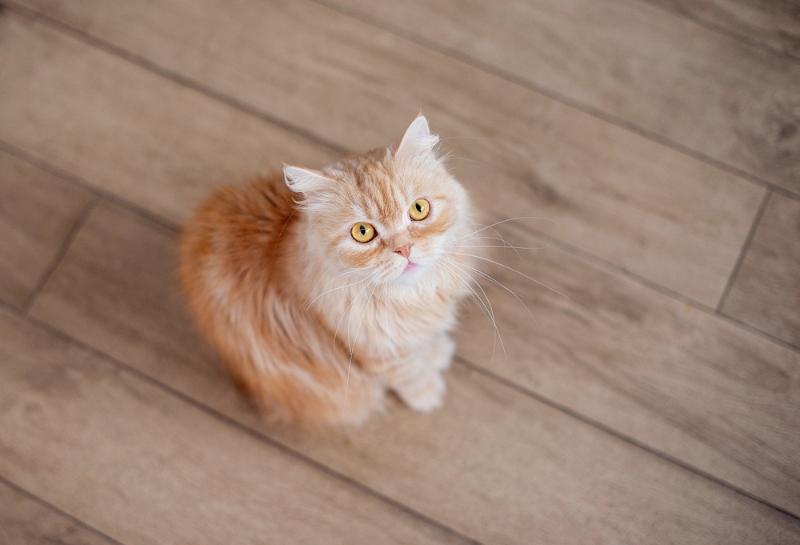
When we think of cat vocalizations, we typically imagine meows and purrs, but a cat's vocal repertoire is much more diverse. Felines use various vocalizations to communicate with us humans and each other, so it's a good idea for every cat parent to tap into those vocalizations and what they might mean.
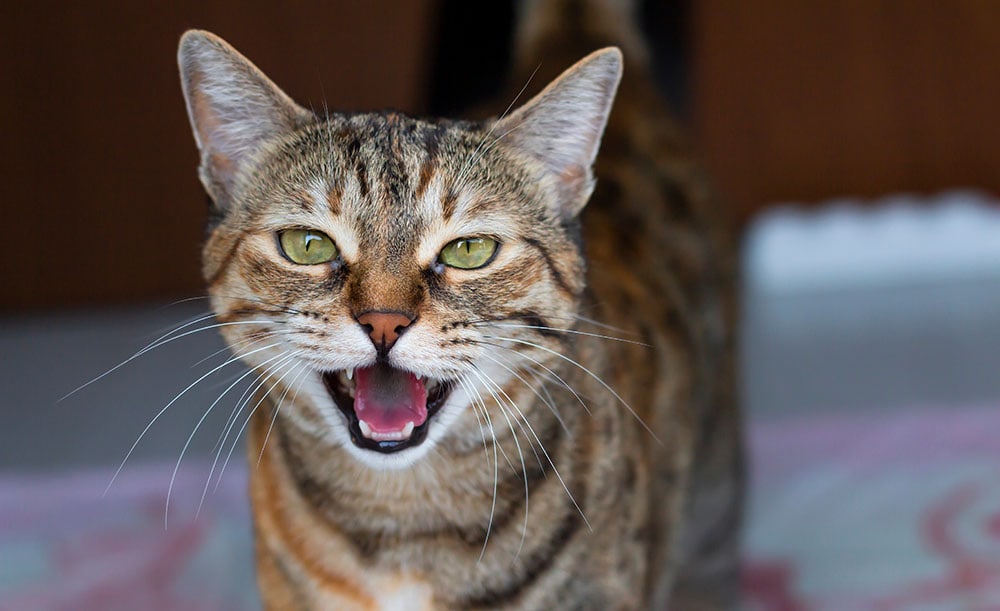
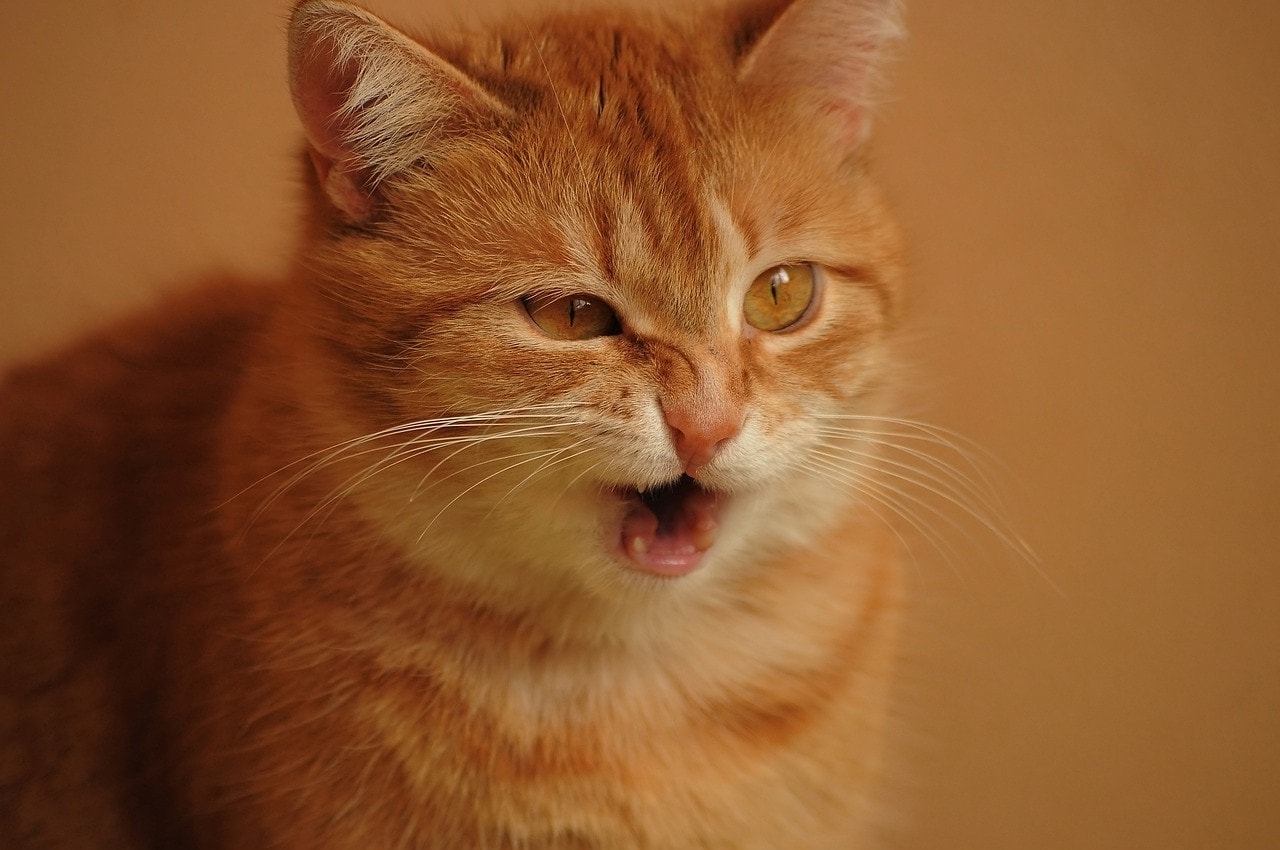
Grunting is one of the most seemingly unusual noises some cats make, and it can certainly be alarming, but it's not always cause for concern. However, it sometimes indicates a medical issue, so let's look into 11 possible reasons why your cat may be grunting to help you decide if you need to get them checked out.

The 11 Reasons Cats May Grunt
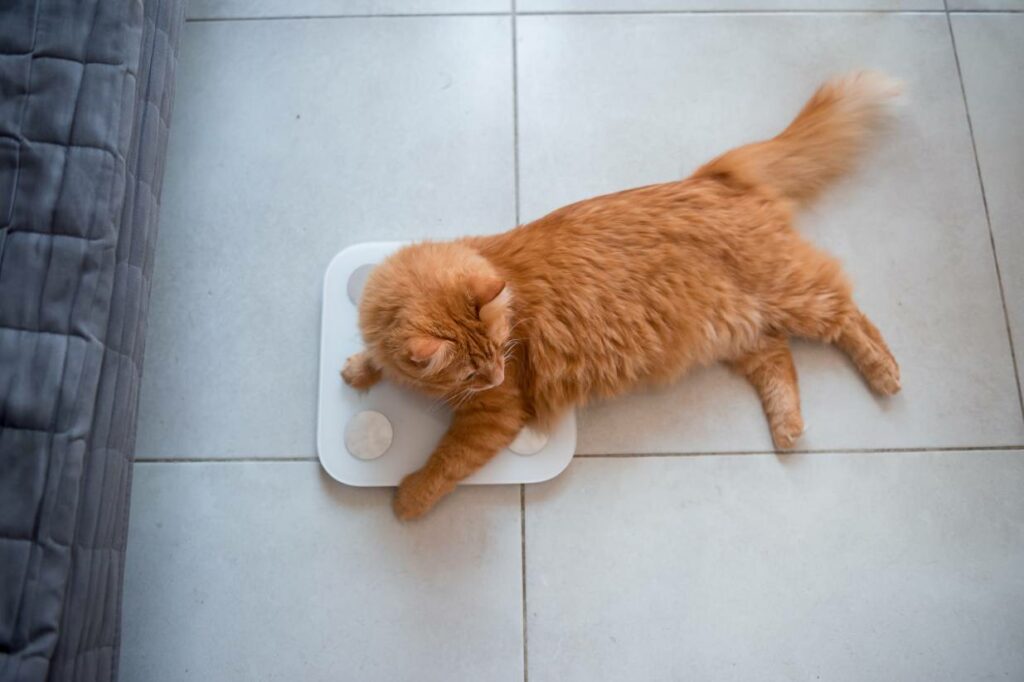
1. Obesity
If your cat is obese, this could affect their airways, causing them to narrow. Narrowed airways may produce grunting or snoring sounds. Cats with obesity are also at risk of chronic respiratory disease, which may contribute to the cat making unusual breathing noises.
Obesity is a difficult topic because it looks different for every cat; a large-breed cat like a male Maine Coon may weigh up to 8 kilograms (17.5 pounds) and be considered healthy, whereas a domestic shorthair would be considered very obese at this weight. If you're not sure if your cat is overweight, please consult a vet. Your vet can help you come up with an appropriate weight management plan.
If your cat is suddenly grunting, snoring, or producing any noises when they breathe, it’s important to get them checked out by the vet as soon as possible.
2. Brachycephalic Airway Syndrome
Flat-faced cats like Persians, Burmese, and Himalayans are brachycephalic, which means their skull bones are shorter than in other cats, resulting in squished facial features.
While these kinds of cats are popular because they're cute, unfortunately, they suffer from breathing difficulties and many other health problems because of the way they're bred, and it's very common for brachycephalic cats to breathe noisily. The syndrome can range from mild to severe, and surgery is sometimes required to make breathing easier for these cats.
As we touched on above, obesity can cause respiratory problems in cats, especially for cats with brachycephalic airway syndrome, so it's crucial to keep your cat at a healthy weight to reduce these problems.
3. Other Respiratory Issues
Asthma and other respiratory conditions like bronchitis, foreign bodies in the nose, polyps at the back of the throat, and pneumonia can cause a cat to breathe noisily and make grunting, wheezing, rattling, snoring, and/or gurgling noises.
Other signs of respiratory conditions include (but are not limited to) coughing, nasal discharge, shortness of breath, difficulty breathing, shallow or rapid breathing, lack of appetite, and lethargy. If you suspect any kind of respiratory illness, please get in touch with a vet right away.
4. Stomach Upset
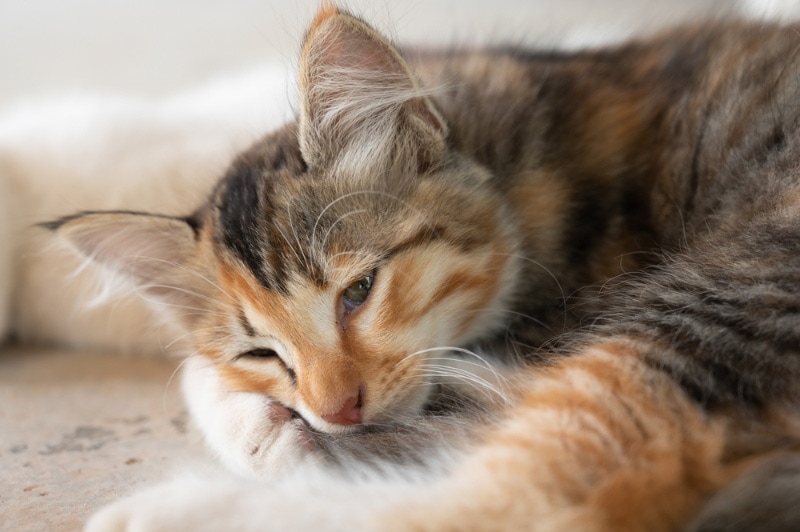
A cat with an upset stomach may grunt because they feel like vomiting or are in discomfort. Stomach upsets can be caused by eating too quickly, sudden dietary changes, eating something they shouldn't, food sensitivities, or, in more serious cases, an underlying medical condition, such as organ system disease, pancreatitis, or cancer.
In mild cases, an upset stomach passes quickly, and the cat goes back to normal, but if it persists for a day, is getting worse, or happens often, it could mean something is going on that your vet needs to check out.
5. Pain
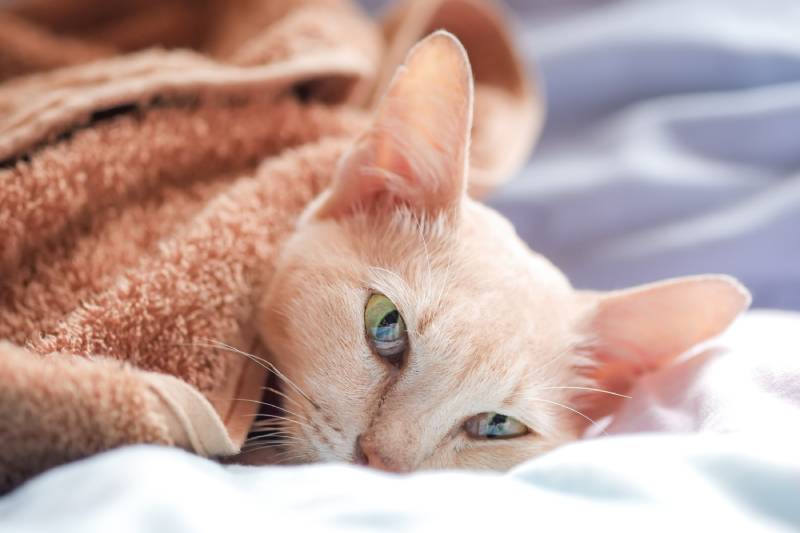
When a cat is in pain due to an illness or injury, they may express it with grunts and growls. Other signs a cat is in pain include being hunched up, hiding away, limping or moving with difficulty, depression, and lack of interest in things they usually enjoy, becoming unusually aggressive, vocalizing, straining to urinate or defecate, or going to the bathroom outside the litter box.
Urinary issues in particular are considered an emergency if the cat is straining and not being able to urinate, but any condition that causes pain in your cat should be checked out by the vet immediately.
6. Labor
It's not unusual for female cats to grunt while they're giving birth. This is especially common in the second stage of labor when the cat starts pushing, and it's completely normal. Some cats also cry and growl when in labor, and purring is common as a self-soothing mechanism.
7. Happiness
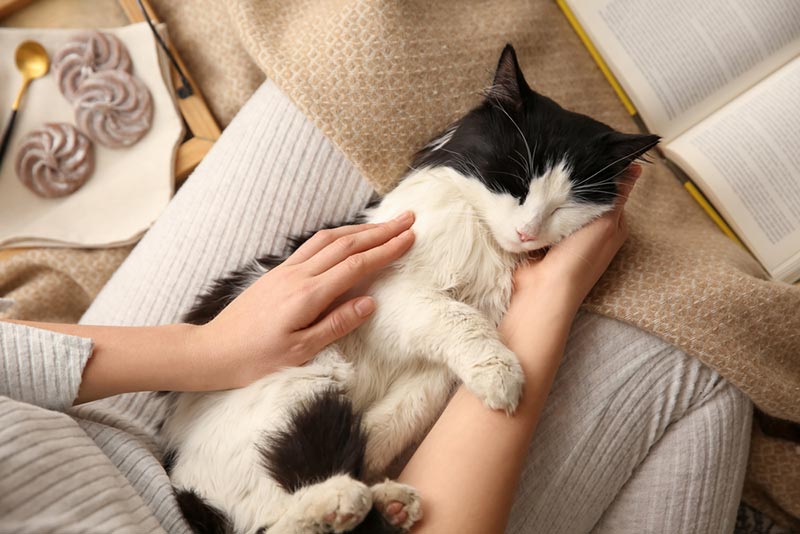
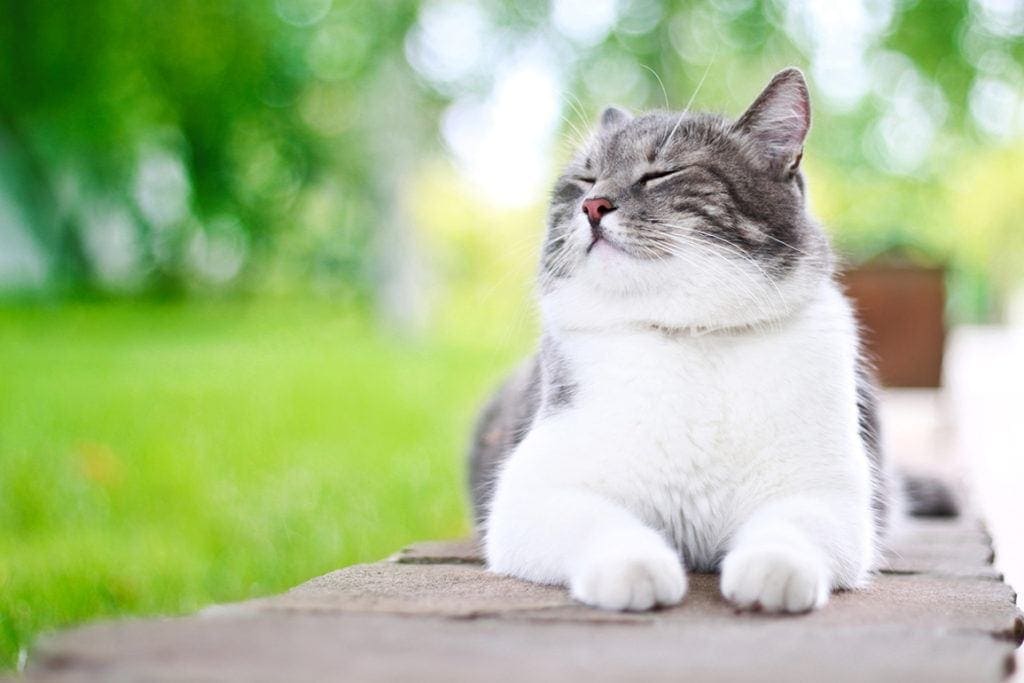
If your cat is not a regular grunter due to a medical issue, they may grunt now and again simply because they're happy and want to show you affection. This could happen when they're greeting you, kneading your lap, bunting you with their head, snuggling up alongside you, or enjoying a good petting session.
8. Enjoyment
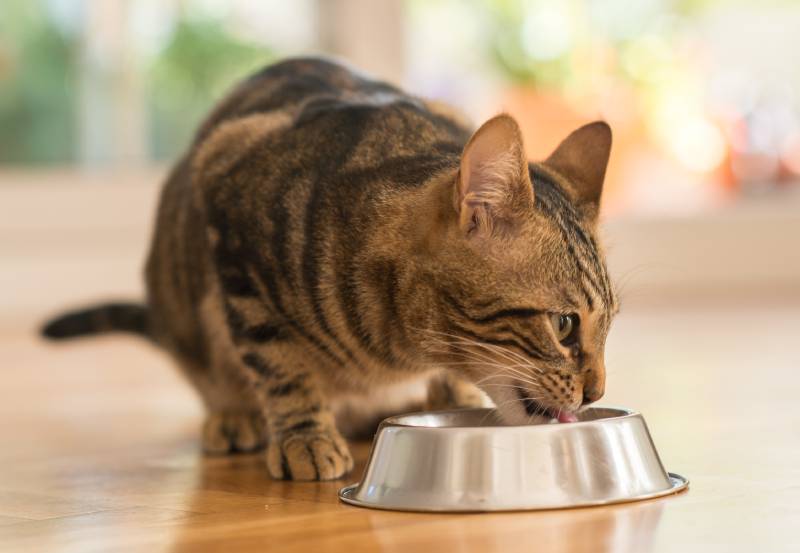
Does your cat make a "nom nom" sound punctuated with little grunts while they're getting stuck into some tasty kibble or a treat? If so, they're likely just having a really good time!
9. Guarding
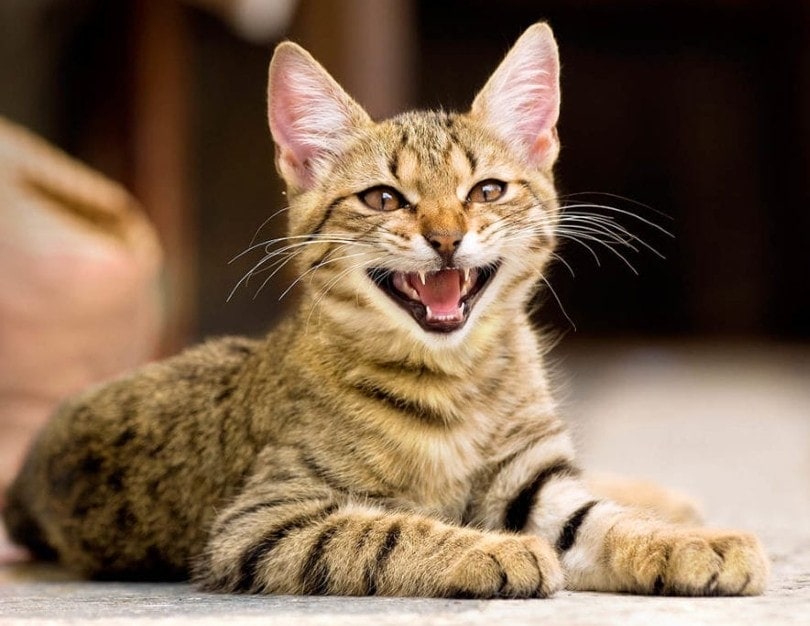
Is another of your cats getting a little too close during crunch time? If so, you may hear a growling or grunting sound emanating from the displeased feline trying to eat their dinner in peace. This is a signal to the other cat to back off.
10. Irritation
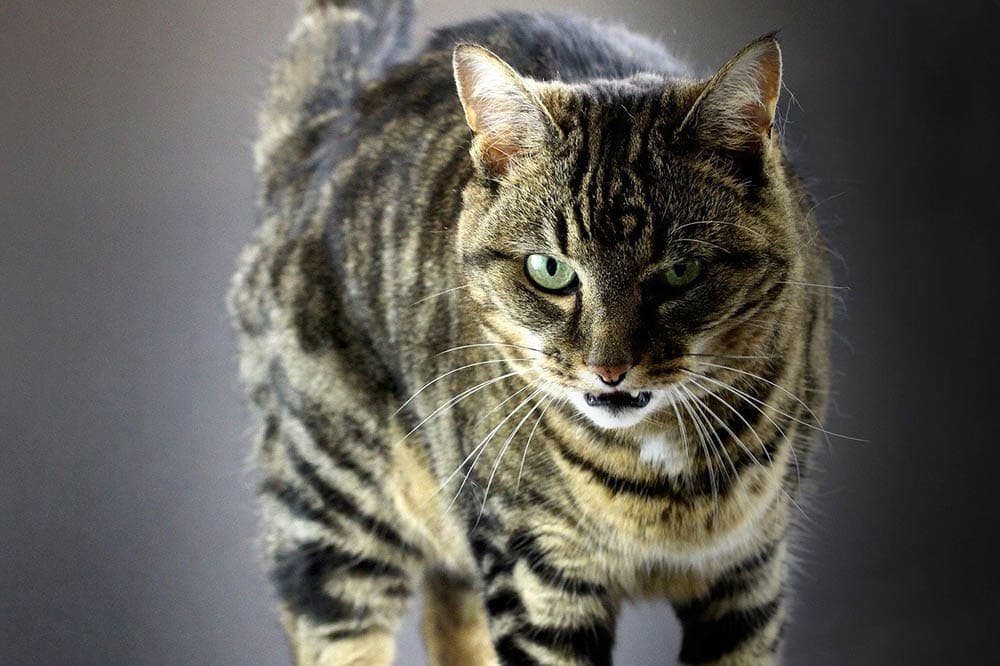
Similar to a cat guarding their food, a cat that's irritated or feels threatened might emit a low growl, grunt, or hiss, sometimes coupled with a deft paw swipe in the direction of the offending party. In this case, the cat is communicating that the person or animal they find annoying should step away.
11. Snoozing
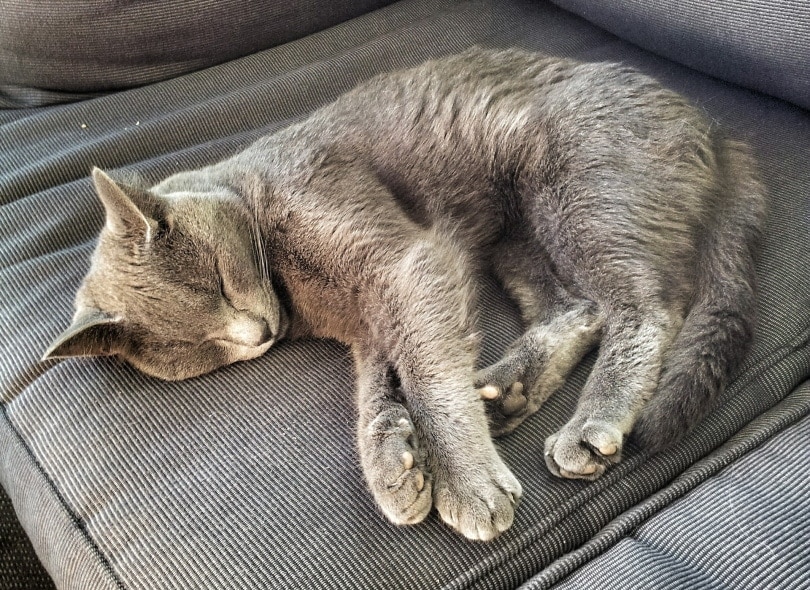
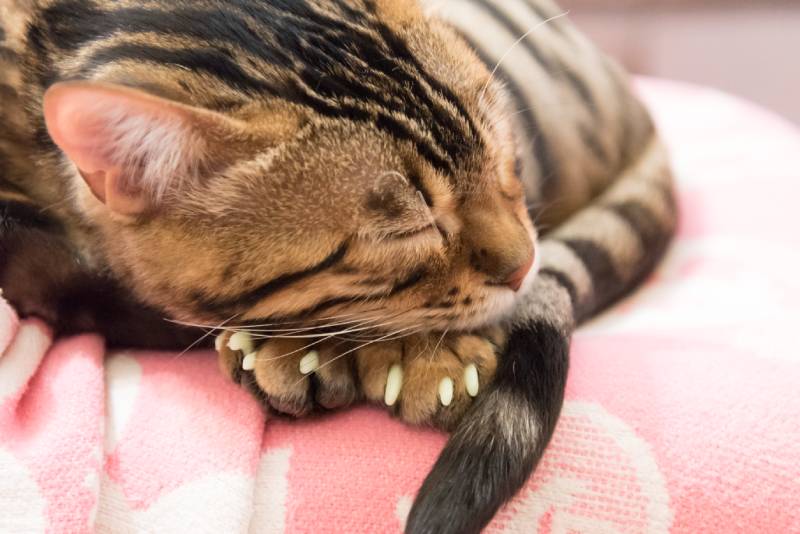
Those grunts you hear while your cat sleeps could well be simply the sounds of them snoring. In fact, some cats snore so loudly that it can be hard to believe that sound is coming from such a small animal! Any kind of cat can snore, but it's especially common in flat-faced breeds like Persians and obese cats. In addition, sleeping positions that restrict airflow can set a cat off snoring.
Conclusion
There are plenty of innocent reasons why your cat may be grunting, but it's sometimes a tell-tale sign that a health check-up is in order. If you have suspicions that your cat's grunting is something more than the normal expressions of a happy, hungry, or displeased cat, please reach out to your vet for advice.
Sources
Featured Image Credit: Kokosha Yuliya, Shutterstock
Get Hepper In Your Inbox


Pet care tips from our vets and experts, straight to your inbox.
You may opt-out at any time. View our Privacy Policy for more information.
Kit Copson is a freelance writer and lifelong animal lover with a strong interest in animal care. She has parented various furry beings over the years and is currently a proud cat mom of two—one skittish but adorable Domestic Shorthair and very chilled (unless hungry) Siamese and a —and dog mom of one—an adopted Bichon Poodle cross. When not writing about or spending time with pets, Kit can be found doodling in her sketchpad, reading, or more often than not, drinking tea.
Join the conversation
Ask a question, share your story, or send private feedback.