Hepper is reader-supported. When you buy via links on our site, we may earn an affiliate commission at no cost to you. Learn more.
Reverse Sneezing in Cats: Causes & What to Do (Vet Answer)

In this article
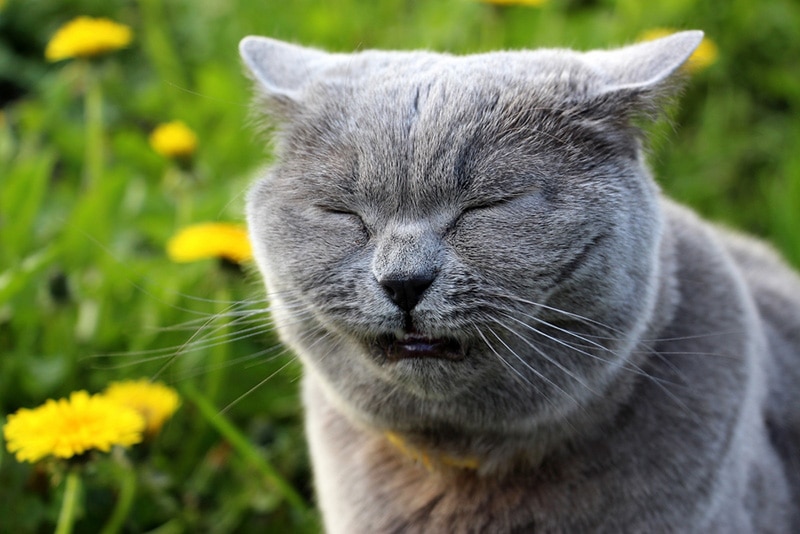
Reverse sneezing in cats can cause alarm if owners have never experienced it before. There is no need to panic—reverse sneezing is not as bad as it sounds. Reverse sneezing is relatively rare in cats, especially compared to dogs, who experience it much more often. If your cat reverse sneezes infrequently, this is a normal part of your cat’s defense mechanism.
It's only when the sneezing occurs more often that we need to be concerned. Read on to get the low down on this unusual phenomenon in cats.

What Is Reverse Sneezing in Cats?
Reverse sneezing (or “backward” sneezing) in cats is the result of an involuntary reflex causing the forceful and rapid inhalation of air. Reverse sneezing occurs to clear the area at the back of the mouth near the soft palate. It's a reflex mechanism used by your cat's body to enable them to breathe efficiently, much like normal sneezing. It can be triggered by something irritating the area around the soft palate, which starts to spasm which in turn causes narrowing of the airways.
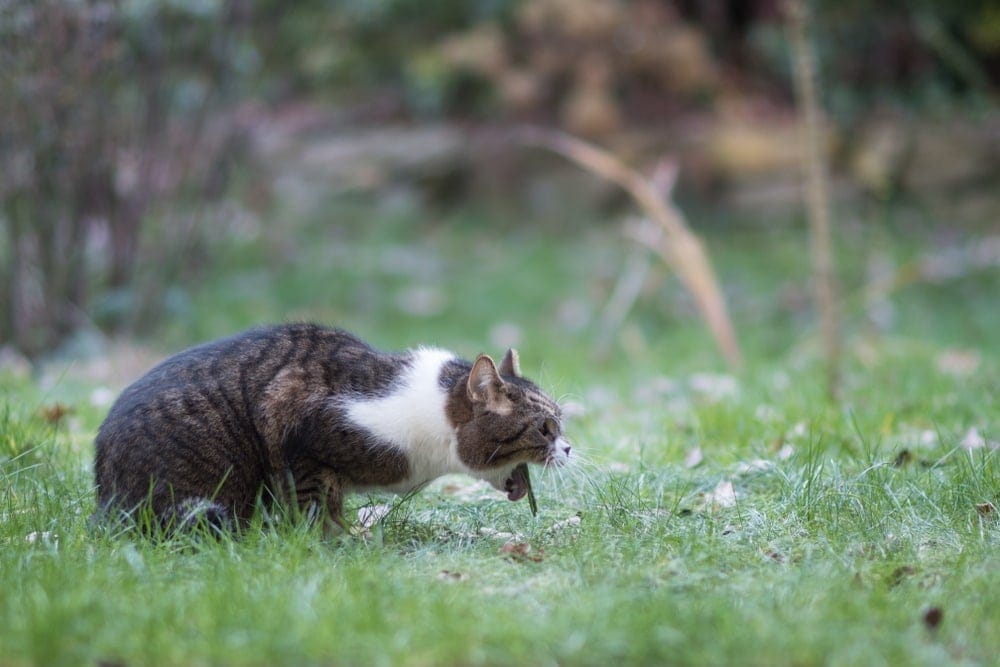
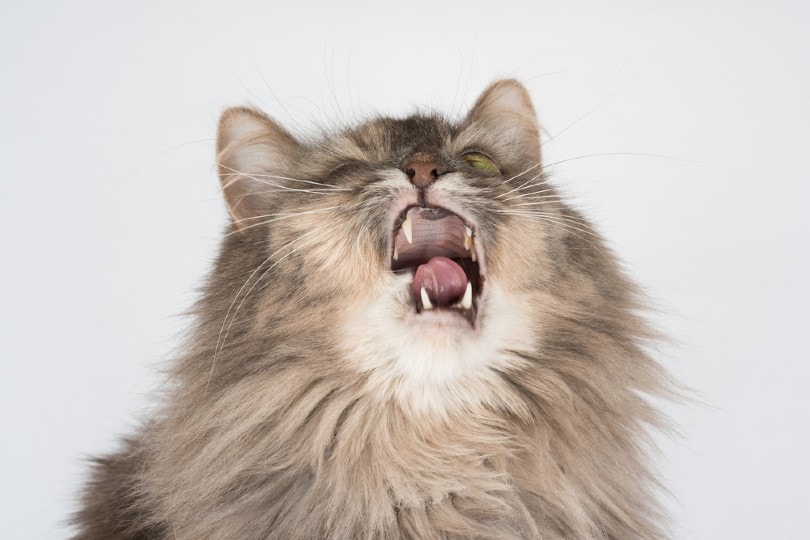
Your cat may try to extend their neck to compensate for this. Your cat then tries to drag air in through their nose which results in a reverse sneeze. When cats experience reverse sneezing, they often extend their neck, and move their stomach in and out quickly. Owners often panic as reverse sneezing can appear very similar to coughing, retching, choking, gagging, and hyperventilating. Reverse sneezing can occur in any breed of cat and at any age.
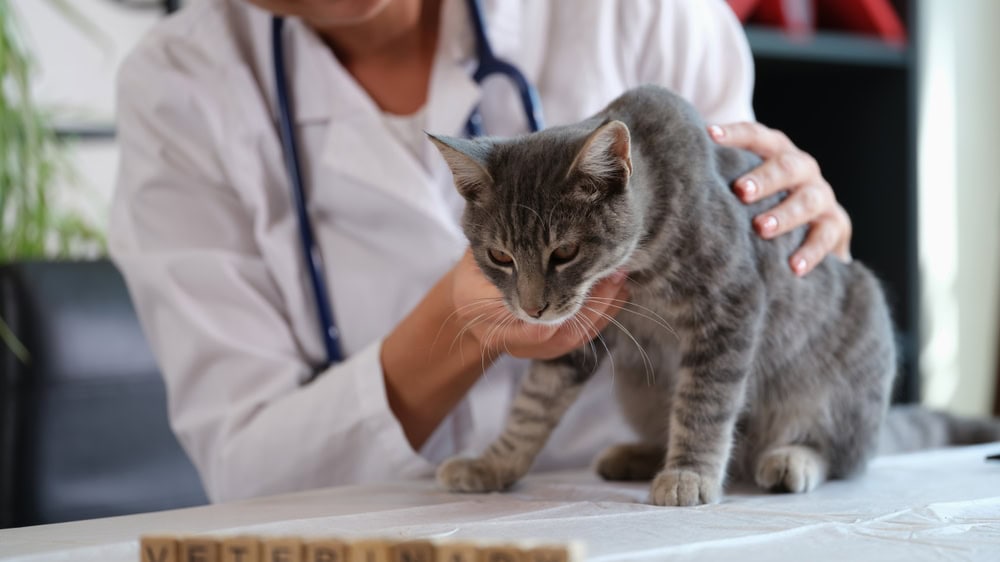
Occasional episodes of reverse sneezing are completely normal. If you notice your cat reverse sneezing frequently, or if the reverse sneezes are increasing in severity, you need to contact your vet to arrange for a check-up.
Reverse sneezing is not a painful or dangerous condition unless other clinical signs such as respiratory distress, cough, choking, or nasal discharge are seen alongside the sneezing.
What Are the Signs of Reverse Sneezing in Cats?
Reverse sneezing can go unnoticed by many cat owners, although in some circumstances it can look like your cat is in great distress. Your cat may stand in a strange position, holding their neck and head stretched forward and the rest of their body still. They can look like they are convulsing due to quick movements from their chest and abdomen. They may make some strange snorting or honking noises like a goose.
Typical signs to look out for include:
Signs to Look For:
Reverse sneezing will include most of those clinical signs at once as the sneezing occurs. In between episodes your cat is likely to be completely normal with no clinical signs unless there is some underlying disease process occurring. If possible, always try to take a few videos of your cat reverse sneezing so you can show them to your vet.
What Are the Causes of Reverse Sneezing in Cats?
Reverse sneezing is usually a normal reflex in response to irritation at the back of the oral cavity. The causes of reverse sneezing in cats are often similar to the causes of normal sneezing. The following are the most commonly seen:
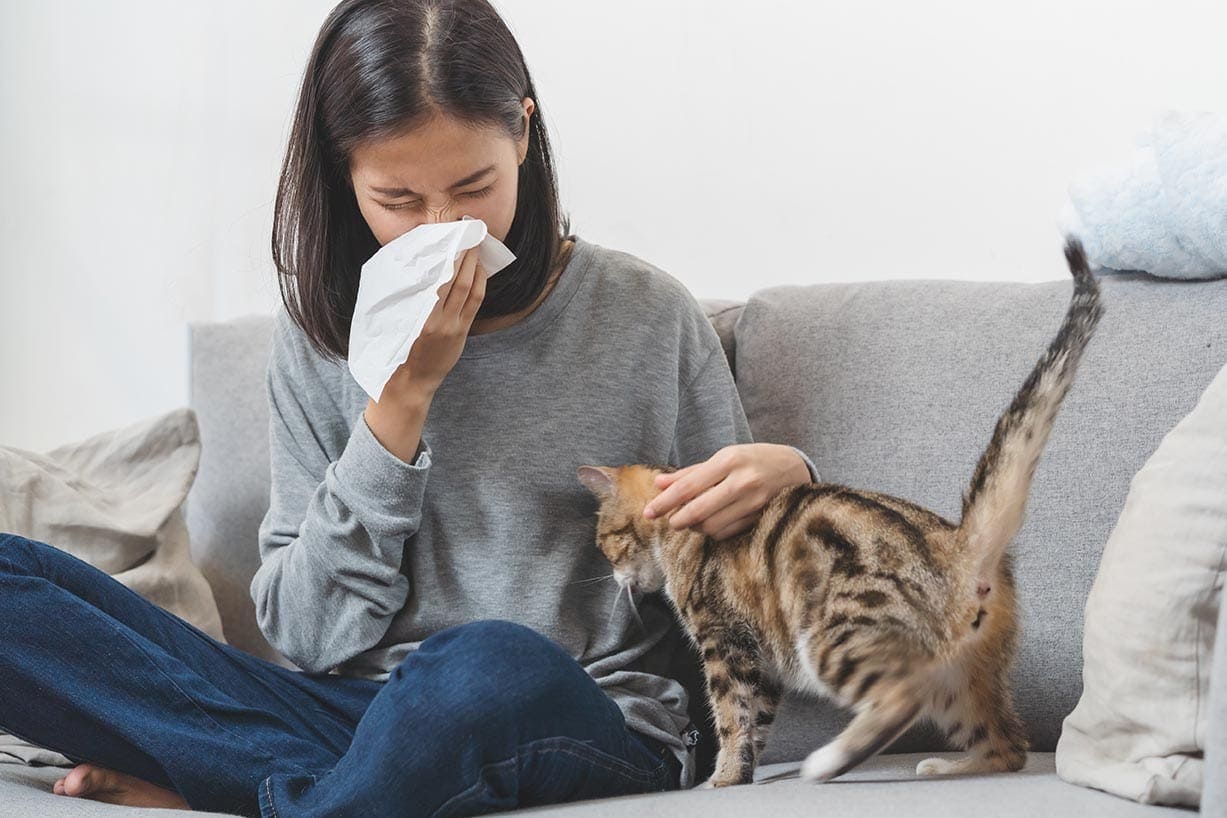
- Allergens: Pollen, dust, mold spores, and some household chemicals can trigger reverse sneezing. If the reverse sneezing is related to allergens, you may see other signs such as skin lesions.
- Infections: Any upper respiratory tract infections can cause an increase in nasal discharge. This can run down the back of your cat's throat, irritating the area, which can then cause reverse sneezing. Causes of infection can be bacterial, viral, or fungal. Lower respiratory tract infections can also trigger reverse sneezing by causing breathing issues and repeated coughing. Feline herpes virus can facilitate the development of secondary respiratory tract infections.
- Nasal mites: Your cat may have a nasal mite infestation. Nasal mites can cause reverse sneezing and an increase in nasal discharge. There may also be facial swelling, concentrated over the nose. The soft palate and the pharynx may also become swollen, therefore exacerbating the situation.
- Tumors: These or other masses concerning the voice box and/or the trachea can trigger reverse sneezing too. These sorts of tumors are rare in cats but must always be considered as a differential diagnosis when investigating reverse sneezing. The tumor can cause issues with air passing in and out of the lungs due to the space they occupy. Wheezing, coughing, and exercise intolerance may also be seen alongside reverse sneezing with masses and tumors.
- Brachycephalic airway syndrome: This occurs in certain breeds with anatomical upper airway abnormalities, such as an extended soft palate that blocks the entrance to the trachea. This causes a lot of irritation at the back of the oral cavity and reverse sneezing is frequently seen. Cats suffering from this disorder will often also have louder breathing noises, get tired more easily, have low exercise tolerance, and may collapse or faint after running about. This may be exacerbated in warmer temperatures.
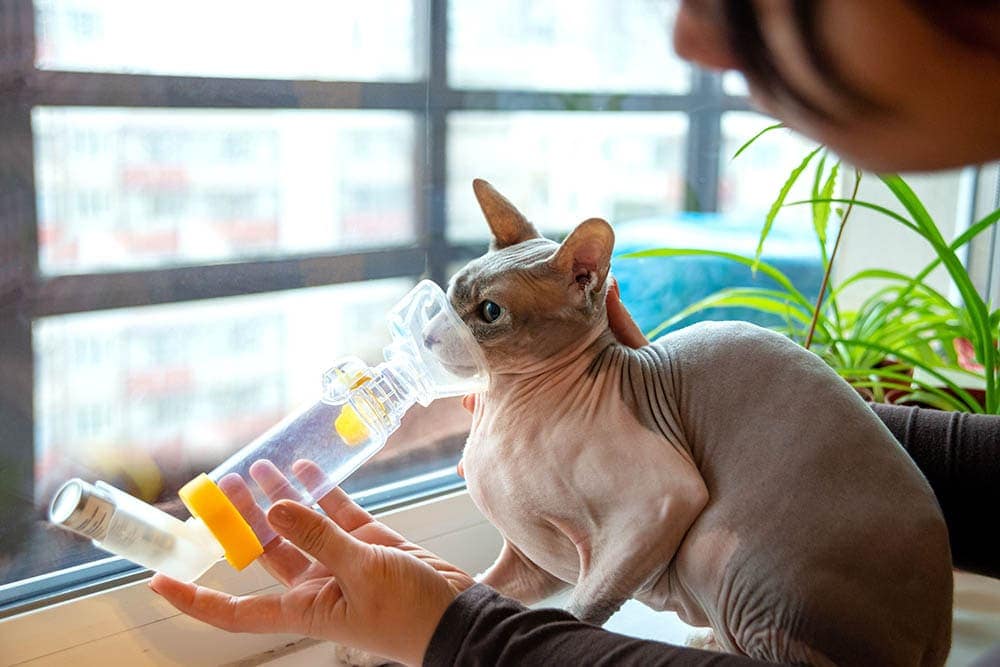
- Feline asthma: This occurs when there is a sensitivity to certain stimuli which triggers an inflammatory response. Cats experience spasming of the airways and increased mucus production which often accumulates in the airways. All of these things can cause reverse sneezing.
- Overexcitement: This can also trigger sneezing. Cats can sneeze repeatedly in response to sensory stimuli in their environment.
- Nasal polyps: May cause irritation of the back of the oral cavities depending on their location. This can cause reverse sneezing.
- Foreign bodies: These can be extremely irritating and potentially cause trauma at the back of the mouth. They may also cause infection depending on the nature of the foreign material.
- Dental disease: This can cause reverse sneezing; it usually involves tooth root infections that affect the surrounding area on the top half of the jaw. Bacteria can enter the sinuses which causes infection and inflammation.
- Rapid temperature changes: This can trigger reverse sneezing when cold or hot air comes into contact with the back of the oral cavity.
Diagnosis of Reverse Sneezing in Cats
There is no specific diagnostic test for reverse sneezing. The diagnosis of reverse sneezing usually involves observing your cat and noting the presence of characteristic clinical signs. Your vet will perform a full clinical exam and take a detailed history from you. They will then perform any necessary tests to diagnose respiratory issues present. They will take blood and a urine sample for analysis.
X-rays and an examination of your cat's upper respiratory under general anesthetic may be useful. Samples of discharge can be taken and sent off for culture and sensitivity. Your vet will be able to identify the underlying cause (if any) of the reverse sneezing by analyzing all the information available from the clinical exam, clinical history, and test results.
How Do I Care for a Cat with Reverse Sneezing?
Treatment of reverse sneezing depends on the severity of the sneezing and the underlying cause. If the sneezing is mild, and there are no other obvious signs of illness, your vet may advise you to monitor your cat.
If an allergen is identified as a contributing factor, environmental changes can be made to reduce exposure to these allergens. If an infection is present, antibiotics or antifungal medication can be used. Steroids can be used to combat inflammation. Some vets prescribe antihistamines. Tumors and nasal polyps can be surgically removed under general anesthesia.
Frequently Asked Questions (FAQ)
When should I be concerned about my cat's reverse sneezing?
Reverse sneezing can just be a normal reflex, much the same as regular sneezing. If your cat starts to reverse sneezing frequently, or the severity of the reverse sneezing increases, or if there are any signs of clinical disease, it is best that you book an appointment with your vet to have your cat checked out.
What is the difference between reverse sneezing and normal sneezing?
With reverse sneezing, air is pulled into the nose rapidly. With a regular sneeze, air is forcefully pushed out of the nose. In reserve sneezing, the opening to the windpipe is closed.
How often is too often for reverse sneezing? When should I call the vet?
If your cat is reverse sneezing more than twice a day, or if they have a huge sneezing fit where they do lots of reverse sneezes in quick succession, it is best to take them to the vet to get checked out. If they have other clinical signs along with reverse sneezing, it is also advised to get them checked out.
Conclusion
Reverse sneezing is a fairly uncommon problem seen in cats. It can be part of a normal reflex to clear irritants from the cat's throat, but if it is happening very frequently or there are other concerning clinical signs, it is best to get your cat examined by your vet.
The treatment approach for reverse sneezing varies depending on the underlying cause and the severity of the clinical signs. Your vet will advise the most appropriate treatment for each individual cat.
Sources
Featured Image Credit: Светлана Бердник, Pixabay
Get Hepper In Your Inbox


Pet care tips from our vets and experts, straight to your inbox.
You may opt-out at any time. View our Privacy Policy for more information.
Dr. Emma is an experienced vet who is always happy to share her knowledge and expertise with our readers. Her passion is surgery but she will happily talk about anything animal related. Dr. Chandley graduated from The Royal Vet College and since then she has worked in general practice in the UK. She has completed a postgraduate certificate in Small Animal Surgery and has also gained Advanced Practitioner status in the same discipline. She enjoys developing her skills in clinical pathology, animal behavior and nutrition as well.
Join the conversation
Ask a question, share your story, or send private feedback.