Hepper is reader-supported. When you buy via links on our site, we may earn an affiliate commission at no cost to you. Learn more.
Why Is My Cat Licking Their Lips? 6 Vet-Reviewed Reasons



Cats frequently groom themselves throughout the day, and licking their lips is normal behavior after a satisfying meal. However, excessive lip-smacking can be caused by a medical issue requiring a trip to the vet. Closely monitoring your cat’s everyday routine and noting any signs or changes is vital to understanding the cause of the behavior. Cats may meow excessively, hide, become lethargic, or eat less when they’re not feeling healthy, and they may use their body language to communicate any issues to their owners.
If your cat is licking their lips too much, it’s important to get them seen by your vet promptly, as many health issues will worsen if diagnosis and treatment is delayed. This article can help you examine a few possible reasons for this behavior but is not a replacement for veterinary clinical examination.

The 6 Reasons Cats Lick Their Lips
1. Regular Grooming Routine
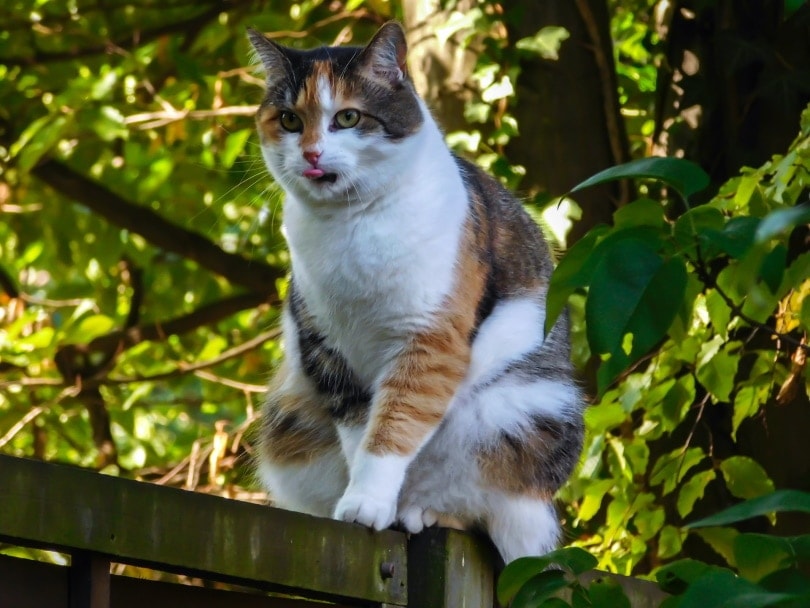
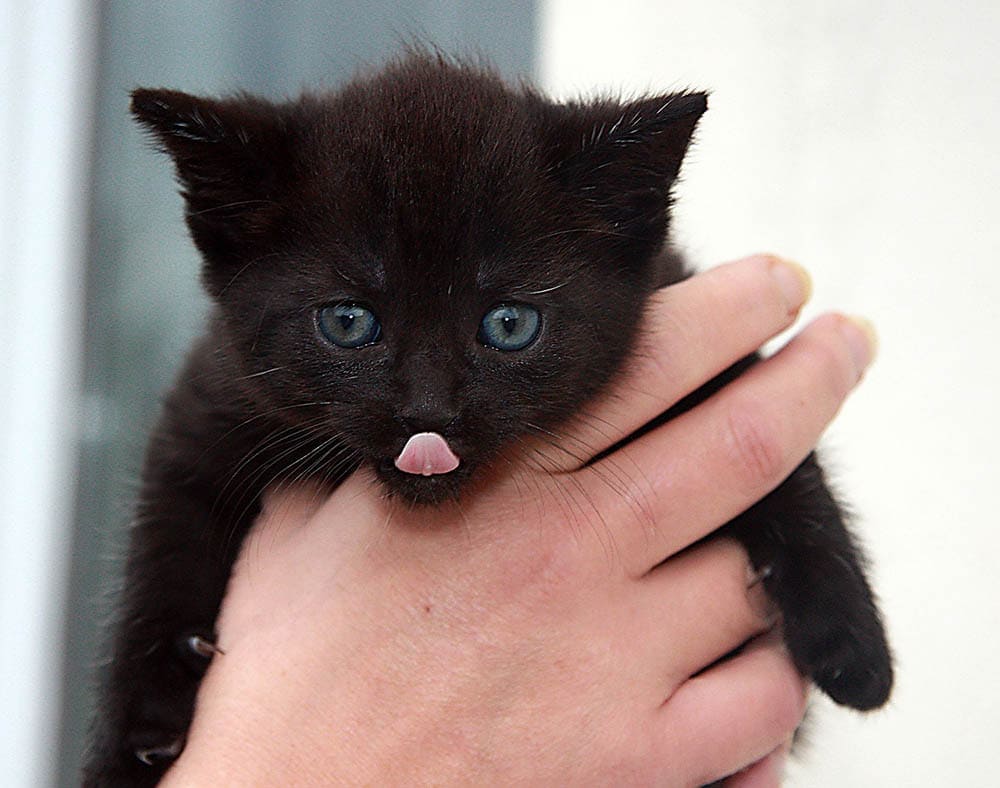
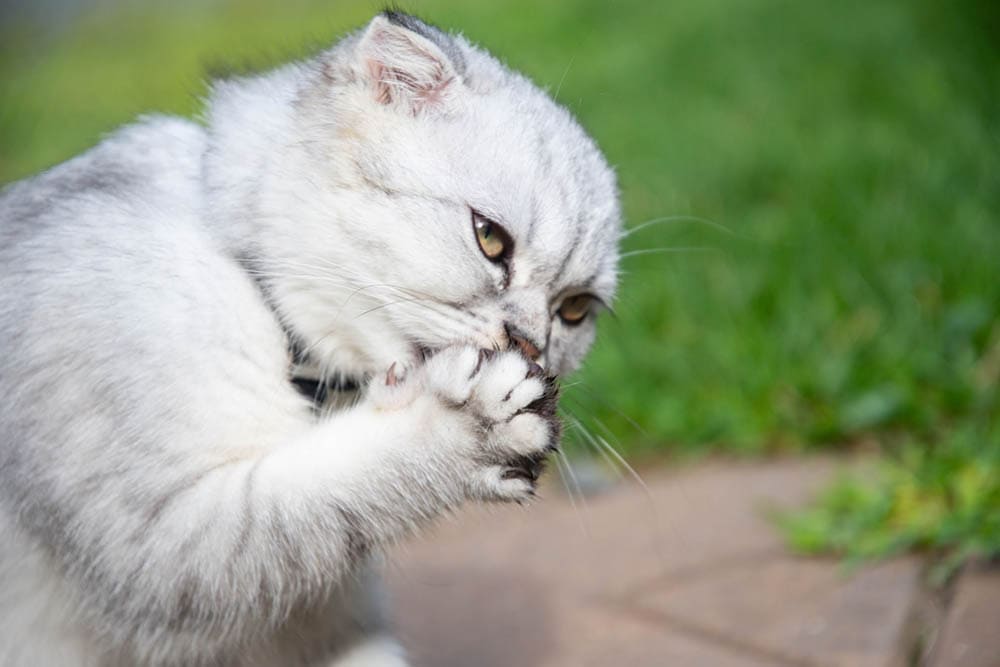
All cat parents know how clean their cats are and how much effort they put into it. They’re constantly cleaning themselves after a meal, after going outside, and before and after bedtime and playing. So, you may catch your cat licking their lips while they are in the process of grooming. The same happens after they have eaten, so they can cherish any leftover flavors from their lips. Observe your cat, and if you find they’re licking their lips after a meal or having a drink or as a part of grooming, there is nothing to worry about.
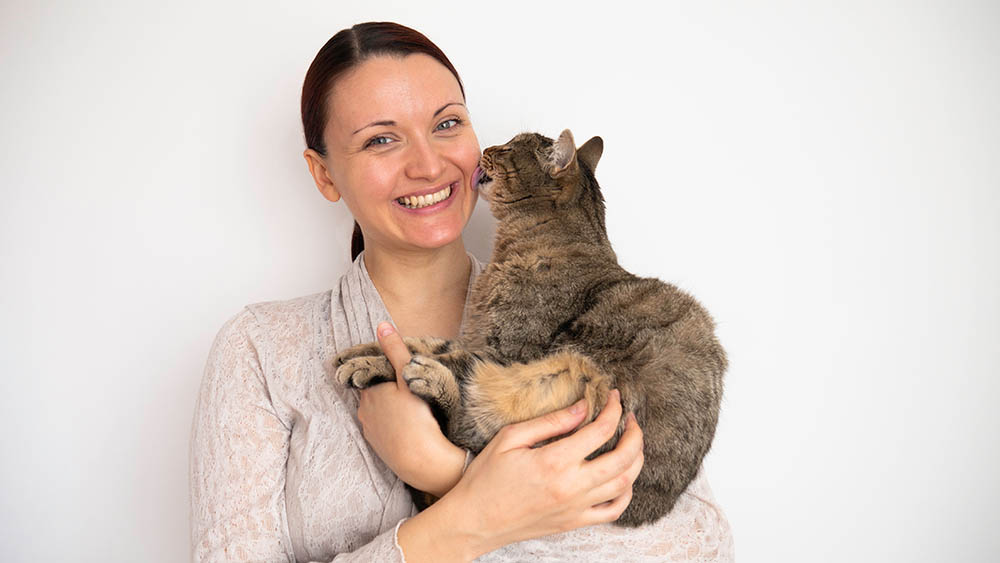
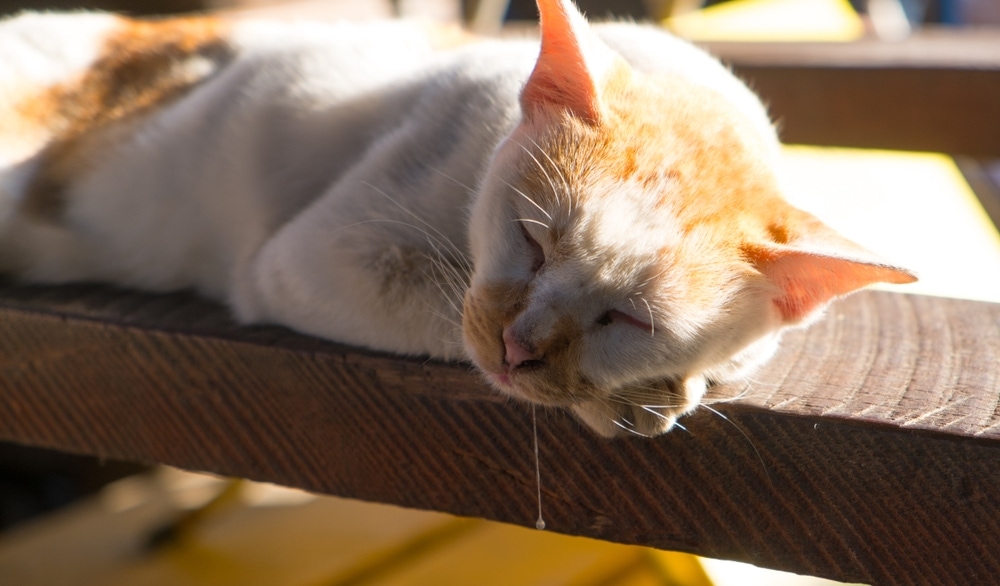
Some cats will also lick their lips during cuddling sessions with their owners as a sign of contentment and relaxation, while others may even drool. If this is something your cat has been doing since a young age, it is considered normal for them. However, if your cat is licking their lips excessively and it’s not related to imminent grooming, eating, drinking, or cuddling, it’s best to get them checked out by your vet to ensure there aren’t any underlying health issues.

2. Oral Issues
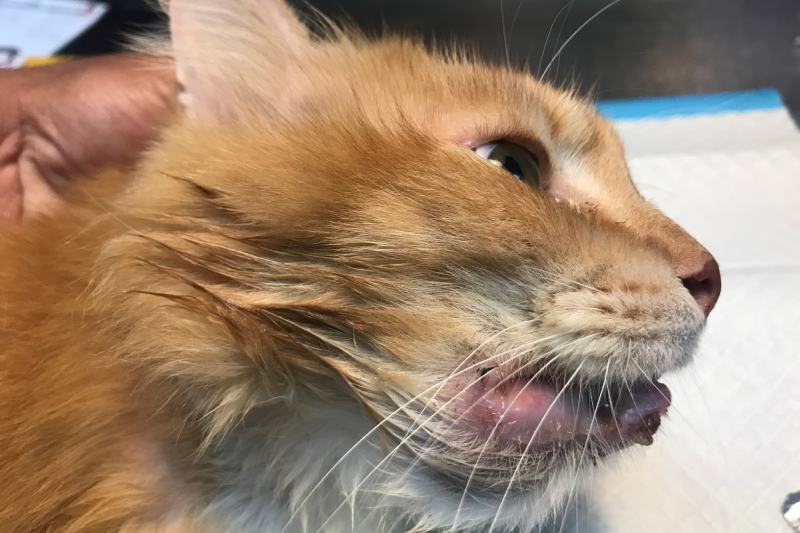
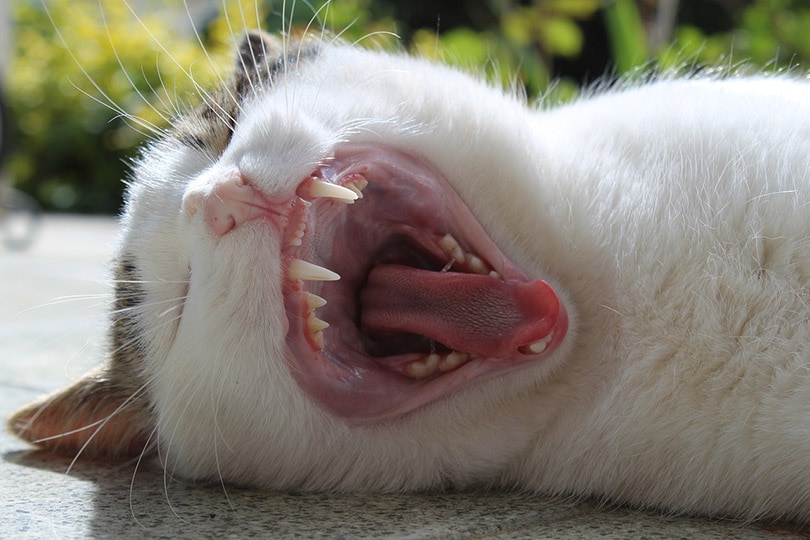
When your cat starts licking their lips excessively or every day, the cause may be related to oral issues, such as ulcers, infections in the mouth, dental disease or even oral tumors. Teeth and gum issues are very common in cats, and anywhere between 50-90% of cats older than 4 years old suffer from some type of dental disease. The most common dental issues in cats are gingivitis, periodontitis, and tooth resorption.
Over time, plaque can build up on the cat’s teeth and cause tartar to develop. Both will irritate your pet’s gums and cause the animal to smack their lips frequently. Dental disease in cats will cause pain and discomfort, and besides licking their lips, cats may drool, have bad breath, eat less, prefer wet over dry food, paw at their mouth, chew awkwardly, or become withdrawn.
Regular dental hygiene through frequent teeth brushing as often as possible, or at least on a weekly basis, can help prevent plaque and tartar build-up. If your cat has any signs of dental disease, it’s important to get them checked by a veterinarian, as all of these will require veterinary attention.
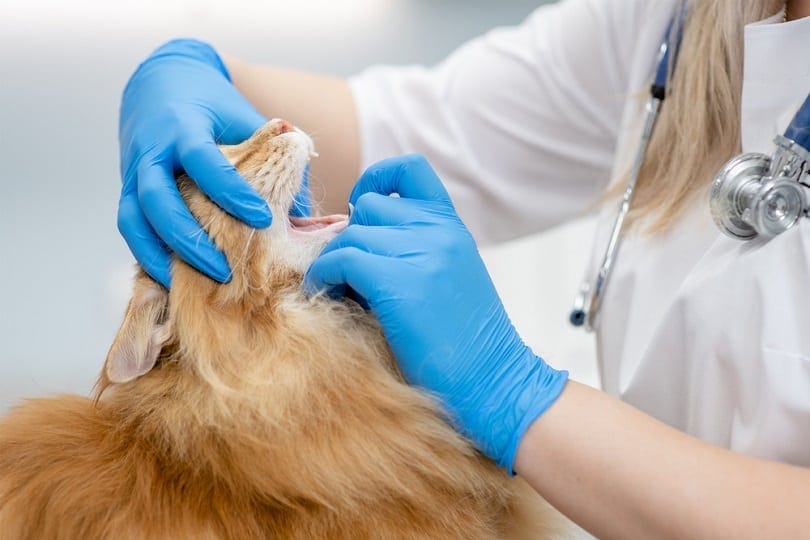
Other oral issues, such as abscesses, which may be related to a tooth root or oral ulceration and tumors, can also cause your cat to be licking their lips more often. They may show a reduced appetite, oral pain, awkward chewing, drooling, bad breath, or there may be an obvious distortion of their face in the case of a tumor. Some viral infections, such as feline calicivirus, may lead to painful ulcerations of the back of the throat or a hard palate, lips and gums.
All of these will present with similar signs, and your veterinarian can distinguish them based on a clinical examination, sometimes with the help of an X-ray, biopsy, or viral testing.
3. Unpleasant Taste or Toxin Exposure
Cats are often attracted to strong aromas, and their curiosity may lead them to coming in contact with unpleasant, toxic, or irritating substances, like plants that do not agree with their taste buds. Even non-toxic substances like fresh herbs can make your cat lick their lips, but the signs are usually self limiting. Besides licking their lips, cats may also drool, retch, cough, vomit, or, depending on the nature of the compound or toxin, they could develop other gastrointestinal, neurological, or respiratory signs.
On the other hand, if your cat has come in contact with a toxic or irritating substance, such as a cleaning product, it’s important to wipe or rinse their mouth very gently with a little bit of water or a wet cloth, making sure they do not swallow any. Remove them from the source of spillage so they don’t come in contact with it again and seek immediate veterinary advice.
Ingesting a poisonous plant or substance can lead to severe medical conditions that need urgent veterinary attention. If you have houseplants, you should check the ASPCA’s toxic and non-toxic list for pets to ensure they are safe for your cat.

4. Nausea
Lip licking can also be a sign of nausea. Cats with nausea may appear anxious, retch, and continuously clear their throats and lick their lips. Nausea may be a temporary condition caused by eating something like a plant, hairball, or insect that doesn’t agree with the cat’s stomach. However, nausea can lead to vomiting, and it may often indicate an underlying health issue, such as gastroenteritis, pancreatitis, systemic or organ disease, cancer, and many more. Nausea can also be a side effect of certain medications.
Nausea and vomiting should be investigated by your vet, who can prescribe a bland diet for your pet if required, along with medications to treat the problem. To avoid dehydration, you can provide ample fresh water and wet food with high moisture content.
5. Anxiety
Although various medical issues often cause excessive lip licking, it can also occur from anxiety. A stressful event or break in routine can increase anxiety and make your cat lick their lips more than usual. Besides licking their lips, some cats may exhibit signs of lethargy, hiding, reduced or increased appetite, toileting outside of their litter box, unusual aggression or hissing, and many more.
Luckily, you can reduce the behavior by identifying the source of the cat’s problem. Have you moved recently or introduced a new pet to your home? Other possible reasons for anxiety may include loud noise caused by nearby construction, or a new baby entering the house. Switching back to the cat’s old routine, providing safe hiding spots, using pheromone diffusers for reassurance and comfort, and consulting with your vet about more specific treatments can help calm your pet and reduce their lip-smacking.
Some cats may also develop compulsive disorders associated with underlying anxiety. It may involve repetitive motions and may include these signs:
OCD Signs in Cats:
These signs can also be caused by other underlying health issues that first need to be ruled out by your veterinarian. Your vet and a feline behaviorist will help you understand the causes for this behavior, which can be helped by environmental enrichment, providing plenty of physical exercise and mental stimulation, strengthening the bond between you and your cat, training them to redirect the behavior using positive reinforcement, and much more. Behavior modification drugs can also be prescribed in some cases to treat your pet’s condition.
6. Allergies
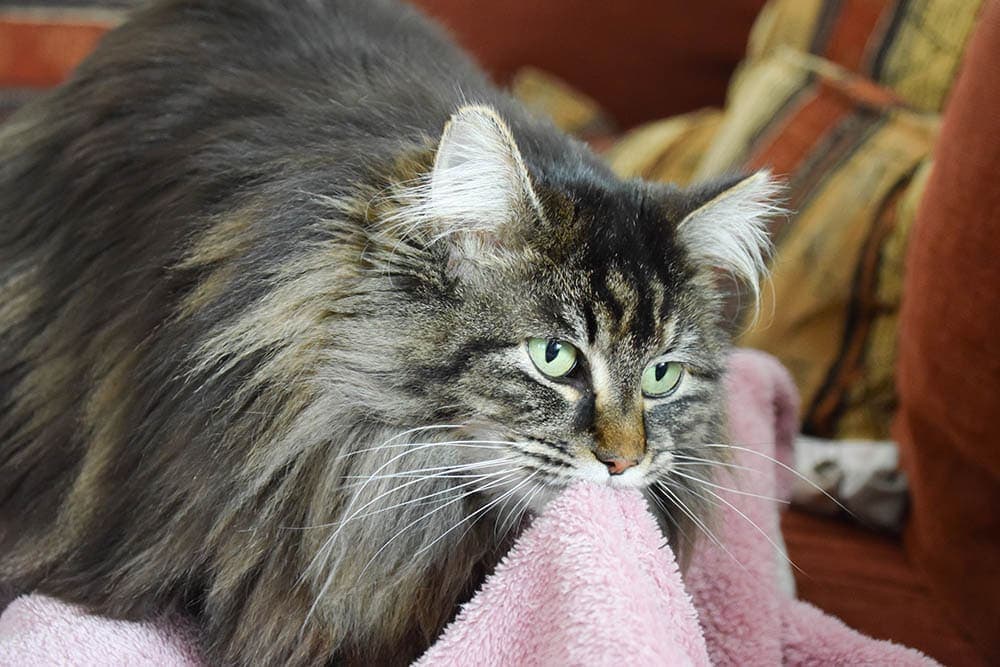
Allergens in the air, such as pollen, grass, and dust mites, or allergies to flea saliva or food can also cause your pet to lick their lips and may be accompanied by respiratory problems or skin irritation. Taking your pet to the vet for a thorough clinical and skin examination, antiparasitic treatment, and allergy screening can help in determining the diagnosis and starting appropriate treatment, while you can also make changes to your home to alleviate some of the signs. If your vet suspects a food allergy, they will recommend a food trial using a novel protein or a hypoallergenic diet. Purchasing an air purifier and keeping your home clean can reduce the presence of airborne contaminants.
Conclusion
Lip-smacking after a meal or treat and during grooming sessions is not cause for alarm, but excessive licking indicates that your cat should visit a veterinarian. Treating the problem as soon as it’s obvious is vital to keeping your cat healthy. Delaying treatment can cause the condition to escalate and develop into a severe medical issue that endangers your pet and increases your costs. Your veterinarian can treat your cat’s excessive licking behavior and offer recommendations to prevent repeat occurrences.
Sources
Featured Image Credit: klevers, Shutterstock
Get Hepper In Your Inbox


Pet care tips from our vets and experts, straight to your inbox.
You may opt-out at any time. View our Privacy Policy for more information.
Nicole is a lover of animals of all sizes but is especially fascinated with the feline variety. She’s the proud mom of Baby, a Burmese, and works every day so he can relax in the sunshine or by the fire. She’s always had a cat in her home and has spent countless days with others, observing behaviors and softening up even the grouchiest of the lot. Nicole wants to share her kitty expertise with you so you and your cat can live happy, healthy, and care-free.
Join the conversation
Ask a question, share your story, or send private feedback.