Hepper is reader-supported. When you buy via links on our site, we may earn an affiliate commission at no cost to you. Learn more.
Why Is My Cat Scooting? 4 Vet-Approved Reasons & What to Do


In this article
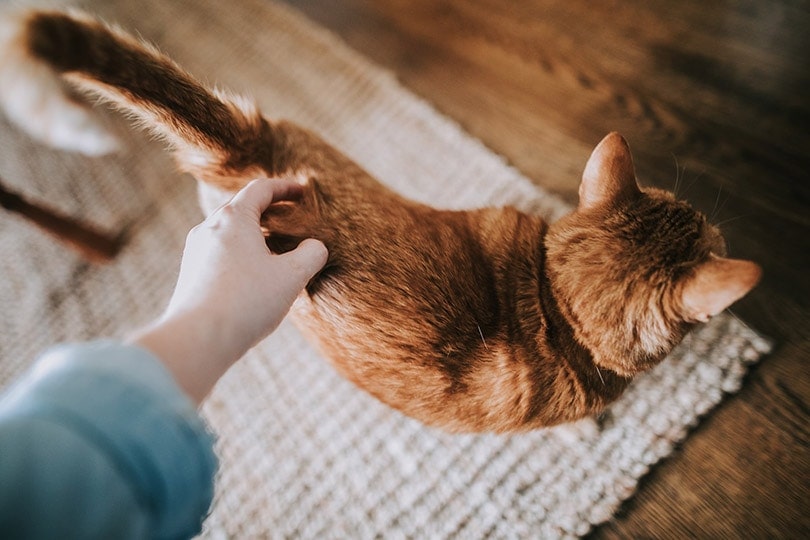
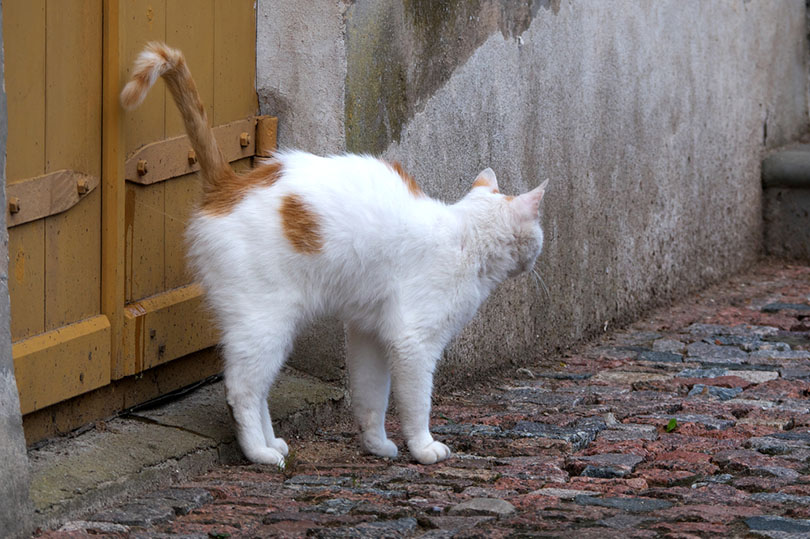
Most cats will scoot on their bum at least once in their life. This behavior is normal when done in moderation. Often, it happens when your cat’s butt is itchy, which occurs for many different reasons. For instance, cat litter often gets stuck when your cat uses the litter box, irritating the area. In this case, this behavior is considered normal and doesn’t require vet attention.
However, there are other situations where this is not so normal. For instance, some parasites and similar conditions may cause excessive itching and discomfort leading to scooting. Usually, these conditions cause your cat to scoot far more often than it might otherwise. Therefore, if your cat seems to be scooting a lot, you may want to seek veterinary attention.
Let’s look at some of the reasons cats may scoot. These may help you determine the reason behind your cat’s behavior, especially if your cat has other symptoms. However, you’ll often need to visit the vet for diagnostic testing.

The 4 Possible Reasons Why Your Cat Is Scooting
1. Parasites
Any digestive parasite can cause your feline’s bum to itch. Therefore, cats with these parasites tend to scoot around more than others. Cats can get many digestive parasites, and some are more serious than others.
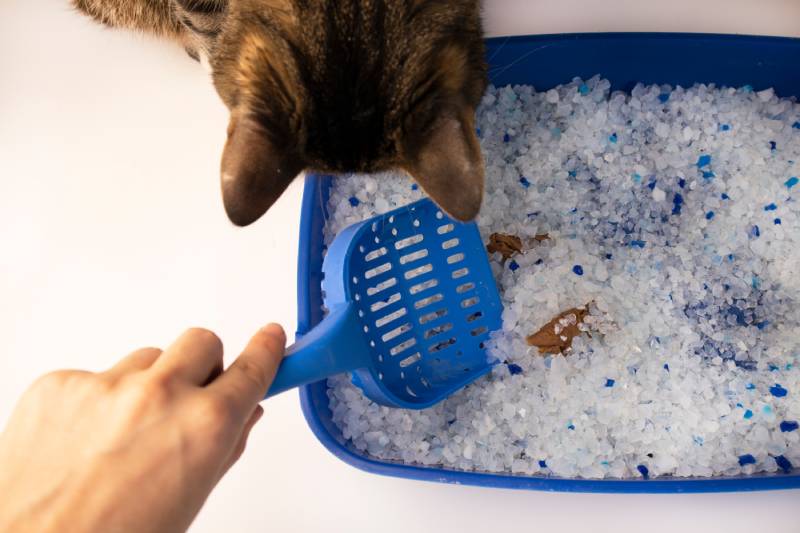
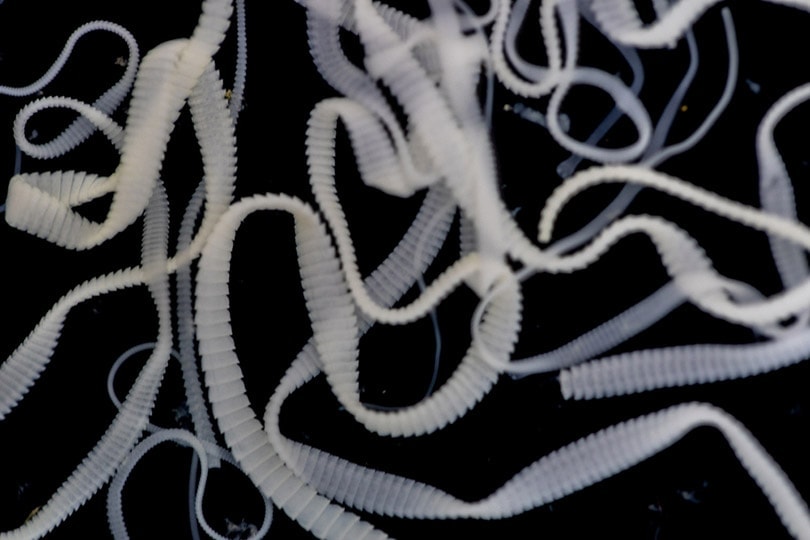
Tapeworms are one of the most common digestive parasites that cause scooting. These worms are big enough to see with your naked eye. Therefore, you can see white and cream-colored segments in your cat’s feces. If you notice scooting, you can go check out your cat’s litterbox. However, the size of the tapeworm can vary. Therefore, you may notice very small segments or larger ones.
You’ll need to take your cat to the vet for any parasites. Medication is needed to get rid of the parasites, and your vet must keep an eye on your cat while on treatment. Often, there are no complications. However, impactions and side effects can occur from the medication or parasite.
You should take a sample of your cat’s stool with your feline to the vet. Your veterinarian will likely ask for a sample if you think your cat may have parasites. Therefore, you can save time by taking the sample with you when you go.
2. Impacted Anal Sacs
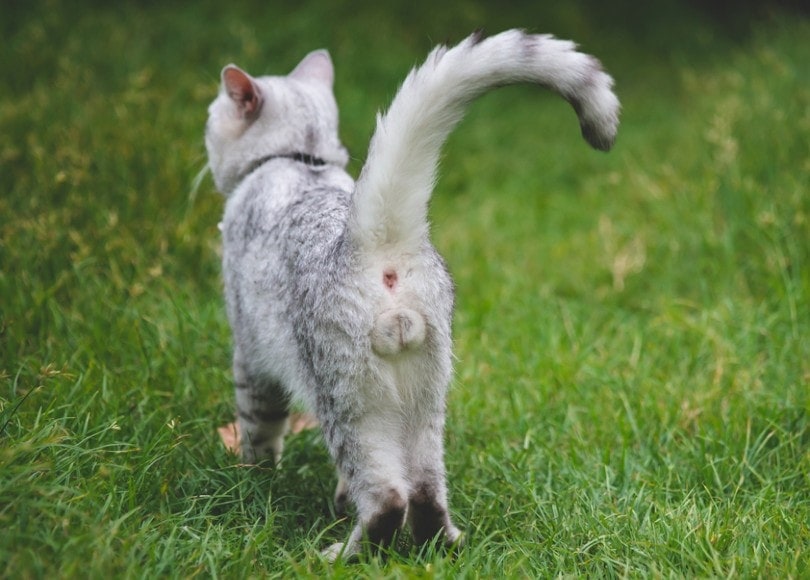
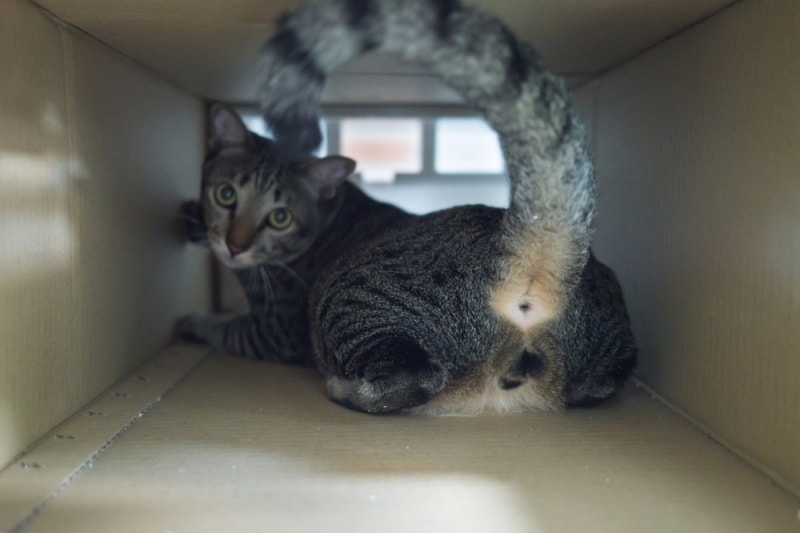
Cats have anal sacs on their bum. These hold a smelly, dark liquid that helps the cat mark territory and release pheromones. This liquid builds up in the anal sacs. However, when your cat poops, excess amounts of the liquid are released. Therefore, these sacs typically take care of themselves.
However, they can become clogged or impacted. This issue can occur for all sorts of different reasons. Something may become stuck in the sac, like cat litter, or the liquid may harden. Either way, impaction often causes the sacs to become itchy and irritated. Therefore, your cat may scoot, scratch, or even bite at their butt.
In serious cases, this impaction can lead to infection. Therefore, it is important to treat it early and avoid potential complications. In very serious cases, the anal sacs can rupture. This leads to the risk of the infection spreading.
While an itchy bum may not seem very serious, we recommend taking your cat to the vet if you think impaction may be the reason. The vet can release the clog, and the anal sac should work normally afterward.
3. Allergies
Allergies can affect cats in a variety of strange ways. However, it can make a cat scoot, though this rarely occurs. Often, environmental allergies are the cause of this irritation. Whatever your cat is sitting on may cause the allergy problem. For instance, some carpet cleaners can be the culprit.
In other cases, their food can be to blame. Usually, cats don’t have the allergic reactions to food that we have. Instead, the cat may become itchy and irritated. In these cases, you will need to change the cat’s food to something that doesn’t bother them. Usually, protein sources are the cause of irritation. So, if your cat eats chicken-based food, you may need to switch to something else.
Veterinary input can be helpful, as they often know alternative foods. However, it isn’t always necessary if you understand ingredient lists and how to read them.
Food allergies are far easier to avoid than environmental allergies in some cases. Switching food is easy. However, you can’t always switch your whole carpet. In some cases, allergies are just something your cat has to deal with. In other cases, your cat may be able to take medication to help reduce symptoms.
4. Stuck Stool
Occasionally, stool can harden and get stuck dry around the anal area, causing discomfort to your cat. This is not uncommon after a cat has suffered diarrhea.
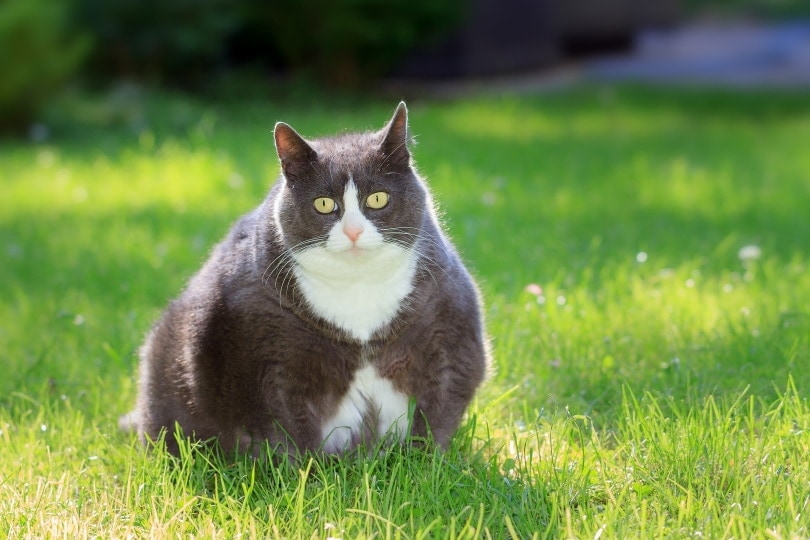
Long-haired cats are also especially susceptible to this problem. Cats that are backed up and suffering constipation can also present scooting behavior. Lastly, cats that are unable to fully groom themselves, such as overweight or arthritic cats, might also scoot in an attempt to remove any debris and dry feces from their perianal area.

Should I See the Vet?
You don’t always need to take your cat to the vet if they start scooting. However, you should look closely at their rear end to identify the potential problem. If you notice a foul odor, extreme redness, discharge, or an open wound, take your cat to the vet as quickly as possible.
If none of these things are present, your cat may need a little help grooming. Use a wet washcloth or a cat wipe to clean your cat’s bum gently. Then, watch your cat to see if the behavior continues.
If your cat continues to scoot after taking these steps, consider visiting the vet. It may be due to a parasite or clogged anal sac, which isn’t always obvious. Your vet can run tests and help determine the underlying cause.
How Is Scooting Treated?
Scooting doesn’t always require any treatment. In many cases, this behavior clears up on its own once the underlying cause has passed. However, there are some situations where your cat may need treatment. For instance, anal glands impaction, parasites, and infections all require veterinary treatment. Of course, the underlying cause will determine the course of treatment.
If your cat has parasites, your vet will provide a dewormer. Your cat may need to be put on regular preventive medication as well. If your cat got parasites once from their environment, the chances of them getting them again are higher. Therefore, we highly recommend keeping an eye on your cat for symptoms in the future.
Anal glands can be a bit more complicated. If it isn’t serious, the vet can often express them. Surgery is rarely required. However, it may be necessary if they don’t express themselves after the first few tries.
If the gland is ruptured, the vet will need to clean the area thoroughly. Sometimes, stitches are necessary to care for the tear. Most cats will be placed on antibiotics at this point. Infections can lead to ruptures, which require antibiotics. However, secondary infections can occur after ruptures, too, even if they weren’t the cause.
Allergies require a variety of different treatments. Often, the vet will recommend trying a new diet to determine if the food was the cause. You may be encouraged to change your home cleaning products. In other cases, medication may be necessary to make your cat as comfortable as possible.
In Summary
Cats scoot for many different reasons. If it happens once or twice, it probably is not anything to be concerned about. Cats scoot when they're itchy, and that itchiness can be completely benign. However, scooting may be linked to a more serious underlying condition on other occasions. In these cases, you may need to seek veterinary help.
Parasites, infections, and impactions can all cause scooting. These causes require medication and veterinary intervention. Otherwise, the problem can worsen. Luckily, these problems are rarely serious and can usually be treated with simple medication.
Featured Image Credit: You are free to use this image but we do require you to link back to Hepper.com for credit
Get Hepper In Your Inbox


Pet care tips from our vets and experts, straight to your inbox.
You may opt-out at any time. View our Privacy Policy for more information.
Kristin is passionate about helping pet parents create a fulfilling life with their pets by informing them on the latest scientific research and helping them choose the best products for their pets. She currently resides in Tennessee with four dogs, three cats, two fish, and a lizard, though she has dreams of owning chickens one-day!
Join the conversation
Ask a question, share your story, or send private feedback.