Hepper is reader-supported. When you buy via links on our site, we may earn an affiliate commission at no cost to you. Learn more.
Tapeworms in Cats: Vet Reviewed Causes, Signs & Treatments


In this article
Tapeworms are just one of many parasites that can affect cats, dogs, and other mammals, including people. It’s not uncommon for your pet to become infected. Up to 45% of cats end up as hosts for gastrointestinal parasites. After all, they exist all around us, making them hard to avoid. Fortunately, they are relatively easy to detect and treat.

What Are Tapeworms?
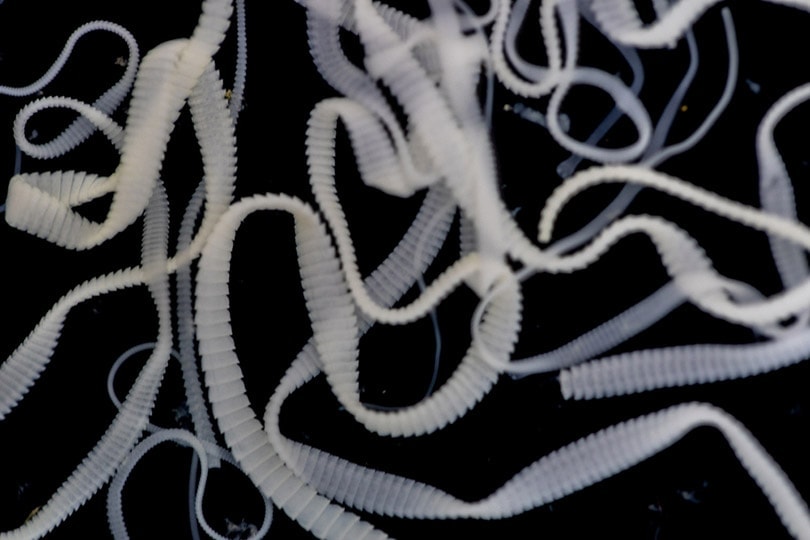
“Tapeworm” is a term used to describe a type of flatworm. While hundreds of species exist, only a handful present significant problems for cats. Some tapeworms are host-specific, meaning they only parasitize particular hosts. Others affect dogs and cats to varying degrees. The colloquial name refers to their segmented bodies which in cats and dogs can reach lengths of around 11 inches.
The parasite will reside in the small intestine of an infected animal, attaching itself with structures located on its head or scolex. They are primitive organisms that lack a gastrointestinal system, relying on nutrient absorption instead. Unfortunately, it comes at a cost to the unsuspecting host. Tapeworms can rob it of nourishment and increase the risk of complications. Taenia taeniaeformis and Dipylidium caninum are most common in cats.
What Are the Signs of Tapeworms?
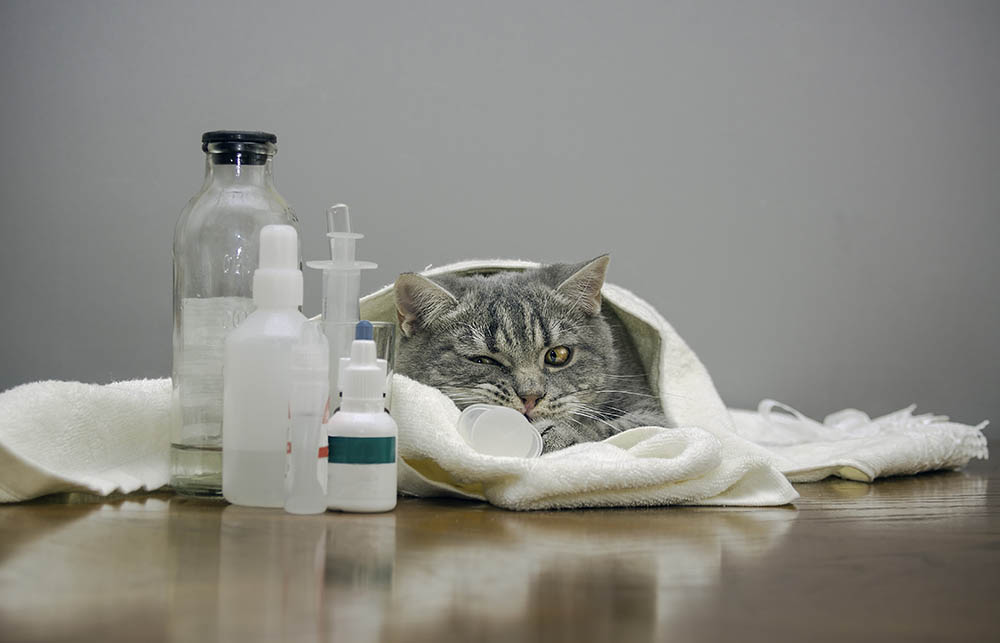
For better or worse, tapeworms don’t adversely affect most pets too much. The cats that are most likely to succumb to complications are kittens, seniors, and animals with pre-existing health conditions. Of course, the extent of the infestation can also affect an animal. However, you may not realize your cat has tapeworms until you spot the excreted segments or proglottids in your pet’s litter box or on its back end.
Severely affected animals can develop signs of compromised nutrition, such as a finicky appetite, poor coat condition, GI distress, and overall malaise. Seizures and intestinal blockages are rare complications. Many of these signs are non-diagnostic. Even the parasite’s eggs are often overlooked in fecal exams. Spotting the segments is a surefire sign of an infestation.
What Are the Causes of Tapeworms?
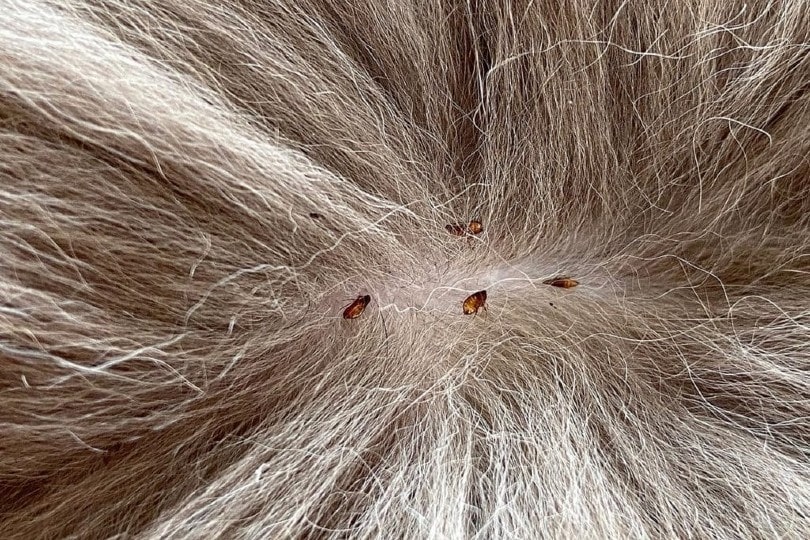
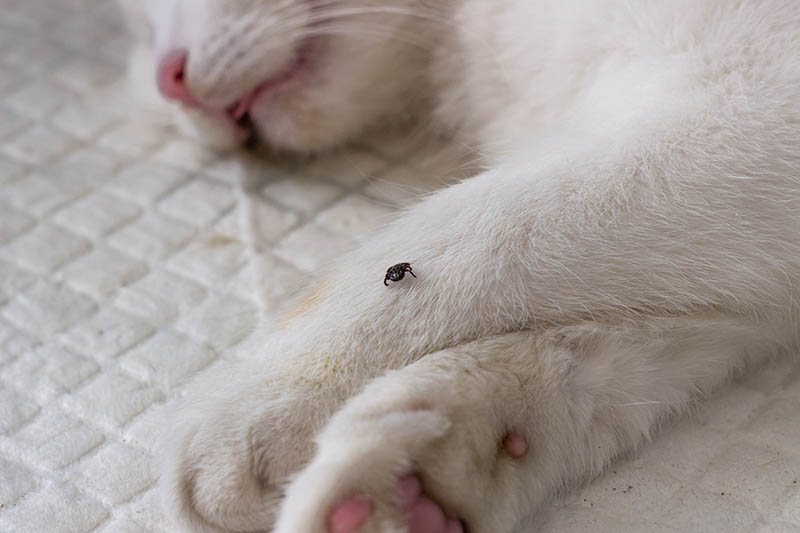
Cats get tapeworms inadvertently by ingesting the parasite’s intermediate hosts, like rodents or fleas. Dipylidium caninum is the most common tapeworm and often called the ‘flea tapeworm’. When cats ingest infected fleas during grooming the tapeworms hatch and go to the cat’s small intestine. The tapeworm larva is released into your pet’s intestine and then develops into an adult.
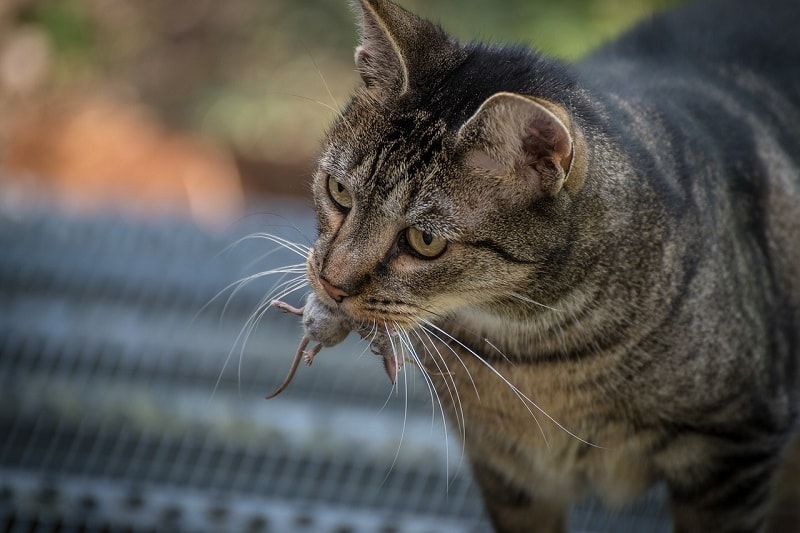
Taenia taeniaeformis uses rats, mice and other rodents as its intermediate host, all of which can be consumed if your cat is a hunter.
Another way your pet can get tapeworms is by eating undercooked meat. Of course, felines are obligate carnivores, with animal protein making up most of their diet. Nevertheless, it’s best to offer your cat a nutritionally complete and balanced commercial diet instead of a raw one. The FDA Center for Veterinary Medicine (CVM) cautions pet owners that they can transmit foodborne illnesses to their pets and themselves.
As certain tapeworms can cause issues for us humans it is important to practice good hygiene and regularly de-worm and flea treat your cat especially if they go outdoors. We recommend teaching your children to wash their hands after playing with their pets. That same precaution applies after cleaning the litter box.
How Do I Care for a Cat With Tapeworms?
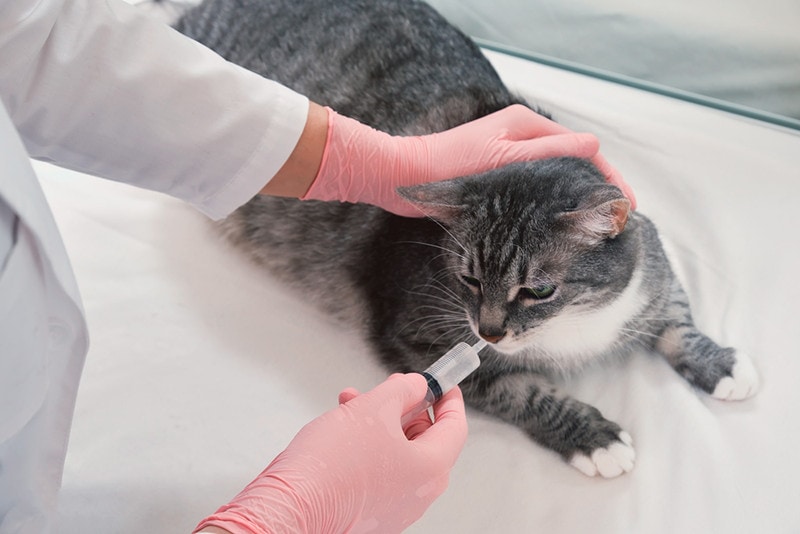
Fortunately treating tapeworms is relatively straightforward. The FDA has approved three drugs for treating tapeworm infestations in cats and dogs: epsiprantel, praziquantel, and fenbendazole. Your vet will use a particular one, depending on the tapeworm species, and advise you on the correct dosage.
Your role is to provide supportive care. Make sure your pet has plenty of clean water to drink and adequate food. Your vet may suggest an alternative diet for a few days for sensitive animals. If you have indoor-outdoor pets or farm cats, your vet may prescribe regular prophylactic treatment because of the high risk of reinfection.
Frequently Asked Questions
How Can I Prevent My Cat From Getting Tapeworms?
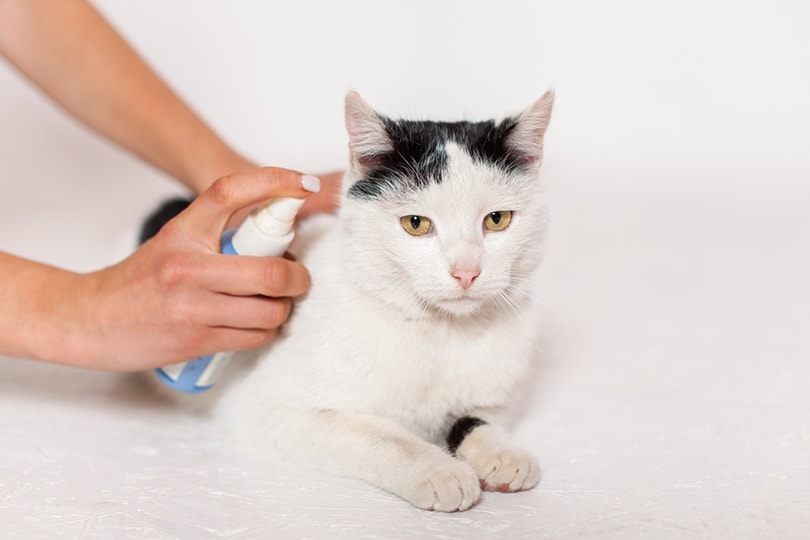
Keeping your cat indoors is one way to prevent tapeworms and other parasites, both internal and external, but this is often not possible or practical. We also suggest putting your cat on flea prevention, regardless of whether it is an indoor or outdoor pet. Of course, the latter are high-risk animals and it won’t hurt to ask about using one of the approved treatments regularly.
What Are the Risk Factors for Humans?
Good hygiene is your best prevention against contracting tapeworms or other health conditions. If your outdoor cat likes to bring home gifts, we suggest minimizing handling the dead animals while disposing of them promptly.
Conclusion
Fortunately, tapeworms are easy to get rid of once you spot the telltale evidence. Dealing with parasites is part of being a pet owner. Cats make it a bit tougher with their meticulous grooming habits and taste for rodents. However, routine preventative dewormers go a long way toward keeping your pet healthy and parasite-free. The same applies to regular veterinary care and testing.
Related Read: Botflies in Cats: Vet-Reviewed Causes, Signs & Treatment
Sources
Featured Image Credit: Rattiya Thongdumhyu, Shutterstock
Get Hepper In Your Inbox


Pet care tips from our vets and experts, straight to your inbox.
You may opt-out at any time. View our Privacy Policy for more information.
Chris is an experienced pet writer specializing in science topics, with a particular passion for health and the environment. She has been a writer for over 15 years and lives with her husband and three cats in Michigan.
Beyond writing about cats and dogs, Chris loves to learn about wine. She has WSET 1 and 2 certifications and is currently pursuing her Certified Wine Specialist Award (CSW).
Join the conversation
Ask a question, share your story, or send private feedback.