Hepper is reader-supported. When you buy via links on our site, we may earn an affiliate commission at no cost to you. Learn more.
Why Is My Dog’s Tongue Hot? Vet-Approved Facts & When to Worry


In this article
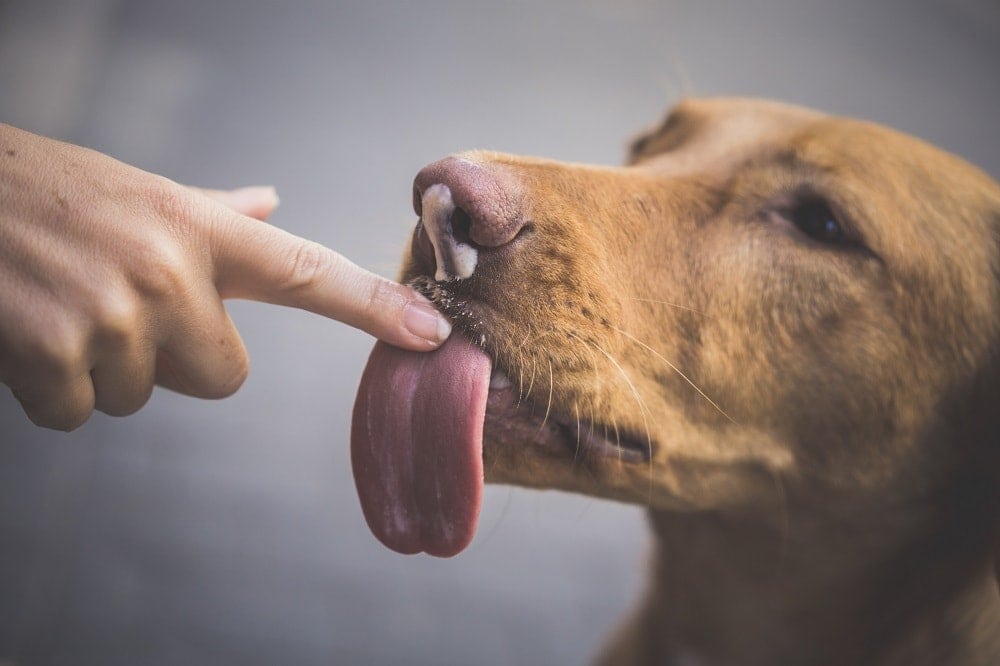
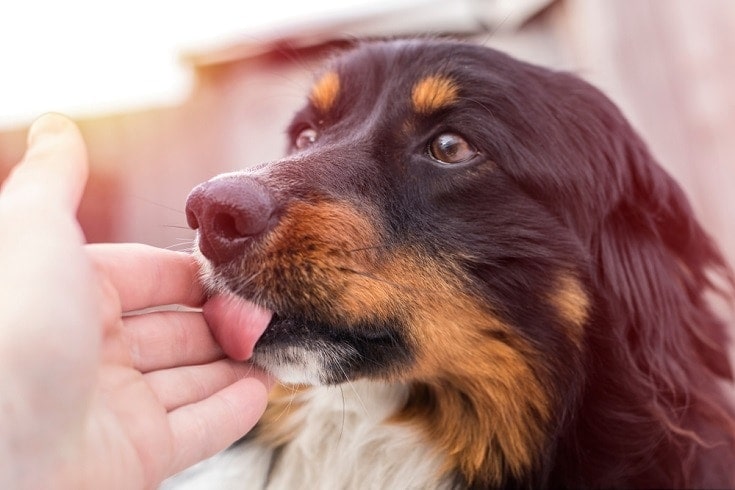
Dogs have unique tongues that they use for various everyday functions aside from tasting and drinking water. They rely on their tongue for important activities such as thermoregulation, communication, and even grooming. Furthermore, many dogs will use their tongues to lick their owners to express affection or excitement. This is fondly referred to as “doggy kisses.”
While you are being licked by your dog or perhaps touching their tongue during an at-home health check, you might find that their tongue feels hot. This could raise certain concerning questions, but this article will help put your mind at ease.

Is It Normal for a Dog's Tongue to Be Hot?
Yes, it is generally normal for a dog’s tongue to feel slightly hot, especially on a hot day or after exercise. According to experts at PetMD, dogs have a higher core body temperature than us. A dog’s core body temperature is around 101° to 102.5° Fahrenheit, typically a few degrees more than humans. This can explain why their tongues can feel hot to the touch and are often warmer than ours.
A dog’s tongue can also feel hot after exercise or exertion. This can make their tongue feel warmer than usual for a short while until your dog cools down again.

When Is It a Cause for Concern?
Although a hot tongue is usually not a cause for concern for dogs, it might be an indication of an underlying health problem that requires urgent veterinary treatment.
1. Heatstroke
Heatstroke is a serious condition that can affect your dog’s core body temperature, and therefore their tongue's temperature. Dogs have heatstroke when their body temperature exceeds the normal range. Dogs can suffer from heatstroke for several reasons, including strenuous activity at hot temperatures or from being kept in a hot area with poor ventilation.
If your dog’s surrounding environment is too hot for them to cool down in, heatstroke is a risk. Heatstroke is dangerous for dogs and requires immediate action. If you suspect your dog is suffering from heatstroke, it is an urgent situation that requires veterinary guidance and generally prompt intervention to prevent potentially severe consequences.
Signs your dog might have heatstroke:
2. Fever

A dog will have a fever when their core body temperature is above their normal body temperature. Their fever might be caused by certain infections, inflammation, or from poisons. Although you cannot accurately tell whether a dog has a fever just by touching their skin or tongue, you might notice that their tongue feels hotter than usual. Aside from high core body temperatures, feverish dogs might be lethargic, shivering, and refuse food. You will need to take your dog to a veterinarian who can assess the situation and provide appropriate treatments.
3. Topical Reactions
Dogs can suffer from topical reactions which may affect the way their tongue looks and feels. A dog’s tongue might swell after they lick certain poisons or chemicals that irritate their tongue's delicate mucous membranes. Insect bites or stings may also cause similar reactions to your dog’s tongue.
A swollen and abnormally hot tongue should be treated as a medical emergency in dogs. You will need to seek urgent medical guidance from their veterinarian if you notice this occurring.

Frequently Asked Questions
Can dogs burn their tongues?
Just like humans, dogs can burn their tongues. Dogs can burn their tongues by eating hot food, drinking hot water, and even chewing on burning charcoal or firewood. A burnt tongue is equally painful and uncomfortable for dogs as it is for humans. The severity of the burns will depend on how hot the liquid or item was when it contacted your dog's tongue.
It is important to only offer your dog room temperature food and water while allowing any recently heated foods to cool down before feeding them. Never leave hot drinks or soups within your dog’s reach. Seek immediate veterinary attention if you think your dog has burned their tongue and has a change in appetite, seems painful, is drooling, pawing at their face or is otherwise acting unusually.
Can you place ice on your dog’s tongue?
You should avoid applying ice directly to your dog’s tongue to cool it down, unless directed to do so by a veterinary professional. Likely a dog will not allow this, and you also risk getting bitten. There is also the risk of damaging the tissues further, from the application of cold ice, which can lead to freezing of otherwise healthy cells. However, there is generally little harm in adding a few ice blocks or a frozen water bottle to your dog’s water to keep it cool on a hot day.
Conclusion
Dogs normally have a hotter tongue than humans, which can easily be felt when they lick you. Their tongue may feel hotter than usual after exercise or a warm summer day, and it is rarely a cause for concern if they are otherwise acting normally. However, some of the more concerning reasons include fevers or heat stroke that require medical attention.
See also:
Why Is My Dog’s Tongue Red? Vet-Reviewed Causes & Prevention Tips
Why Do Dogs Stick Their Tongue Out? 8 Vet-Approved Possible Reasons
Sources
Featured Image Credit: Dragonna, Shutterstock
Get Hepper In Your Inbox


Pet care tips from our vets and experts, straight to your inbox.
You may opt-out at any time. View our Privacy Policy for more information.
Sarah is residing in South Africa with her partner and pets. She currently is interested in veterinary science and ichthyology, which she wants to study alongside her main passion: pet content writing. Sarah has over 60 fish including goldfish, tropicals, shrimp, and snails. She also keeps hamsters and a tarantula and wishes to provide quality content for readers and allow others to learn from her knowledge and experience. Sarah has much experience in all aspects of pet care, and providing the world with knowledge on ethical pet ownership is her lifelong dream.
Join the conversation
Ask a question, share your story, or send private feedback.