Hepper is reader-supported. When you buy via links on our site, we may earn an affiliate commission at no cost to you. Learn more.
Why Is My Dog’s Tongue Red? Vet-Reviewed Causes & Prevention Tips


In this article
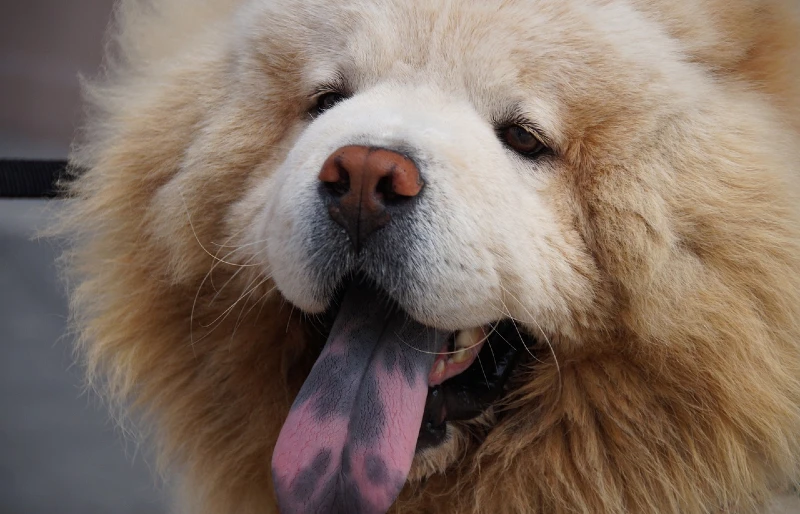
In most cases, healthy dogs’ tongues are pink in color. Some breeds, like Chow Chows and Shar-Peis, are exceptions to this rule with their bluish-black tongues. This is a normal characteristic of these breeds.
When a dog’s tongue takes on another color, like bright red, this can be indicative of a potentially serious health problem, including overheating, dehydration, inflammation, injury, and others. In this post, we’ll discuss the potential health issues that can cause a dog’s tongue to redden.

What Causes a Red Tongue in Dogs?
The potential causes of a red tongue in dogs are varied and, sometimes, can be serious, so it’s always a good idea to be vigilant to changes in your dog’s tongue, gum, or mouth color. Possible causes include:
1. Overheating
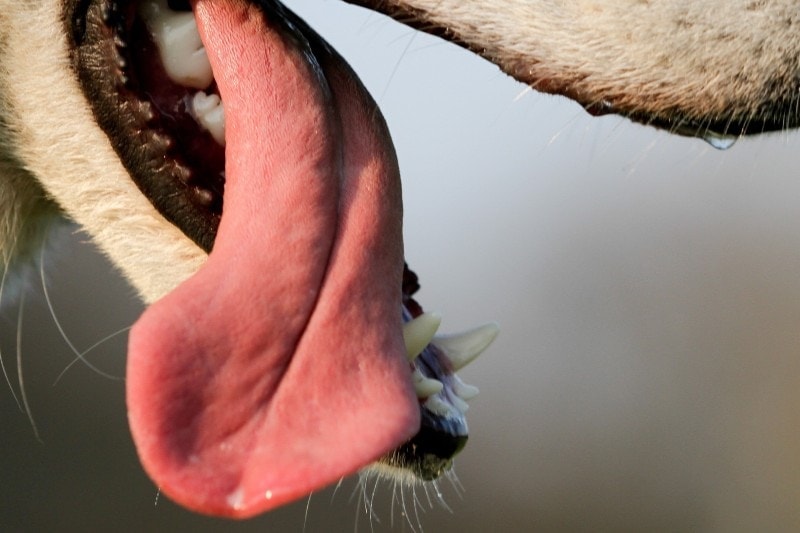
A dog’s main way of cooling themselves is by panting, where the movement of air in and out causes evaporation of moisture in the mouth and upper respiratory tract. This cools similar to sweating but on the inside of the body. When dogs get hot, blood flow to the tongue may increase to increase cooling mechanisms. This may also cause it to turn red or a darker pink.
Overheating can vary in severity. Dogs experiencing mild overheating will pant heavily and seem tired and reluctant to play because their respiratory system is trying to cool them down.
On the other hand, dogs experiencing heatstroke—a very serious form of overheating—display several worrying signs, including:
- Excessive panting
- Red, blue, or purple tongue and gums
- Vomiting and/or diarrhea (sometimes with blood)
- Collapsing
- Disorientation
If you think your dog might be experiencing heatstroke, they need to be seen by a vet without delay. Put cool towels on your dog and turn on the air conditioning in the car on the way to the vet. Do not give ice cubes or frozen treats to dogs with heatstroke.
If your dog needs to be cooled down due to mild overheating, you can splash cool (never freezing—this can cause shock) water on your dog’s body, focusing especially on the paws, belly, neck, and armpits. They should not be placed in a bath of cool water but rather under freely running water, such as a hand shower or garden hose. This prevents their body heat from warming the water and reducing the cooling effect. Alternatively, you can apply cool towels, these should be changed regularly to prevent them from trapping heat. Move your dog to a room with air conditioning or a fan, and offer cool water to drink.
2. Infection or Illness
An infection can lead to a red tongue for many reasons. First of all, an infection or inflammation in the mouth can cause redness to the tongue and gums, as well as bad breath, difficulty eating, and bleeding.
An infection in other areas of the body can lead to a fever, which may in turn cause a red tongue for similar reasons to overheating-the body is trying to cool down. A widespread infection, or sepsis, may create a red tongue due to changes in the circulatory system. Sepsis is an emergency situation and should be seen by a veterinarian immediately. Other signs to look for are lethargy, not eating, vomiting, diarrhea, weakness, or trembling.
3. Dehydration
A red tongue may be a sign that your dog is dehydrated, which happens when dogs aren’t drinking enough water, either due to lack of availability or illness, or are losing water faster than they can take it in. This happens with illnesses that cause persistent vomiting or diarrhea. Other signs of dehydration include:
- Skin tenting (when you grasp the skin on the neck and then let go, the skin stays tented rather than sliding quickly back into position)
- Vomiting
- Sunken eyes
- Lethargy
- Panting
- Dry nose
- Dry, sticky gums
If they’re showing any of the signs mentioned above and/or are refusing to drink, please contact a vet immediately.
4. Stomatitis
Stomatitis is the inflammation of the tongue, lips, and mouth tissues. Stomatitis can be quite painful, so some dogs with the condition will refuse to eat or display decreased appetite. If your dog is showing signs of inflammation in the mouth, get in touch with a vet to ensure they get prompt treatment.

5. Glossitis
Glossitis occurs when the tongue becomes inflamed as a result of irritation by a foreign body, injury, infection, chemicals, insect stings, or electrical burns. If your dog has glossitis, you may spot swelling, redness, and/or sores on the tongue. In chronic cases, there may be brown, thick, smelly discharge. Please contact your vet if you spot any of these signs.
6. Carbon Monoxide Poisoning
Carbon monoxide is a toxic gas that is produced from burning fuels, such as in car engines, propane or kerosene heaters, stoves, or other heating systems. Without proper ventilation, dogs, and humans, can inhale dangerous amounts of carbon monoxide, which reduces the blood’s ability to carry oxygen. If severe, this can effectively “starve” tissues, most importantly the brain or heart, of necessary oxygen. Prolonged exposure to carbon monoxide can result in death. Most cases of carbon monoxide poisoning in dogs occur because dogs become trapped in enclosed areas with running cars, poorly functioning heating units, or house fires.
Carbon monoxide poisoning can result in bright red mucous membranes, including the tongue, gums, nostrils, and ears, lethargy, weakness, incoordination, and difficulty breathing. If you believe your dog has been exposed to unsafe amounts of carbon monoxide, move them to fresh air and immediately see your veterinarian.


Is It Normal for a Dog’s Mouth to Be Red?
The normal color of a dog’s gums and tongue is typically pink (the shade of pink may vary somewhat from dog to dog) unless it’s a breed known for having a blue-black tongue. Some parts of the tongue might be darker than others due to pigmentation, which is normal.
Red isn’t considered to be a “normal” tongue color because it’s often a sign of a health issue or some kind of injury. Changes to the color of your dog’s tongue, gums, or other areas of the mouth should always be taken seriously.

Final Thoughts
Since most of the causes of reddening of the tongue in dogs can be serious, it’s best to err on the side of caution and get your dog checked out by a vet. Some causes can even be an emergency, where veterinary attention is needed immediately. So, if your dog’s tongue color changes in any way or they’re showing signs of illness, consult a vet.
Sources
Featured Image Credit: Rolf Dobberstein, Pixabay
Get Hepper In Your Inbox


Pet care tips from our vets and experts, straight to your inbox.
You may opt-out at any time. View our Privacy Policy for more information.
Kit Copson is a freelance writer and lifelong animal lover with a strong interest in animal care. She has parented various furry beings over the years and is currently a proud cat mom of two—one skittish but adorable Domestic Shorthair and very chilled (unless hungry) Siamese and a —and dog mom of one—an adopted Bichon Poodle cross. When not writing about or spending time with pets, Kit can be found doodling in her sketchpad, reading, or more often than not, drinking tea.
Join the conversation
Ask a question, share your story, or send private feedback.