Hepper is reader-supported. When you buy via links on our site, we may earn an affiliate commission at no cost to you. Learn more.
Why Do Puppies Get Hiccups? 5 Vet-Reviewed Reasons & FAQ


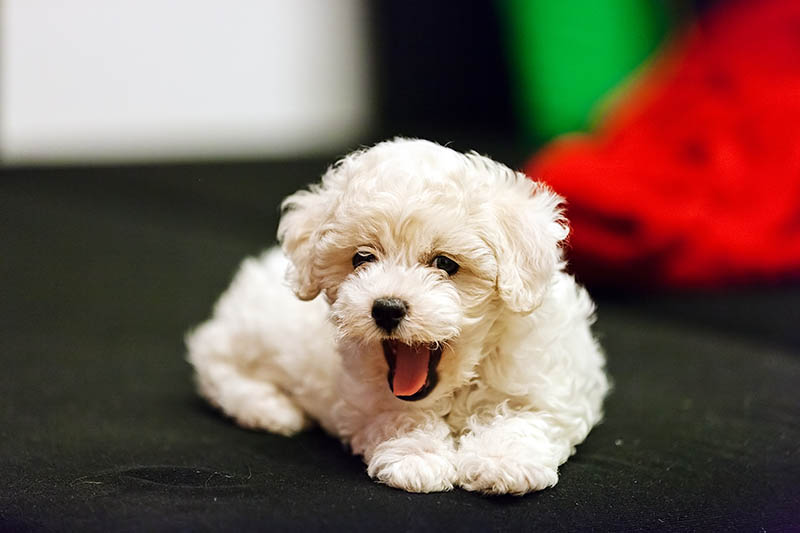
Believe it or not, dogs and puppies get hiccups just like people, and diaphragmatic contractions cause them. The diaphragm is a muscle between your dog's chest and abdomen, and it's used primarily to draw breath in and out of the lungs. The diaphragm becomes smaller during in-breaths and expands during exhalation. The process usually unfolds smoothly, but hiccups occur during a diaphragmatic spasm.
Puppies can't control hiccups once they get started, and the spasms often involve the vocal cords, causing the characteristic "hic" part of the hiccups. Puppies can hiccup several times per minute. There's no real scientific consensus definitively explaining what causes the problem, but puppies experience hiccups more often than adult dogs. Several animals, including horses, rabbits, and cats, exhibit the reflex. Read on for five reasons why puppies get hiccups.

The 5 Typical Reasons Puppies Get Hiccups
1. Air
Dogs and puppies most likely get hiccups because they've swallowed too much air, but the precise mechanism driving the spasms remains undetermined. Several activities may contribute to the accumulation of air in pets' digestive tracts that appears to lead to the development of hiccups, including eating too fast and simply getting excited during playtime. While not ideal, it's not unheard of for puppies to hiccup for short periods every day.

2. Speed Eating
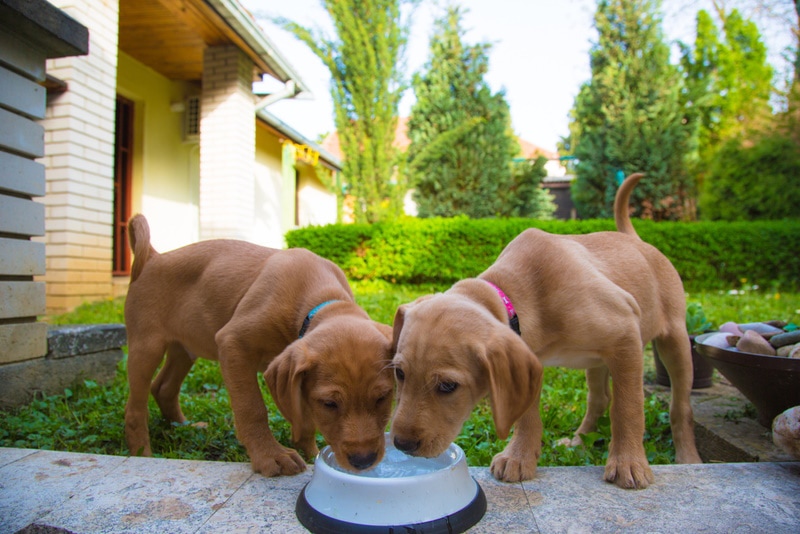
Puppies often end up with hiccups because they've gobbled their food, increasing the air introduced to their gastrointestinal systems. Slowing your puppy down during mealtimes often helps reduce hiccupping. Giving them multiple small servings minimizes the food your pet's stomach has to deal with. Consider investing in a slow feeder to encourage your puppy to linger over their meals a bit longer. Drinking water too fast can also cause problems.
3. Excitement
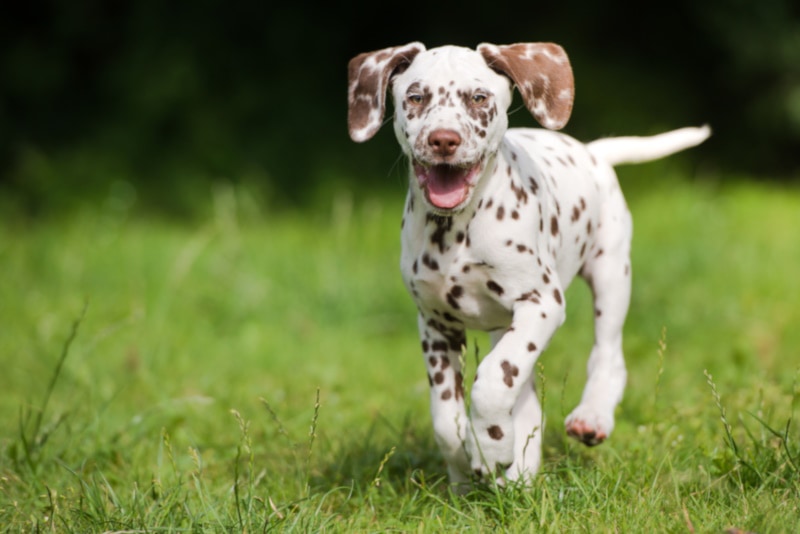
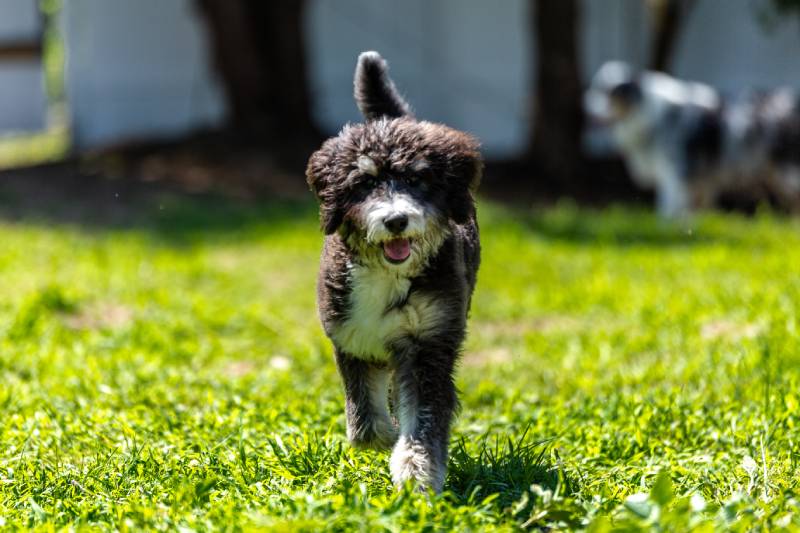
Hiccups are most likely related to air ingestion, and puppies are more active and excitable than adult dogs, sometimes leading them to develop hiccups more frequently than grown pets. Making sure that puppies get enough exercise and mental stimulation often reduces the tendency to develop hiccups since physical activity provides a controlled outlet for their excitement and excess energy.
Check with your veterinarian to ensure you're providing your puppy with the right amount and type of exercise. Remember that some large breed puppies can't handle too much high-impact activity while growing and that while puppies need physical activity, it's critical to avoid overstressing your pet's growing body by going on long hikes and runs until they’re fully developed. Give your pet at least an hour to digest their food before taking them for walks or engaging in other physical activities.
4. Muscle Weakness
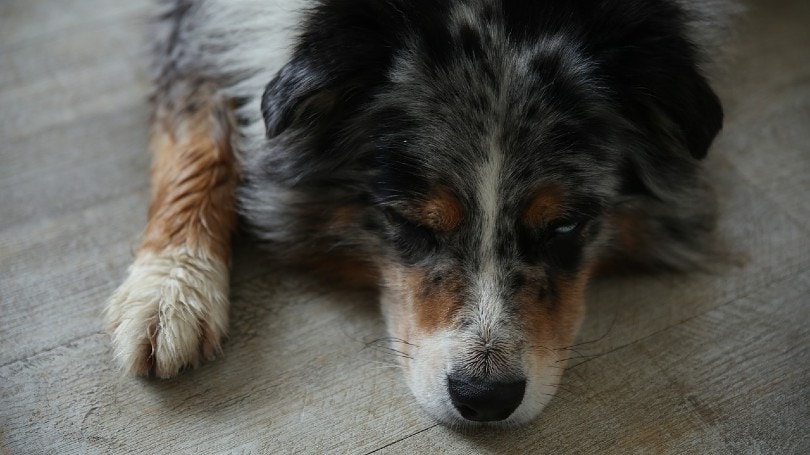
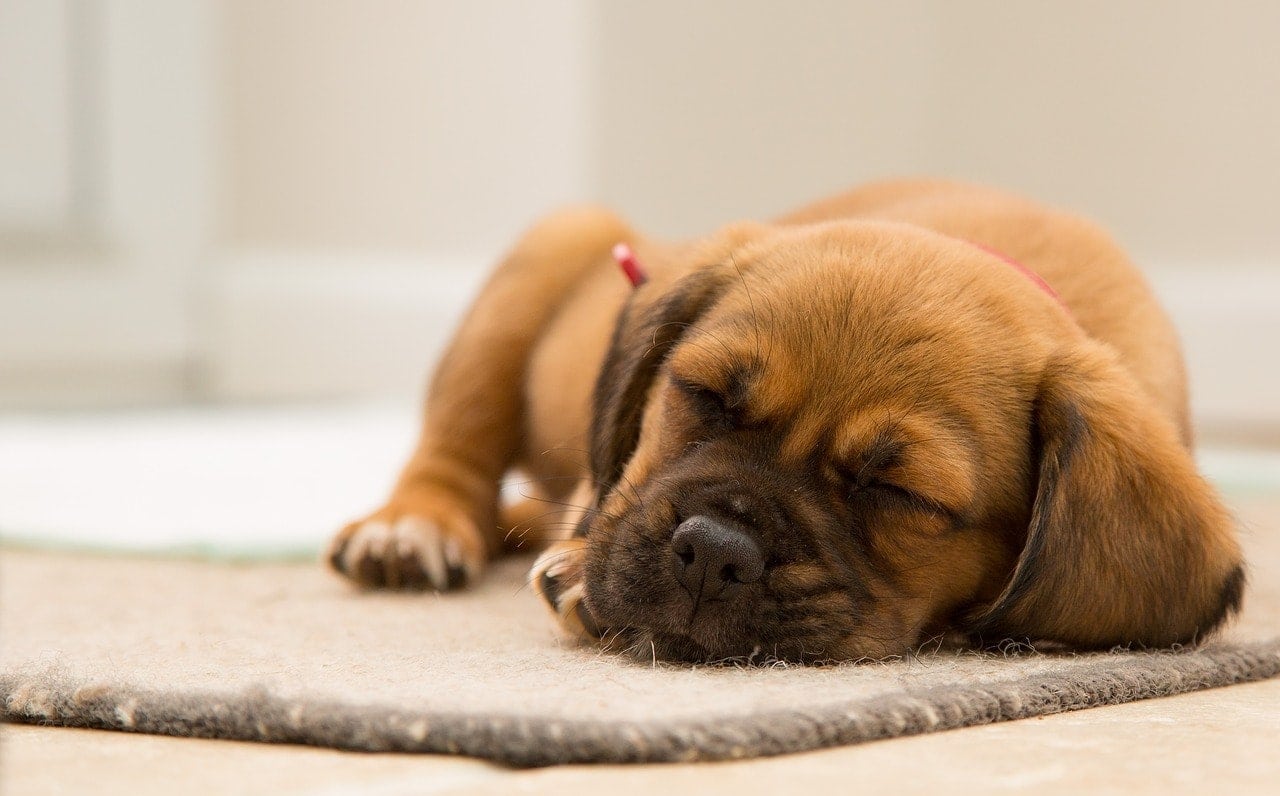
Puppies are still growing and developing. Just like human children, their muscles aren't quite as strong as they eventually will be. This muscle weakness may contribute to the ease with which puppies develop hiccups. Their muscles may simply be spasming out of fatigue. Puppies may be more inclined to hiccup when tired and needing a nap.
They require far more rest than adult dogs, as they need the energy to grow and develop. Most puppies require anywhere from 18 to 20 hours of daily sleep. Check with your veterinarian if your pet starts sleeping more than usual or exhibits other signs of illness, such as fatigue or lack of appetite.
5. Stress
Stress may also cause hiccups. When puppies become anxious or overstimulated, their heart rates and stress hormone levels increase, which can stimulate the diaphragm. Stressed-out puppies tend to take fast, shallow breaths. Most are bundles of energy that can become excited by just about anything. They're more inclined to become incredibly enthusiastic than older dogs who've settled down somewhat. This tendency towards becoming overstimulated may explain why puppies end up with hiccups more often than adult dogs.


When Should I Be Concerned About My Puppy's Hiccups?
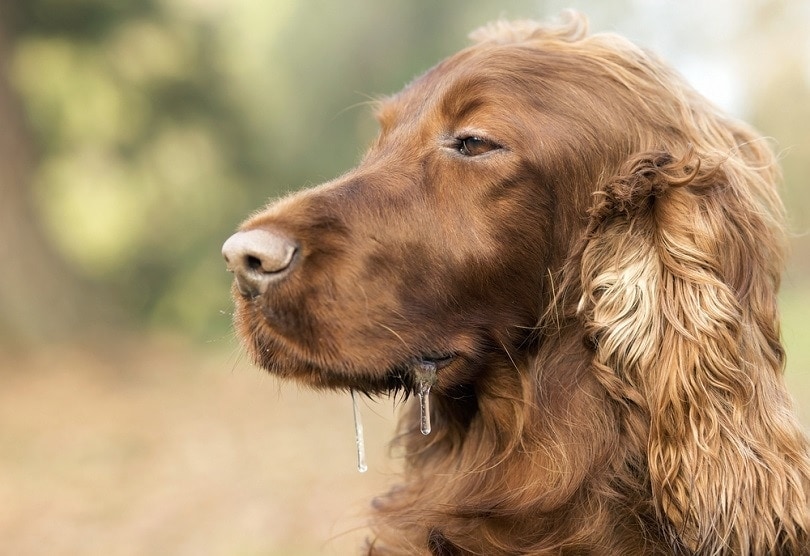
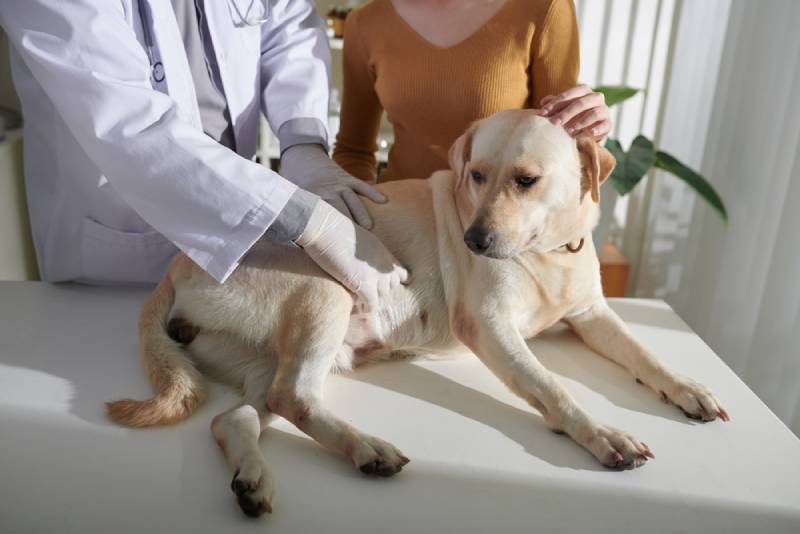
Reach out to your veterinarian if your puppy's hiccups last over an hour or if you observe other signs of illness, such as lethargy, drooling, or coughing. Contact your veterinarian immediately if your puppy starts having trouble breathing or is in pain.
Most of the time, hiccups aren't anything to worry about, but the condition can be a sign of heart problems or an indication that your puppy has eaten a foreign object. Contact your veterinarian immediately if you suspect your puppy has swallowed something like a button or shoelace that could cause a dangerous digestive tract obstruction.
How Can I Help My Puppy When They Have Hiccups?
Most instances of puppy hiccups are relatively short and resolve on their own. Stimulating puppies' swallowing reflex often puts an end to the spasms. Water with a bit of honey sometimes calms pets enough to ease their hiccups. Make sure only to give them a small amount to prevent them from drinking too much, which can contribute to the problem. Tummy rubs and chest massages also sometimes help, and walks can help puppies regain control over their breathing.
Conclusion
Dogs, puppies, humans, and cats can experience hiccups. Most instances appear to be linked to ingesting too much air, often because of excitement, stress, or simply eating too quickly. Because of their excitability, puppies hiccup more frequently than adult dogs. Most of the time, hiccups are short-lived and go away independently. Giving your dog a sip of water or a tummy rub may help relax your buddy, which often eliminates the problem.
Related Read: Can Dogs Get Hiccups? Causes & Prevention
Sources
Featured Image Credit: Vladimir Nenezic, Shutterstock
Get Hepper In Your Inbox


Pet care tips from our vets and experts, straight to your inbox.
You may opt-out at any time. View our Privacy Policy for more information.
Lorre Luther a reformed lawyer from the United States, she moved to the Netherlands to follow her dream and become a writer. Currently living in Rotterdam, Lorre enjoys traveling and reveling in the astonishing beauty of our planet. As an animal lover, Lorre is convinced that cats are smarter than humans.
Join the conversation
Ask a question, share your story, or send private feedback.