Hepper is reader-supported. When you buy via links on our site, we may earn an affiliate commission at no cost to you. Learn more.
Why You Shouldn’t Spray Your Cat With Water: Vet-Approved Reasons & Alternatives


In this article
Cat ownership comes with many trials and tribulations. Alongside all the cuddles and cheerful meows when you get home from work, there’s also the unwanted behaviors and pet-related messes. Teaching your cat how to behave in the house is one of the hardest and most time-consuming things that you need to do as a pet parent.
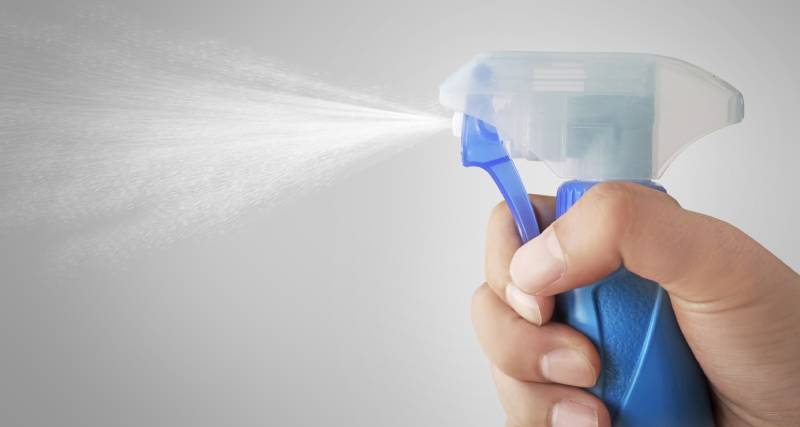
This is why many people rely on shortcuts, such as using a spray bottle full of water, to get a response from your cat. If you don’t want them on the couch, give them a spritz of water, and they’ll jump right off. It’s a simple solution, right?
Unfortunately, spraying your cat with water isn’t a good training method, it causes stress and anxiety for your pet and it can also damage the trust that you’ve built with them. It’s important to remember that many of these undesirable behaviors are normal for your cat, and they need to be given an acceptable outlet to express them rather than just trying to eliminate them. This guide will explore why cat owners use spray bottles and why it’s not a good idea. Also included are alternative ways to train your wayward feline.

Why Do People Spray Their Cats With Water?
Training takes a great deal of time and patience, and shortcuts are often seen as a way of saving time while still getting results. The simplicity of using water is why so many cat owners keep a spray bottle handy when they’re at home with their cats. It gets an immediate response, so it automatically becomes an effective measure against misbehavior. However, the reality isn’t quite that simple. Despite its popularity, using a spray bottle as a punishment is one of the most controversial ways of training your cat.
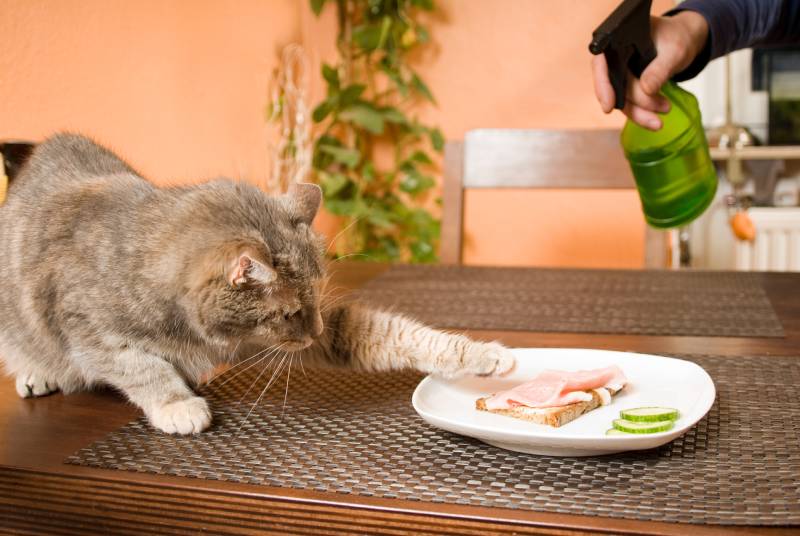
Why Shouldn’t You Spray Your Cat With Water?
Spraying your cat with water might seem like a quick and easy solution to disciplining your cat, but it has more downsides than positives. While it does invoke a reaction and doesn’t physically hurt your cat, as a training aid or a deterrent, it is not the best option available.
Here are a few of the reasons that it’s not a good idea.
1. Damages Trust
Our bond with our pets is difficult to build but incredibly easy to damage or break. The trust that your cat puts in you is something that should be treasured and nurtured so it stays strong. When you punish your cat, you can inadvertently damage this bond. They won’t understand that you’re telling them not to climb the curtain; they’ll just see you and the offending spray bottle as a threat.
Unfortunately, the more times you spray them, the more they’ll associate you with punishment. Sooner or later, they’ll prefer to spend their time well out of your way so they don’t get punished.
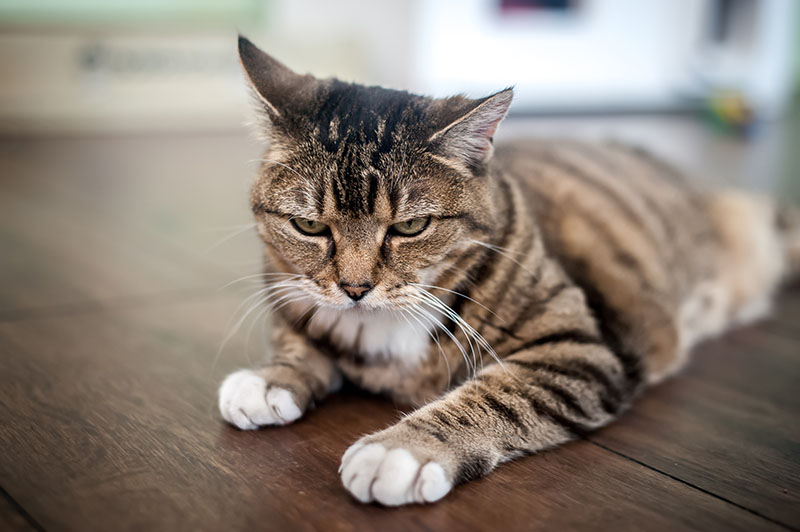
2. Increases Anxiety
The fact that cats don’t like water is one of the reasons that has led people to grab the spray bottle when cats exhibit undeserved behavior. However, this dislike can result in the spray bottle being a source of anxiety or stress.
Once they’ve learned that the spray bottle is a punishment, they’ll be anxious or fearful whenever you grab it. The problem is that they won’t understand why they’re being punished. There will be an increase in their overall stress levels and a stressed cat is likely to develop more undesirable behaviors. They also won’t be able to distinguish between a spray bottle filled with water or a spray bottle filled with flea treatment or another medication and may just run away whenever they see one.
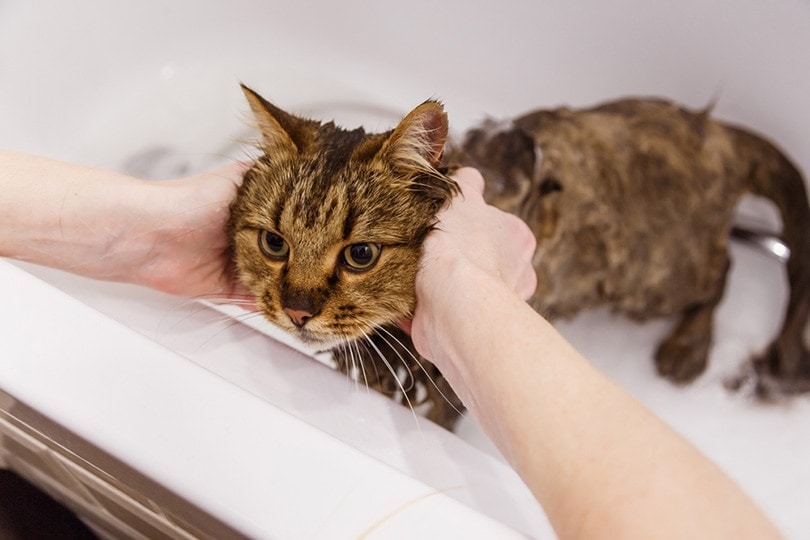
Being sprayed with water as a punishment can even make your cat wary around all water sources for fear of being sprayed. This is particularly true if you frequently catch them off-guard when you spray them.
3. Is Ineffective
Despite popular belief, a spray bottle full of water is not a good way to train your cat. It might make your cat run away as soon as you grab the bottle if they’ve been sprayed a few times, but that’s all it does.
There’s no way for your cat to associate being sprayed with water with jumping up on the counter, scratching the couch, or exhibiting another unwanted behavior. All they’re likely to do is repeat the behavior when you’re not there to punish them. It doesn’t redirect their attention to more appropriate behavior; it just teaches them to hide whenever you grab the spray bottle.
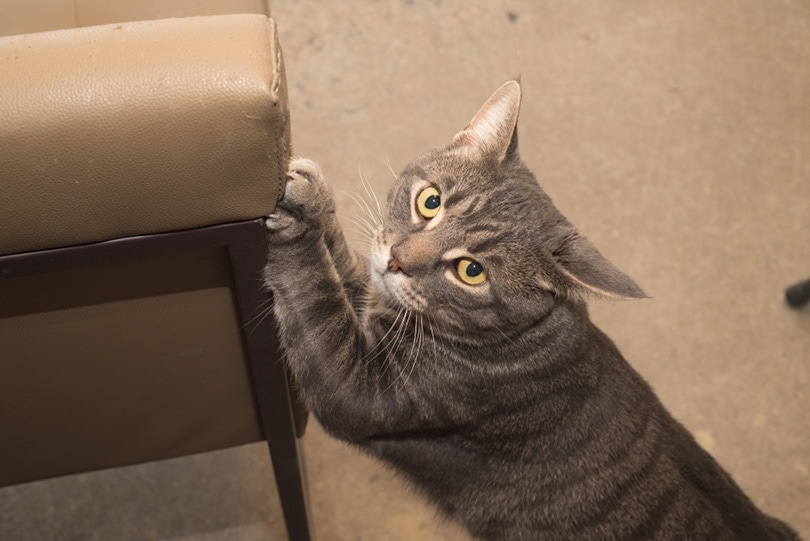
Spraying water also doesn’t treat the cause of your cat’s behavior. If they’re scratching the couch because they don’t have enough scratching posts or are bored, spraying them with water won’t help. They’ll still need to scratch something, and if they don’t have something more appropriate to scratch, they’ll use whatever they come across.
To effectively train your cat, you need to figure out what they’re trying to accomplish and provide a more appropriate solution for them to reach their goal. If you want them to stop jumping on the counter, for example, try providing them with a cat perch where they can watch you work without climbing on the worktop.
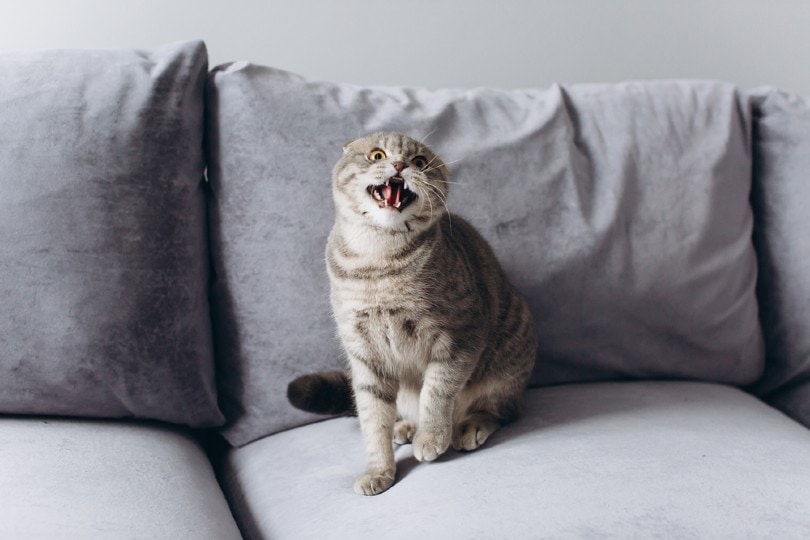
How to Stop Unwanted Behavior in Cats
All pets, no matter the species, will get into trouble at some point. Many people believe that cats can’t be trained, but this isn’t true. You might not be able to convince your cat to do quite as many interesting tricks as a dog, but you can teach them the proper way to behave in your home.
There’s also no need to use a spray bottle of water at all; you just need to make sure your cat can express their normal behaviors in an appropriate way, be patient and consistent and make sure you have plenty of treats to hand! Here are a few tips to help you get started.
1. Determine the Trigger
You might not understand why your cat gets into so much trouble, but there’s always a reason or a need for the behavior that they show. They don’t see the world the same way that we do and they don’t understand that they’re not supposed to be walking all over the countertop. All they want to do is sit somewhere high so they can watch over everything.
By figuring out why your cat is doing things that they shouldn’t, you can target the cause and redirect their behavior to more appropriate solutions. Jumping up onto the kitchen worktop, for example, can be remedied by providing higher perches and praising your cat when they use them.
Sometimes a trip to the vet might be necessary too, especially if there is a sudden change in your cat’s behavior. They can help you rule out any health-related causes of your cat’s behavior.
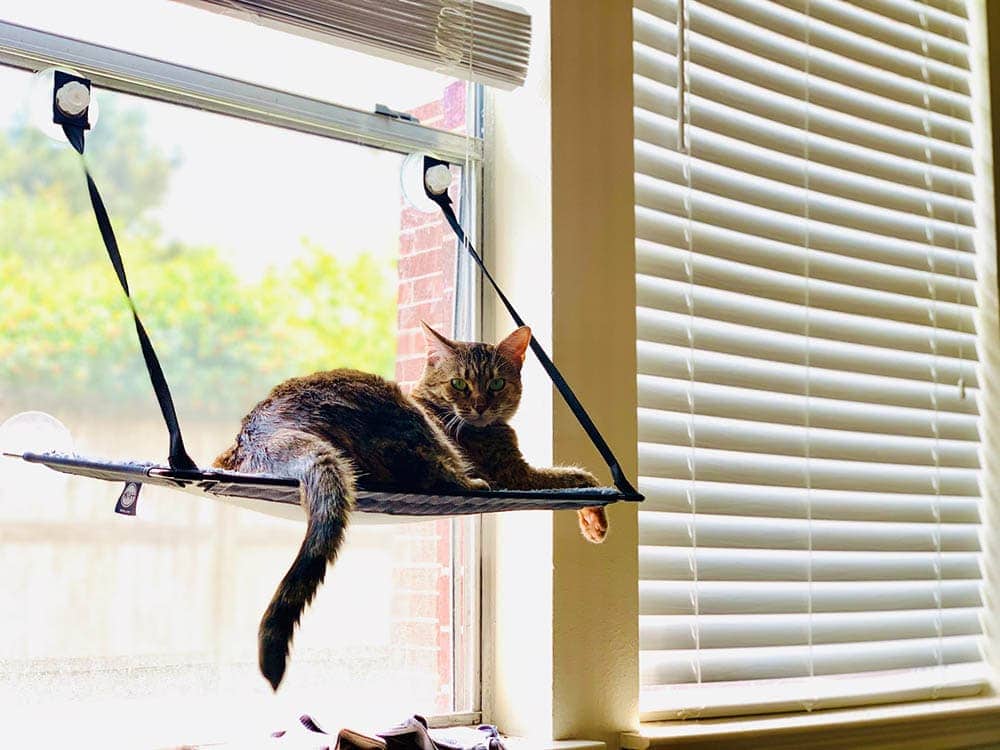
2. Provide Activities
Boredom is a big motivator when it comes to mischief and misbehavior. If your cat doesn’t have enough to do, they’ll just amuse themselves. Some cats will even get into trouble simply because it’s a way of getting your attention if they’re feeling neglected.
Always make sure your cat has plenty of things to do around the house. Cat trees and scratching posts are essential, but you should also include a range of different toys for them to play with. Remember to play with them yourself! Your cat can amuse themselves most of the time, but you should still grab that feather wand toy and wave it around for your cat to chase.
3. Redirect Them
Don’t punish your cat when they do something wrong. Instead, gently interrupt the behavior and say “no” firmly before redirecting their attention to the appropriate target.
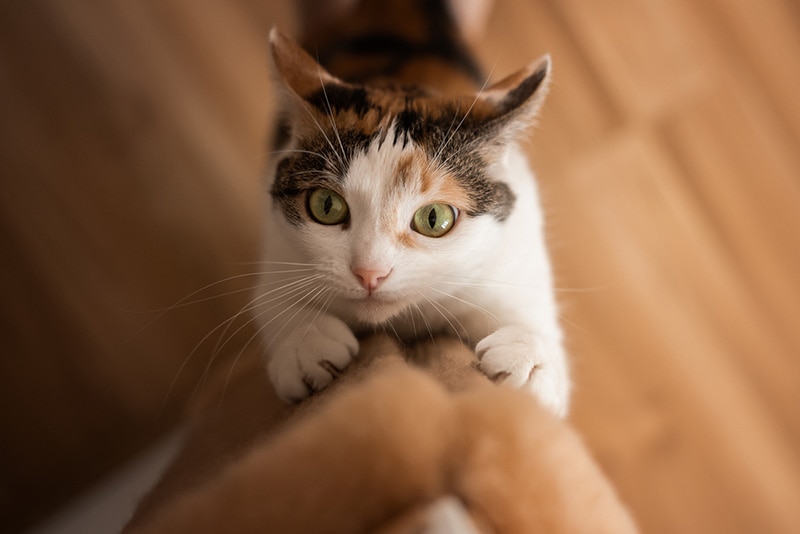
If they’re scratching the couch, gently stop them and take them to their scratching spot. Reward them when they scratch their scratching post, and gradually, your cat will stop attacking your furniture. You can also encourage them to pay more attention to their cat tree or scratching post by leaving their favorite treats on the perches or scattering catnip on the post.
4. Reward Good Behavior
The most effective training efforts are made with positive reinforcement. Instead of punishing your cat when they do something wrong, praise them when they do something right.
If they jump onto their cat tree instead of climbing the curtains, give them a treat. The more you do this, the more they’ll associate their cat tree with treats and affection. You can apply the same technique to scratching posts too.
Conclusion
Spraying a cat with water is a solution that many cat owners resort to whenever their cat does something wrong. It’s an easy way to get your cat off the kitchen counter, but despite how quickly it gets a response, it’s not the best solution and the stress that it causes may lead to other unwanted behaviors. Spraying your cat doesn’t target the cause of their behavior or give them a way to express their normal behavioral needs. Instead, you’re just teaching your cat to fear you and the spray bottle.
Rather than punishing your cat, make sure all their needs are met and redirect them to more appropriate targets. Be sure to reward them for good behavior. The results might not be as quick as spraying them with water, but it will help you nurture the trust bond between you rather than damage it.
Featured Image Credit: prasit2512, Shutterstock
Get Hepper In Your Inbox


Pet care tips from our vets and experts, straight to your inbox.
You may opt-out at any time. View our Privacy Policy for more information.
Nicole is a lover of animals of all sizes but is especially fascinated with the feline variety. She’s the proud mom of Baby, a Burmese, and works every day so he can relax in the sunshine or by the fire. She’s always had a cat in her home and has spent countless days with others, observing behaviors and softening up even the grouchiest of the lot. Nicole wants to share her kitty expertise with you so you and your cat can live happy, healthy, and care-free.
Join the conversation
Ask a question, share your story, or send private feedback.