Hepper is reader-supported. When you buy via links on our site, we may earn an affiliate commission at no cost to you. Learn more.
Is a Coyote a Type of Wild Dog? How to Tell Them Apart


In this article
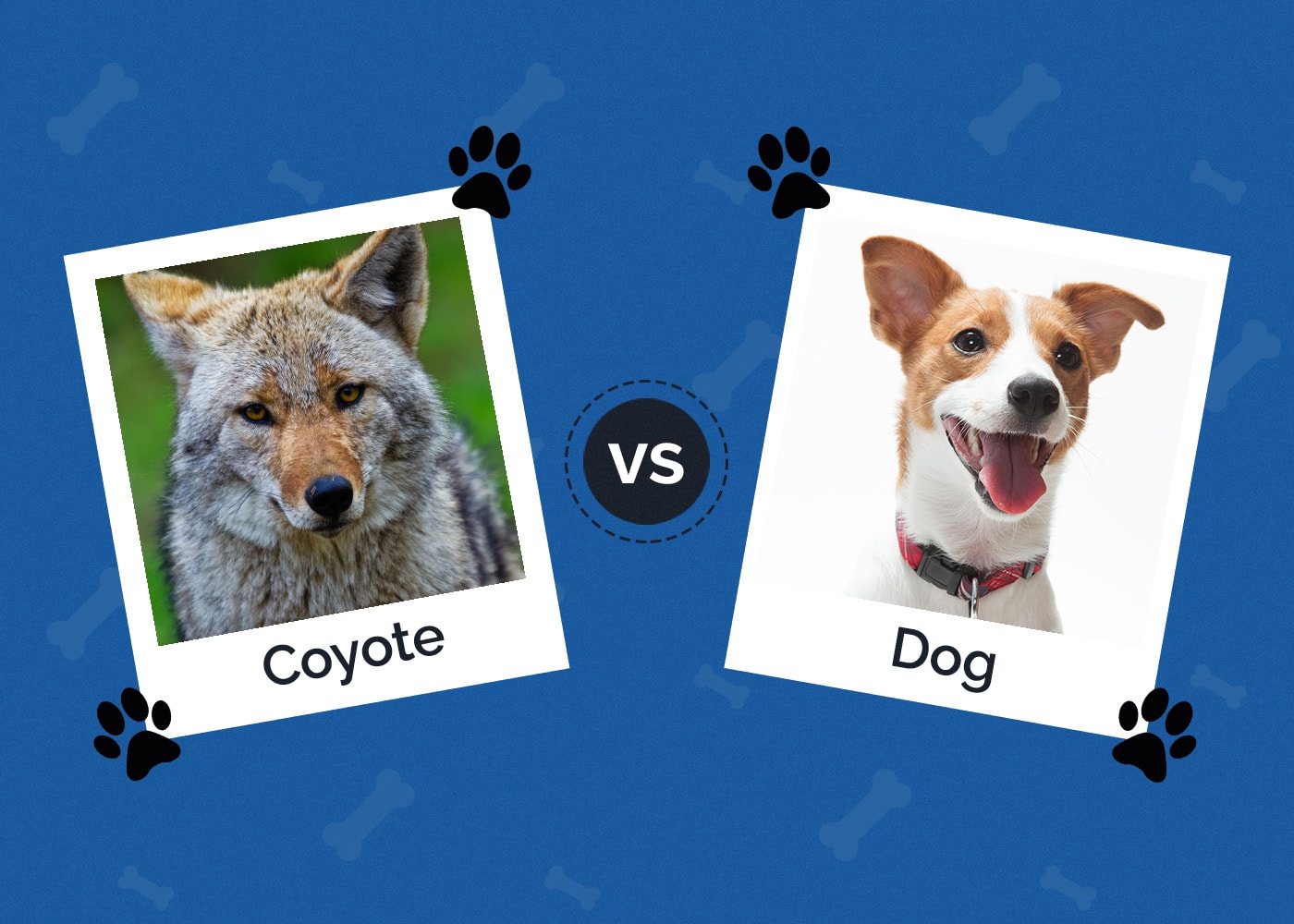
If you live in areas where Coyotes are common, you’ve probably wondered if they are a type of wild dog. Yes, a Coyote is a type of wild canine, but it’s a bit different from other types. Coyotes are known for living in the wild, while dogs are usually domesticated, and even if the dog is a wild stray, it can be tamed.
While Coyotes and dogs belong to the Canis genus, there are quite a few differences between the two. If you have been wondering about the difference between the two types of animals and how to tell them apart, we will answer those questions and more below.

Coyote
- Genus: Canis
- Weight: 15 to 50 pounds
- Location: North America and Central America, lives in many habitats
- Lifespan: 10-to-15-years
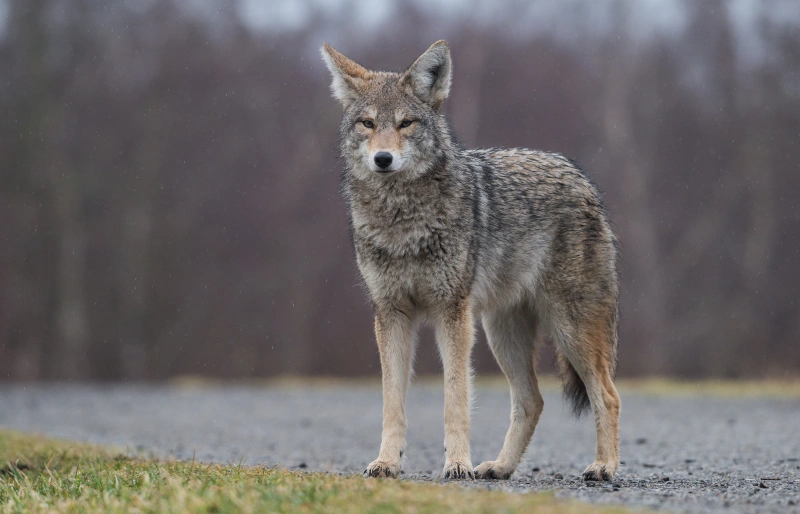
A Coyote is part of the Canis family, just as a wild, stray dog is. The breed weighs 15 to 50 pounds and resides in North America and Central America. It lives in many habitats, including deserts, grasslands, and woodland areas. The average lifespan for a Coyote is between 10 and 15 years.
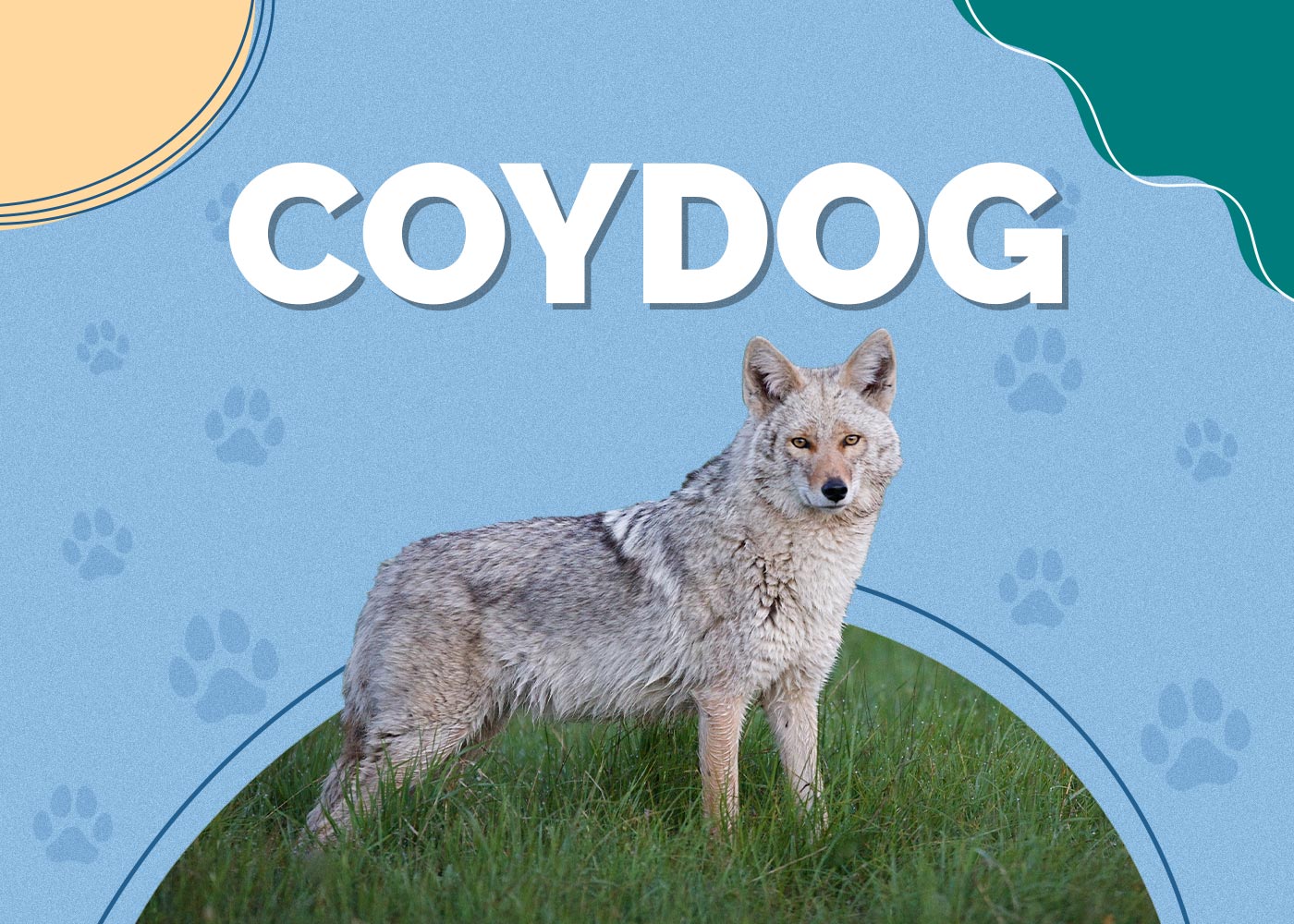
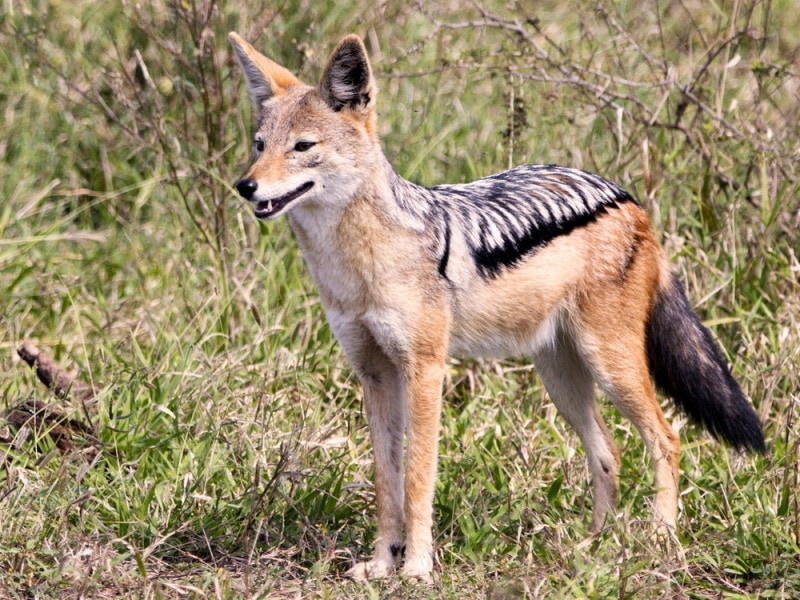
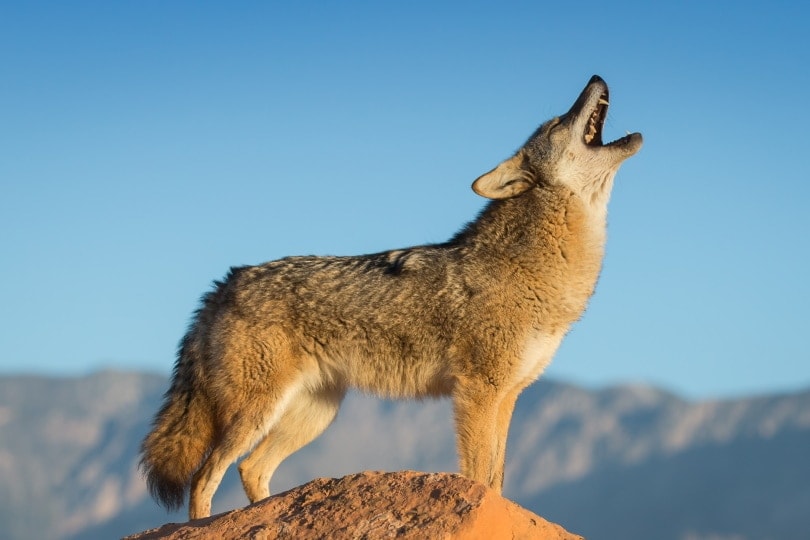
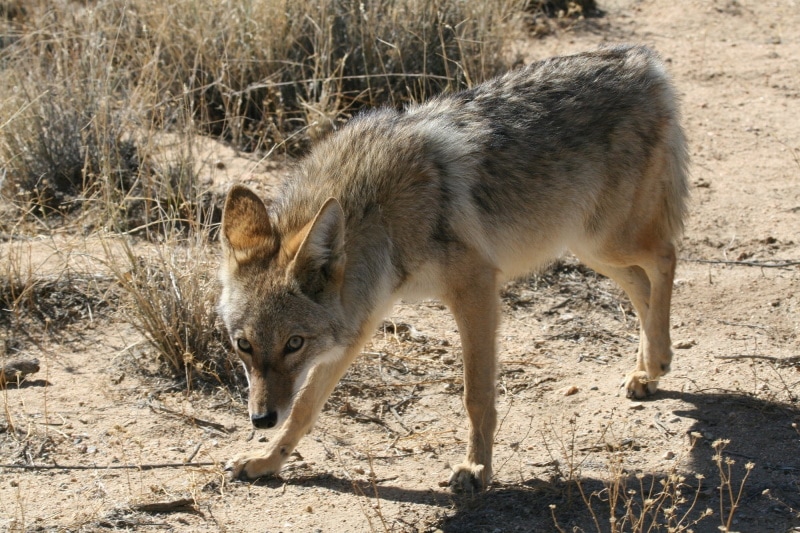
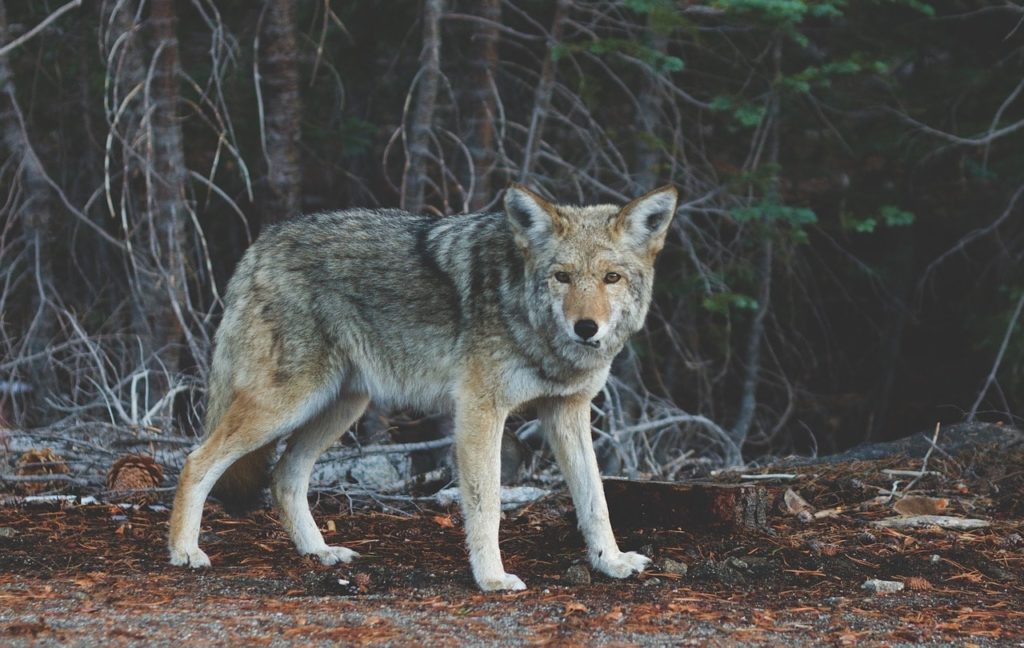
As for its physical appearance, a Coyote usually has a lean body, golden eyes, a bushy tail, and huge ears. Their fur can be a mix of brown, red, and tan colors; they can also display dilute variations.
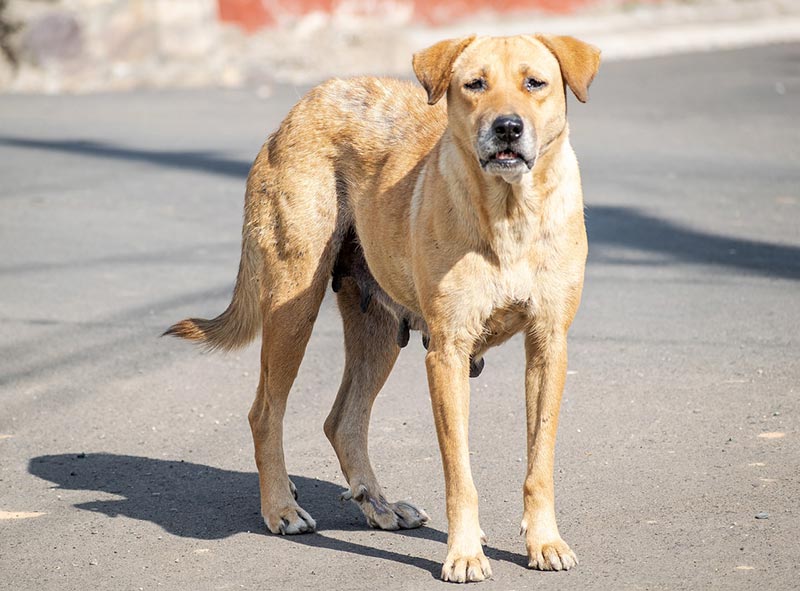
Wild/Stray Dogs
- Genus: Canis
- Weight: 5 to 90 pounds
- Location: Worldwide, mostly live with families, can be wild/strays
- Lifespan: 8-to-20-years
While a part of the Canis family, wild/stray dogs are found worldwide and often live with families since dogs are domesticated. Dogs reach between 5 and 150 pounds in most cases. Several dog breeds in the world display various colors, sizes, and patterns.
Differences Between Coyotes and Wild/Stray Dogs
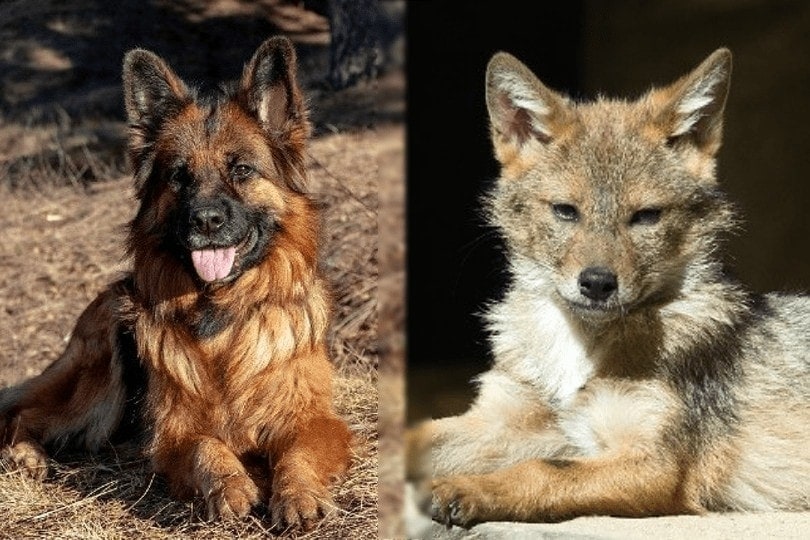
As you can see, the physical appearance of Coyotes is different from wild/stray dogs. Dogs can outweigh Coyotes by quite a bit, and they also have longer lifespans.
The most significant difference between Coyotes and wild/stray dogs is their domestication status. Coyotes are meant to be wild and follow a pack mentality, especially when hunting their prey. Dogs are domesticated, and while they can join packs when they’re wild, they’re tamer than coyotes.
Are Coyotes Dangerous?
Yes, Coyotes are dangerous animals. They can easily kill neighborhood pets. While Coyotes attacking humans is rare, it has been known to happen, so if you live in an area where Coyotes are known to travel, keep your pets and children close and be careful when you’re out for walks or playing.
Are Stray/Wild Dogs Dangerous?
Yes, wild dogs can be dangerous. They are usually scared, and if they’ve been strays long enough, they can run in packs. If you see a wild dog where you live, and you’re worried it will hurt someone, it’s best to call animal control to take care of the problem. They can relocate the stray dog and hopefully find it a forever home.
Can You Domesticate a Coyote?
Yes, you can domesticate a Coyote, and it’s possible to purchase one from certain breeders. You can raise, socialize, and train a Coyote to be a great pet. However, it is illegal to own a Coyote in most states. You need to check with your state and county to see if it’s legal to own a Coyote where you live before deciding to purchase one as a pet.
Coyotes will need plenty of room to run to be happy, and they could be aggressive to other pets and strangers, so you can’t take them for a walk or to play at the local dog park.
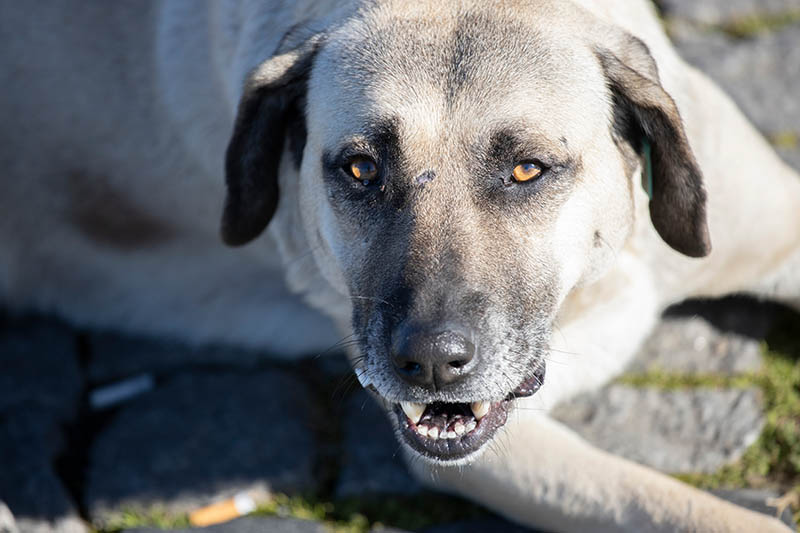
Can You Domesticate a Wild/Stray Dog?
Yes, it is possible to domesticate a wild dog. However, only experienced dog owners should even attempt to domesticate a wild/stray dog. Some dogs have been on their own for a long time, and they may not be friendly to humans. You also have to ensure the animal does not have parasites or other health issues that could affect other pets. Thorough training and socialization are vital to caring for a wild dog.

Wrapping Up
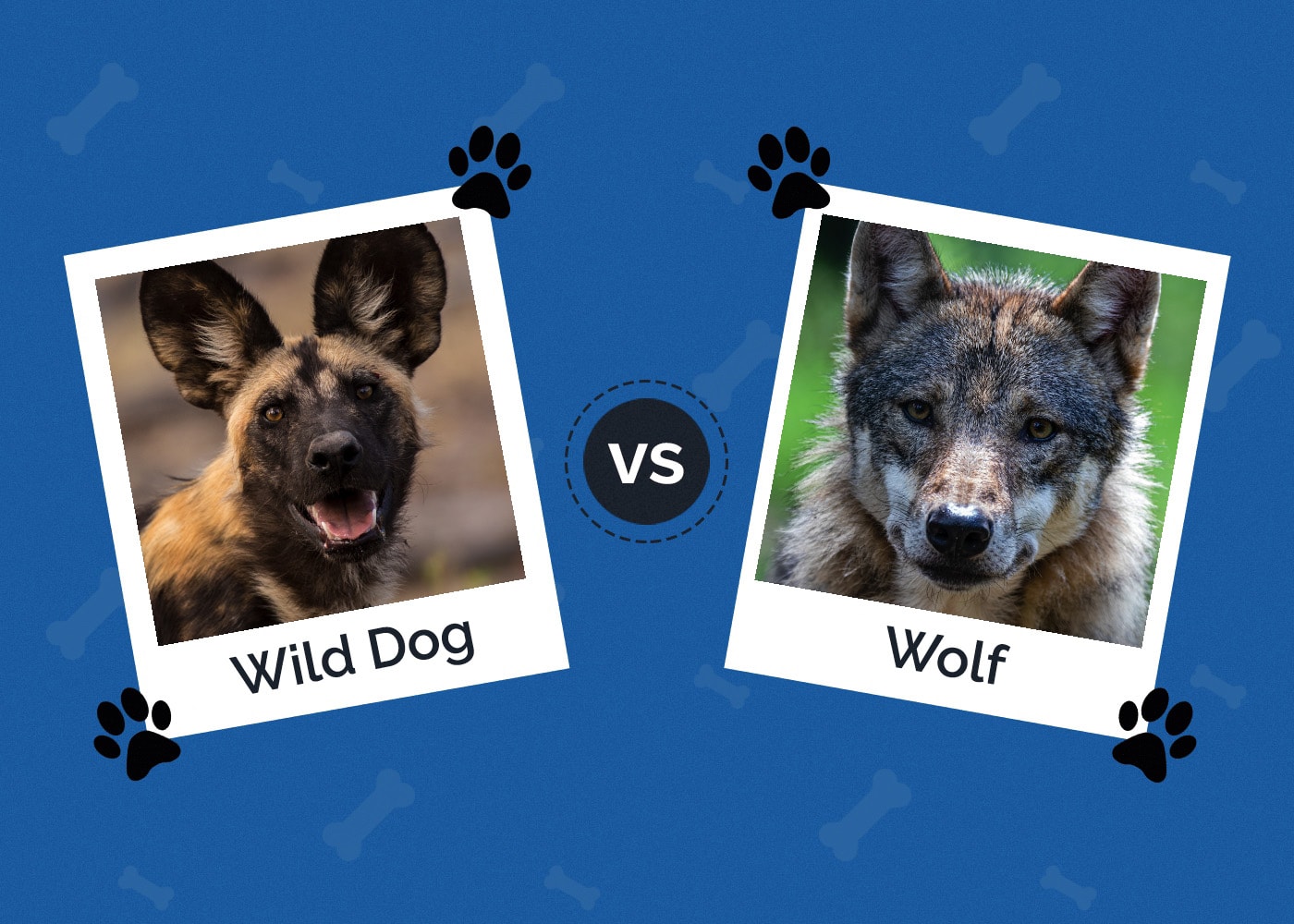
A Coyote is a wild animal but is different from a wild dog. Coyotes are meant to be wild and have the pack mentality to go along with their nature. Wild dogs have more domesticated traits in their ancestry and are tamer than coyotes.
Either animal can be dangerous if it’s cornered, so be careful when you’re out and about and run across either one. It’s best to call the authorities if you spot either in your neighborhood and keep pets and children inside until they respond and remove the animals.
Sources
Featured Image Credit: Harry Collins Photography, Shutterstock
Get Hepper In Your Inbox


Pet care tips from our vets and experts, straight to your inbox.
You may opt-out at any time. View our Privacy Policy for more information.
Patricia is a pet and coffee writer and a published author under the pen name Skylar McKinzie. When she isn’t writing, Patricia enjoys spending time with her two cats and dog. Since she was a young child, she has been a pet lover and enjoys nothing more than cuddling with her pets, Mystery, and her two cats, Binx and Link. Mystery has been with her family since the day she was born, as has Link. Binx was found under the house as a kitten, taken inside, and has been a part of the family ever since. Patricia loves sharing her knowledge of animals and finds joy in helping out at the local rescue shelter whenever she can.
Join the conversation
Ask a question, share your story, or send private feedback.