Hepper is reader-supported. When you buy via links on our site, we may earn an affiliate commission at no cost to you. Learn more.
Coyote vs Dog: What’s the Difference? What Science Says
In this article
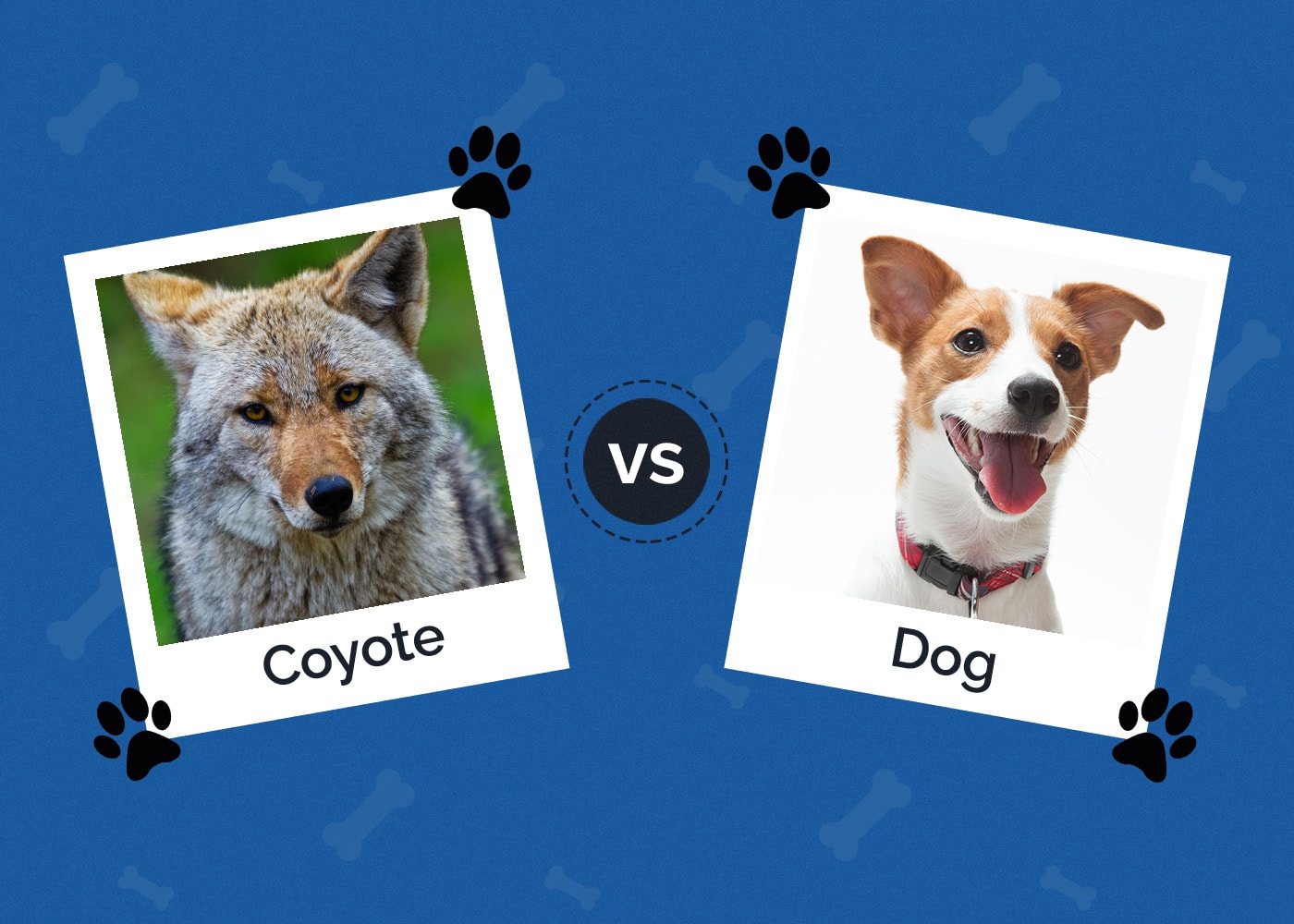
Dogs are the most popular pet in the world, while coyotes are one of the most plentiful predators in North America. These two species are both canines, but they have few similarities. Coyotes certainly don’t feel much of a family bond, as they’ve been known to attack small dogs when other prey is scarce. In turn, livestock guard dogs will turn their protective tendencies against any roaming coyote that threatens the animals under their care. In this article, we’ll cover some of the main characteristics of coyotes and dogs and highlight the fundamental differences between these two species.

Visual Differences
At a Glance

Coyote Overview
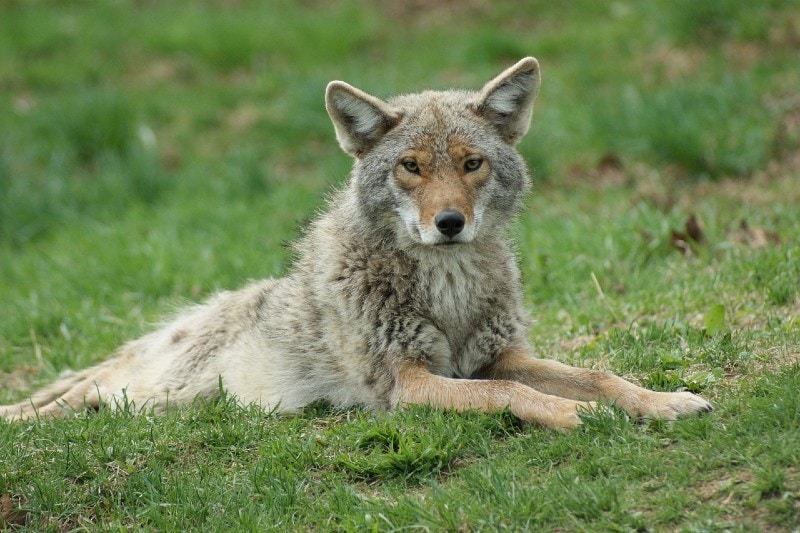
Characteristics & Appearance
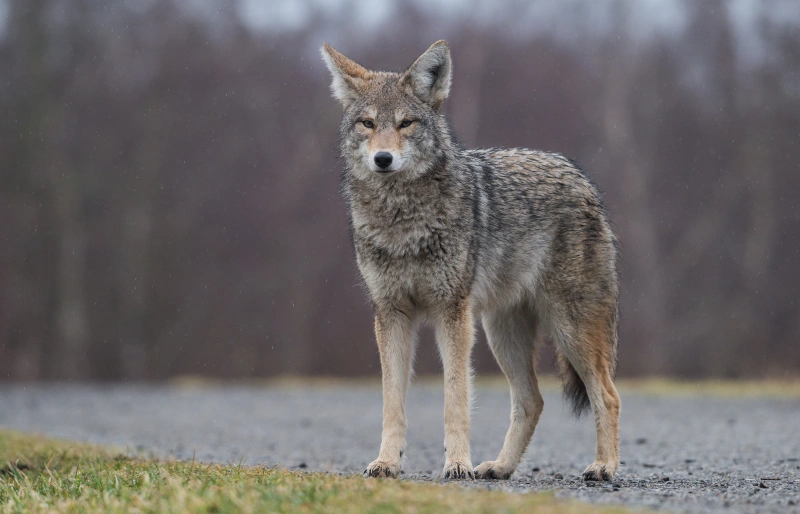
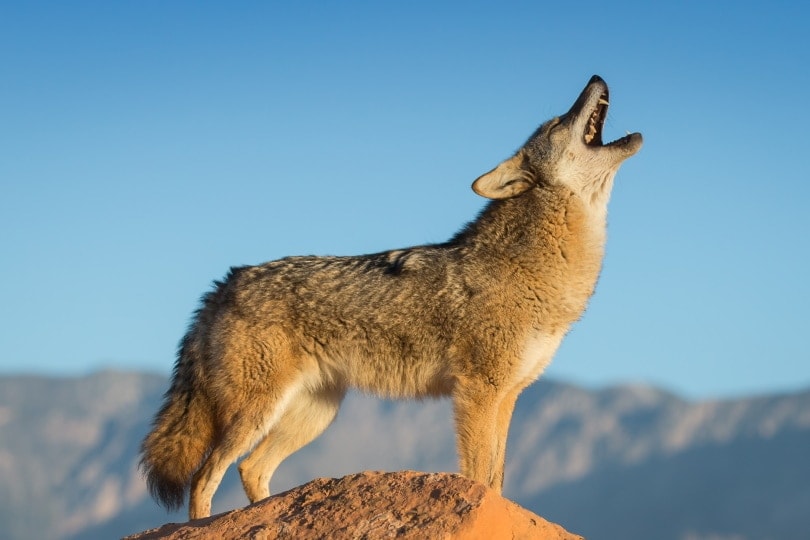
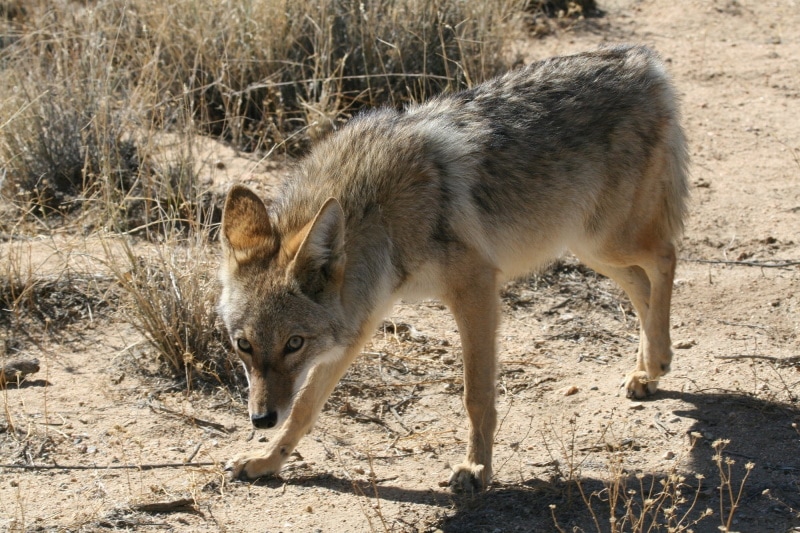
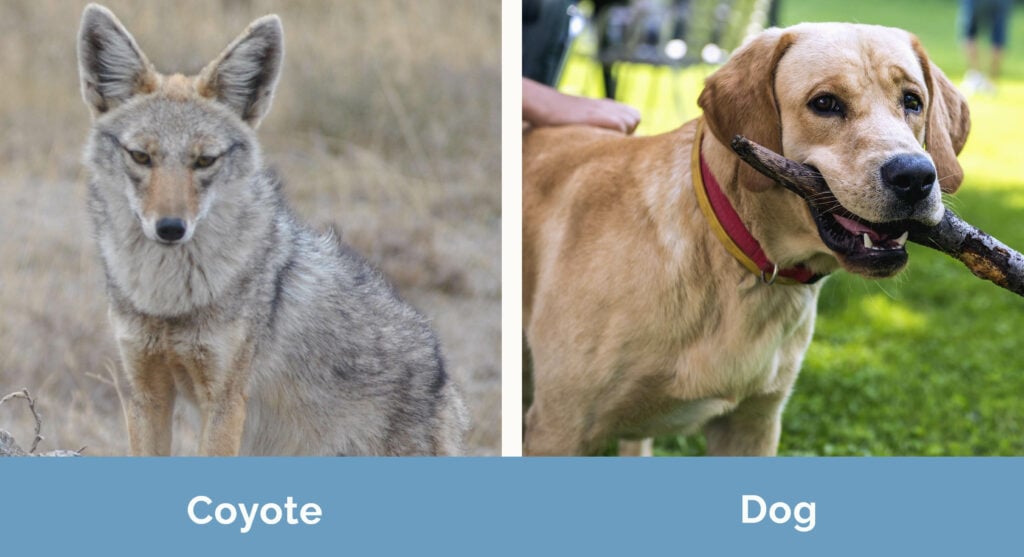
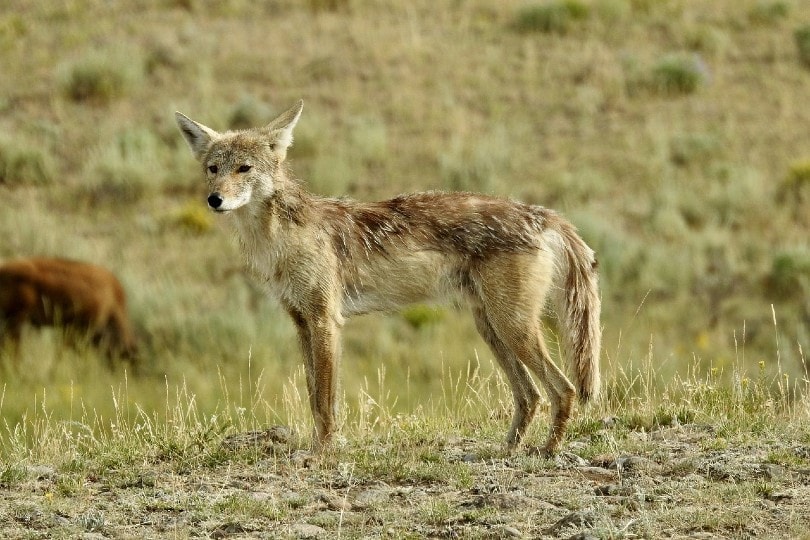
Coyotes are smaller than gray wolves but larger than foxes. Their coats are usually gray or buff-colored, with white underparts. All coyotes have yellow eyes, pointed ears, and bushy tails, and the intelligent predators are strong swimmers and speedy runners.
Coyotes are native to North America and are found throughout the entire continent. They live in every U.S. state except for Hawai’i, Mexica, most of Canada, and much of Central America. Unlike other predators, the coyote population is stable and even growing.
Few animals are as adaptable as the coyote, which explains why the species has managed to survive even as other predators, like the gray wolf, are threatened with extinction. Coyotes can thrive in almost any type of habitat and environment. They can even be found roaming the streets of large cities like Los Angeles.
Along with adapting to their living environment, coyotes survive because they can and will eat almost anything. Their preferred prey is small mammals, but coyotes also hunt deer in packs and eat birds and snakes. When live prey can’t be found, they scavenge and even eat fruits and vegetables.
Unfortunately, coyotes will happily prey on livestock, chickens, and pets, which often makes them a target for humans. They are active and do their hunting mainly at night. Coyotes are also very vocal; they howl, whine, yip, and bark to communicate with each other.
Coyotes raise one litter of one to 19 pups each spring. They usually take over the abandoned den of another animal to give birth. Both male and female coyotes help raise the pups, and breeding pairs typically stay together for several years.
Uses
Like all predators, coyotes are a valuable part of a healthy ecosystem. By preying on small mammals, they help keep these populations from growing out of control. This, in turn, keeps an overgrowth of these species from overwhelming the food sources and environment.
Unfortunately, because coyotes are considered nuisances and a threat to livestock by most humans, they’re one of the most targeted species in North America. Despite hundreds of years of effort, however, humans have failed miserably to have much impact on the stubborn and adaptable coyote.

Dog Overview
Characteristics & Appearance
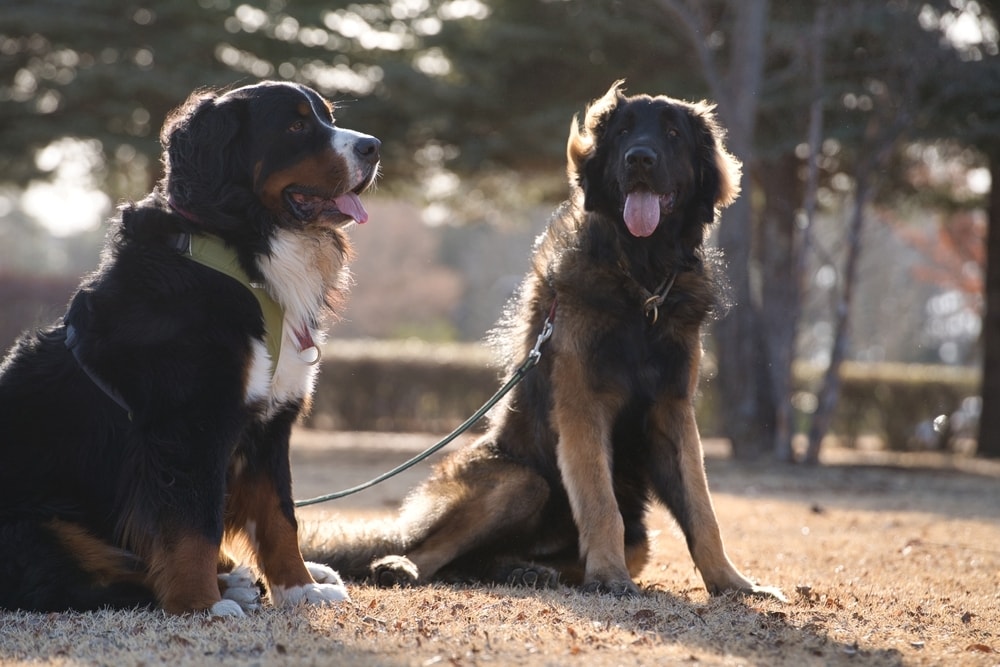
Scientists aren’t sure exactly when dogs were first domesticated, but it was probably between 15,000-30,000 years ago. Dogs are descended from wild wolves, but the exact species is unknown. Over thousands of years, humans first tamed the wolves and began to develop the first of the now hundreds of dog breeds.
By selecting traits and characteristics they found useful, humans created breeds to serve many purposes. Within this one canine species (Canis familiaris) are animals with a dizzying variety of physical appearances. Coyotes all look pretty much the same, but Bulldogs and Greyhounds couldn’t look more different, yet they’re the same species. Dogs can be any size, from petite Yorkshire Terriers to massive Great Danes, with coat types from hairless Chinese Crested dogs to the cold-tolerant double-coat of the Siberian Husky. Allergy-prone humans have even developed low-shedding hybrid breeds like the Goldendoodle.
Along with their differences in appearance, dogs all have different personality traits. Intelligence, independence, protectiveness, sociability with strangers, and endurance all vary between breeds and mixes.
Millions of dogs live and work with humans around the world, with even more roaming wild on the streets as strays. The dog’s natural habitat is anywhere humans exist because they rely on people for survival. Stray dogs can survive on their own to a certain point but typically don’t have long lifespans without human assistance.
As dogs were domesticated, their eating habits changed from those of their wild wolf ancestors. Modern dogs are omnivores that can process nutrients from plant and animal sources. Most have lost the instinct and ability to hunt because humans provide all their food.
Female dogs go into heat twice a year on average, meaning they could technically produce two litters of puppies. Male dogs are not involved in raising the puppies, either before or after weaning.

Uses
Most dogs serve as pets and companions to humans and other animals. However, many dogs still work alongside people in many different jobs. Scent detection dogs sniff out everything from smuggled produce to explosive devices, and military and police canines serve around the world.
Dogs also provide emotional and physical assistance to people with various disabilities. They herd and guard farm animals, including protecting against coyotes. Sled dogs are still essential transportation in some of the coldest parts of the world.

What Are the Differences Between Coyotes and Dogs?
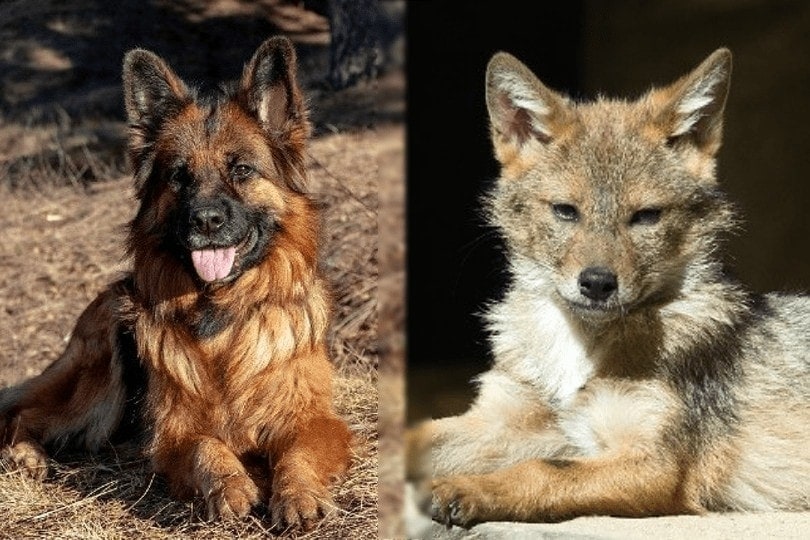
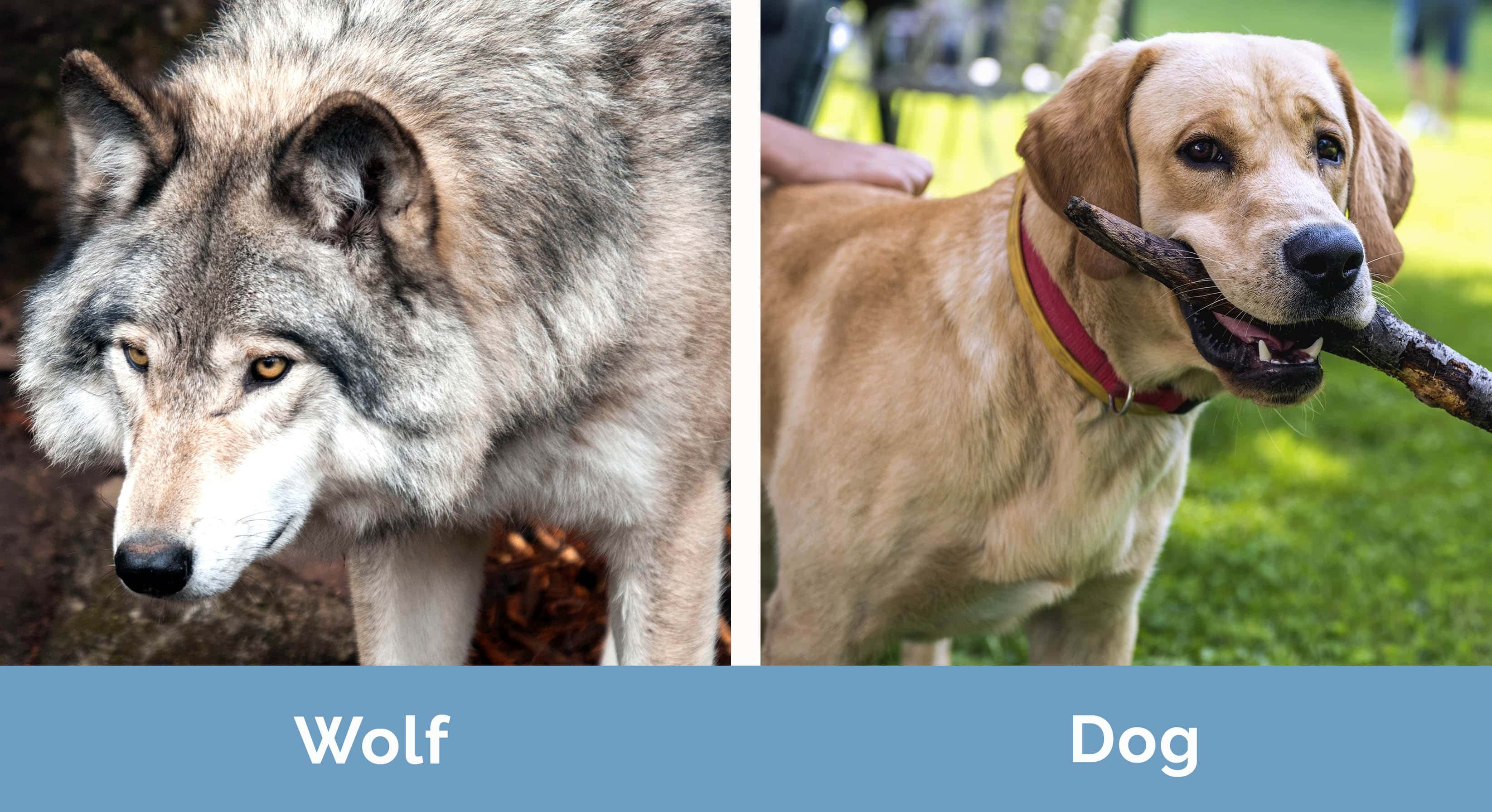
Besides the noticeable difference that coyotes are wild animals and dogs are domesticated, these two species also differ in other ways. Physically, coyotes all look essentially the same, with only minor size and coat color differences. Dogs, as we discussed, come in all sizes, body shapes, and coat types.
To survive, coyotes must all be smart, adaptable, and athletic. Dogs have no such needs because people provide what they require to survive. Their personalities and athletic ability also vary widely among breeds.
Coyotes are primarily nocturnal animals that eat meat to survive. Dogs are omnivores that generally follow the sleeping patterns of their humans, meaning they’re usually awake during the day. Coyotes form strong family and pack bonds but can’t do the same with humans or other animals. Dogs form attachments with each other but also with people and other pets. Most want to please their humans, making them trainable, unlike coyotes.
Dogs can reproduce more often than coyotes, but they don’t raise puppies in the same way. Both male and female coyotes help feed and care for their offspring, but female dogs are the sole caregivers of their puppies.

Final Thoughts
Coyotes may present hazards to livestock and pets, but local ecosystems would suffer without their presence. Although humans spend a lot of time and money trying to rid themselves of coyotes, the wily animals just find a way to survive. Dogs and coyotes may come from the same family, but as we’ve learned, they have many differences. Coyotes can adapt to practically any terrain, but they will always be wild animals. Dogs can sometimes survive on their own, but they are adapted to depend on humans first and will always be best suited to domestic life.
See also:
Featured Image Credit: (L) sebartz, Shutterstock | (R) K.INABA, Shutterstock
Get Hepper In Your Inbox


Pet care tips from our vets and experts, straight to your inbox.
You may opt-out at any time. View our Privacy Policy for more information.

A lifelong lover of all creatures great and small, Elizabeth got her first cat at 5 years old and at 14, she started working for her local veterinarian. After spending more than 20 years working as a veterinary nurse, Elizabeth decided to step away to become a stay-at-home parent to her daughter. Now, she is excited to share her knowledge with our pet parents. Elizabeth lives in Iowa with her family, including her two fur kids, Linnard, a husky mix and Algernon, the worldʻs most patient cat. When not writing, she enjoys reading, watching soccer, and spending time outdoors with her family.
Join the conversation
Ask a question, share your story, or send private feedback.