Hepper is reader-supported. When you buy via links on our site, we may earn an affiliate commission at no cost to you. Learn more.
Same-Sex Aggression in Dogs: What Is It and Can It Be Prevented? Vet Approved Advice


In this article
While our canine companions are generally loving and affectionate, same-sex aggression can be a real concern for some dog owners. This is when a dog shows aggression toward other dogs of the same sex, and it is not as rare as you might think.
This can be a very serious behavioral concern and it can potentially have devastating results so if your dogs are engaging in aggressive behavior we recommend consulting with your veterinarian and a certified veterinary behaviorist.
We are here to shed a bit of light on this topic and explore ways to prevent and manage it. Understanding the possible causes and learning effective strategies can help create a safe environment for all animals involved.

What Is Same-Sex Aggression in Dogs?
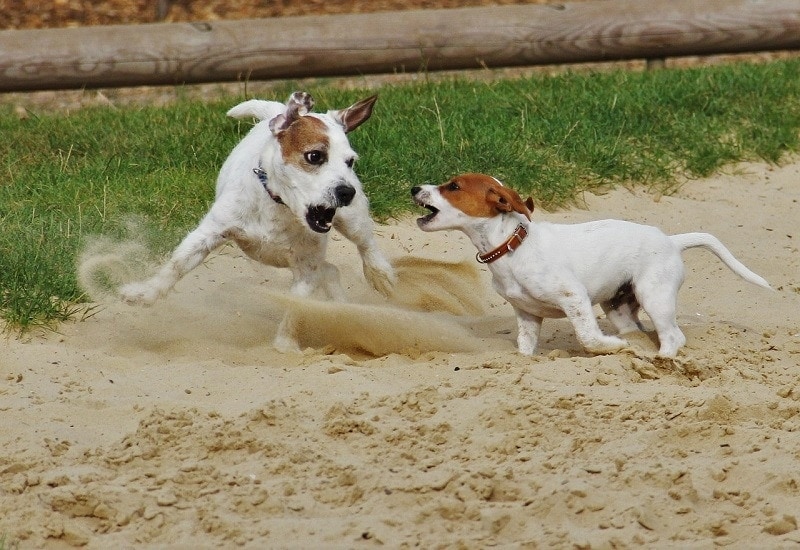
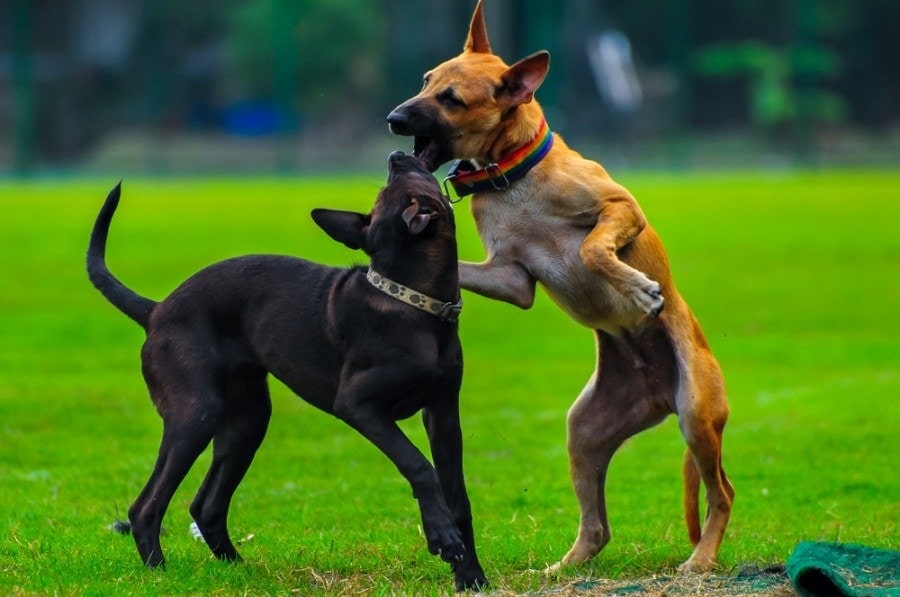
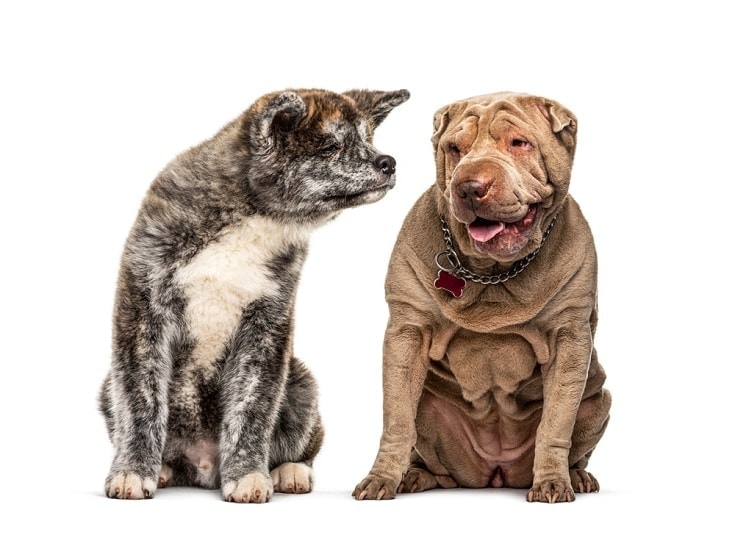
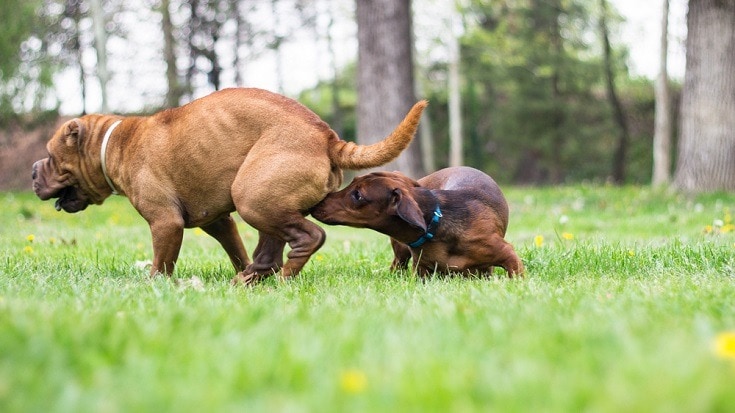
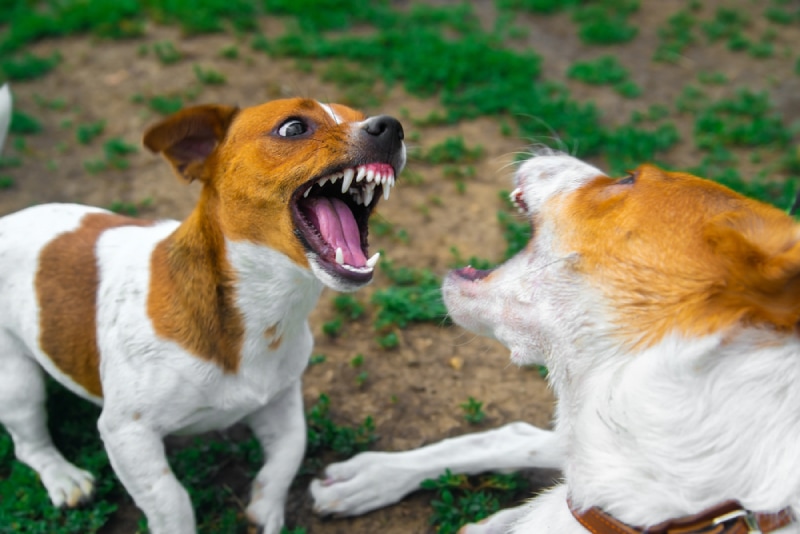
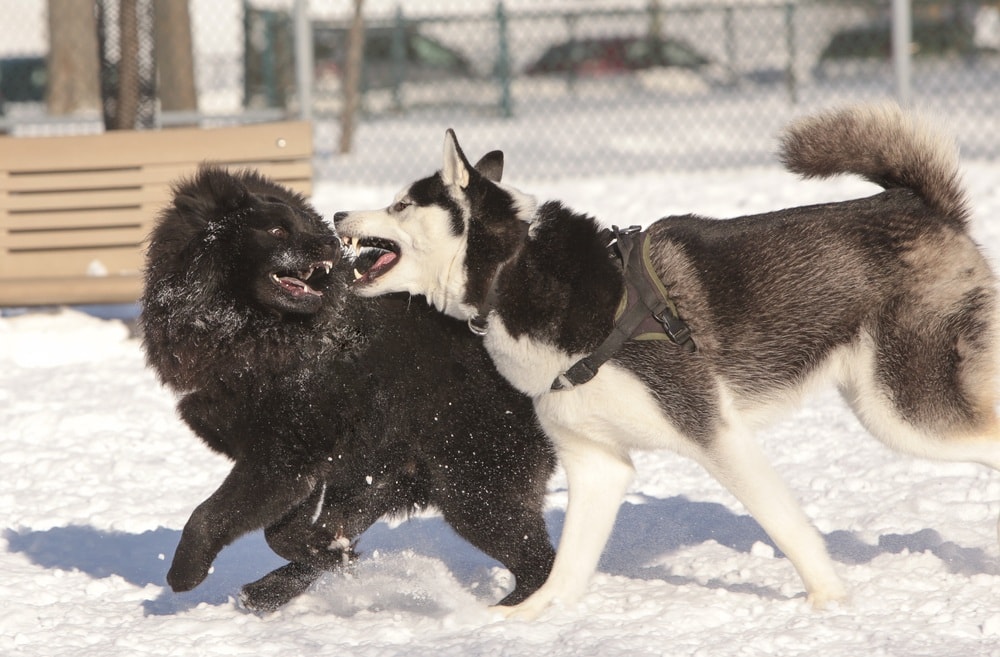
As the name suggests, same-sex aggression in dogs refers to aggressive behavior displayed by a dog toward other animals of the same sex. It is a form of inter-dog aggression. This behavior can occur in both male and female dogs of any breed, though it is more common in males. Needless to say, the consequences can be more serious with dogs that have a big size difference, where one has the physical advantage or is a large, powerful breed. In any case, these aggressions can turn into fights and are often traumatic for all parties involved, including the owners, who often feel helpless, especially if a dog ends up injured.
How to Recognize the Ladder of Communication in Dogs
It is unusual for dogs to go straight into a fight without warning. These signs are all opportunities to de-escalate behavior and stop fights from happening. Becoming familiar with your dogs’ behavior and knowing how to recognize escalating behavior is key.
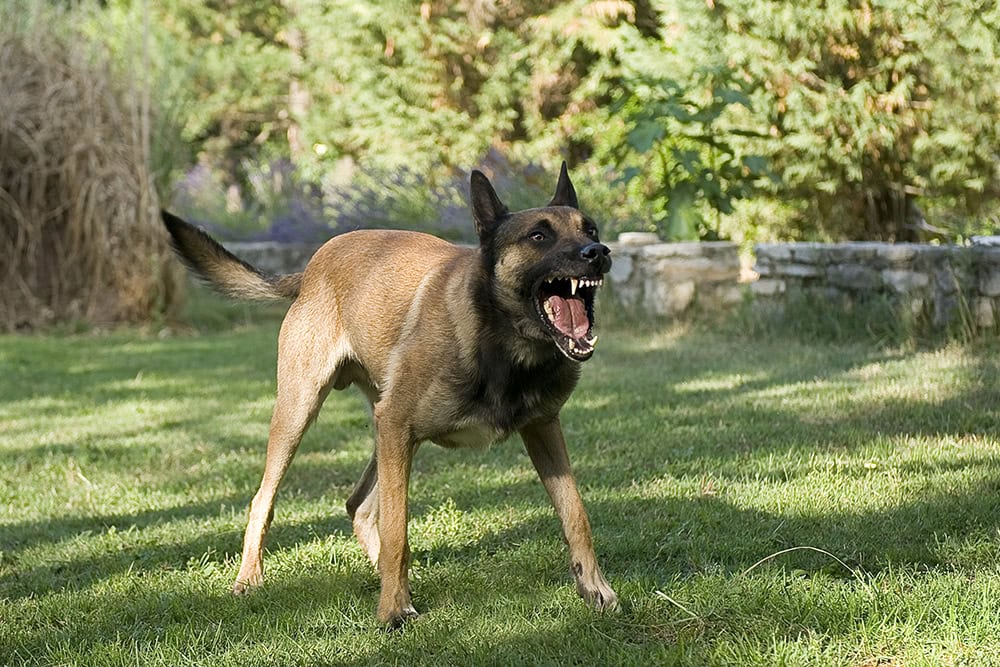
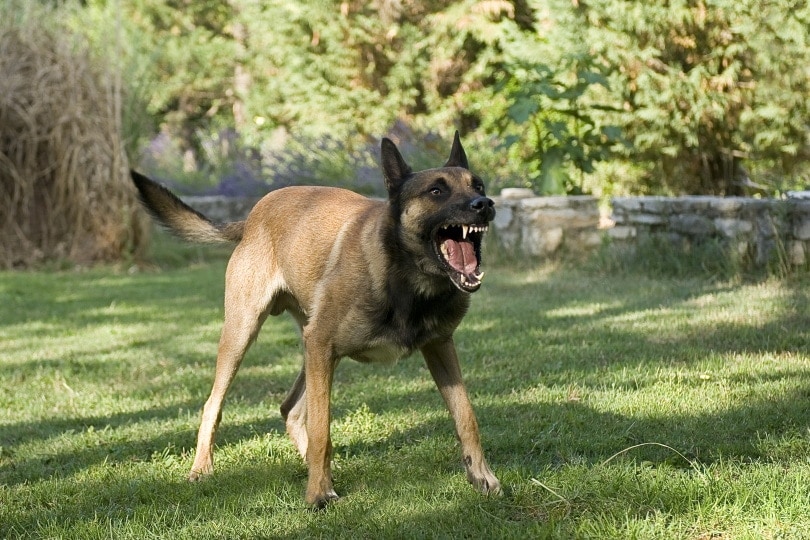
There are many warning signs or precursors that indicate that a dog is on the verge of resorting to violence:
- Refusal to play - Fearful, stressed, or threatened dogs may avoid playing or interacting and instead display defensive or avoidant behavior. This can also be shown by stopping what they were doing such as resting or eating.
- Piloerection (or raised hackles) - When a dog's hackles (the fur along the back) are raised, it often indicates a state of anger, fear, or anxiety. This is an easily recognizable physical sign.
- Stiff body language - Dogs feeling under threat may exhibit stiff and rigid body postures when showing signs of a potential confrontation.
- Intense staring - If your dog is staring intensely at another dog, be on your guard, as this may be a sign of an impending attack.
- Growling and snarling - Vocalizations like growling and snarling are clear indications of likely aggression between two dogs.
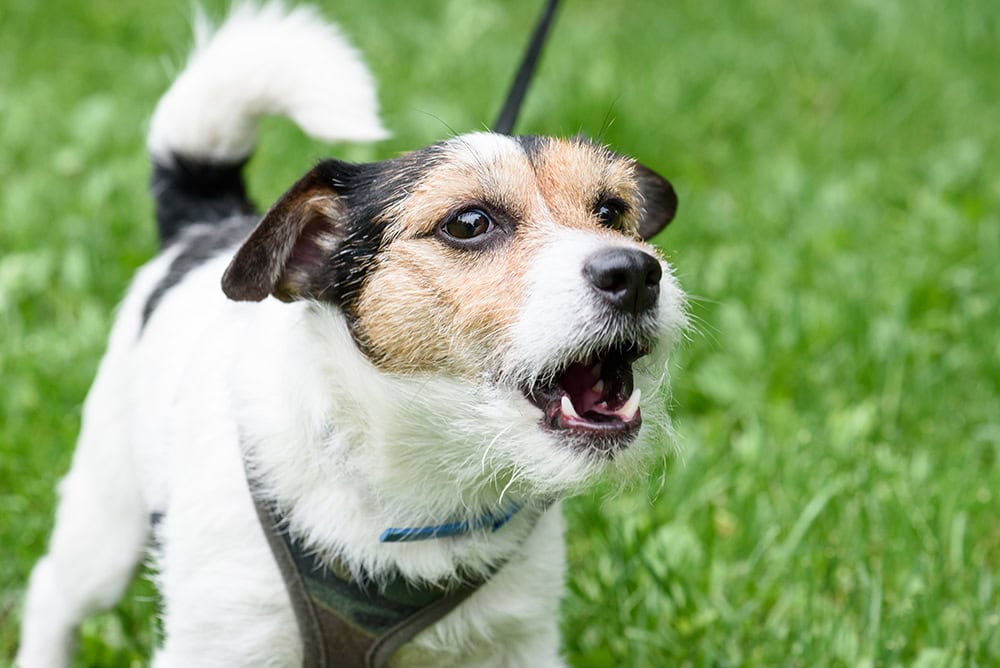
- Lunging and barking - Dogs may lunge toward other dogs while barking aggressively, as a way to increase distance and get the other dog to move away.
- Biting - Biting is usually a last resort but can have deadly consequences
What Are the Causes of Aggression in Dogs?
The causes of aggression in dogs can be complex and often involve a combination of genetic, social, hormonal, and environmental factors.
Here are just a few possible causes:
What Are the Most Common Causes of Same-Sex Aggression in Dogs?
- Hormones - Hormones, particularly the sex hormones (but also oxytocin and vasopressin), can have a huge impact on a dog's behavior. Intact (non-neutered or non-spayed) dogs may have higher levels of testosterone or estrogen, which can contribute to increased territorial and aggressive behaviors. Moreover, according to one study, the levels of oxytocin and vasopressin can influence social behaviors and aggression in dogs. For example, service dogs bred for their balanced temperament have significantly higher blood oxytocin levels than the average dog. However, dogs that are more aggressive toward their fellow dogs tend to have higher levels of vasopressin in their blood.
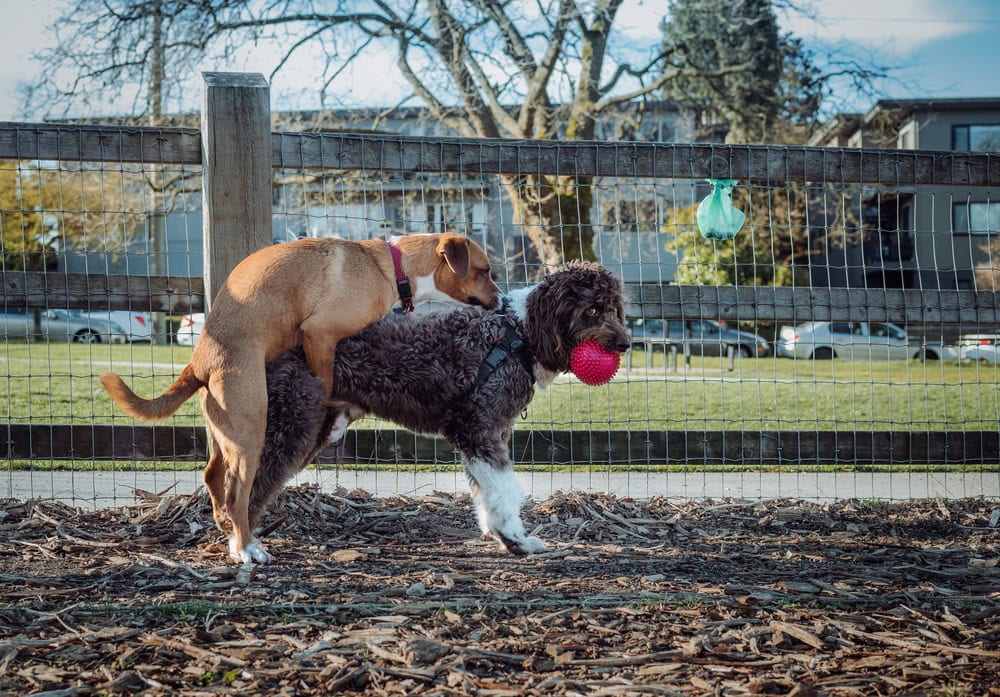
- Establishing social hierarchy - Same-sex aggression is often a result of dogs adjusting to social maturity and changing dynamics within a household. This behavior is more commonly seen in multi-dog households. For example, a younger dog who is fit, strong, and healthy starts to block access to food or the sofa of an older dog whose strength is reduced.
Please note that oftentimes identifying the specific causes of aggression in your dog typically requires the expertise of a certified dog behaviorist or veterinarian. They can assess the dog's behavior, health, and environment to develop a comprehensive plan to manage and address the aggression effectively. The takeaway message here is that if you have noticed precursors of aggression or escalating behavior, you need to act now. Keeping the dogs physically separated until a management plan is established is preferred over taking the risk of the situation escalating into physical aggression.
What to Do About Same-Sex Aggression in Dogs
While it may not be possible to completely prevent same-sex aggression in all cases, certain steps can be taken to minimize the risk of aggressive incidents:
- Early socialization - Properly socializing your puppy can help them develop positive relationships with other dogs, regardless of sex. Controlled, positive interactions with well-behaved, friendly canine pals during this time will significantly impact your dog's future temperament.
- Positive and gradual socialization - When introducing two dogs, regardless of their age, there needs to be controlled, gradual, and positive socialization. This can be the difference between the dogs perceiving each other as competition or as a positive presence. However, keep in mind that when sexual hormones kick in, they take priority and things can turn around very quickly since this natural instinct prevails.
- Neutering/Spaying - Neutering and spaying can help reduce the chances of aggression in many cases. Hormonal influences can contribute to aggressive behavior, and neutering can mitigate this. However, the reverse can also be the case and so we would encourage you to discuss this with a certified veterinary behaviorist.
- Positive reinforcement training - Consistent and positive training methods can help your dog learn appropriate behaviors and responses to other dogs. Reward-based training methods can encourage good behavior and reduce aggressive tendencies.
- Managing triggers - Be aware of situations that may trigger aggression in your dog, and take measures to avoid or minimize exposure to these. For example, if your dog becomes aggressive when meeting other dogs on a leash, consider walking them in areas with less foot traffic.
- Responsible ownership - Always supervise your dog when they are interacting with other dogs, especially if there is a history of aggression. This can help prevent potential fights, and you can intervene early if any signs of aggression are displayed. In some cases, muzzle training your pet can help to keep everyone safe and more relaxed.
Keep in mind that since each dog has their own temperament and personality, the effectiveness of these measures can vary. Professional help is always recommended for same-sex aggression in dogs, but early intervention and consistent training are still crucial factors in improving your furry friend's behavior.

Frequently Asked Questions (FAQs)
Is Same-Sex Aggression More Common in Certain Breeds?
However, aggressive behavior can be seen in dogs of any breed, and same-sex aggression will largely depend on the specific dogs involved and their social environment, rather than on the breed.
Can Professional Training Help in Managing Same-Sex Aggression?
Yes, professional training and behavior modification can be highly effective in managing and addressing inter-dog aggression. A skilled behaviorist can work with you and your pet to implement appropriate techniques and strategies for behavior improvement.
Are There Any Medications That Can Help With Same-Sex Aggression in Dogs?
In some cases, veterinarians can prescribe medications to help manage the causes of aggressive behavior. These medications are typically used in conjunction with behavior modification training and are not a standalone solution.

Conclusion
Same-sex aggression (or any type of aggression, for that matter) is not something to be taken lightly. When you have two or more dogs sharing a living space, it is your responsibility to observe their interactions and ensure they are positive. Because two animals kept in a confined space can not simply distance each other, it is your responsibility to learn to identify behavioral cues and recognize any precursors of aggression before they escalate. It is better to physically separate the animals before anything happens than to wait. You need to act quickly and when necessary seek professional advice about the best way to handle the specific situation. There are specialized training techniques that can help to create positive relationships and reduce the likelihood of aggression, but you still need to know how to implement them effectively and safely.
Generally, seeking professional help will make a significant difference in resolving your dog's social issues. If, for example, the issue is with a neighbor's dog, try to agree that it is in everyone’s best interest to get professional help to socialize both pets before an accident happens when someone is distracted. After all aggression, as undesirable as it is, is a naturally-occurring behavior of many living species, so please don't wait for something serious to happen to your pup or another dog before taking action!
Related Read: Do Dogs Have Sex for Pleasure? Vet Approved Facts
Sources
Featured Image Credit: Alexandr Jitarev, Shutterstock
Get Hepper In Your Inbox


Pet care tips from our vets and experts, straight to your inbox.
You may opt-out at any time. View our Privacy Policy for more information.
Genevieve, a biologist and science writer, who harbors a profound affection for capuchin monkeys, pumas, and kangaroos. This passion has led her to travel extensively, volunteering and working at wildlife rehabilitation centers in Bolivia, Guatemala, Canada, and Australia. Now residing in Argentina as a Canadian expat, Genevieve enjoys the view of horses and cows greeting her from the vast plains outside her home office window. She proudly cares for three rescued dogs—Lemmy, Nala, and Pochi—and a playful kitten named Furiosa. Sharing her extensive knowledge and love for animals brings her immense joy and fulfillment.
Join the conversation
Ask a question, share your story, or send private feedback.