Hepper is reader-supported. When you buy via links on our site, we may earn an affiliate commission at no cost to you. Learn more.
7 Common Great Dane Health Issues: Vet-Reviewed Facts


In this article
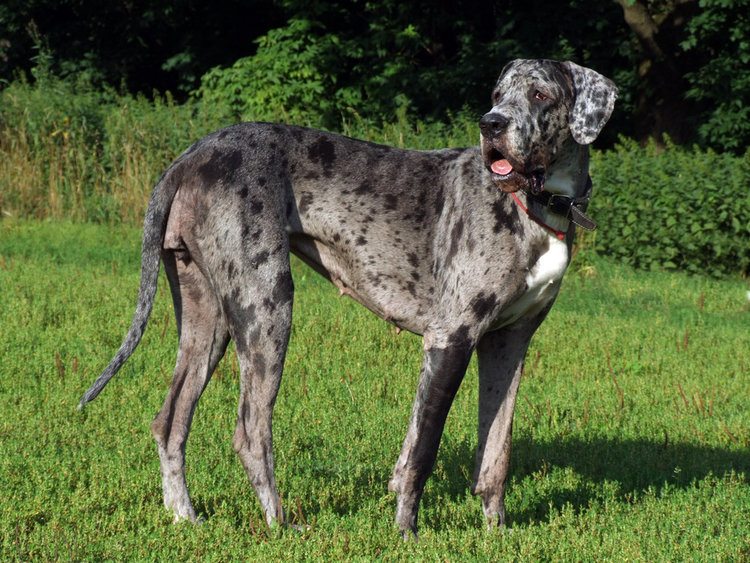
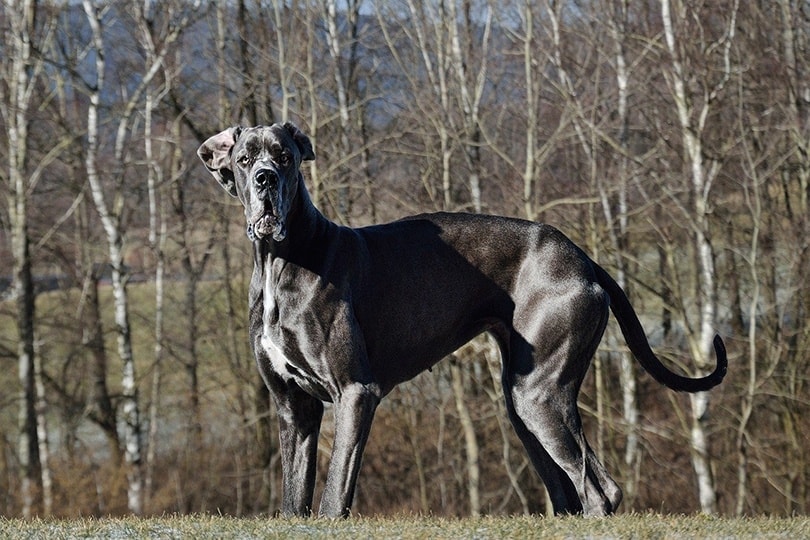
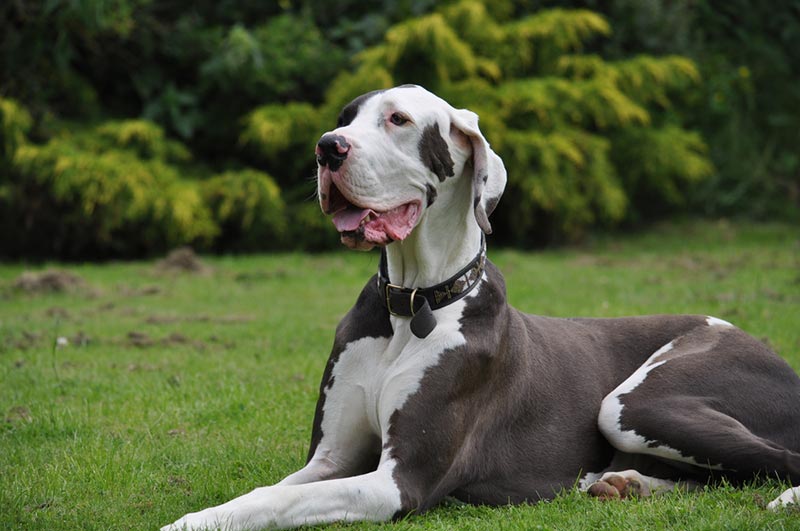
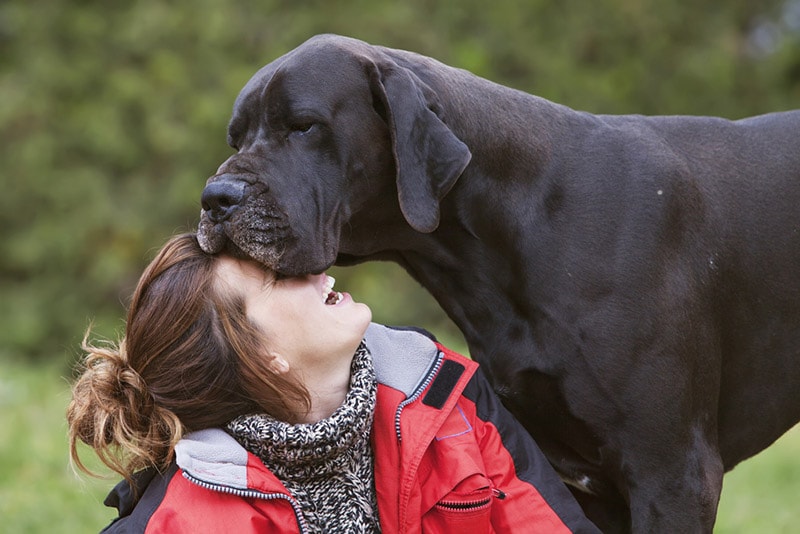
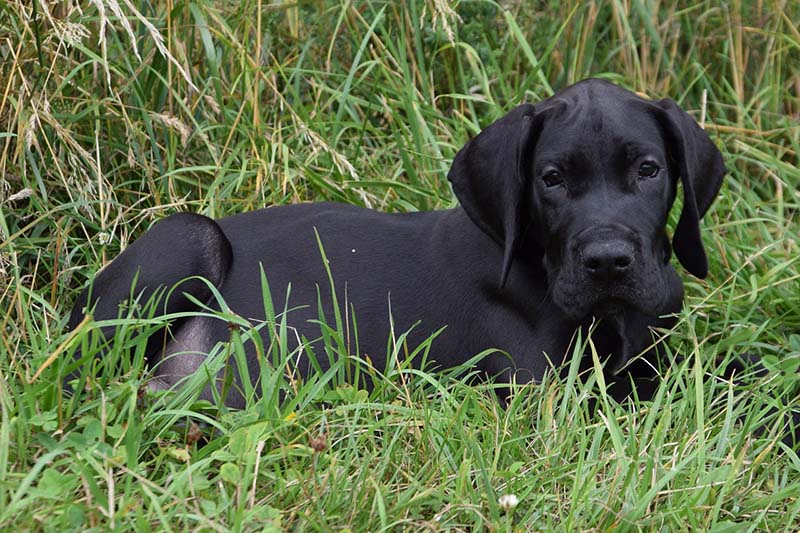
Built like small horses, Great Danes are gentle giants that have captured the heart of many pet owners. But in exchange for that size and larger-than-life personality, the giant Great Dane has its fair share of health conditions.
Like most large or giant breeds, Great Danes have a shorter-than-average lifespan (8–10 years) and health problems that can impact them significantly. Here are seven health conditions common in Great Danes.

The 7 Most Common Great Dane Health Issues:
1. Bloat
Great Danes are highly susceptible to bloat, like other large breeds with broad chests. This dangerous and often fatal condition, also known as gastric dilatation and volvulus or GDV, causes gas to build up in the stomach, stretching it and causing pain. Eventually, the stomach can twist, preventing anything from exiting. The stomach may twist, cutting off circulation and causing tissue death.
Bloat is often a critical condition that requires expensive surgery to treat, and once dogs get it once, they are more likely to get it a second time. Be sure to speak to your vet about options to minimize the risk of bloat in your Dane.
The signs of bloat may include:
2. Hip Dysplasia
Hip dysplasia can occur in most breeds, but it’s more common in large and giant breeds. With this condition, the head of the femur doesn’t fit correctly in the socket, causing pain and mobility issues. This can be caused by genetics, abnormal development, poor nutrition, and more.
The signs may include:
3. Dilated Cardiomyopathy
Canine dilated cardiomyopathy is a condition in which the heart is enlarged and can’t generate the necessary pressure to pump blood through the body efficiently. It may be caused by nutrition, infection, and genetic factors. In most cases, cardiomyopathy is undiagnosed until the dog becomes seriously ill or dies.
The signs may include:
4. Tricuspid Valve Disease
Great Danes are prone to a congenital heart defect, tricuspid valve disease, that prevents the valve between the right ventricle and atrium from functioning properly. The poor function of the valve alters the way the heart pumps blood, straining the right side of the heart and possibly leading to heart failure. The condition can be managed with the help of a vet.
The signs may include:
5. Osteosarcoma
Osteosarcoma, a type of bone cancer, is common in large and giant dog breeds like Great Danes. These tumors are highly aggressive and typically destroy the bone where they grow—often in the limbs—and spread quickly. Early treatment, often including amputation of the affected limb, is critical for this cancer.
The signs often include:
6. Thyroid Problems
Great Danes are prone to thyroid conditions like autoimmune thyroiditis and hypothyroidism. Fortunately, these diseases can be monitored and managed with medication successfully, but it’s important to check the dog’s thyroid levels with regular blood work.
The signs may include:
7. Addison’s Disease
Also known as hypoadrenocorticism, Addison’s disease is a common endocrine disorder that can affect Great Danes. It typically forms from the decrease in corticosteroid secretion from the adrenal gland. If there’s too much of the hormone, it’s Cushing’s disease. Addison’s disease can usually be treated with corticosteroids.
The signs may include:

Are Great Danes Healthy Dogs?
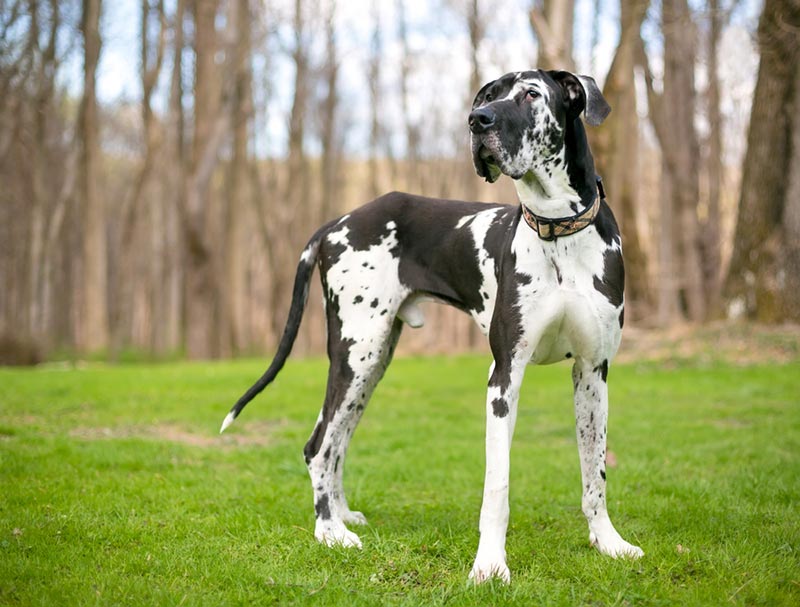
Great Danes may be susceptible to health problems, but virtually every breed is. You can reduce the risk of health concerns in your Great Dane by choosing a reputable breeder who tests for genetic problems. If you’re rescuing a dog, you can have a vet evaluate your dog to come up with a wellness plan.
Along with regular veterinary care, a healthy diet that gives your Dane the nutrients it needs and helps it maintain an ideal weight plays a big role in overall health and well-being. Obesity is a big risk for giant dog breeds and can contribute to osteoarthritis, diabetes, and hip dysplasia.

Summary
Great Danes are gentle giants that make great family pets. Due to their incredible size, Great Danes have some serious health conditions that are prevalent in the breed, including bloat and hip dysplasia. The best thing you can do for your dog’s health is to keep up with regular veterinary care and discuss any concerns or preventative measures with your vet.
Sources
Featured Image Credit: Fotyma, Shutterstock
Get Hepper In Your Inbox


Pet care tips from our vets and experts, straight to your inbox.
You may opt-out at any time. View our Privacy Policy for more information.
Nicole is a lover of animals of all sizes but is especially fascinated with the feline variety. She’s the proud mom of Baby, a Burmese, and works every day so he can relax in the sunshine or by the fire. She’s always had a cat in her home and has spent countless days with others, observing behaviors and softening up even the grouchiest of the lot. Nicole wants to share her kitty expertise with you so you and your cat can live happy, healthy, and care-free.
Join the conversation
Ask a question, share your story, or send private feedback.