Hepper is reader-supported. When you buy via links on our site, we may earn an affiliate commission at no cost to you. Learn more.
Anisocoria in Dogs: Causes, Signs, Treatments (Vet Answer)

In this article
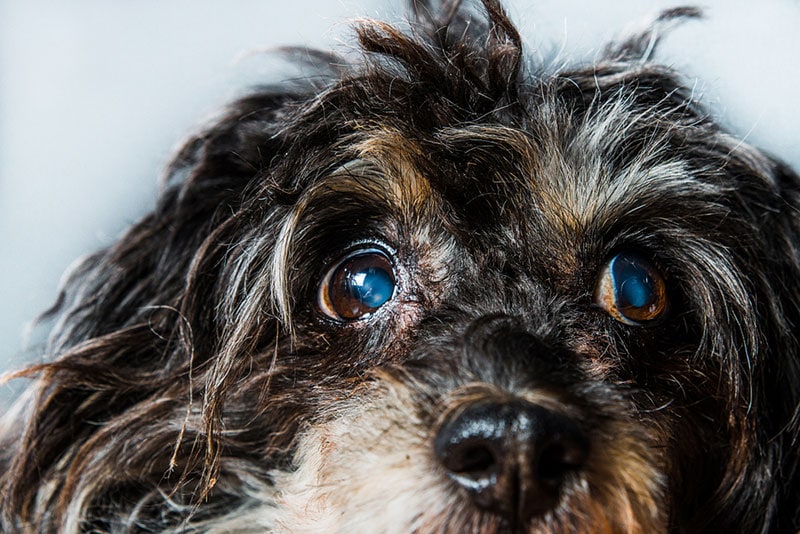
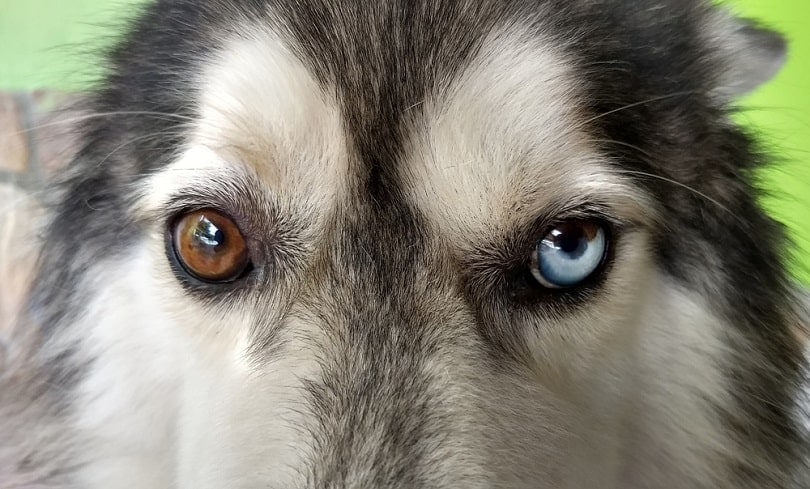
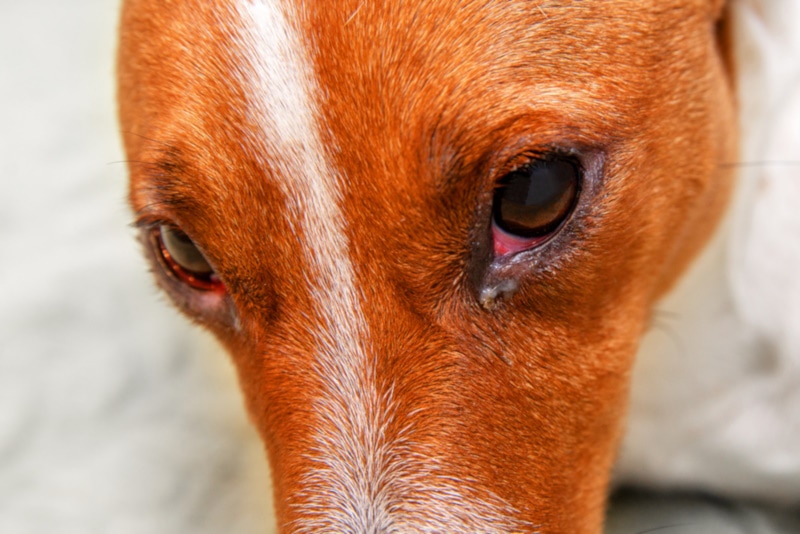
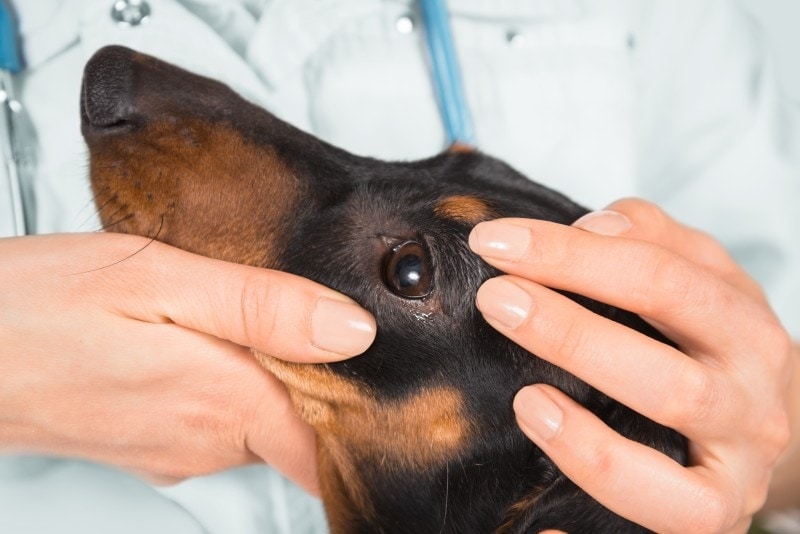
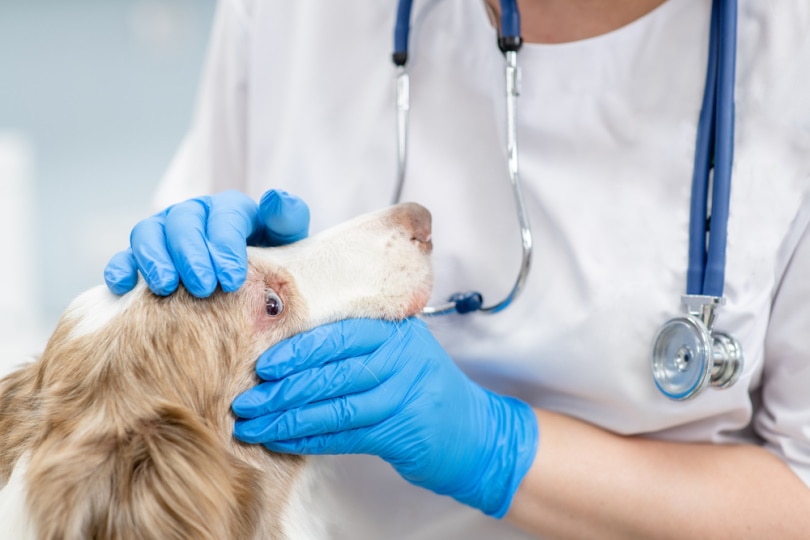
“Anisocoria” is the term used to describe the asymmetrical appearance of pupils within the same animal. It's important to note that anisocoria is not a disease itself but is a sign of several disorders. If you notice this occurring in your dog, a consultation with your veterinarian should be scheduled quickly. Your veterinarian will perform a thorough examination to better determine the underlying cause of anisocoria.

What Is Anisocoria?
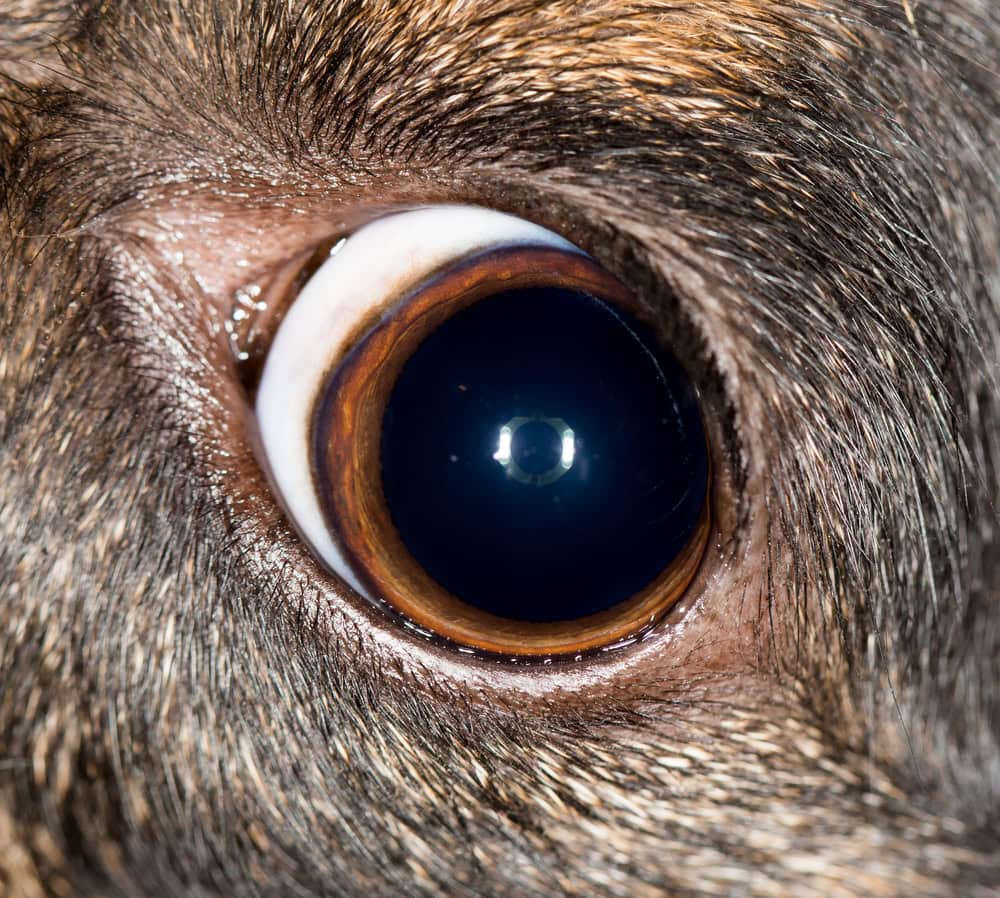
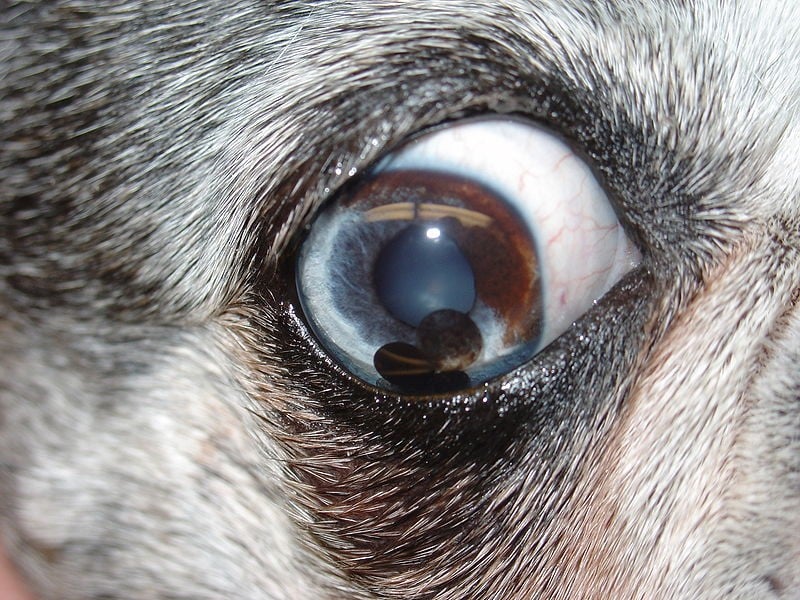
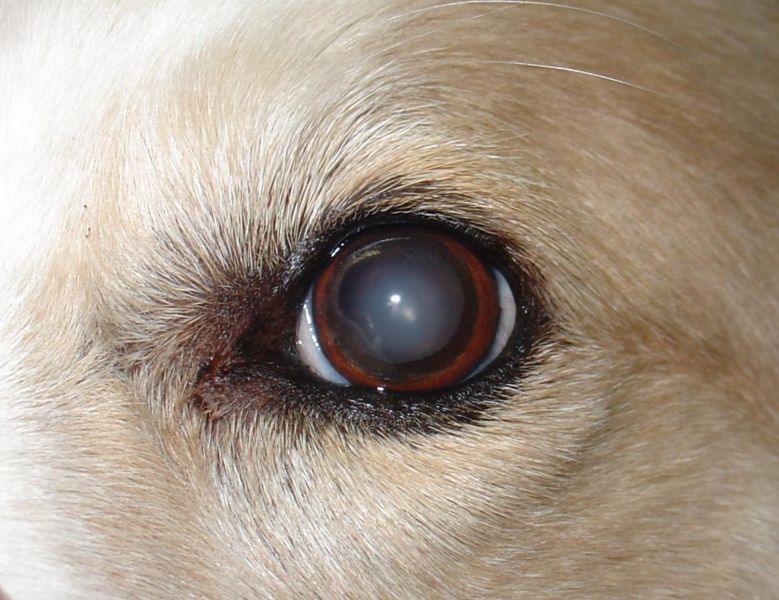
Anisocoria is a condition in which the pupils of the left and right eye differ in size. As a quick anatomy review, the iris is the round, colorful portion of the eye. Within the center of the iris is the pupil which is black in color. The pupil size increases and decreases based on light and helps control light reaching the back of the eye. Generally, pupils will constrict in light, and dilate in the dark.
Patients who exhibit anisocoria may not be able to respond appropriately to light. Anisocoria can occur for a variety of reasons, from eye diseases to nerve abnormalities. The term “miosis“ is used to describe a pupil that is smaller than usual, whereas the term “mydriasis“ is used to describe a pupil that is larger than normal. The affected eye can exhibit either miosis or mydriasis, depending on the underlying cause of anisocoria.
What Are the Causes of Anisocoria?
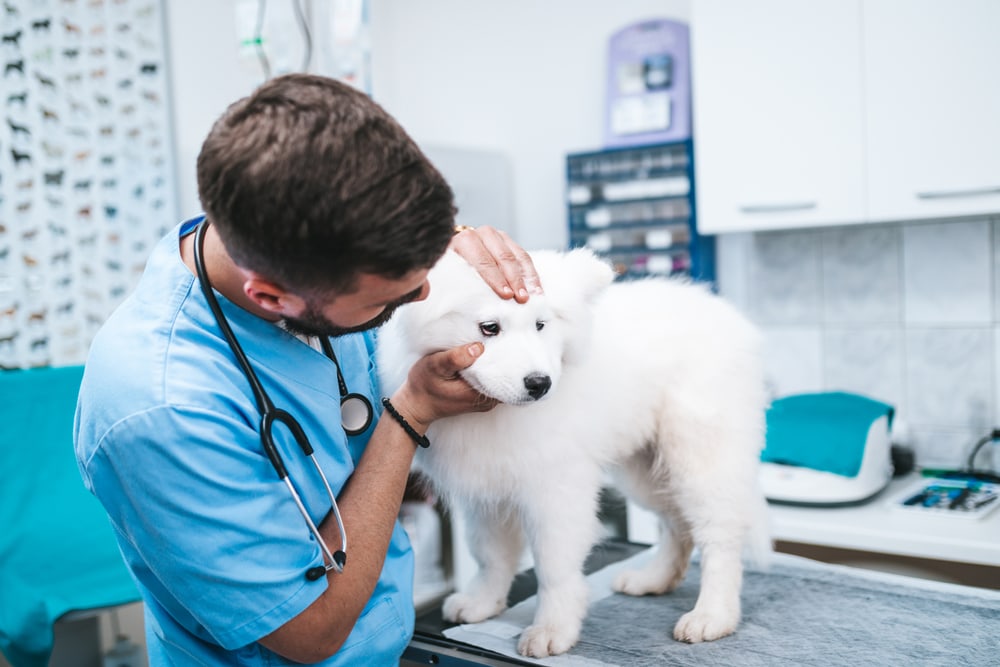
The causes of anisocoria can be divided into either primary eye conditions or nerve abnormalities.
Primary Eye Abnormalities
Trauma, diseases, and congenital abnormalities affecting the eye can result in pupil asymmetry.
Examples of eye conditions that can cause anisocoria include but are not limited to:
- Uveitis
- Corneal ulceration
- Iris atrophy
- Glaucoma
- Iris hypoplasia
- Ocular neoplasia
Peripheral and Central Nervous System Abnormalities
Infections or trauma to nerves innervating the eye can cause anisocoria. Examples of nervous system abnormalities leading the pupil asymmetry include but are not limited to:
- Middle ear infections
- Cancer of the nervous system
- Hydrocephalus
- Meningitis
- Head trauma
How Do I Care for a Dog With Anisocoria?
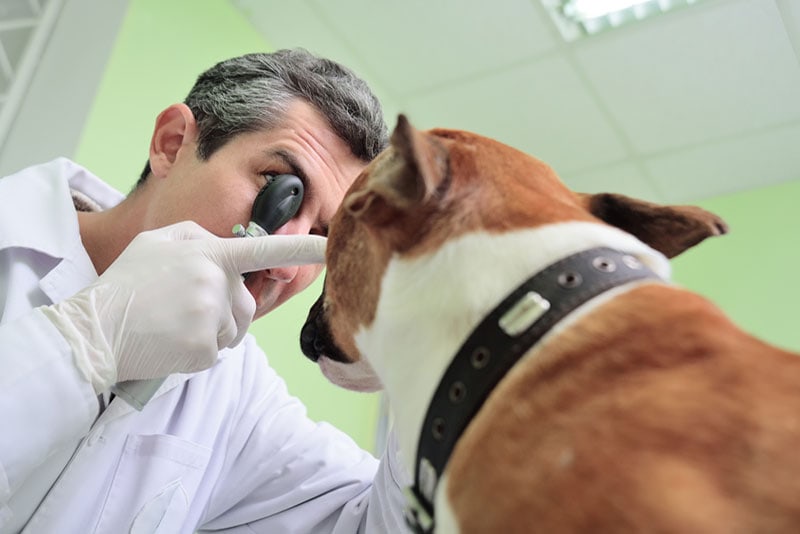
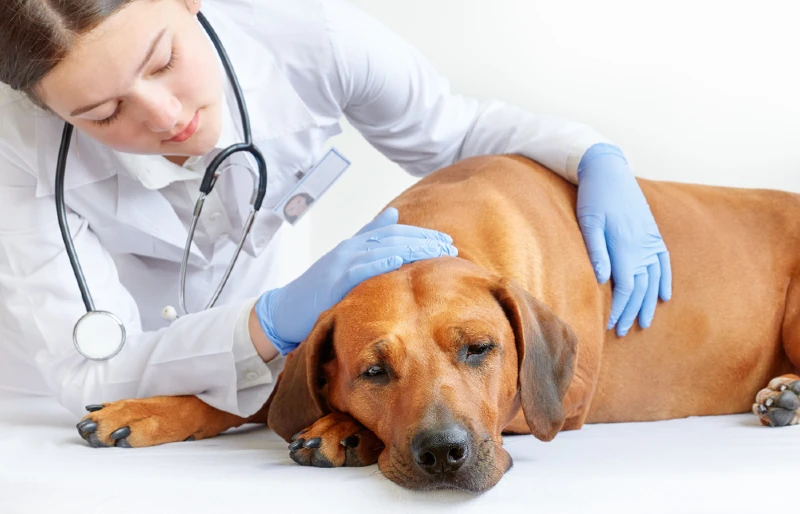
At the first sign of pupil asymmetry, you should schedule an appointment with your veterinarian. Your veterinarian will carefully evaluate the eyes, ears, and nervous system of your dog in order to better understand the origin of anisocoria.
In some cases, it is possible that your pet may be referred to a specialist, generally an ophthalmologist or a neurologist. The referral will depend on your veterinarian’s initial evaluation and what diagnostic tests may be needed. Neurologists can perform a detailed neurologic examination to better pinpoint where the nerve abnormality is occurring in suspected neurologic cases and may be able to provide advanced imaging like CT or MRI.
It is important to follow the care instructions provided by your veterinarian. Care will vary depending on the underlying cause of the anisocoria. It is important to closely monitor your pet for signs of changes to the eye including evidence of pain, change in appearance, and change in vision. Do not hesitate to contact your veterinarian if the condition of your pet changes.
Depending on the underlying cause, you may need to medicate your dog daily. Make sure to follow up with your veterinarian at recommended recheck appointments, as this will determine how medications may need to be adjusted.

Frequently Asked Questions (FAQs)
Will My Dog’s Eye Return to Normal?
That unfortunately depends on the underlying cause of the anisocoria. If your dog is suffering from primary eye issues like an ulcer or uveitis, the pupil size will likely return to normal once there is resolution of the underlying disease.
Is My Dog in Pain?
Some dogs experiencing anisocoria may not feel discomfort at all, whereas others may. It all goes back to the underlying cause of the condition. For example, glaucoma is a painful condition, so dogs with anisocoria will be uncomfortable, not necessarily due to the varying pupil sizes but due to the increased pressure within the eye.
Does My Dog Need to See an Ophthalmologist?
The first step is to have your dog evaluated by your regular veterinarian. Based on your veterinarian’s findings and your pet’s response to treatment, your veterinarian may refer you to a specialist.
In Summary
There are several different causes of anisocoria, and your veterinarian will be able to guide you through the testing needed to determine the underlying cause. It is important to remember that anisocoria is not a disease itself but is a sign of a disorder. Treatment will be directed at the underlying cause, not the asymmetrical pupil size itself. Pupil size is often described as either miotic or mydriatic. Pupil size may return to normal and be symmetric between eyes with treatment of the underlying cause; however, this does not always occur.
Sources
Featured Image Credit: Ermolaev Alexander, Shutterstock
Get Hepper In Your Inbox


Pet care tips from our vets and experts, straight to your inbox.
You may opt-out at any time. View our Privacy Policy for more information.
Meet Dr. Marti Dudley, a dedicated small animal veterinarian who possesses a strong passion for preventive medicine and client education. She takes pride in serving as a valuable resource for pet owners, firmly believing that a collaborative approach results in the optimal care for our beloved animal companions. In addition to her clinical work, Dr. Dudley has a fondness for writing, using this skill as an innovative means to educate pet owners beyond the confines of the traditional veterinary office setting.
Meet Dr. Marti Dudley, a dedicated small animal veterinarian who possesses a strong passion for preventive medicine and client education. She takes pride in serving as a valuable resource for pet owners, firmly believing that a collaborative approach results in the optimal care for our beloved animal companions. In addition to her clinical work, Dr. Dudley has a fondness for writing, using this skill as an innovative means to educate pet owners beyond the confines of the traditional veterinary office setting.
Professional Background:
Dr. Dudley has been actively practicing veterinary medicine since 2014, accumulating a wealth of experience. Her special interest lies in preventive care, and she places significant emphasis on the importance of educating clients about the well-being of their pets. Dr. Dudley's professional journey in veterinary medicine has been diverse, having worked as a general practitioner, affording her the opportunity to encounter and address a wide array of medical conditions in animals.
Educational Achievements:
Dr. Dudley's academic background includes a bachelor's degree in biology earned from Longwood University in Virginia. She further pursued her passion by obtaining a Doctor of Veterinary Medicine (DVM) degree from Ross University.
Join the conversation
Ask a question, share your story, or send private feedback.