Hepper is reader-supported. When you buy via links on our site, we may earn an affiliate commission at no cost to you. Learn more.
Are Air Purifiers Safe for Pets? Vet Reviewed Health & Safety Facts


In this article
There’s no denying that having pets in your home is a life-enriching experience. Pets, including dogs, cats, rabbits, ferrets, birds, gerbils, and fish, provide companionship and fun times. However, if we’re being honest, pets also have a drawback or two, including an often-unmistakable odor and the fact that they may trigger allergic reactions in their human family members.
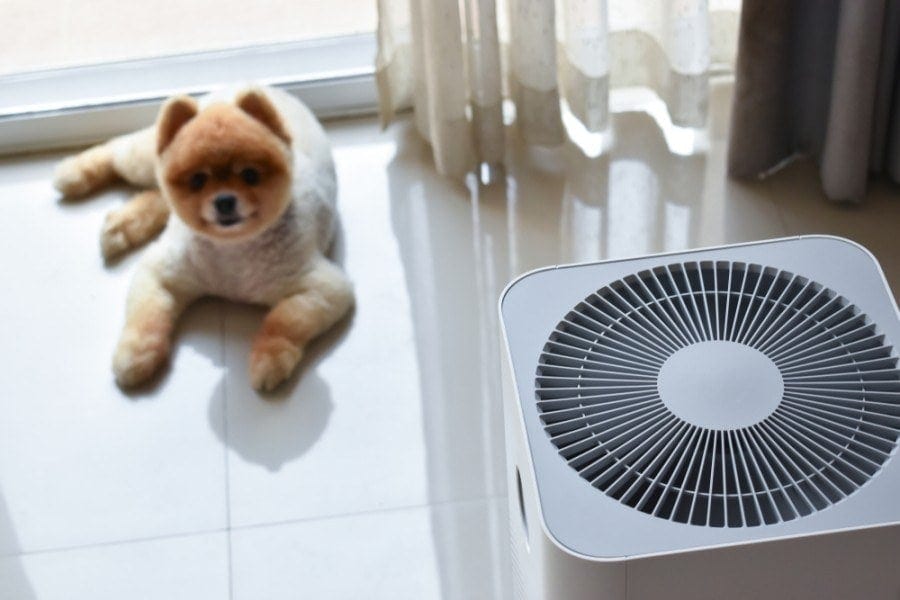
The good news is that there is a solution to these two issues in the form of an air purifier. However, before you hop online and make a purchase, one question you need to ask is whether air purifiers are safe for pets. The answer is yes and no. It all depends on the air purifier you purchase, the type of pet you own, and how you install the machine in your home. Keep reading below to find out why the answer is slightly perplexing and get the hard facts you need to purchase the best air purifier for you and your pet.

Are All Air Purifiers the Same?
Air purifiers can be safe for some pets but not for others because there are several types of air purifiers. Let’s take a quick look at the two main types and their most crucial difference: ozone creation.

Air Purifiers That Do Not Create Ozone
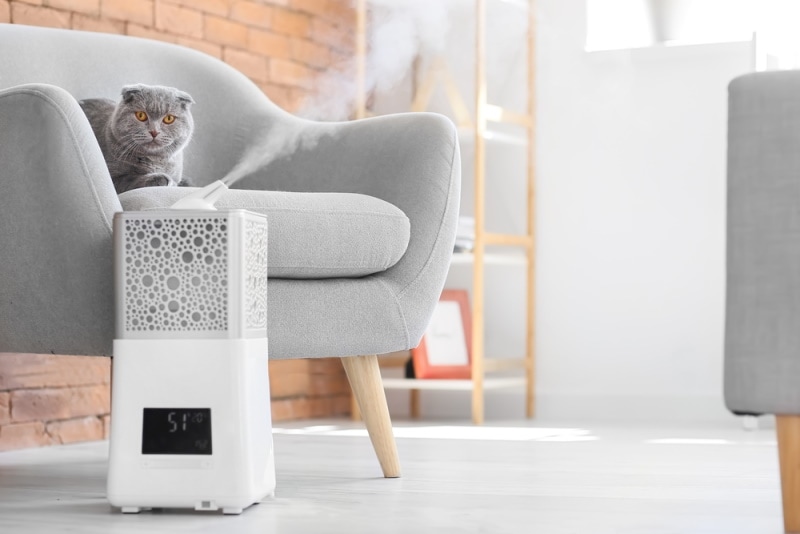
Air purifiers are made to do one thing; purify the surrounding air of gaseous pollutants, toxins, and solid pollutants like dust, dander, and pet hair. Conventional air purifiers are the best type for all pets, including birds (see below).
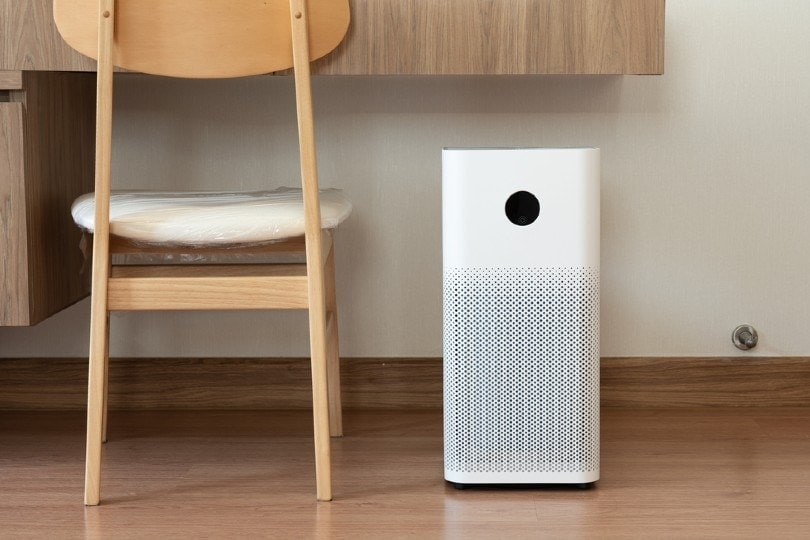
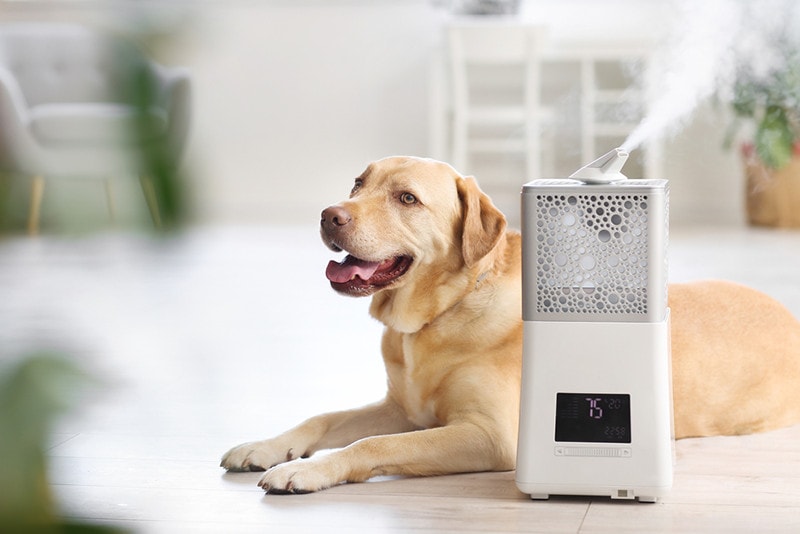
The types of air purifiers that don’t make ozone and are thus OK for all pets include:
Air Purifiers That Create Ozone
Ozone has strong air sanitation properties, which is why air purifiers that create ozone are popular. However, ozone is also a corrosive chemical that is unsafe around birds.
Ozone can, over an extended period, cause damage to your pet bird’s respiratory system, harm its immune system, and lower its ability to fight off respiratory infections. Ozone is unhealthy for human babies, also, and can negatively affect people with respiratory issues, including those with COPD and asthma.
You should also note that some air purifiers intentionally create ozone while others produce it as a by-product. That makes it imperative that you stay away from these types if you have pets.
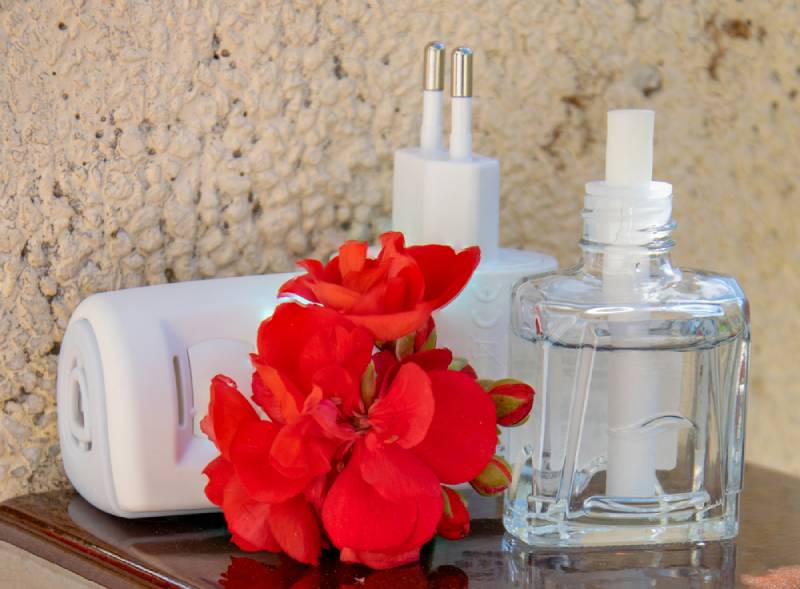
The air purifiers that generate ozone either on purpose or as a by-product include:
How to Know if an Air Purifier Produces Ozone
The problem is that manufacturers don’t have to tell you if their machine produces ozone as a by-product, leaving you in the dark (and your feathered family members at risk).
That leaves it up to you to protect your pet and do your due diligence before purchasing an air purifier. To help, we suggest you visit the website of the California Air Resources Board. There you will find practically every brand of air purifier that produces ozone. They also include all the models the particular manufacturer makes.
Can You Leave an Air Purifier Near Your Pet?
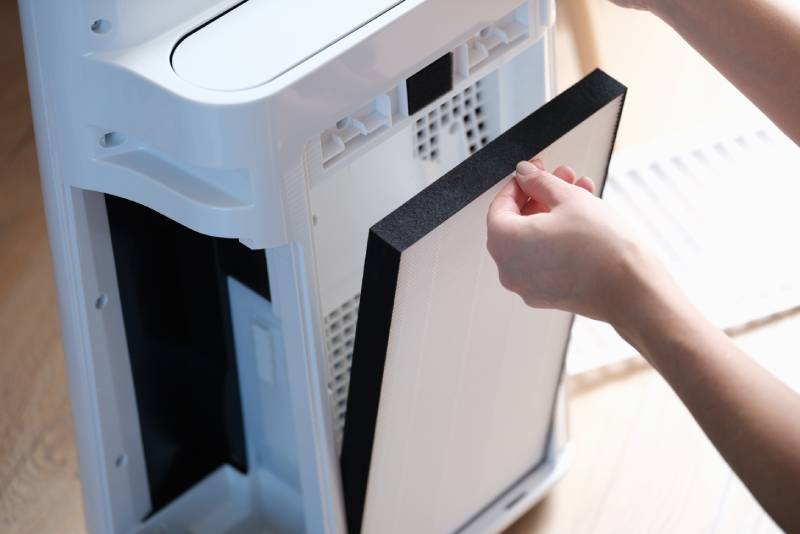
One of the good things about air purifiers for the home is that they’ve been put through several tests to ensure they’re safe. Many of those tests make sure that, for example, a toddler won’t be able to injure themselves around them by electrocution, falling over, etc.
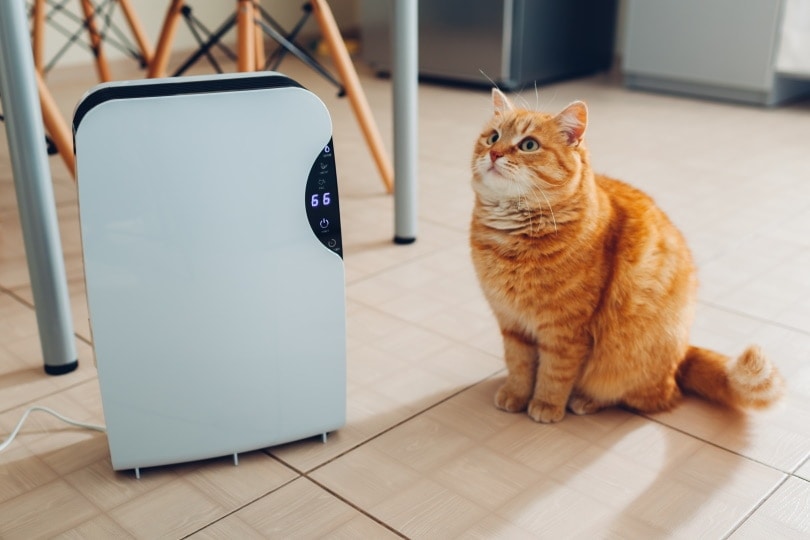
Before purchasing an air purifier, consider the machine's size compared to your pet's size. A large, heavy unit may be unsuitable if you have a wild pet that likes to knock over everything in its way. A small purifier on the kitchen counter might also be problematic if you have cats since we all know cats love to push things over and knock them off tables and countertops.
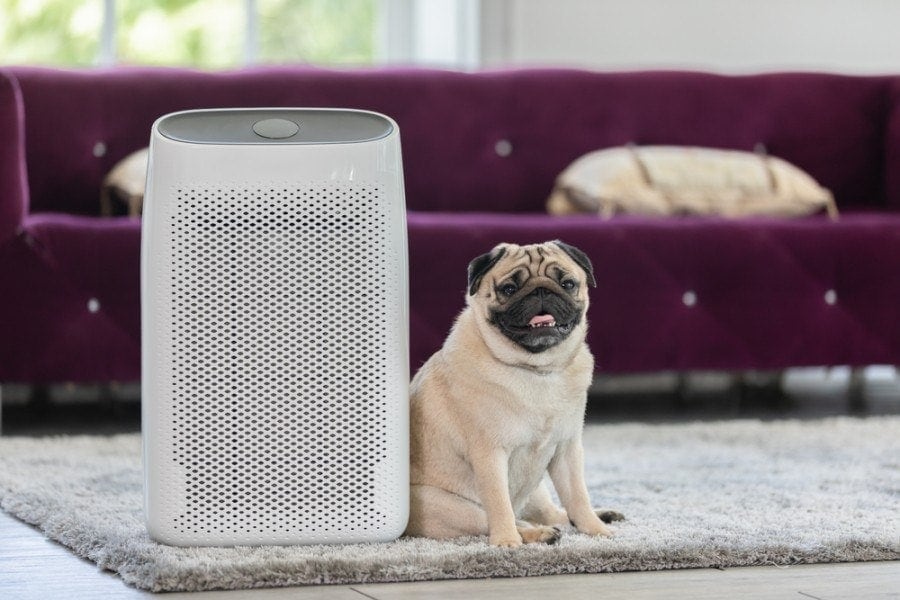
Lastly, air purifiers can create a daft by using a fan to suck in and push out air. That’s why placing them far away from a pet that’s in a cage and can’t move away from the draft is a good idea. This includes pets like birds, guinea pigs, hamsters, and rabbits. In short, while the purified air released by a HEPA air purifier is safe for all pets, the device can be a safety hazard.
Is the Noise an Air Purifier Makes Harmful to Your Pet?
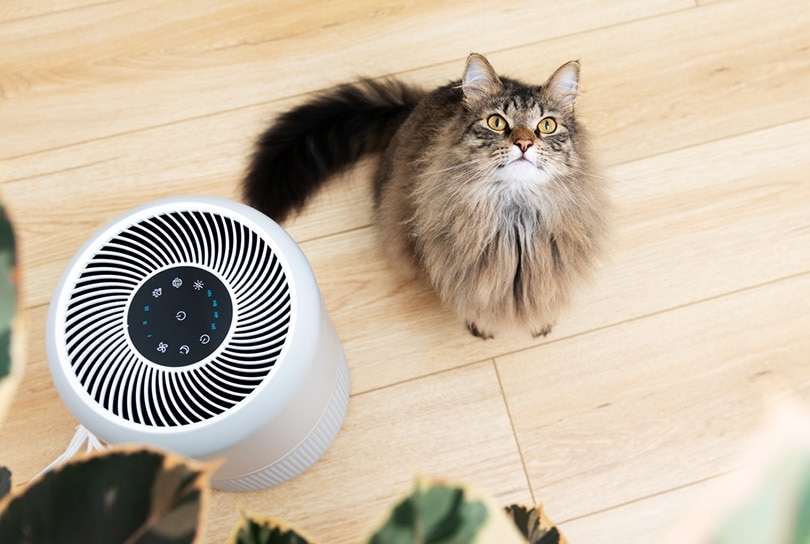
We’ve looked at ozone and the physical risks of placing an air purifier in your home to remove dust, mold, pet odors, dander, and toxins. There’s one other problem: noise pollution.
Air purifiers are electrical devices with a fan and other moving parts that make a small amount of noise, like a refrigerator, washer, dryer, or computer. Most are below 40 decibels (dB), which is more like a hum and will quickly fade into background noise.
However, some air purifiers can create as much as 70 dB of noise, about as loud as the typical vacuum cleaner. This noise level can be incredibly stressful for many pets, most of whom despise vacuums because they’re so loud and terrifying! Therefore, you must check the packaging to ensure the air purifier you purchase makes fewer than 40 dB of sound.
Top 3 Reasons to Get an Air Purifier for Your Pet(s)
You might be wondering why an air purifier is needed for pets, especially since it’s an added expense and uses a decent amount of energy. There are several excellent reasons to have an air purifier when you have a pet (or multiple pets).
1. Air Purifiers Remove Contaminants and Toxins That Can Harm Your Pet
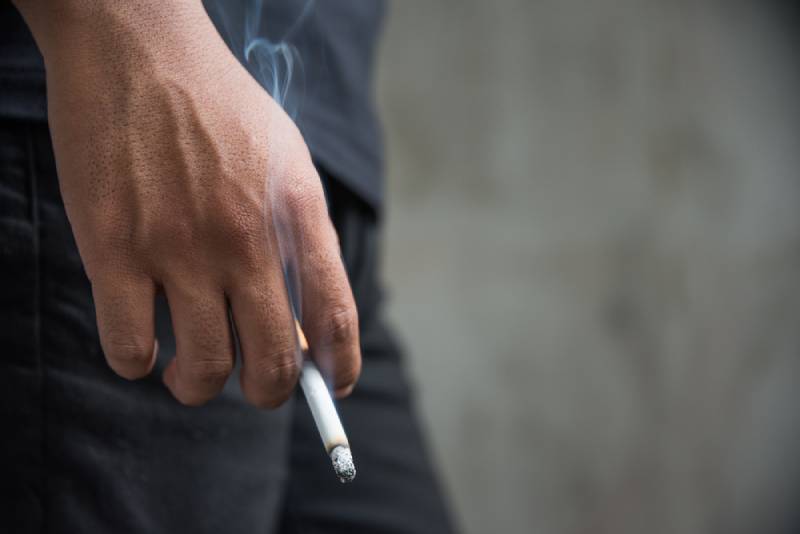
Unfortunately, many American homes have air that is impure and filled with toxins, such as cigarette smoke and gas stove emissions. In some houses, there’s also mold, asbestos, pesticides, and cleaning chemicals, all of which can affect your pet’s respiratory health. Air purifiers remove all of these unhealthy contaminants and make the air cleaner for your pet and other family members.
2. Air Purifiers Remove Odors Your Pets Can Leave Behind
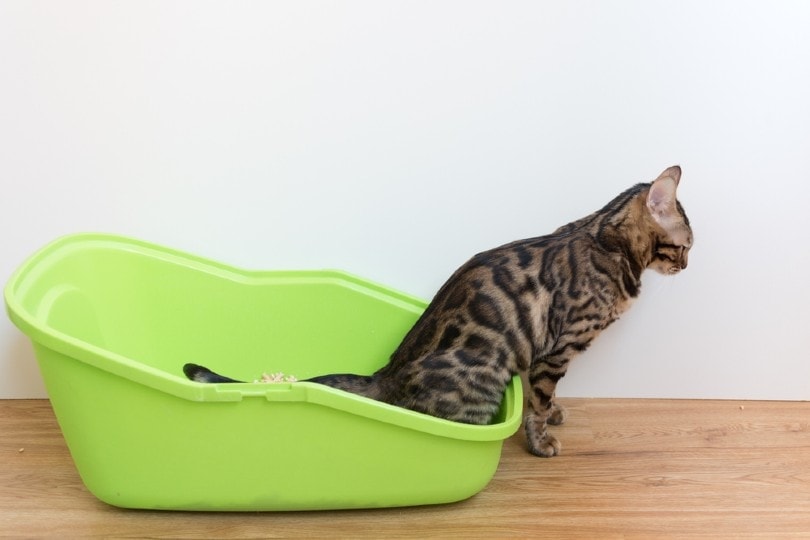
Some pets can be quite stinky through no fault of their own. Even if they aren’t, the waste they leave behind, either in a litter box or by accident, can be truly smelly. An air purifier removes these smells and makes life more pleasant for you and your pets.
3. Air Purifiers Are Helpful When You Have Allergies
An estimated 100 million Americans have some type of allergy, making it the 6th leading cause of chronic illnesses in the country. Air purifiers, especially HEPA purifiers, get rid of dander and other pet-related stuff that causes allergies to act up. HEPA stands for “high-efficiency particulate air, which means that a HEPA filter gets rid of tiny particles in the air.
Final Thoughts
While some air purifiers are safe for pets, air purification machines that make ozone or create ozone as a by-product are not, especially for birds. That’s why veterinarians recommend a true HEPA air purifier with a carbon filter; it will clean the air in your home with almost no risk to your pets, you, or your family.
One caveat is that whichever air purifier you purchase, you need to place it in a safe spot where your pets won’t be able to knock it over or knock it off of a shelf, countertop, or table. That said, if you have a HEPA air purifier and it’s in a safe spot, the benefits they provide for your pet and everyone else in your home are undeniable.
See also:
Featured Image Credit: Suti Stock Photo, Shutterstock
Get Hepper In Your Inbox


Pet care tips from our vets and experts, straight to your inbox.
You may opt-out at any time. View our Privacy Policy for more information.
Greg Iacono is a self-taught writer and former chiropractor who, ironically, retired early due to back problems. He spends his time writing scintillating content on a wide variety of subjects. Greg is also an accomplished video script writer known for his ability to take a complex subject and make it accessible for the layperson.
Join the conversation
Ask a question, share your story, or send private feedback.