Hepper is reader-supported. When you buy via links on our site, we may earn an affiliate commission at no cost to you. Learn more.
Are Plug-In Air Fresheners Safe for My Cat? (Vet Approved Advice)


In this article
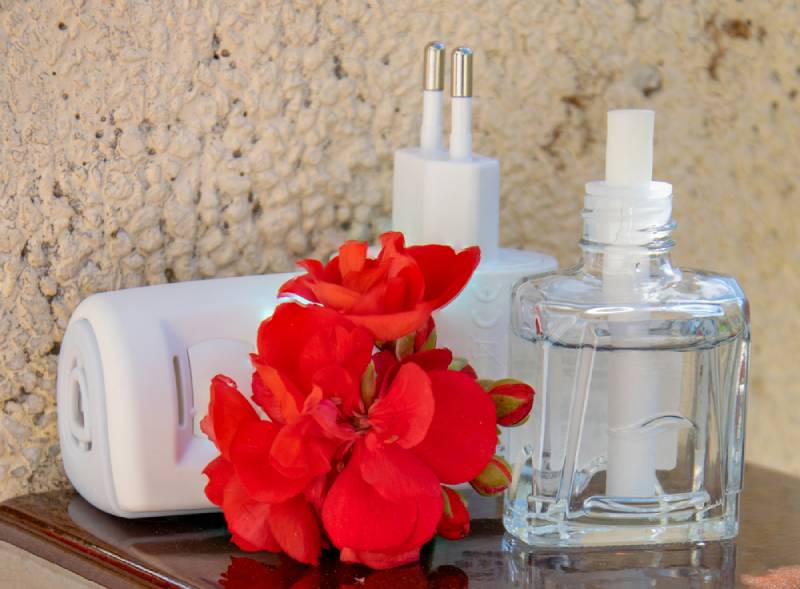
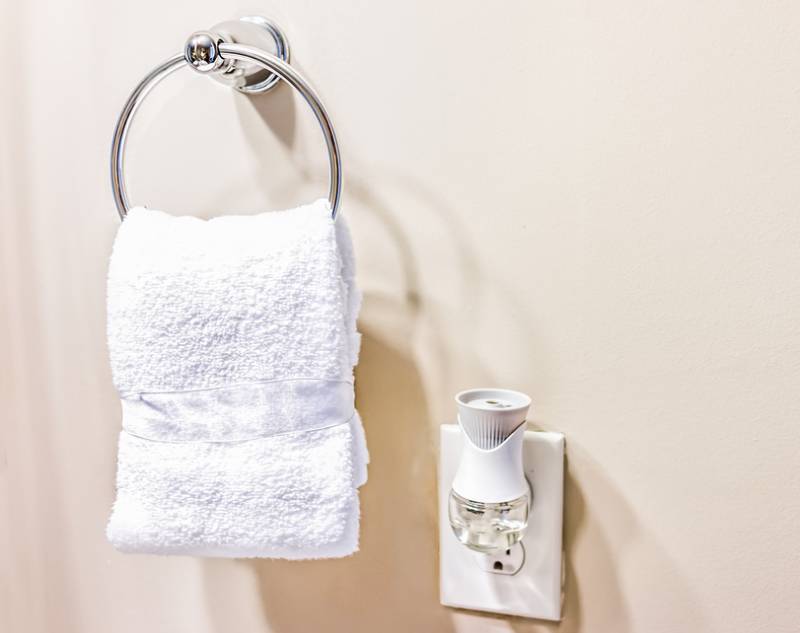
Plug-in air fresheners are popular products that make your home smell a little cleaner (even if it isn’t!) or provide a relaxing vibe with essential oils. However, they are also a source of potential health issues for people and pets. Because of all the possible hazards, plug-in air fresheners are generally unsafe for your cat.
Keep reading to learn why plug-in air fresheners are often dangerous for cats. We’ll discuss the signs that your cat may be suffering ill effects from exposure to plug-ins. In addition, we will talk about how to use these products as safely as possible around cats if you must have them in your home.

The Dangers of Air Fresheners for Your Cat
Most plug-in air fresheners (and other scented products) contain volatile organic compounds (VOCs.) These substances quickly turn from liquid to gas at room temperature, allowing the plug-in to spread fragrance throughout the room. According to research, VOCs are associated with numerous health issues in humans and pets.1
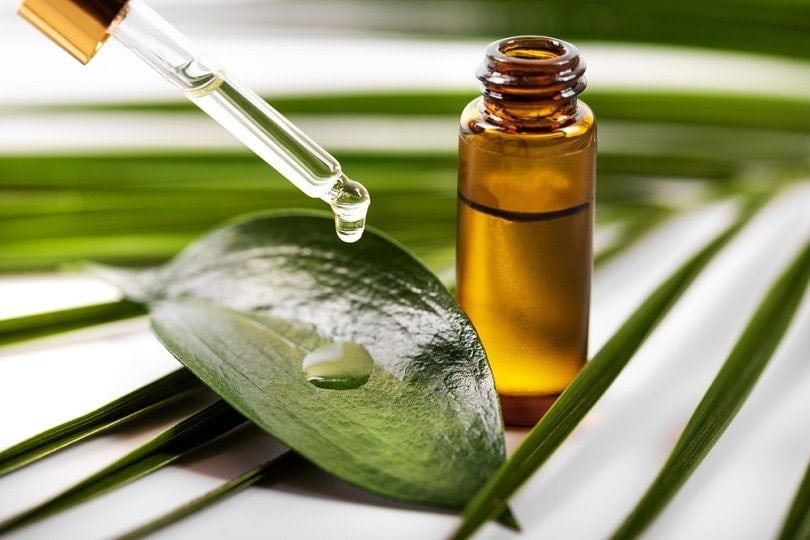
Essential oil plug-in fresheners are not necessarily any safer, either. They can also give off VOCs. Some essential oil air fresheners release small droplets of product into the air, which produces an extra danger for cats.
Cats exposed to plug-in essential oil air fresheners may collect droplets on their fur. Because cats groom so frequently, they can ingest these essential oil particles, many of which are toxic.2 Breathing in the oil is also dangerous; some essential oils can be absorbed through the skin.
Depending on the type of plug-in air freshener, cats could also be at risk of chewing or breaking the product.
Health Risks of Plug-in Air Fresheners for Cats
Some of the most common health risks to cats potentially caused by plug-in air fresheners are breathing issues, liver damage, and digestive upset. Cats are more at risk from essential oils than dogs or humans because they are missing a critical enzyme that helps break down toxins, including those found in the oils.
Breathing problems can occur if cats are exposed to VOCs or essential oil air fresheners. Cats with respiratory issues, such as asthma, are at higher risk. Exposure to VOCs and other respiratory irritants can also increase the likelihood of cats developing asthma.
If your cat chews on a plug-in air freshener or swallows particles of essential oil while grooming, it may upset its digestive system. Some essential oils may also impact the nervous system. Finally, your cat could suffer an electrical shock by chewing on a plug-in air freshener or develop an intestinal blockage by swallowing parts of the plug-in.3
Here are some signs you may notice if your cat is suffering dangerous effects from a plug-in air freshener:
- Discharge from the eyes or nose
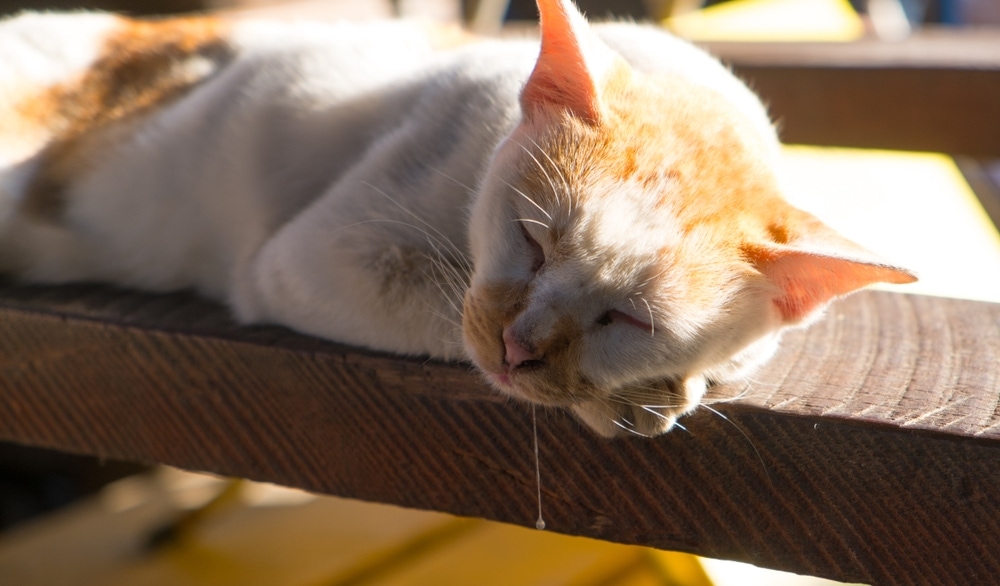
- Drooling
- Coughing/sneezing
- Lethargy
- Trouble breathing
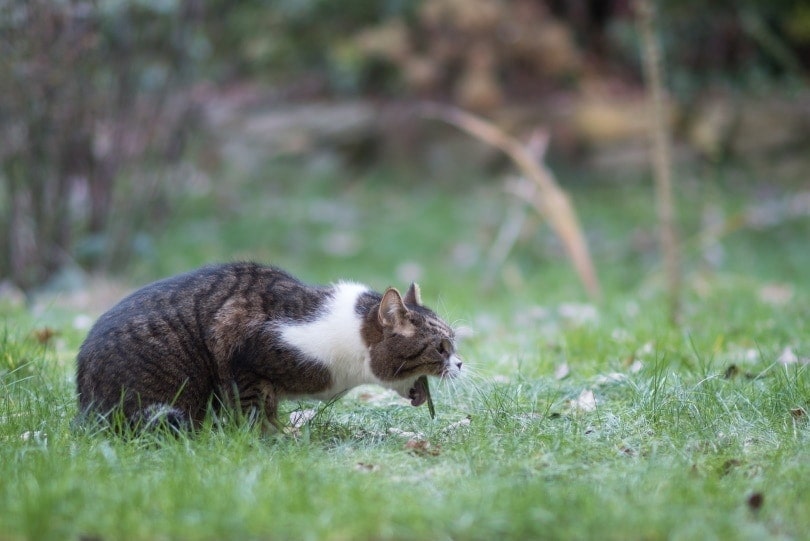
- Vomiting
- Diarrhea
- Loss of appetite
- Tremors
- Disorientation
These signs may occur quickly or take time to become obvious. If you are using a plug-in air freshener and notice any of these signs, stop using the product and quickly remove your cat from the room for fresh air. Contact your veterinarian for further instructions.
How to Use Plug-In Air Fresheners as Safely as Possible
Given how many potential dangers plug-ins present for your cat, it’s probably best to avoid using these products. However, if you want or need a plug-in air freshener, the most important safety step is to ensure the house or room stays well-ventilated. Using the plug-in in a closed space increases the VOCs or essential oils that build up in the air, along with the potential irritation and toxic effects.
Make sure your cat always has an escape route from the area where the plug-in is located. As an added precaution, consider only using plug-ins in rooms off-limits to cats. Monitor your cat carefully for any signs mentioned in the previous section. Discuss your use of plug-in air fresheners with your veterinarian as well. This step is especially vital if your cat is young, old, or has any underlying conditions that could make them more vulnerable to ill effects from plug-ins.
Conclusion
No one wants their home to smell anything less than pleasant, but plug-in air fresheners are not always the safest solution. Products with a strong fragrance, such as plug-in air fresheners, can be dangerous for cats. Many people with allergies and asthma are also sensitive to these products. If you must use them, keep the room or area well-ventilated and supervise your cat carefully.
Sources
Featured Image Credit: Joapech, Shutterstock
Get Hepper In Your Inbox


Pet care tips from our vets and experts, straight to your inbox.
You may opt-out at any time. View our Privacy Policy for more information.
A lifelong lover of all creatures great and small, Elizabeth got her first cat at 5 years old and at 14, she started working for her local veterinarian. After spending more than 20 years working as a veterinary nurse, Elizabeth decided to step away to become a stay-at-home parent to her daughter. Now, she is excited to share her knowledge with our pet parents. Elizabeth lives in Iowa with her family, including her two fur kids, Linnard, a husky mix and Algernon, the worldʻs most patient cat. When not writing, she enjoys reading, watching soccer, and spending time outdoors with her family.
Join the conversation
Ask a question, share your story, or send private feedback.