Hepper is reader-supported. When you buy via links on our site, we may earn an affiliate commission at no cost to you. Learn more.
Are Bully Sticks Safe for Puppies? Uses, Risks & Alternatives

In this article
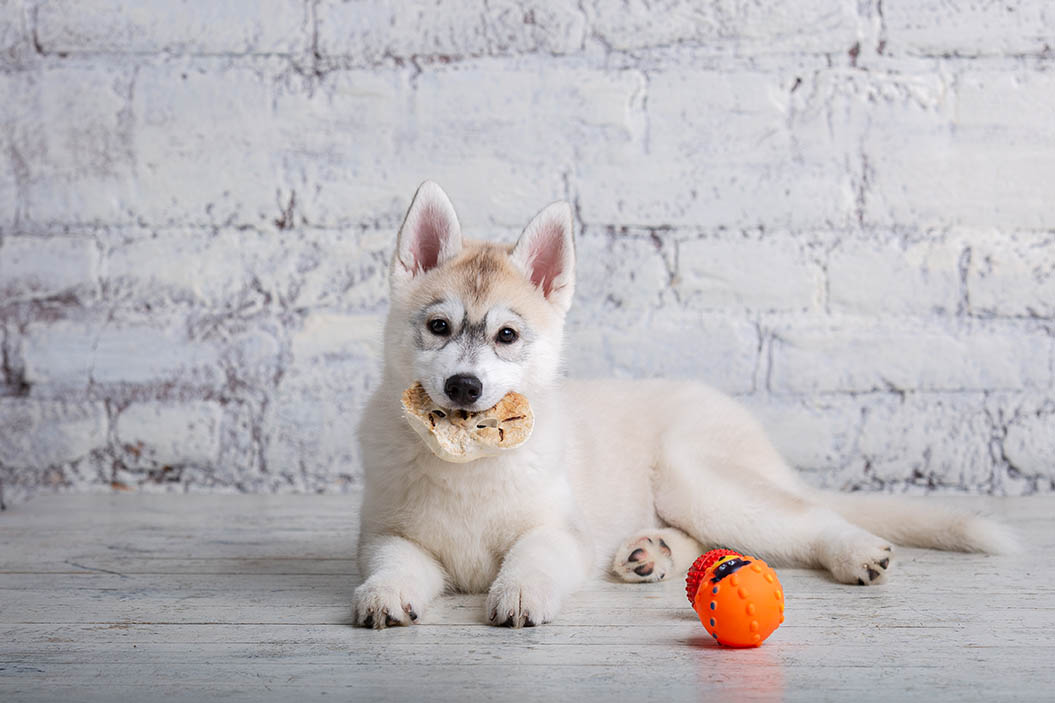
A risk exists anytime you give your pet a treat. It may have an allergic reaction. It might not agree with your dog. Worse still, your pup may swallow it and risk an obstruction. The short answer about whether bully sticks are safe for puppies is that it depends. The unknown factor is your pooch and what it does with the treat.
Some pets will chew on them for a while and then forget about them as soon as something distracts them. Other dogs might bury them. The concern is that puppies that will chew bully sticks down to small bits that they can swallow, hence, the choking and obstruction risk.

What Are Bully Sticks?
We have to start with the obvious question, what the heck is a bully stick? The name is a clever one when you consider what it is. A bully stick is a pizzle, i.e., a bull’s penis bone. Technically, the definition applies to its use as a flogging device that started in the 16th century, but we’ll let that pass.
Despite its violent past, people used the pizzle for glue, walking sticks, leather, and even for human consumption. If you think about it, bully sticks are the ultimate in nose-to-tail consumption. After all, you can get other so-called natural chews, such as pig ears, hooves, and cow knee caps. Why not the pizzle? The surprising thing about bully sticks is that fewer people—even veterinarians—know what they are.
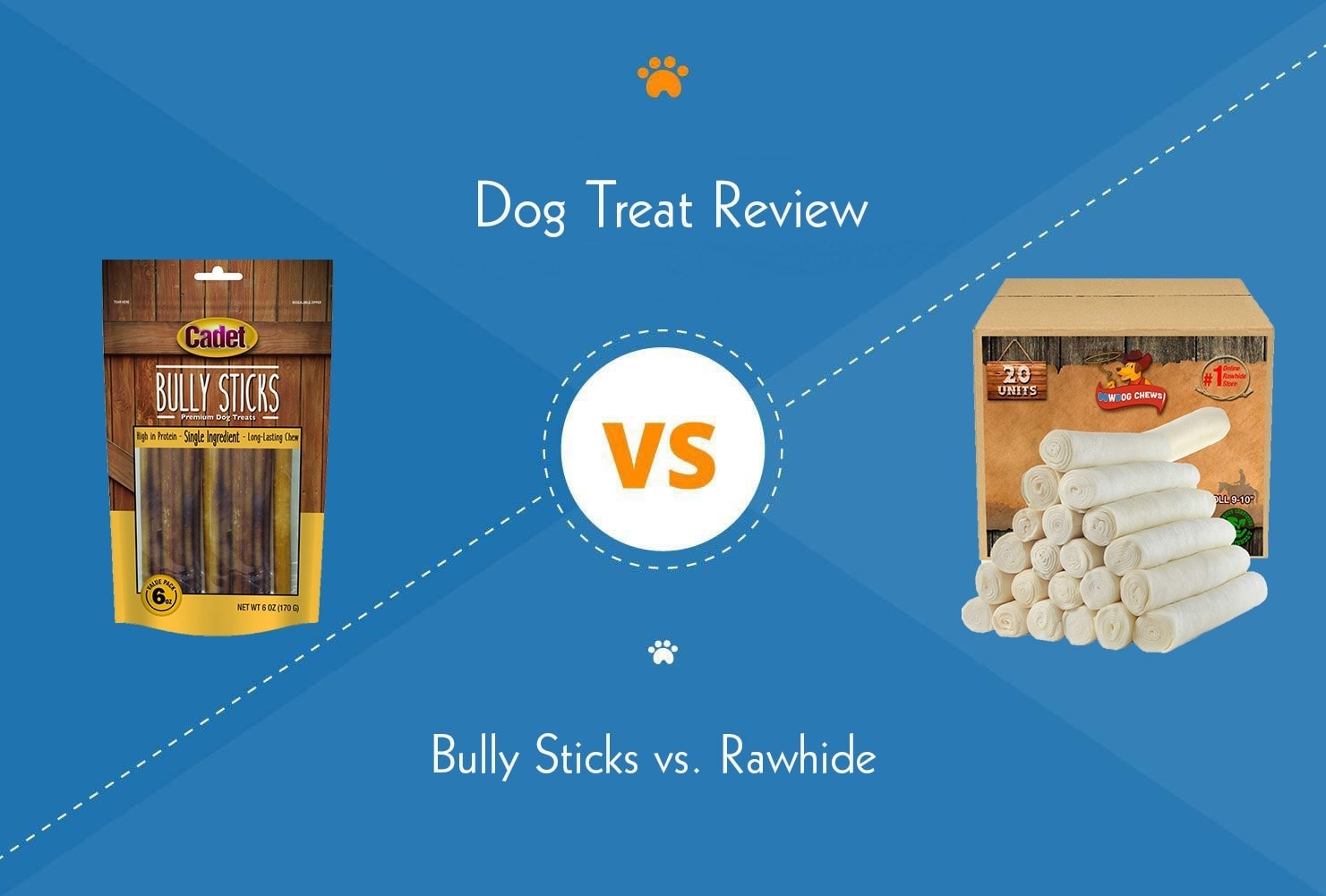
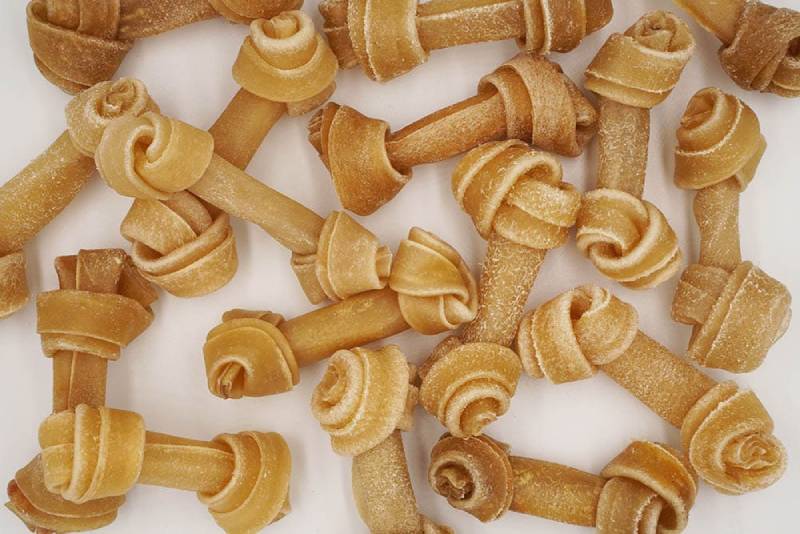
A bully stick is 100-percent bovine muscle. They are a high protein source that contains little fat. They differ from rawhide, which is untanned skin and less digestible than bully sticks. And dogs seem to love them. We’d be remiss if we didn’t mention one aspect that may turn you off from giving your puppy beef sticks. The fact is that they stink. That’s why you should opt for odor-free products.

Dogs and Bones
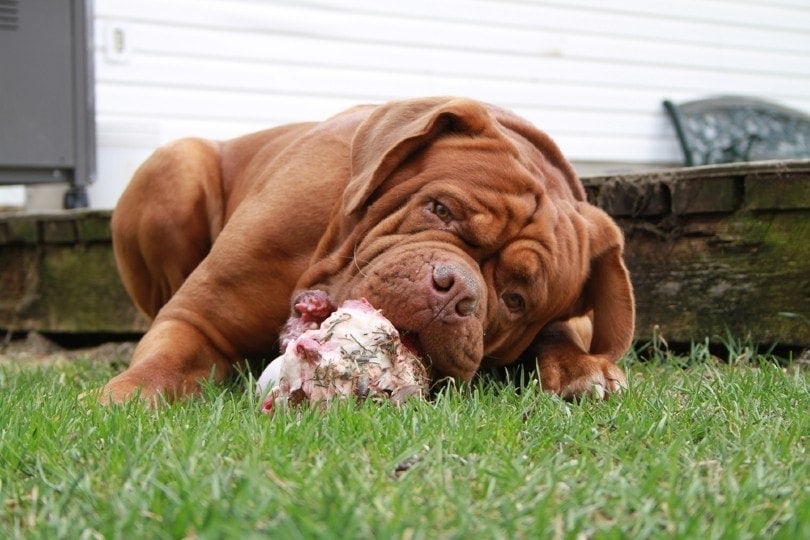
The fact remains that dogs are carnivores that share a common ancestor with the modern-day wolf. They are well-equipped as predators, too. That can explain the appeal for foods such as pizzles. Canines aren’t that particular about what they eat most time. They can—and do—eat bones that they can crack open with their teeth. The strength of their bite varies with the breed.
A Rottweiler will make short work of a bone, rawhide, or bully stick. On the other hand, a petite Yorkshire Terrier trades the nasty bite for a bigger bark. Therefore, part of the answer to this question rests with your pup’s feeding style. If it gobbles its food, then the chances are the bully stick doesn’t stand a chance against its sharp puppy teeth.
Health Risks
Health risks exist when you feed your dog any food item that goes beyond what we’ve already described. First, there’s a chance you or your pet may contract a food-borne illness from eating a bully stick. A study by Tufts Cummings School of Veterinary Medicine uncovered some unsettling evidence.
A random sampling of bully sticks found traces of E. coli, MRSA, and a toxic strain of Clostridium difficile in some of the samples. The number tested was small at only 26. However, it brings to light something else you must bear in mind when buying these kinds of treats. Manufacturers of these treats don’t have to register them or comply with labeling regs unless they make health claims.
The second thing to remember is the potential damage to your puppy’s teeth. Bully sticks won’t splinter like other bones. However, that doesn’t mean your pup can’t fracture a tooth on one. These treats come in a variety of sizes, shapes, and styles. Braided ones may last longer because there’s more material in them. On the flip side, they’re likely harder and pose a higher risk.

Safe Alternatives to Bully Sticks
We understand the role treats like bully sticks have for dog owners. Puppies get bored. They put everything in their mouths as they explore their world. We haven’t even mentioned teething. So, you have to give your pup something to make your shoes seem less appealing to them. Safer alternatives include products that are entirely digestible.
Another idea is to give your puppy a Kong toy and fill it with peanut butter. That will undoubtedly keep your pet occupied for a while. We strongly urge you to supervise your pup whenever you give it a new treat or toy. Sometimes, dogs can surprise you with what they can do. That’s the best way to ensure that you can give your pooch bully sticks and stay safe.

Final Thoughts
Using the whole cow is a sustainable way to manage the by-products of livestock. It means less waste while filling a valuable niche in the dog treat industry. Bully sticks offer an excellent source of supplemental nutrition. However, we recommend saving them for your adult dog. If you want to give your pup this treat, make sure to get the odor-free variety.
You might also be interested in:
Why Are Dogs Afraid of Thunderstorms? What You Need to Know!
Why Does My Dog Lick His Wounds? 4 Reasons for This Behavior
Featured Image Credit: Dmitriev Mikhail, Shutterstock
Get Hepper In Your Inbox


Pet care tips from our vets and experts, straight to your inbox.
You may opt-out at any time. View our Privacy Policy for more information.

Nicole is a lover of animals of all sizes but is especially fascinated with the feline variety. She’s the proud mom of Baby, a Burmese, and works every day so he can relax in the sunshine or by the fire. She’s always had a cat in her home and has spent countless days with others, observing behaviors and softening up even the grouchiest of the lot. Nicole wants to share her kitty expertise with you so you and your cat can live happy, healthy, and care-free.
Join the conversation
Ask a question, share your story, or send private feedback.