Hepper is reader-supported. When you buy via links on our site, we may earn an affiliate commission at no cost to you. Learn more.
What Are Bully Sticks Made Of? Vet-Reviewed Benefits & Safety Tips



In this article
If you own a dog, chances are that you’ve spent a fair amount of money on bully sticks. After all, pups love them, and they’re supposedly a healthy alternative to rawhide chews. But have you ever wondered what a bully stick is made from?
As it turns out, bully sticks are made from bull penises.
Don’t let that put you off from giving them to your pooch, though. As we’ll soon see, bully sticks are fairly safe for most dogs, but there are still pros and cons to be aware of, and certain precautions should be considered. Read on to find out if bully sticks are an appropriate chew for your dog.

Wait, Are Bully Sticks Penises For Real?
That’s right, if it's your first time researching what bully sticks are made of, you may be surprised to discover that bully sticks are made from bull penises. Some bully stick companies will try to disguise this fact by listing the primary ingredient as “beef muscle,” which manages to be technically correct if not an odd choice of wording.
Many people also call them “pizzle sticks.”

Bull penises are technically an animal by-product, which means that when you see the word “beef” on an ingredients label, the penis isn’t included in that. However, many manufacturers will take all the less-desirable parts of the animal, that are not intended for human consumption, and mush them into a slurry that they label as an animal by-product.
The difference between bully sticks and other animal by-products is that a bully stick is a single-ingredient food. You know exactly what’s in it, whereas most animal by-products are a mishmash of various ingredients, such as skin, bones, horns, hooves, blood, fat, and offal.
There’s usually nothing wrong with the bull penises, either. They’re just not something that most people would want to feed their dogs, so they have to be marketed differently.

Are Bully Sticks Safe for Dogs to Eat?
You may be fine with the idea of feeding beef penis to your dog, but does that mean that bully sticks are safe for dogs to eat?
There’s actually not much evidence on this topic one way or the other, and it will significantly depend on the source of the bully stick and your dog’s individual chewing preferences. There are certain risks and precautions one should be aware of before offering your dog a bully stick.
A 2013 study of bully sticks found that some of them were contaminated with dangerous bacteria, like Escherichia coli, methicillin-resistant Staphylococcus aureus, and Clostridium difficile, so there’s at least a possibility that your dog could get sick from eating them. You can also contract these bacteria yourself by handling the bully sticks, which are generally raw and dehydrated, so be sure to be vigilant about your hand and kitchen counter hygiene.
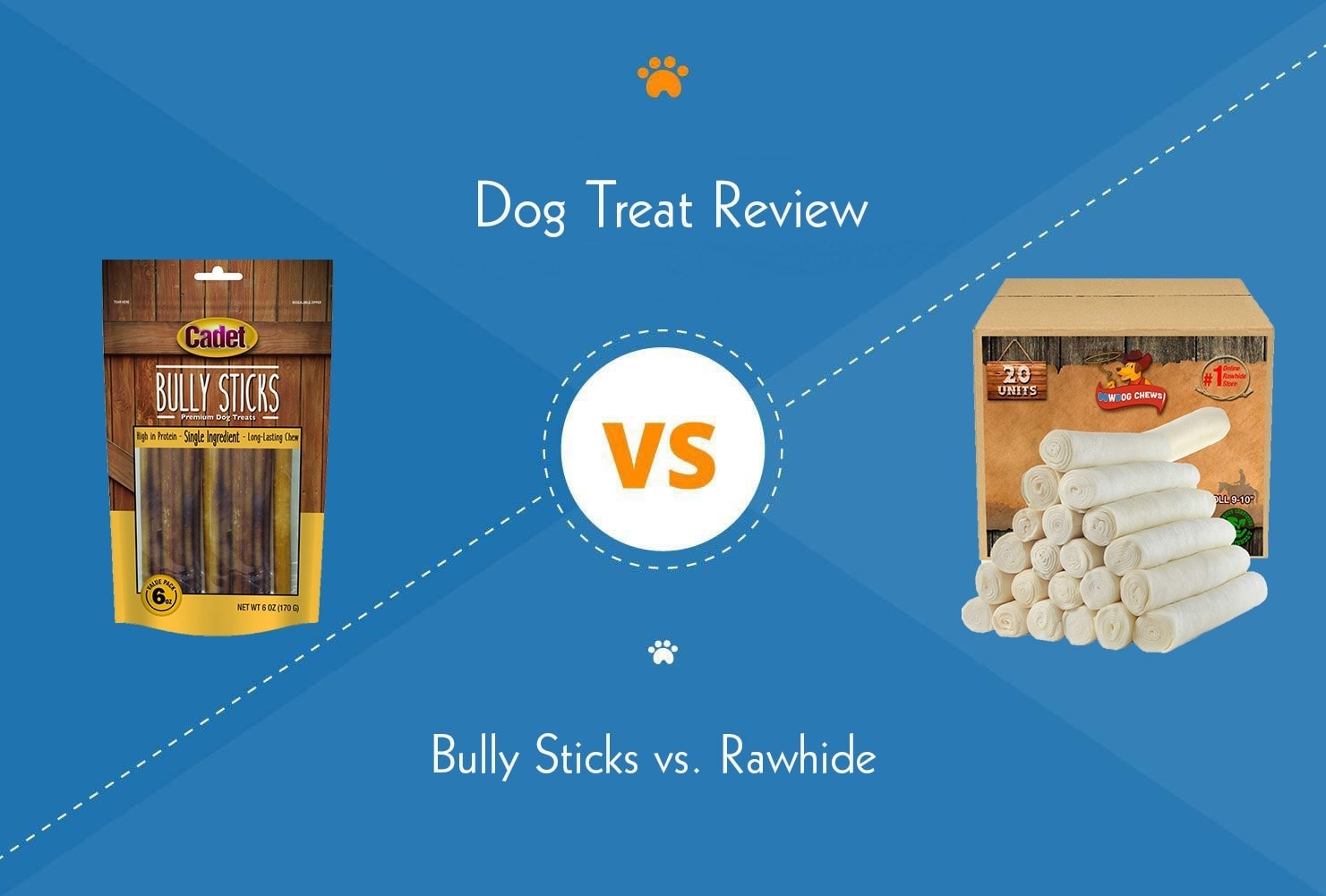
On the other hand, they’re extremely popular treats, and many dogs eat them every year with no issue. One of the biggest reasons that people feed their dogs bully sticks is the fact that they’re supposedly safer than rawhide chews.

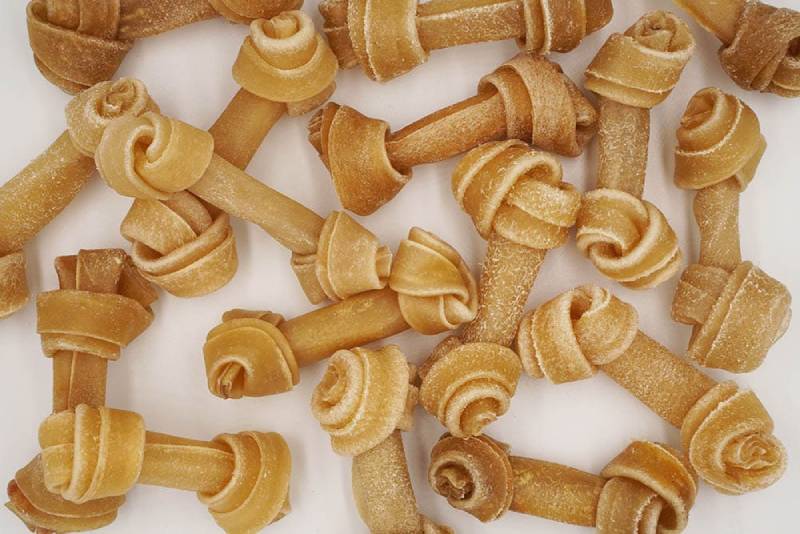
Rawhides can be difficult for some dogs to chew and digest, and that can lead to blockages in their digestive tract if they swallow a big piece, or they may be treated with lime or other compounds during processing. Bully sticks, on the other hand, are easier for most dogs to digest.
In all reality, some of the concerns regarding dogs chewing bully sticks, similar to rawhide, bones, and most other hard chews, depend on each individual dog’s chewing habits, the size of the dog, their dental health, and the size of the stick. Some dogs are strong and persistent chewers and will easily break off pieces of the stick, possibly ingesting too large of a piece.
This can certainly lead to digestive issues, such as a blockage of the stomach or intestines, vomiting or diarrhea, or may even cause choking in some dogs.
A larger dog with a strong jaw will generally chew bully sticks with more ease than a Chihuahua or another toy breed. Treats and chews should be of suitable size and consistency for the dog they’re intended for. It’s important to always supervise your dog while gnawing on any kind of chew in order to be able to quickly intervene in case of any issues.

Are Bully Sticks Healthy for Dogs?
This is a difficult question to answer because it depends on what exactly is meant by “healthy.”
Bully sticks are meant to be treats for dogs, meaning that they’re something that should be given sparingly, such as once a week or so. That said, they’re healthy compared to some of the other treats that your dog could get, such as certain types of processed biscuits or human food.
That doesn’t mean they’re necessarily good for your dog to have too often, though. Moderation is key. Bully sticks tend to be high in calories, so if you offer them to your pup too often, your dog will most likely start to pack on the pounds, and being overweight is terrible for a dog’s health. Calorie-rich treats can also cause stomach upset in some dogs.
While bully sticks tend to be safe for many dogs to gnaw on, there’s still the chance that your pup could choke on one, so it’s important to monitor them closely while they snack.
Are There Any Health Benefits to Feeding Your Dog a Bully Stick?
Yes, bully sticks certainly aren’t without benefits. Given that they’re made of animal meat in a sense, they’re high in protein. Their mean caloric density is around 15 kcal/inch (38 kcal/cm), making it easy to quickly reach your dog’s daily treat intake, depending on their breed and size, which should be no more than 10%.
The coarse nature of a bully stick may help clean your dog’s teeth and gums as well, which could reduce plaque buildup down the line. Don’t make the mistake of assuming that’s all the dental care that your dog needs, however, as a bully stick is no substitute for regular brushing.
Bully sticks are generally easy for dogs to digest, as they break down inside the gut. This isn’t a health benefit per se, but it is an advantage that these snacks have over some of the others.
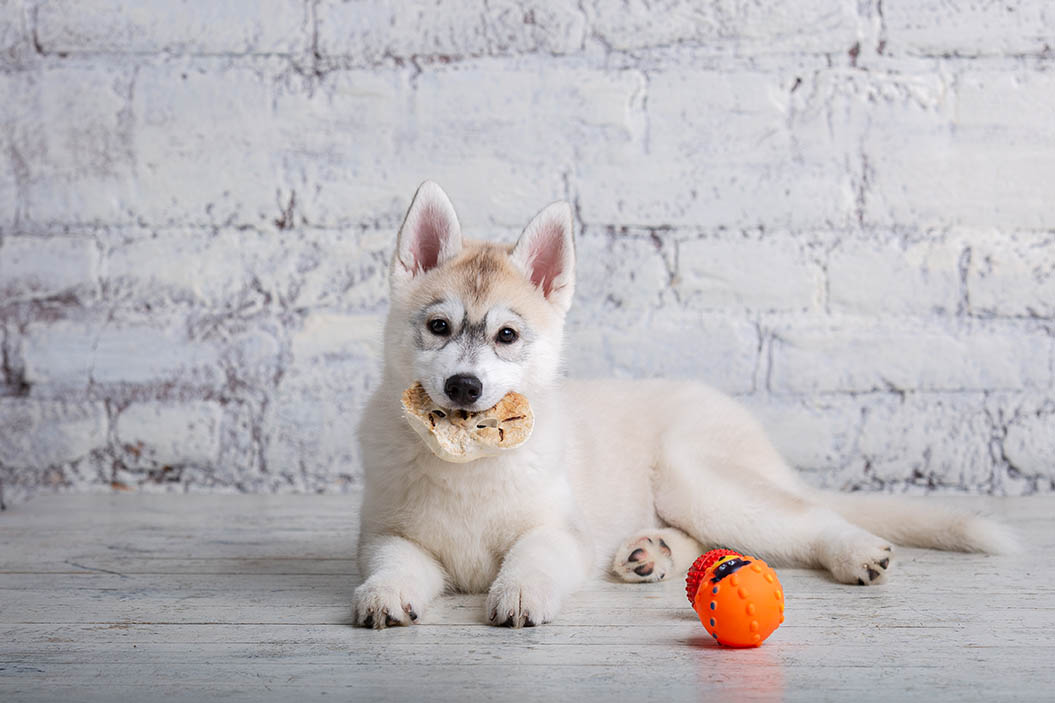
Are Bully Sticks Safe for Puppies?
Generally, yes, bully sticks can be offered to puppies, but they may be more suitable for adult dogs instead. They will take up a decent proportion of the daily caloric intake, meaning you may risk overfeeding your growing puppy, and they can’t exactly be used for training due to their size and texture. Some puppies may develop a stomach upset from chewing bully sticks.
They can pose choking hazards once they’ve been gnawed to a nub. You’ll want to take them away from your pup at that point. Also, some bully sticks are too hard for puppies to chew, so make sure that any bully sticks you offer your dog is something that their teeth can handle.

How Do I Feed My Dog a Bully Stick?
There’s no real trick to it: You can just offer your dog the stick and wait for them to take it. They’ll figure it out from there. Some dogs take forever to work through a bully stick, whereas others will destroy one in a few minutes. If you want to slow your pup down a bit, you can buy a bully stick holder that will make it harder for them to chew.
Generally speaking, larger dogs tear through bully sticks faster than smaller breeds will. However, bully sticks are sold in all shapes and sizes, so you can buy one that’s appropriate for your pup if you’re worried about them gnawing on it too quickly.
Some dogs fail to finish their bully sticks in a single sitting, preferring to hide them to eat at a later date. You may need to pick the unfinished parts up and dispose of them, as they can turn bad from all the slobber. Usually, though, you’ll want to get rid of them just to do something about the lingering odor.
Conclusion
If you’re looking for a relatively healthy, protein snack for your dog, bully sticks are an excellent choice. Not only do dogs love them, but they also have a variety of benefits, including the ability to help keep your dog’s teeth and gums clean.
You do have to get over the knowledge of what bully sticks are made of. But don’t let that stop you from treating your dog—after all, they’ll be the ones eating it, not you.
See Also:
Sources
Featured Image Credit: Iryna Imago, Shutterstock
Get Hepper In Your Inbox


Pet care tips from our vets and experts, straight to your inbox.
You may opt-out at any time. View our Privacy Policy for more information.
Quincy never intended to be a cat person. He grew up around dogs, and when his wife brought home a kitten one day, he told her she had one week to find it a new home. That week turned into 10 years (his wife moves very slowly), and that kitten turned into three (they got two more, the kitten didn't self-replicate). After a decade of sharing his home with three cats, one horrifying realization finally set in: oh God, he's a cat person now, isn't he???
Join the conversation
Ask a question, share your story, or send private feedback.