Hepper is reader-supported. When you buy via links on our site, we may earn an affiliate commission at no cost to you. Learn more.
Are Cornish Rex Cats Hypoallergenic? Vet Approved Facts & Tips


In this article
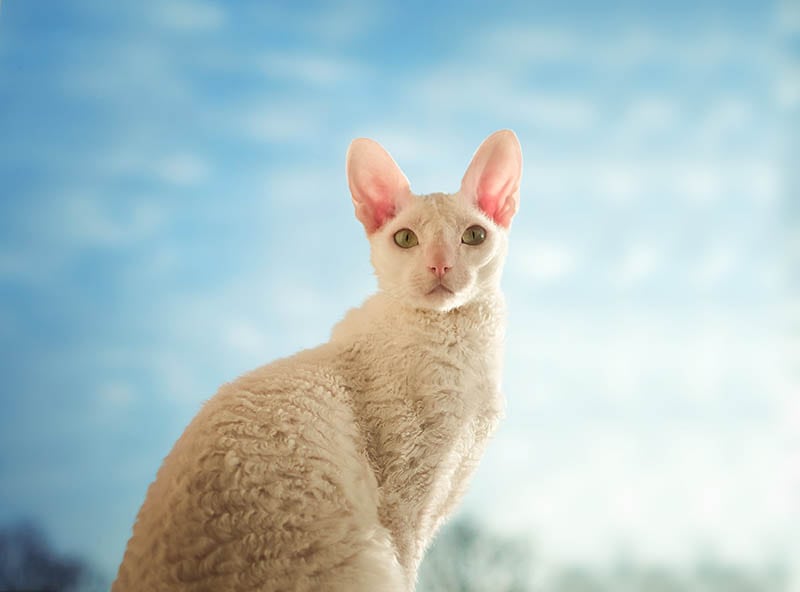
Cats produce a unique protein in their saliva, skin and urine that is the cause of most cat allergies in humans. Because of this, cat allergies are twice as common as dog allergies. If you’re a cat lover suffering from allergies, you’d probably love to find a hypoallergenic kitty to share your home with. Contrary to popular belief, Cornish Rex cats aren’t hypoallergenic, but some allergy sufferers may still find them easier to live with than other breeds.
In this article, you’ll learn why Cornish Rex cats earned a reputation for being hypoallergenic and why it isn’t entirely accurate. We will also offer tips to help people with allergies live more comfortably with any cat, including a Cornish Rex.

What’s so Special About the Cornish Rex Coat?
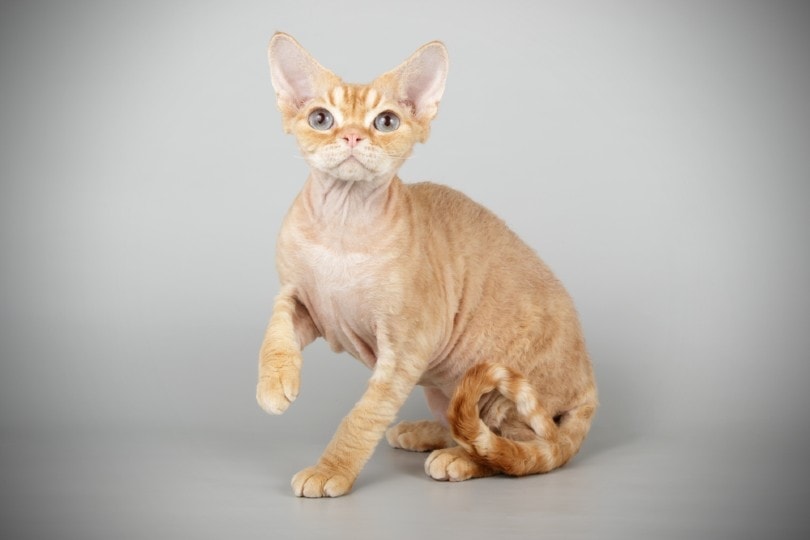
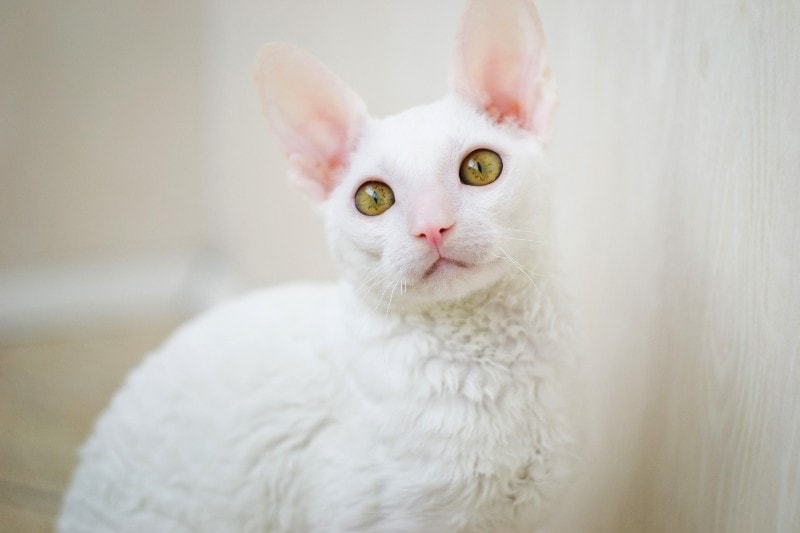
The unique, curled coat of the Cornish Rex is a distinguishing trait of the breed. It is thought to result from a natural genetic mutation, and their coat has been carefully cultivated through decades of careful breeding. Most cats have fur with multiple layers, such as a longer outer or guard layer and a thick undercoat.
However, the Cornish Rex sports only one layer of soft, downy fur, more like what you usually find on rabbits than cats. This lack of an outer coat and an overall decreased amount of fur leads some to believe the breed is hypoallergenic. We’ll cover why that’s not true in the next section.
Why the Cornish Rex Is Not Hypoallergenic
Although it’s often thought that cat hair is responsible for allergy symptoms, that’s not technically true. Instead, cat allergies are triggered by proteins in the pet’s saliva, skin, and urine. Cats are responsible for more allergies than dogs because of a specific protein they produce, Fel d 1, that just happens to be a major allergy trigger for many humans.
When cats groom themselves, they leave saliva, and therefore, the Fel d 1 proteins on their coat. Dander, or dead skin cells, also contain the protein. When a cat sheds, they spread the proteins attached to the hair and dander into their environment, usually your house. The proteins on the dead hair and in the dander, not the hair itself, trigger allergies.
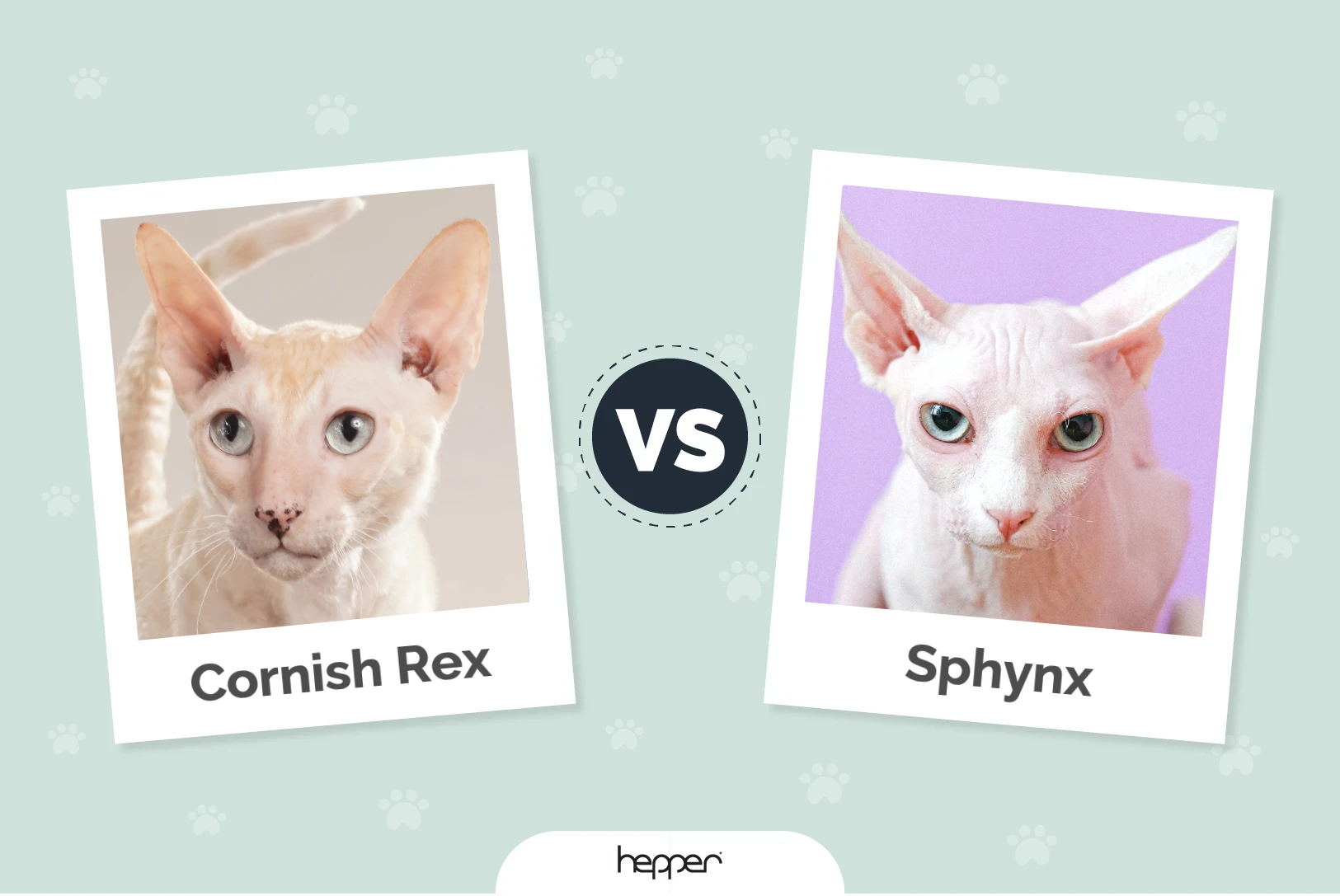
Because the allergy-triggering protein is found in saliva, skin, and urine, there’s technically no such thing as a hypoallergenic cat. Even hairless cats like the Sphynx still produce the protein, they just lack the hair to shed and spread the protein around. Since the Cornish Rex has fur and still sheds, they are capable of causing allergies, however, they tend to do so less than other breeds.
Here’s the Good News…
Even though the Cornish Rex isn’t fully hypoallergenic, people with cat allergies may find them easier to live with than other breeds simply because they don’t have as much hair to shed. This means less spreading of the allergen-inducing protein around your home.
There’s no way to predict how your immune system will respond to an individual cat, so if you’re considering adding a Cornish Rex to your family, try to spend time with the kitty first. It is also recommended to discuss your plans with your allergy specialist.
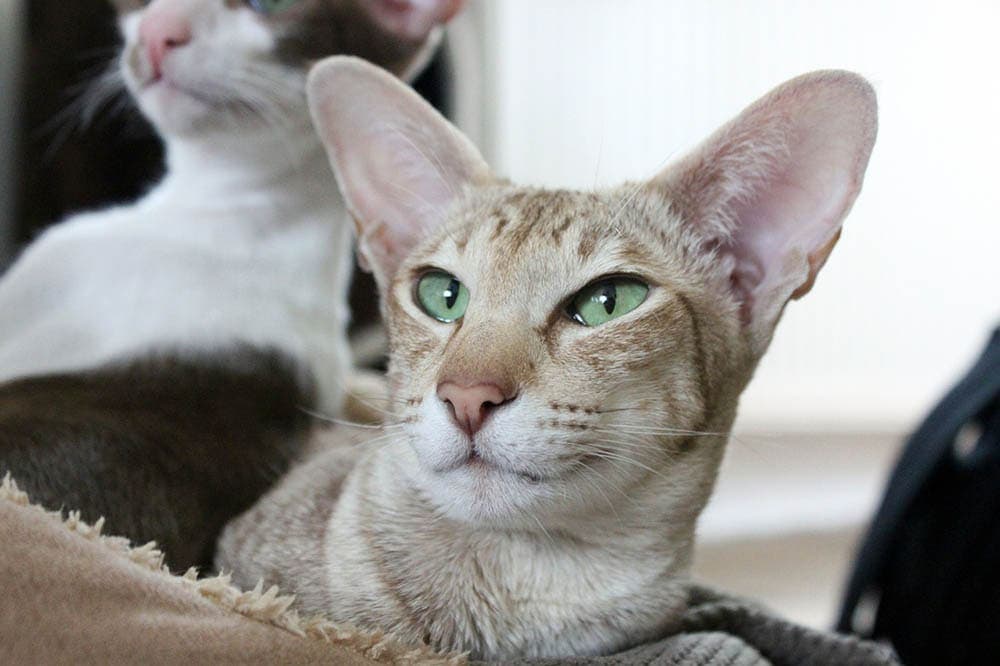
Here are a few other cat breeds that are reported to be more allergy-friendly:
Tips for Cat Lovers with Allergies
Before buying or adopting a new cat, even an “allergy-friendly” breed, try to interact with your potential new pet first to see how your immune system reacts. No cat produces the same amount of proteins, so you may be able to tolerate one cat while another makes you sneeze constantly. Here are tips for managing your allergies when living with a cat:
Conclusion
Although the Cornish Rex cat is not hypoallergenic, they have less hair to shed than other breeds. People with allergies may be able to tolerate living with a Cornish Rex better, but there’s no way to know for sure until you interact with one of them. Remember that just because your immune system is okay with a Cornish Rex doesn’t automatically mean they’re the breed for you. Research the cat further to ensure they’re a good match for your family and lifestyle.
Sources
Featured Image Credit: Fedir Shulenok, Shutterstock
Get Hepper In Your Inbox


Pet care tips from our vets and experts, straight to your inbox.
You may opt-out at any time. View our Privacy Policy for more information.
A lifelong lover of all creatures great and small, Elizabeth got her first cat at 5 years old and at 14, she started working for her local veterinarian. After spending more than 20 years working as a veterinary nurse, Elizabeth decided to step away to become a stay-at-home parent to her daughter. Now, she is excited to share her knowledge with our pet parents. Elizabeth lives in Iowa with her family, including her two fur kids, Linnard, a husky mix and Algernon, the worldʻs most patient cat. When not writing, she enjoys reading, watching soccer, and spending time outdoors with her family.
Join the conversation
Ask a question, share your story, or send private feedback.