Hepper is reader-supported. When you buy via links on our site, we may earn an affiliate commission at no cost to you. Learn more.
Are Ragdoll Cats Hypoallergenic? Vet-Verified Facts & Info


In this article
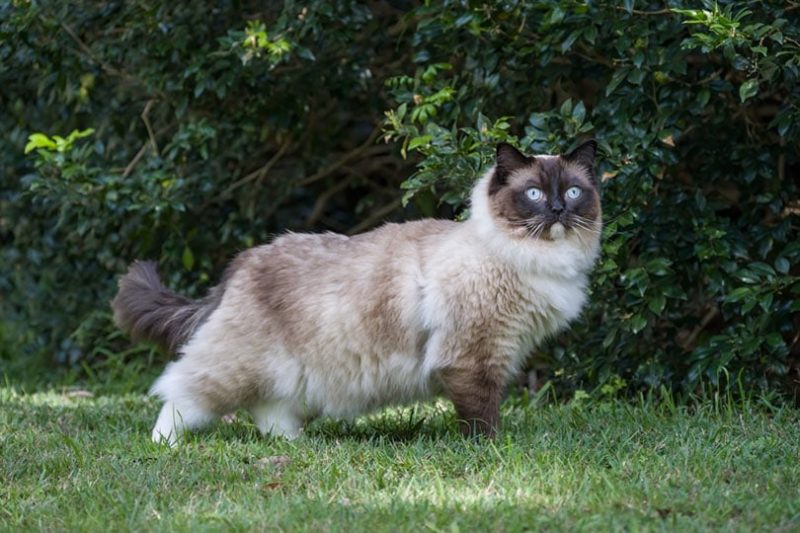
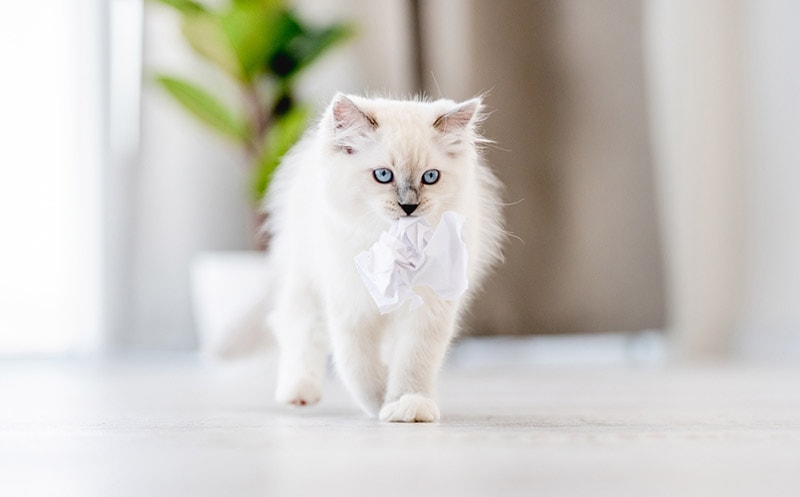
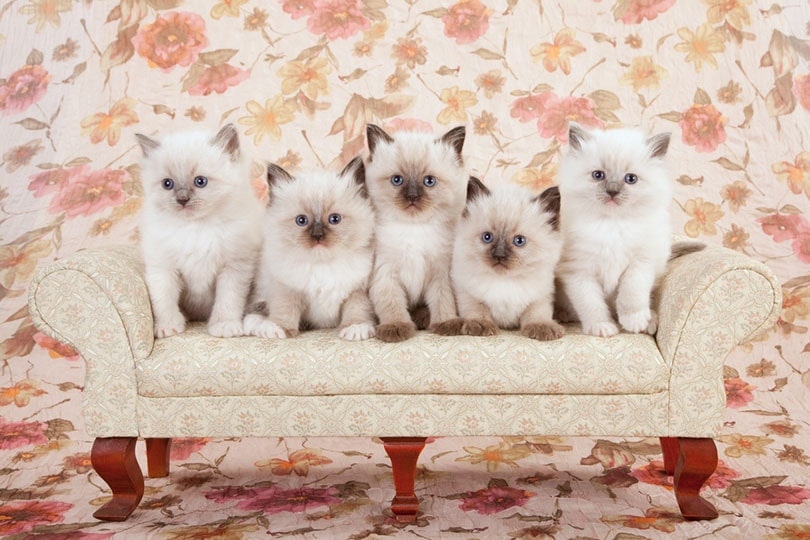
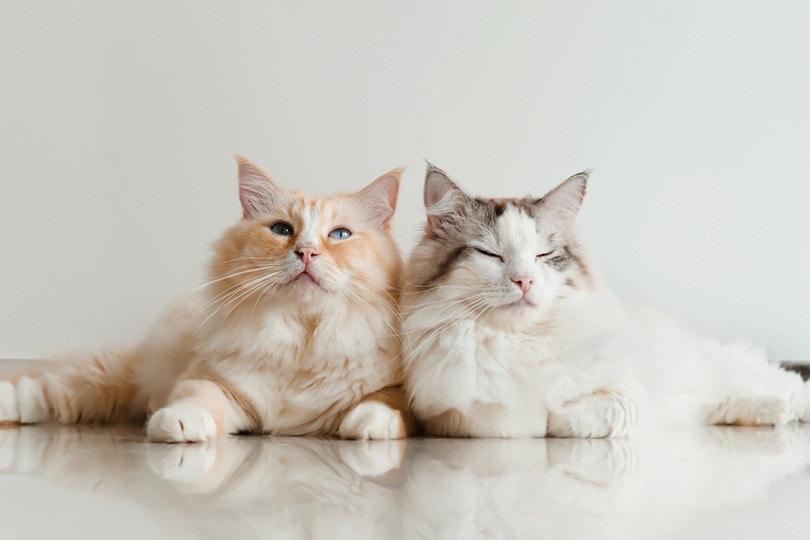
Ragdoll cats are some of the fluffiest and floppiest cats around! These beautiful cats have loving and charming temperaments are extraordinarily soft and are called Ragdolls for a reason. They flop like a ragdoll in your arms when you pick them up!
If you’ve been dying to get your hands on a Ragdoll but are concerned about allergies, you’re reading this in the hopes they are hypoallergenic. Unfortunately, Ragdolls are not hypoallergenic but might not shed quite as much as other breeds.
Read on, and we’ll give you more information about the Ragdoll cat and ways you can still live with one while you have allergies. We’ll also list cat breeds that are considered hypoallergenic.

The Ragdoll Cat’s Coat
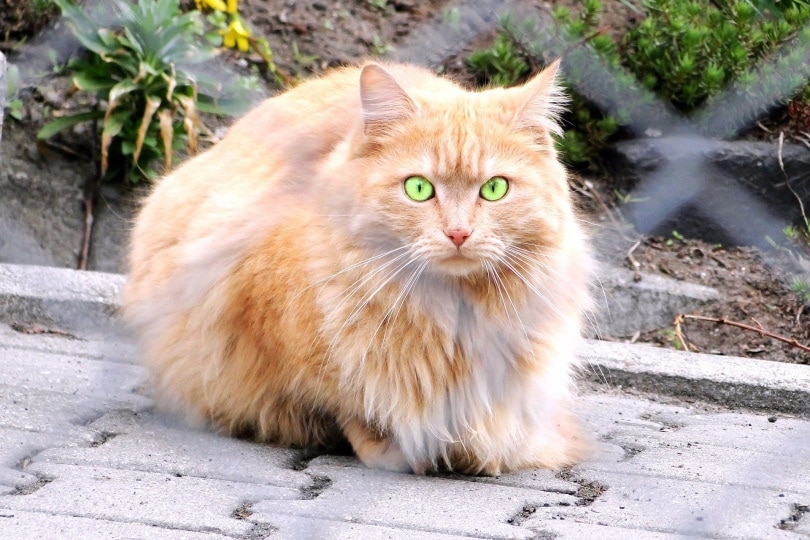
Ragdoll cats have very soft and fluffy coats but lack an undercoat. Most breeds have an outer coat with guard hairs, which are what give the cat their coat color and additionally help keep them dry.
The undercoat adds extra insulation to keep the cat warm and also helps keep them dry. Cats with heavy undercoats, like Persians, need daily brushing and shed like crazy!
Since the Ragdoll doesn’t have an undercoat, they don’t shed nearly as much. Cats shed a large amount of their winter undercoats in the spring and a bulk of them in preparation for their winter undercoat growing back in.
Without the heavy undercoat, they don’t have the seasonal shedding snow flurries like so many other breeds!
What Causes Our Allergies to Cats?
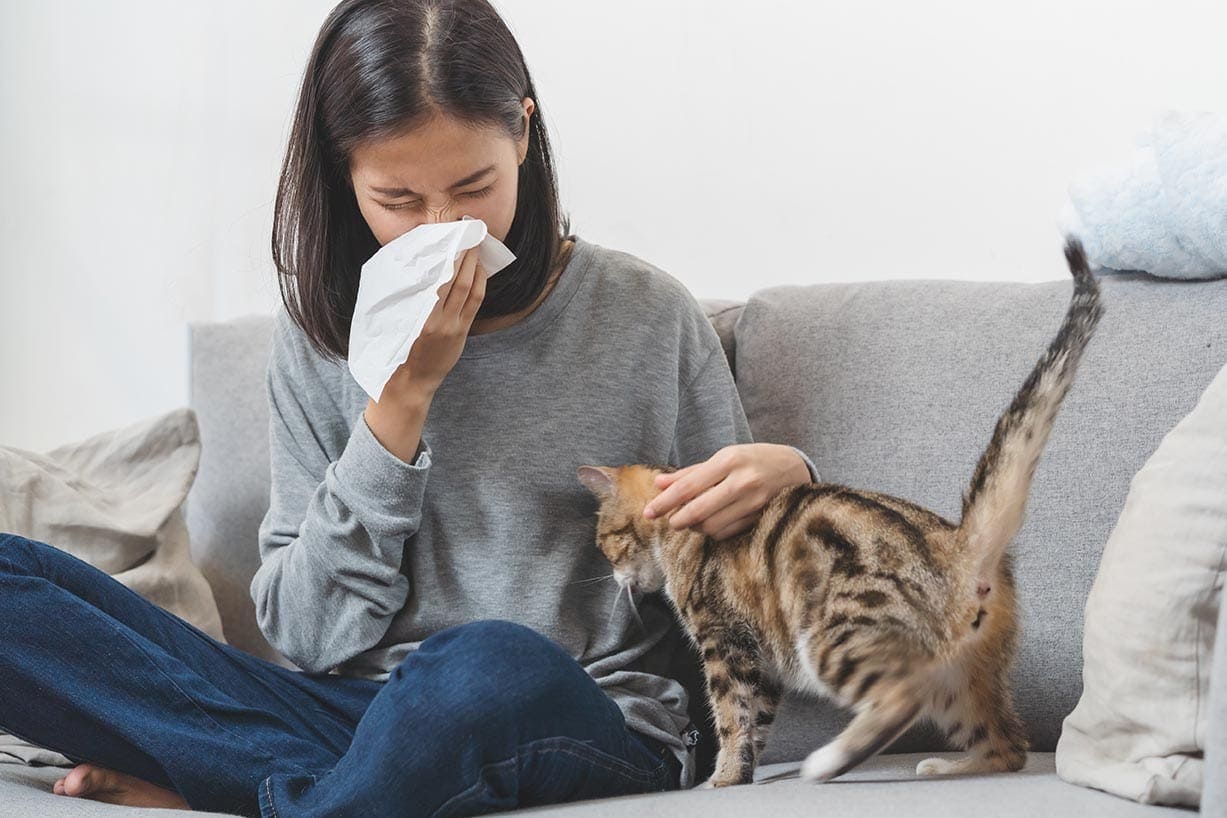
Unfortunately for us cat lovers, cat allergies are much more common than dog allergies. And it isn’t exactly cat fur that causes our allergic reactions.
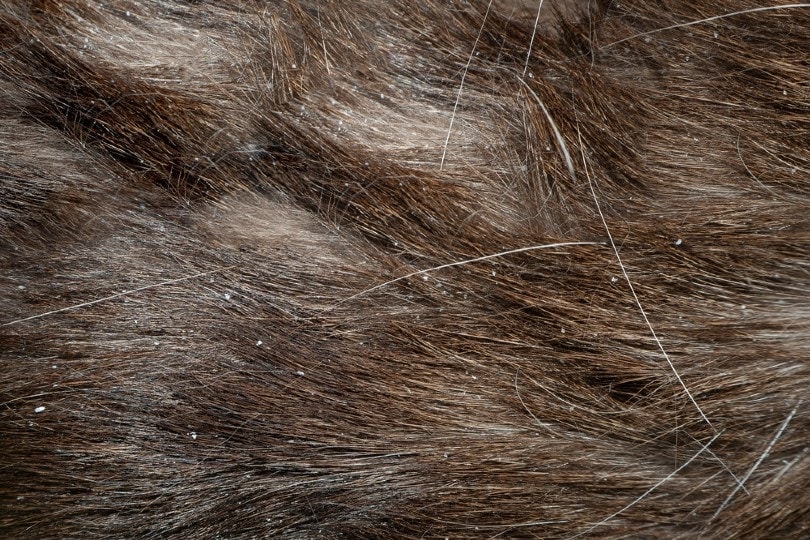
Allergies are triggered by the protein Fel D1 in the cat’s dander, saliva, and urine. But the hair does play a part – when cat hair floats through your home, the dander, urine, and saliva all hitch a ride.
Typical allergy symptoms are:
- Sneezing
- Itchy, watery eyes
- Runny and stuffy nose
- Coughing and wheezing
- Skin reaction where you’ve been licked, bitten, or scratched
- Rash or hives on the face and chest

Living With Allergies & Ragdoll Cats
Now that you know you can still have allergies when owning a Ragdoll, there are a few things you can try to help minimize your symptoms.
Grooming
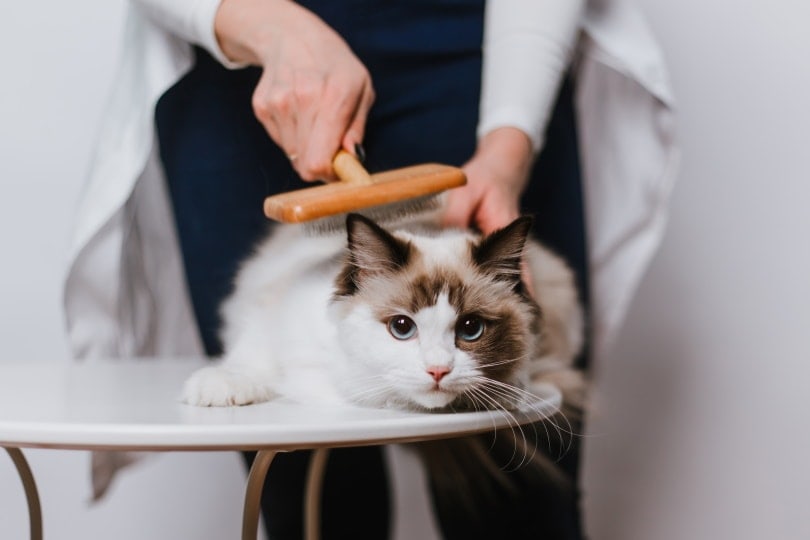
It’s essential to stay on top of grooming the Ragdoll. They should be brushed several times a week at a minimum and daily in the spring and fall.
You’ll want to use a bristle or pin brush and try brushing your cat in a contained room or closed-off porch. This way, you can keep the fur in one room instead of the entire house!
Not in Your Bedroom
Keep your bedroom door closed to your cat. Sleeping with all of that dander and saliva floating around can definitely make sleeping much more difficult. Plus, it’s one less room for you to constantly clean up!
Clean Often
You must clean your place frequently – dust surfaces, nooks and crannies and clean your furniture and curtains. This also includes doing your laundry frequently.
HEPA Vacuum
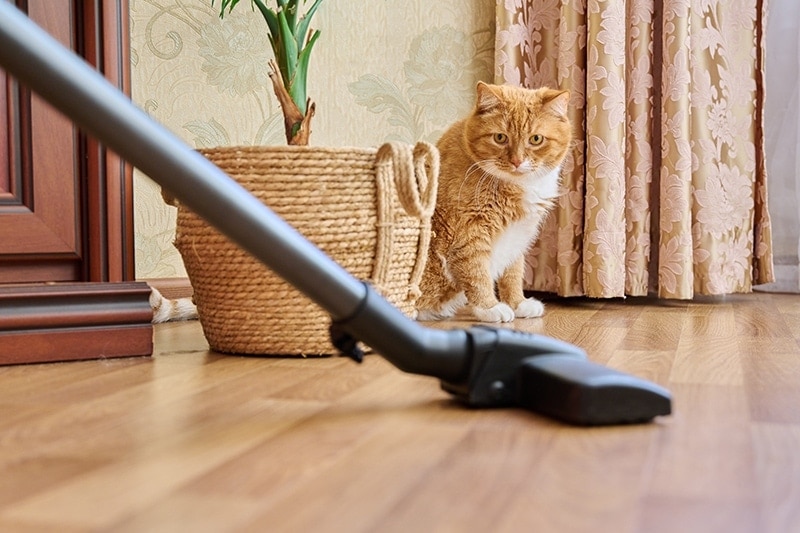
You’ll need to invest in a HEPA vacuum, which is quite effective in trapping pet allergens in your carpet. These vacuums typically have attachments you can use on your curtains and crevices on your couch. You could also consider replacing your carpets with hard floors.
Air Purifier
There are also air purifiers that you can place strategically in your home. They are also available with HEPA filters. The living room and bedroom are the best places, but just about any room where your cat tends to hang out most often could use a purifier.
Medication
And, as an allergy sufferer, you probably already use antihistamines and decongestants. Continue using them, and hopefully, with the above tips, living with a cat will be quite manageable.
Hypoallergenic Cats
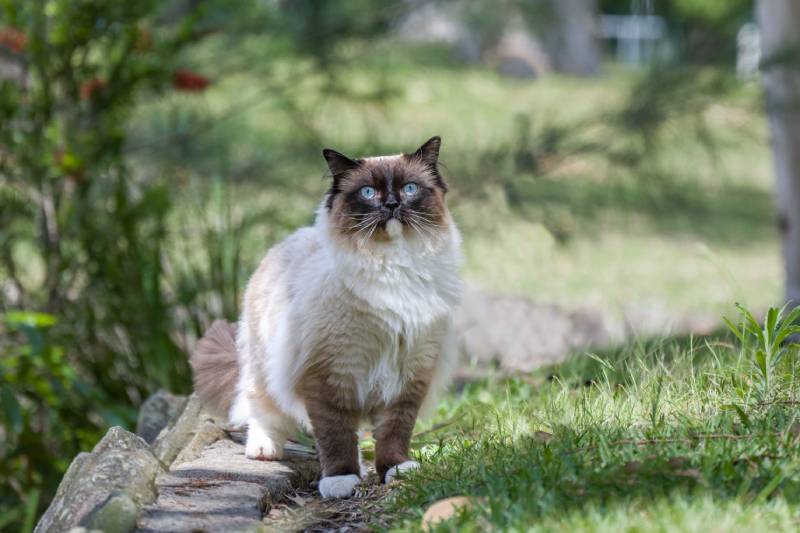
While there really is no such thing as a completely hypoallergenic cat, some breeds have a little less impact on our allergies.
- Balinese: The Balinese resemble, to a degree, a longhaired Siamese cat. They share blue eyes and point coloration. They are single-coated, and their fur is a soft, silky texture. And for a longhaired cat, they shed very little. The Balinese are highly intelligent, energetic, and quite good-natured.
- Bengal: Bengals have very short, sleek coats. This means there’s less shedding and not a lot of that protein Fel D1 that triggers allergies. Bengals are known for their amazing coat pattern and their very high energy.
- Cornish Rex: The Cornish Rex has short, soft, and silky curly coats, which means they don’t shed as often as other breeds. Their coats are definitely the most unique thing about these cats. They form tight waves and might remind you of a washboard. Their coats are also easy to maintain, and they are quite athletic, affectionate, and love lots of attention.
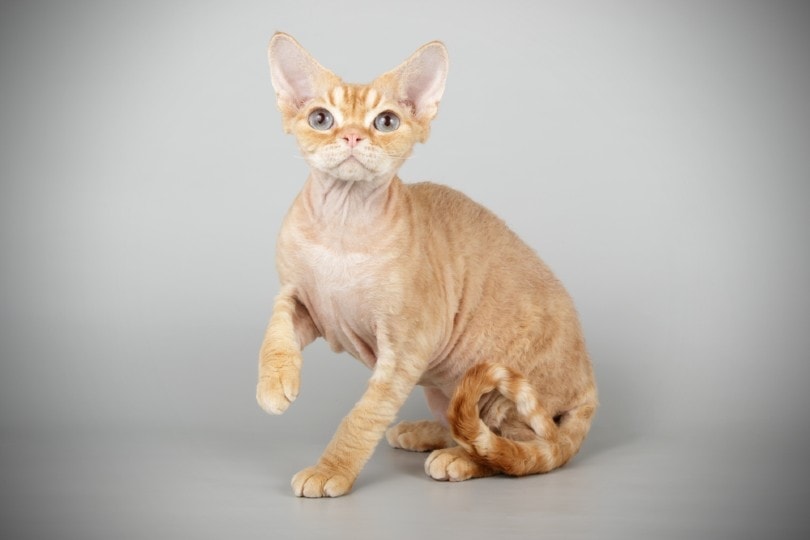
- Devon Rex: Like the Cornish Rex, the Devon also has a short and wavy coat that doesn’t shed too much. They almost don’t need any brushing and love being the center of attention. They also get along very well with children and other pets.
- Javanese: The Javanese is one of the most hypoallergenic cats going as they shed very little, and they also produce only low amounts of that wretched Fel D1 protein. They are in the Siamese family, which also means they are affectionate, active, and vocal.
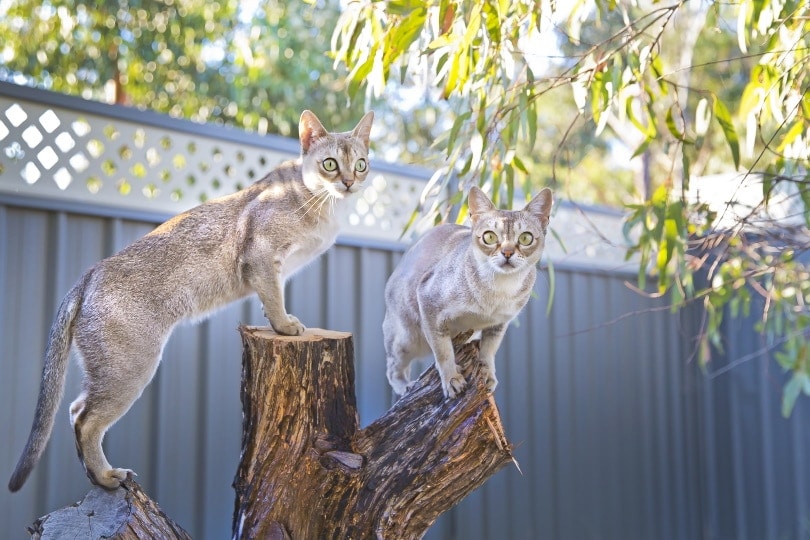
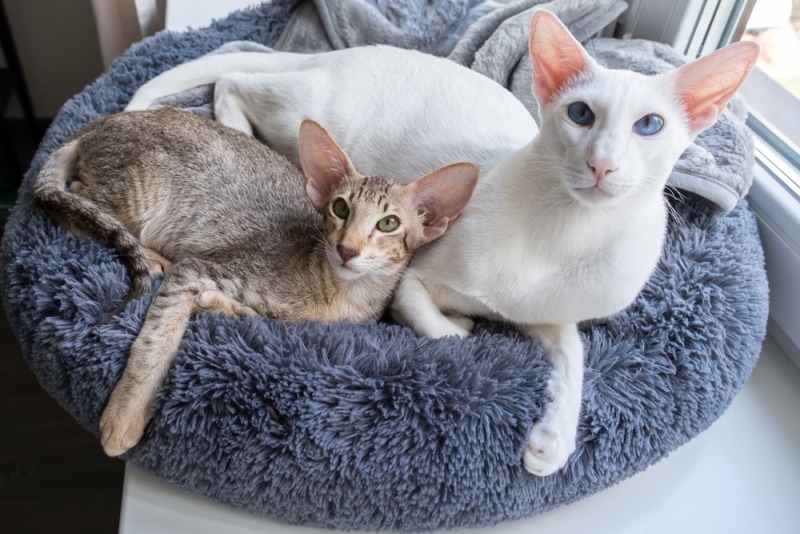
- Oriental Shorthair: Yes, we have another Siamese-related cat. They produce fewer allergens than other breeds as they have a low Fel D1 production rate and also shed less. And just like Siamese, they are loving, chatty, and very active.
- Russian Blue: And like the Oriental Shorthair and Javanese, the Russian Blue has low levels of Fel D1, which is good news for allergy sufferers. These gorgeous cats have blue hair tipped with silver, giving them their very distinctive coloring. While they aren’t related to the Siamese, they are also quite talkative as well as gentle and sweet cats.
- Siberian: The Siberian, like most others, has very low levels of the Fel D1 protein. This is handy, considering they have triple coats! Siberians are very large, enormously fluffy, and affectionate cats.
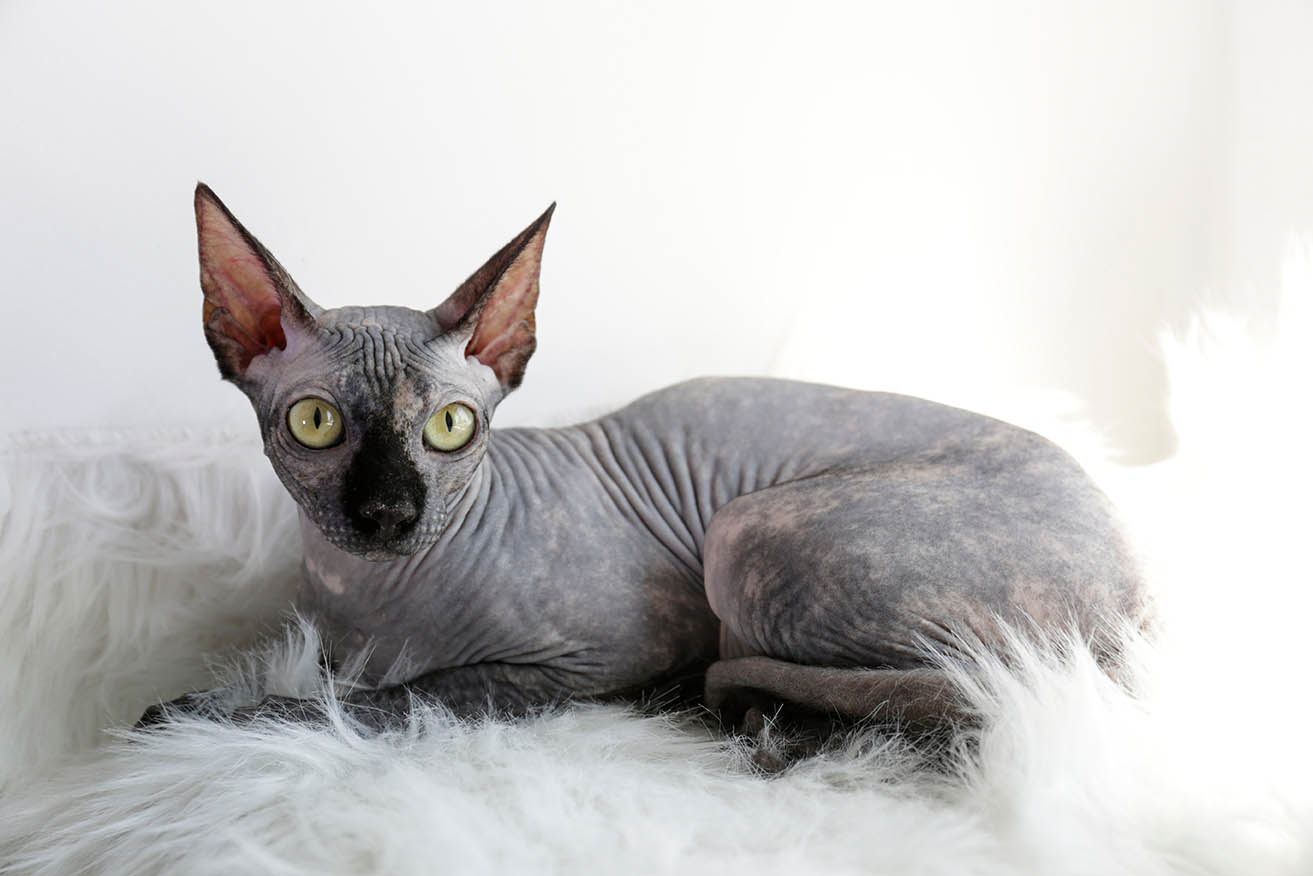
- Sphynx: The Sphynx should be an obvious choice. This famous hairless cat is a great option for allergy sufferers since they won’t be shedding allergen-loaded hair around the house.
Sphynx cats are definitely lap cats and are energetic, friendly, and curious. Keep in mind, however, that while you might think they are low maintenance, they really aren’t. They need bathing once every few months and will need protection in the cold and hot weather – this includes sunscreen and sweaters.
Summary
Owning a Ragdoll when you have allergies is doable if you take some steps. While they aren’t hypoallergenic, they don’t shed quite as much as most other cat breeds, and if your allergies aren’t severe, it’s possible to own a Ragdoll.
Of course, you can consider a different breed, as while there’s no such thing as an entirely hypoallergenic cat, some breeds can be easier to live with.
But Ragdolls are fantastic pets, and if you have your heart set on one, we hope our tips can help make living with a Ragdoll nothing but a joy.
Sources
Featured Image Credit: Linn Currie, Shutterstock
Get Hepper In Your Inbox


Pet care tips from our vets and experts, straight to your inbox.
You may opt-out at any time. View our Privacy Policy for more information.
Kathryn was a librarian in a previous lifetime and is currently a writer about all things animals. When she was a child, she hoped to work in zoos or with wildlife in some way, thanks to her strong love for animals. Unfortunately, she's not strong in the sciences, so she fills her days with researching and writing about all kinds of animals and spends time playing with her adorable but terribly mischievous tabby cat, Bella. Kathryn is hoping to add to her family in the near future – maybe another cat and a dog.
Join the conversation
Ask a question, share your story, or send private feedback.