Hepper is reader-supported. When you buy via links on our site, we may earn an affiliate commission at no cost to you. Learn more.
Are English Mastiffs Hypoallergenic? What You Need to Know
In this article
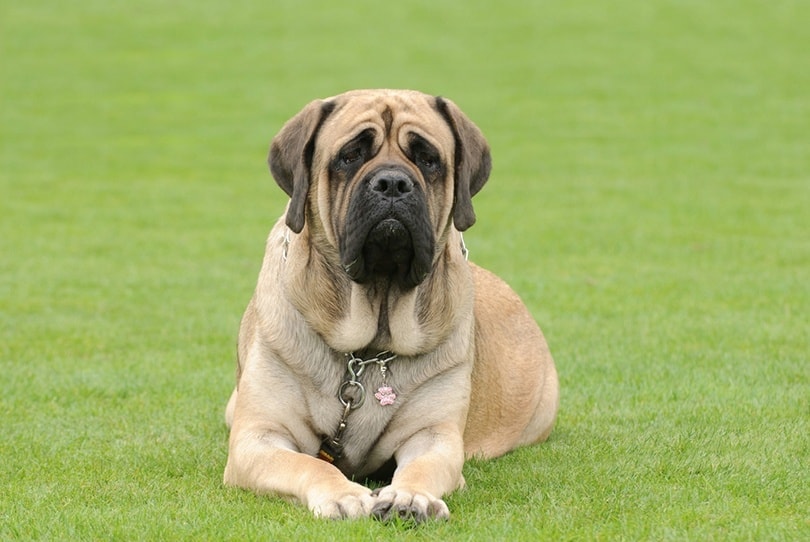
It can be frustrating if you’re an allergy sufferer and an animal lover because it makes finding the perfect pet quite the challenge. If you’ve fallen in love with the Mastiff and are hoping that they make a good breed for someone with allergies, unfortunately, you are barking up the wrong tree.
Mastiffs are not hypoallergic dogs, so if you or someone in your family is an allergy sufferer, you might want to look at other breeds.
Here, we get into what makes a dog hypoallergenic and what breeds might be a better fit for your family. We also go over a few methods that might make living with a dog like the Mastiff easier.

What Causes Pet Allergies?
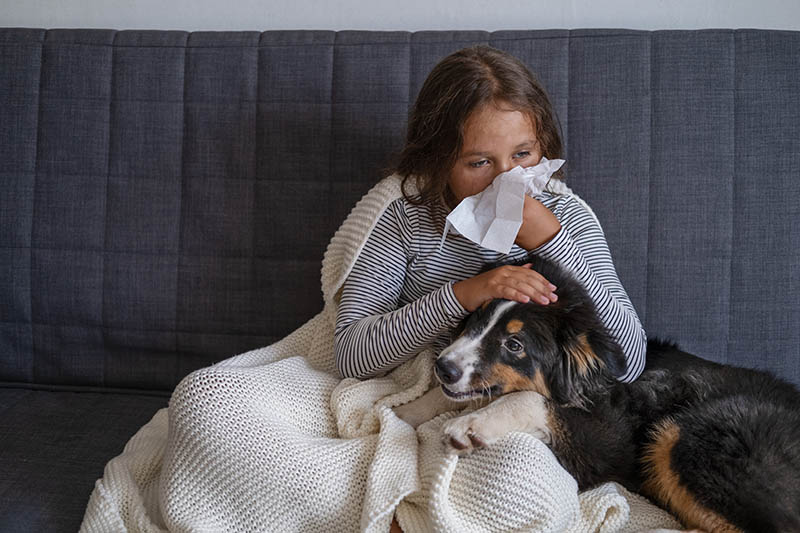
The main culprit that aggravates allergies is a protein found in pet dander, saliva, urine, and sweat. Dander tends to be the most aggressive because it’s small enough to launch off the animal and will remain airborne for an extended period.
The protein is secreted by the animal’s body and ends up in their saliva, dander, and so on. When they shed, all that saliva and dander sticks to the hair and lands on surfaces all over your home, including your clothing, carpets, furniture, and even walls.
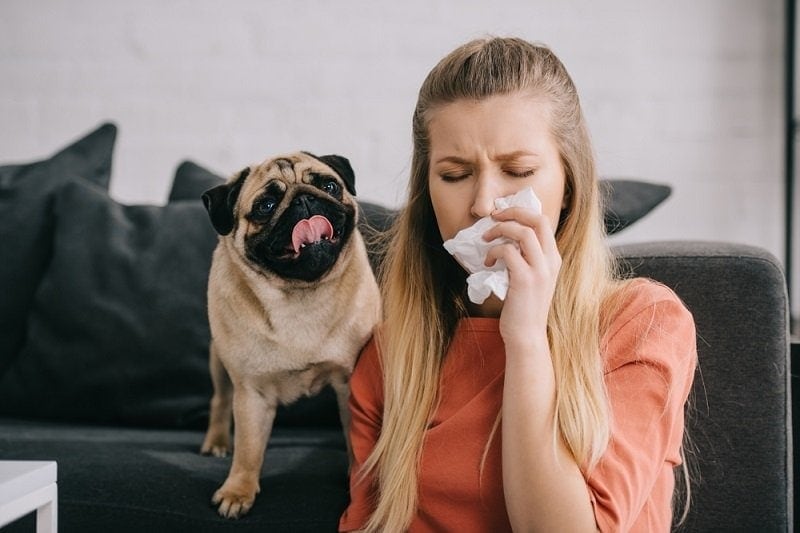
The dander will eventually find its way into your lungs and eyes. The immune system is triggered by the protein on the dander, and before you know it, you’re sneezing, itchy, and wheezing.
It’s important to note that allergies are not triggered by animal hair but by the protein attached to the hair. The more that a dog sheds, the more allergy-triggering allergens float around the house.
Why Is the Mastiff Not Hypoallergenic?
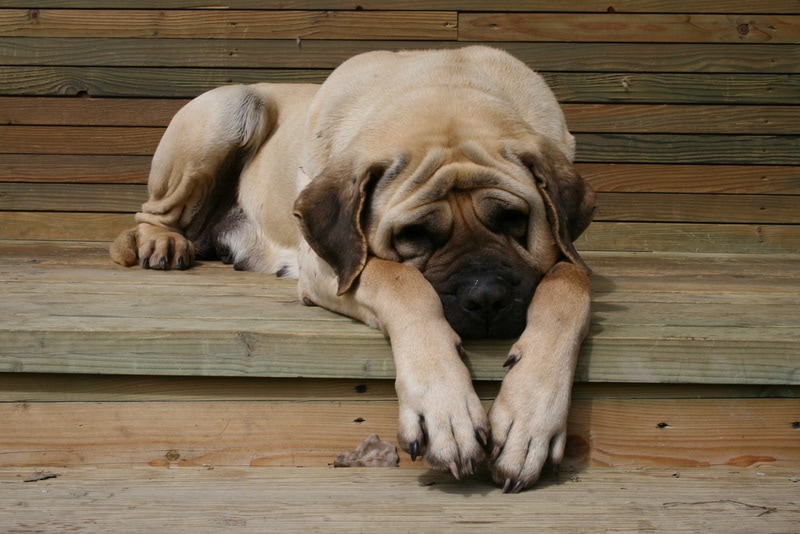
You would think that dogs with short coats would be good options for allergy sufferers, but many short-haired breeds shed excessively, and the Mastiff is no exception.
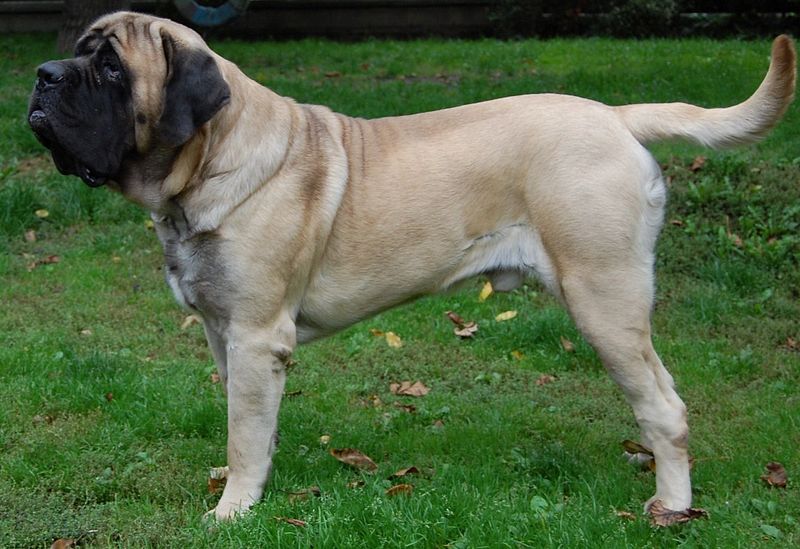
Mastiffs have double coats, which means their fur is both short and dense. This can make them shed twice as much! During the shedding seasons in the spring and fall, they will shed even more. This makes Mastiffs moderate to heavy shedders, depending on the time of year.
Why Do Dogs Shed More in the Fall and Spring?
When the weather starts to warm up in the spring, dogs begin to shed their winter coats and grow in thin, light coats to prepare for summer weather.
When the weather starts to get colder, the summer coat sheds and your Mastiff will grow in their heavy winter coat.
Dogs should be brushed all year long, but most require daily brushing when they blow out their coats.
What Makes a Dog Hypoallergenic?
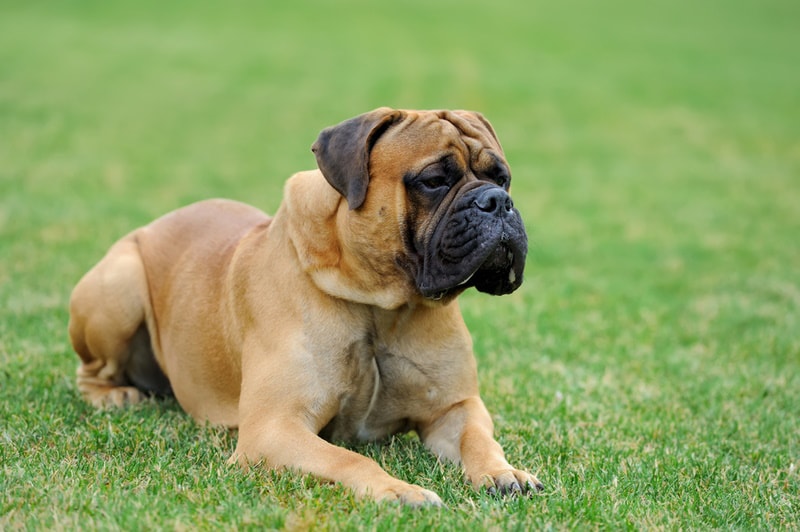
It’s important to note that there is no such thing as a truly hypoallergenic dog. All dogs expel dander, saliva, and urine, and you can’t completely escape them. But some breeds shed less, and that means fewer allergens in your home.
Several breeds are considered to be hypoallergenic, though this isn’t a guarantee. Also, you’ll still need to follow a few steps to help keep your house as allergen-free as possible.
Can an Allergy Sufferer Still Live With a Mastiff?
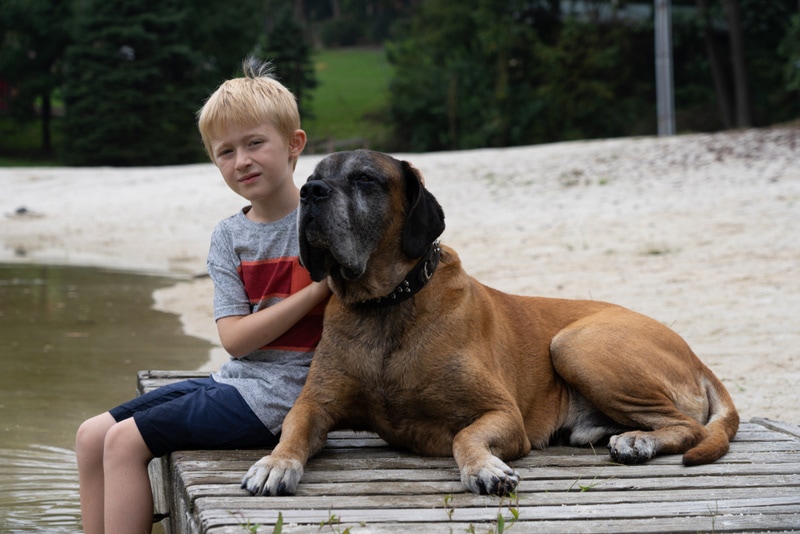
It’s possible, but it depends on the allergy sufferer and how willing they are to follow a fairly strict cleaning protocol. Regularly grooming a dog and keeping the house clean can help.
But the more severe the allergy, the less likely that anything will help, and it’s not recommended to own a pet if the allergies could prove life threatening.
What Can You Do to Reduce the Allergens?
If it’s safe to bring a Mastiff home with you, try a few of the following tips to help you deal with your allergies.
Bathe Your Mastiff
The average dog, including the Mastiff, needs a bath about every 6 to 8 weeks. Bathing your Mastiff more often can help remove excess hair and dander.
But only use a shampoo for dogs and one that is moisturizing because if your dog’s skin starts to dry out, the problem will likely get worse instead of better. You can also use dog-safe dry shampoo in between regular baths.
Keep Your Dog Out of Your Bedroom
You’ll want to have a few areas in the home that are dog free/allergy free. Consider any room where you spend a great deal of time, but the bedroom is the most important. This means you never allow your Mastiff in there.
You need to have uninterrupted sleep to function as a human being and not be up half the night sneezing and wheezing.
Use HEPA Air Filters
You’ll want to invest in everything HEPA. Use air filters in all areas where you spend time, and get yourself a good vacuum cleaner outfitted with a HEPA filter. These filters are designed to remove about 99.7% of particles, including dander.
Clean, Clean, Clean
Now that you’re armed with a good vacuum cleaner with a HEPA filter, you need to use it frequently. Also, look for vacuum cleaners advertised for use with pets, as you’ll want to vacuum several times a week. Some recommend daily cleaning, but others aim to just do it as often as possible, since not everyone has time for daily vacuuming.
Vacuum everything that you can—curtains, upholstery, carpets, and under furniture, and really focus on areas where your Mastiff likes to spend time.
Dusting with a damp cloth is also essential, and you’ll want to hit every surface, including a quick dusting of the walls.
Provide High-Quality Dog Food
The better the quality of the food that you provide your dog, the better condition they’ll be in. Coat condition is extremely important to allergy sufferers. Dog food with omega fatty acids can help the skin stay moisturized, so less dander will be floating around.
If your dog seems to have skin issues, see your vet. If they have a food allergy, it can cause skin problems, which will require a specialized diet to treat.
See a Professional
See an allergy specialist if you haven’t already. They can test you for everything that you might be allergic to, which could help reduce the symptoms. You can try allergy shots, antihistamines, and nasal sprays to help reduce the symptoms for a while.
Check to see if you actually have an allergy to your dog. Sometimes, people believe that this is what is causing their allergies when it’s something else in the environment.
What Are Hypoallergenic Breeds?
If you don’t have the time or patience for all that cleaning and your allergies are too uncomfortable with a double-coated dog around, consider a hypoallergenic breed.
While there is no such thing as a completely hypoallergenic dog, some breeds don’t shed as much as Mastiffs and might be easier to live with.
- Basenji: They have a short and smooth low-shedding coat but require plenty of exercise.
- Chinese Crested: They come in hairless and powderpuff varieties. The powderpuff needs daily brushing but has a short undercoat. The hairless is very low shedding.
- Bichon Frise: Their fur constantly grows, so they need hair cutting, but their shedding is minimal.
- Havanese: These lovely dogs have a silky coat that can be clipped down or corded (like dreadlocks), which can reduce grooming. They are low shedders.
- Maltese: These beautiful little dogs need plenty of brushing, but their silky hair makes them hypoallergenic.
- Poodle: Poodles are well known for being hypoallergenic, as their curly coats are low shedding. These dogs are intelligent and athletic and need a great deal of exercise.
- Schnauzer: Schnauzers are the exception to the rule about double coats. They have wiry hair and double coats but are considered hypoallergenic.
- Shih Tzu: This double-coated dog doesn’t shed much, but they do require a fair amount of grooming.
While none of these breeds look much like the Mastiff, you might find one of them to be a great fit as far as temperament goes, in addition to being hypoallergenic.
However, be aware that most hypoallergenic dogs have coats that constantly grow, or they're hairless. Despite what you might think, hairless dogs require a significant amount of upkeep.
Conclusion
If you are interested in the Mastiff, don’t consider shaving them or any other dog with a double coat to alleviate your allergies. Dogs with constantly growing coats, like the Shih Tzu, are the only breeds that can get clipped down. Many breeds, like the Mastiff, depend on their coats for protection against parasites, wind, sun damage, and temperature.
If you still have your heart set on the Mastiff, even with all the necessary cleaning, it will be worth it! Many pet owners are also allergy sufferers who manage their condition and live quite happily with their beloved pets.
Featured Image Credit: Waldemar Dabrowski, Shutterstock
Get Hepper In Your Inbox


Pet care tips from our vets and experts, straight to your inbox.
You may opt-out at any time. View our Privacy Policy for more information.

Kathryn was a librarian in a previous lifetime and is currently a writer about all things animals. When she was a child, she hoped to work in zoos or with wildlife in some way, thanks to her strong love for animals. Unfortunately, she's not strong in the sciences, so she fills her days with researching and writing about all kinds of animals and spends time playing with her adorable but terribly mischievous tabby cat, Bella. Kathryn is hoping to add to her family in the near future – maybe another cat and a dog.
Join the conversation
Ask a question, share your story, or send private feedback.