Hepper is reader-supported. When you buy via links on our site, we may earn an affiliate commission at no cost to you. Learn more.
Are Lilacs Poisonous to Cats? Vet Approved Facts to Keep Your Cat Safe


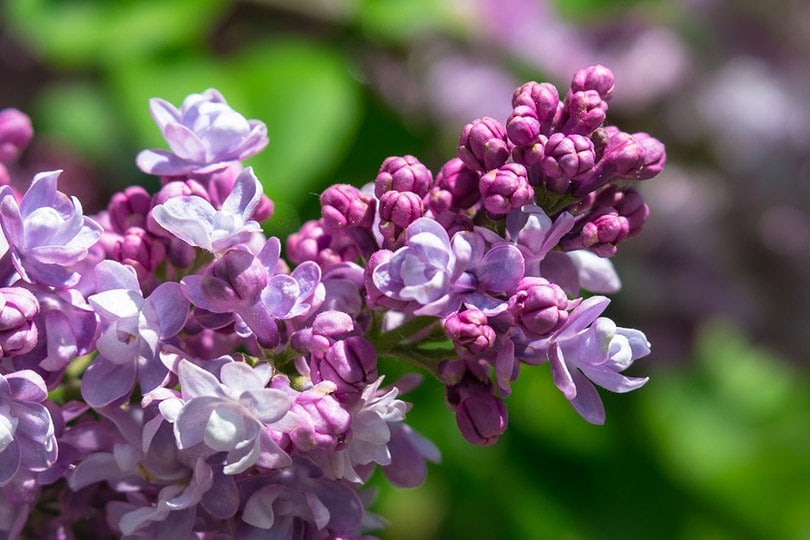
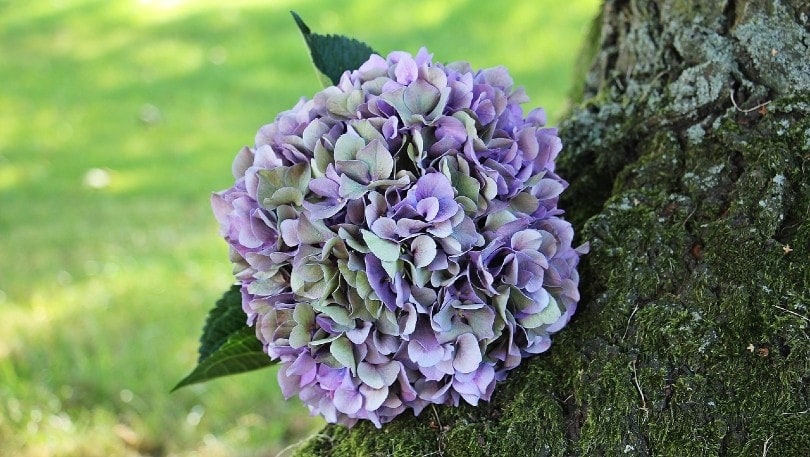
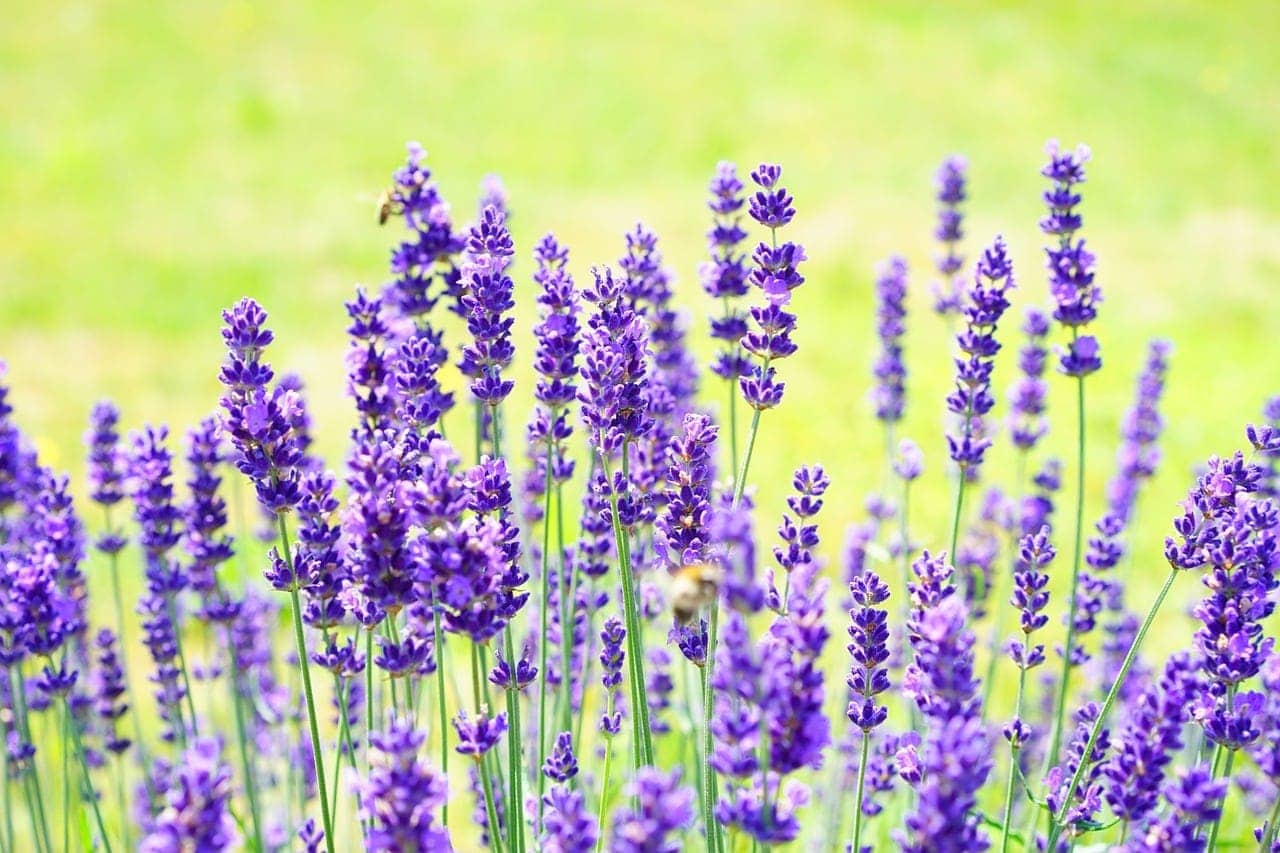
Lilacs are a lovely spring flower that many can recognize instantly. Lilac has a soft, supple smell that is light and airy. It isn’t uncommon to see this flower on a walk and be so taken with the smell that you cut off a few stems for a lovely natural air freshener. Common Lilac (Syringa vulgaris) belongs to the Syringa genus. This genus includes thirty-plus plant species with a worldwide distribution.
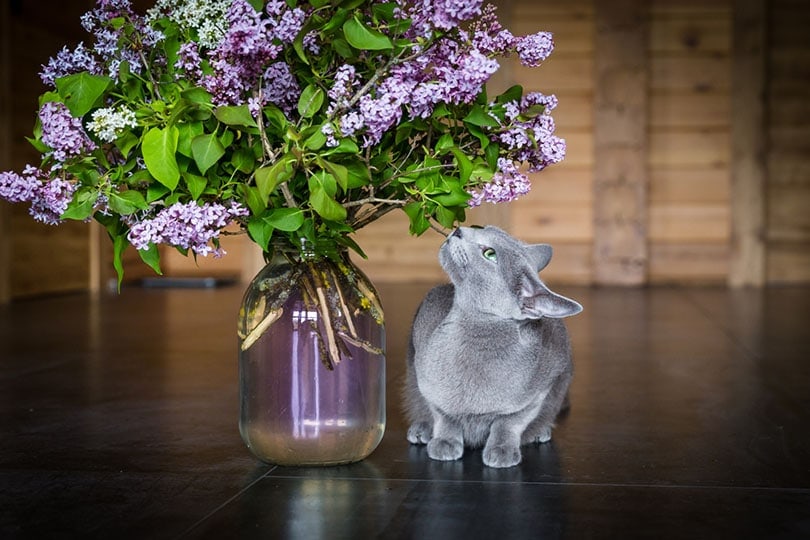
While we admirers enjoy a few lilac cuts on the kitchen table, are they safe for our feline friends? If you love this lavender colored flower and are also a proud pet parent, you’ll be happy to know that, to date, no species of lilacs have been found to be toxic to cats. However, one may get confused by the tree called the Persian lilac which is, in fact, highly toxic to cats and dogs. The Persian lilac is called that because its purplish flowers look like some varieties of true lilacs.

Almost All Lilacs Are Non-Toxic to Cats
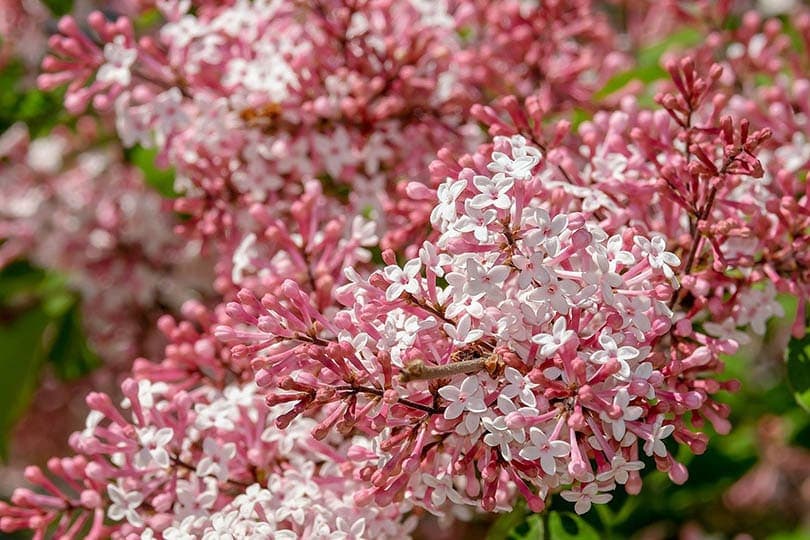
Lilacs are as pleasant as they smell—no hidden agendas here. They are perfectly safe to have in a yard with pets. In fact, syringa plants have been used as traditional medicines, and some of them are currently under investigation for other uses such as their antioxidant and antitumoral potential.
Beware of Persian Lilacs
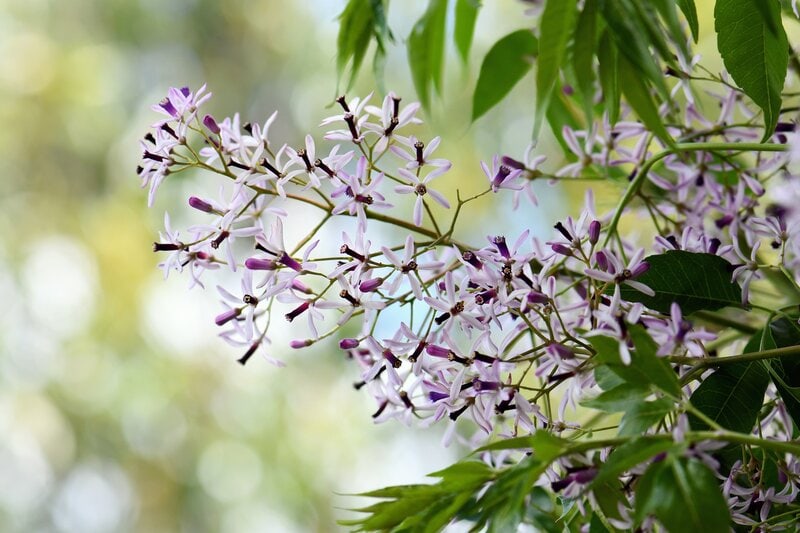
The Persian lilac tree (Melia azedarach), also called the chinaberry tree, white cedar, and texas umbrella tree, is an ornamental deciduous tree with small, fragrant purple flowers and small yellow berries. It belongs to the Melia genus, completely different to the Syringa genus of true lilacs, and it is a nightmare for pet owners. These trees are much bigger than lilac bushes, and their flowers are typically pale lavender growing in clusters. The fruits are small and round, initially green and smooth but turning a pale yellow at maturity.It is important to recognize the berry since this is the most toxic part of the tree. The leaves, bark, and flowers are only mildly toxic and usually cause no problems. Toxicity of the fruits (meliatoxin) is found within the pulp, while the shell and kernel are quite harmless. Most poisoning occurs in autumn and winter when the berries ripen.
Clinical signs usually appear quickly, within 2-4 hours after ingestion. The Persian lilac can cause:
- Drooling
- Vomiting
- Diarrhea, which can be bloody
- Pale gums
- Nervousness
- Depression
- Staggering
- Weakness
- Difficulty breathing
- Tremors
- Seizures
If you think your cat ate Persian lilac, call the US Animal Poison Control Center at (888) 426-4435. Time is vital, so do not wait to see if your pet develops symptoms before calling. The sooner your vet starts treatment for your cat, the better.
All About Lilacs
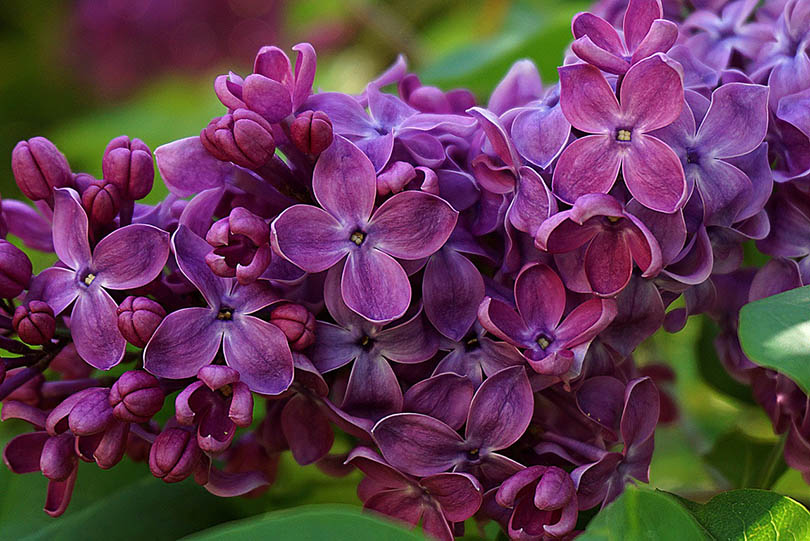
| Scientific Name: | Syringa |
| Family: | Oleaceae |
| Native Region: | Eastern Europe, Asia |
| Plant Type: | Shrub |
| Blooming Season: | Spring, summer |
| Height: | 12-15 feet |
| Colors: | Purple, blue, pink, white, yellow, red |
| Light: | Full sun, part sun |
| Blooming: | Large blooms |
| Soil: | Neutral to slightly alkaline |
Lilac Care
Lilacs are incredibly easy to care for once they take off. In fact, they basically take care of themselves. They are incredibly versatile, withstanding high temperatures and frigid winters. There are about 25 different species of lilacs, touting lovely, clustered blooms that are powerfully fragrant.
Lilacs are shrubs with high survival rates. You can enjoy lilac in nearly any weather condition, making them a perfect pick for many US yards. The best time to plant a lilac bush is spring or fall.
When the lilac is sprouting and growing, it takes time for the shrub to develop flowering abilities. They don’t need much to take off and usually produce flowers within three to four years.
What to Do If Your Cat Eats Lilacs
If your cat eats any part of a regular lilac bush, they will stay perfectly healthy with no side effects. Thankfully, most cats might sniff a lilac plant out of curiosity, but most will not eat it anyway. Luckily, emergency vet visits aren't necessary for this situation.
This rule applies, of course, only if your lilac bush is not a Persian lilac.
Lilac-Scented Products
While lilac plants are incredibly safe for your cat, lilac scents are an entirely different story. Scents, fragrances, and especially essential oils can be toxic to your cat.
If your cat ate anything lilac scented, you must immediately get them to your vet.
Luckily, it is unlikely that your cat would drink or eat anything lilac-scented. There is virtually nothing that would attract them naturally to the substance. However, if this happens, you must contact your vet immediately.

Final Thoughts
So, now you can feel guilt-free when you bring in a nice cut of lilacs to enjoy. This gorgeous flower is entirely non-toxic to all pets and people. You can have them in your backyard, flower garden, or on your kitchen counters—it doesn’t matter. You can enjoy this lovely spring flower with no consequences.
However, if your cat ate or drank anything lilac-scented, call poison control and your veterinarian right away. Also, if you have a Persian lilac or are unsure what type you have, you might want to get them to your vet to be safe if your cat ingests any.
See also:
Featured Image Credit: Didgeman, Pixabay
Get Hepper In Your Inbox


Pet care tips from our vets and experts, straight to your inbox.
You may opt-out at any time. View our Privacy Policy for more information.
Nicole is a lover of animals of all sizes but is especially fascinated with the feline variety. She’s the proud mom of Baby, a Burmese, and works every day so he can relax in the sunshine or by the fire. She’s always had a cat in her home and has spent countless days with others, observing behaviors and softening up even the grouchiest of the lot. Nicole wants to share her kitty expertise with you so you and your cat can live happy, healthy, and care-free.
Join the conversation
Ask a question, share your story, or send private feedback.