Hepper is reader-supported. When you buy via links on our site, we may earn an affiliate commission at no cost to you. Learn more.
Is Alstroemeria Toxic to Cats? Keeping Your Cat Safe


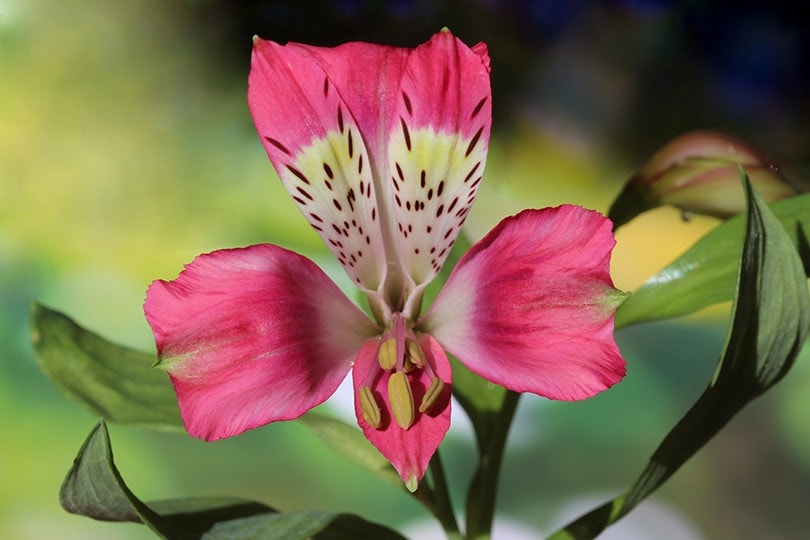
Alstroemeria, also known as the Peruvian lily, is a common flower. It’s often gifted as a symbol of friendship or a romantic gesture. If you have a cat (or are sending it to someone with a cat), it’s essential to know precisely what kind of lily you have.
Many varieties of lilies are poisonous to cats, and owners must be extremely careful about having them in the house. Alstroemeria falls into a grey area because it is poisonous but it’s not considered to be fatal, like some lilies are. Depending on how much is ingested, it can cause irritation to your cat’s digestive system.

Are Alstroemeria Flowers Poisonous to Cats?
Alstroemeria isn’t deadly toxic to cats, but eating the flowers can cause nasty skin or stomach irritations, including mouth sores, vomiting, and an upset stomach. The irritating substance contained in the flowers is called “tulipalin A.” It causes cats to get sick when ingested in large amounts.
To be safe, keep Alstroemeria plants up high where your cat can’t reach them. When in doubt, it’s best to only keep pet-safe plants in the house.
Are All Lilies Poisonous to Cats?
Not all lilies are poisonous to cats, but some species are so poisonous that as few as two petals or leaves can cause irreversible kidney failure. Given how dangerous the plants can be for your cat, it’s vital for you to know which lilies are safe and which aren’t.
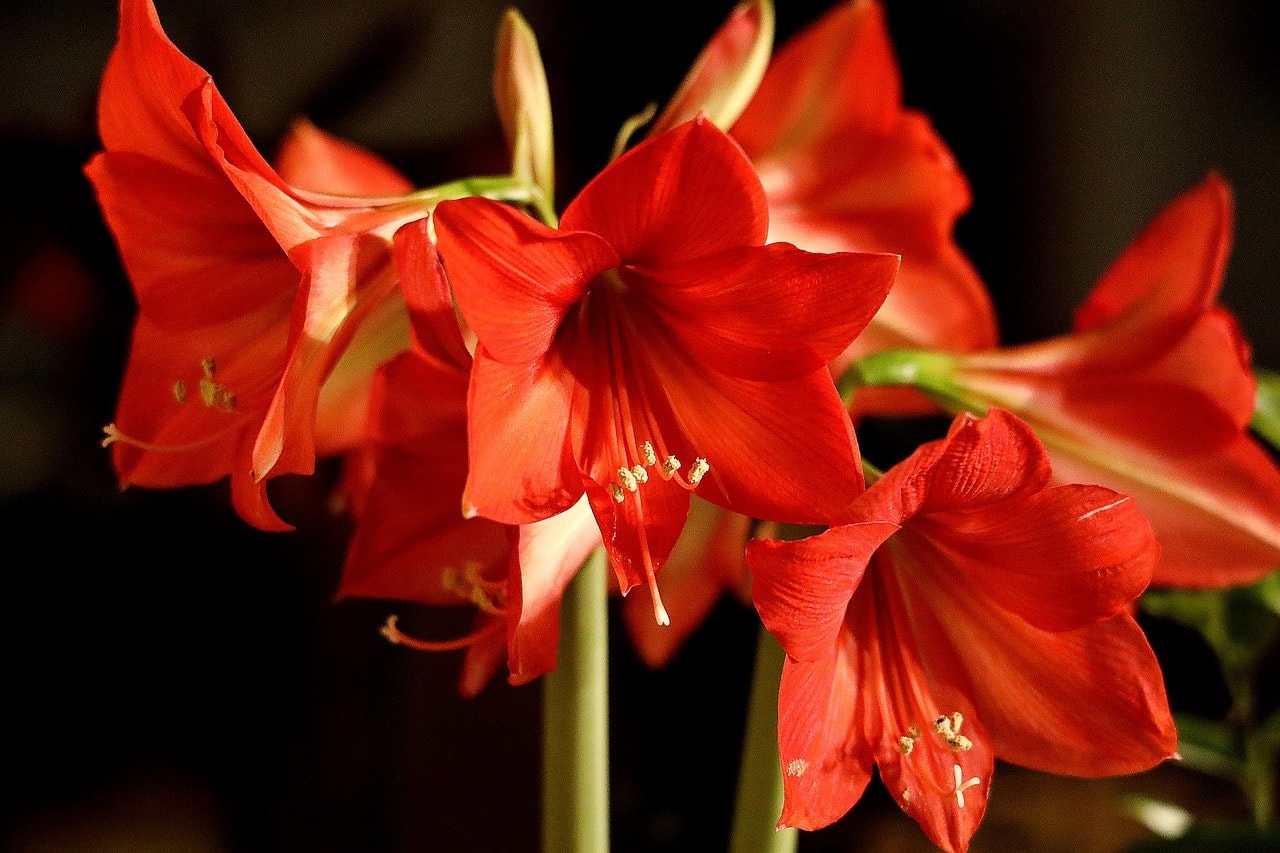
Lily plants that are most toxic to cats belong to the Lilium genus of plants. They include:
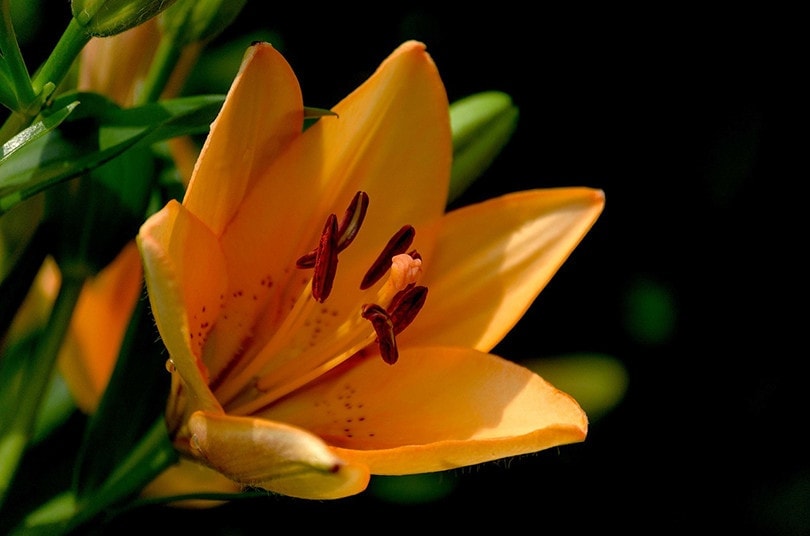
These plants can be particularly problematic for cat owners because they are common in many florist bouquets. Several other varieties of lilies are also poisonous to cats.
They’re not quite as deadly as the ones previously listed, but you should still avoid bringing them into your home if you have cats.
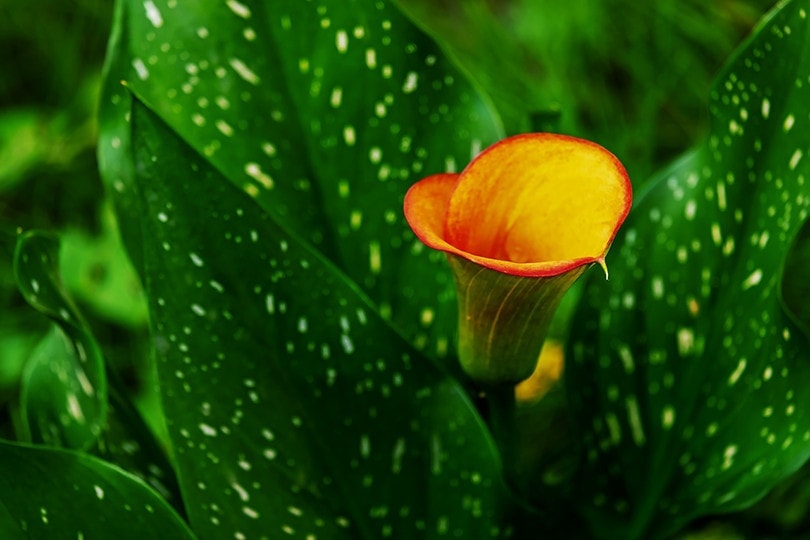
Lilies that are considered to be non-toxic to cats are plants that aren’t true lilies. They include:
Symptoms of Feline Lily Poisoning
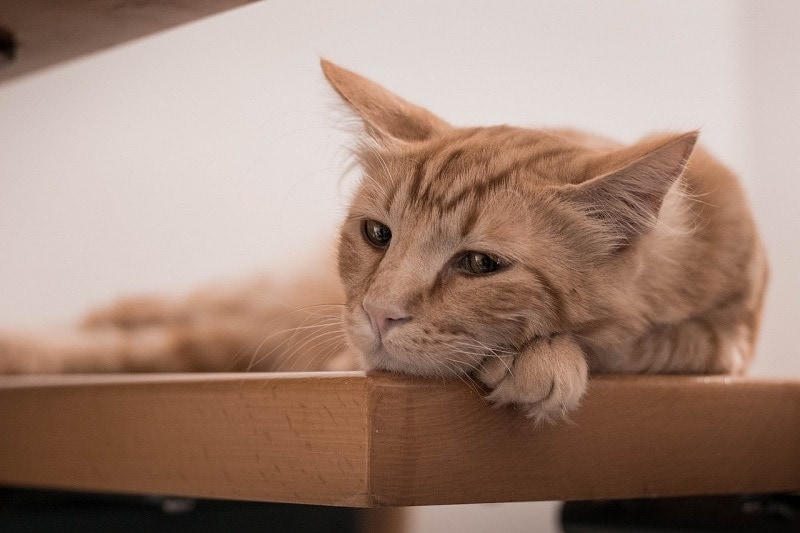
Unfortunately, the signs of lily poisoning don’t show up until 1 or 2 days after the plant has been ingested. By that time, most of the poison will be absorbed into a cat’s system, making it difficult to reverse the effects. If you have a lily in your house and notice these signs in your cat, seek veterinary attention immediately.
What to Do If Your Cat Has Ingested a Lily Plant
If you have seen your cat eat part of a poisonous lily plant, contact your veterinarian or an emergency hospital immediately, as they may be able to prevent the poison from being absorbed into your cat’s system. If the plant was ingested recently, your veterinarian may start inducing vomiting. Do not attempt to do this at home because it can potentially cause more harm to your cat.
Even with aggressive medical treatment, many cats die within 2 to 3 days of poisonous lily ingestion. Your cat must see a veterinarian as soon as possible.
Are Lilies Poisonous to Other Animals?
Lilies aren’t just poisonous to cats; they are also poisonous to dogs and horses, but the varieties that cause illness vary between species. Dogs get sick from ingesting calla lilies, lilies of the valley, bush lilies, or Hosta lilies. Valley and Hosta lilies are toxic to horses.
Other Poisonous Household Plants
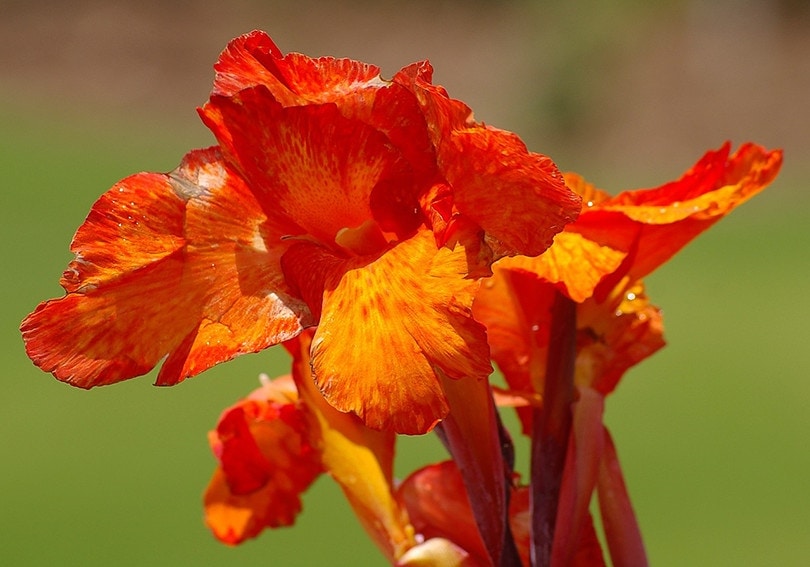
Not all houseplants are safe for pets. Several are poisonous to cats and dogs, some are only toxic to dogs, and some are only toxic to cats. Cats love to chew on plants, so if you have a cat, you should be able to identify the plants and flowers that are toxic to them.
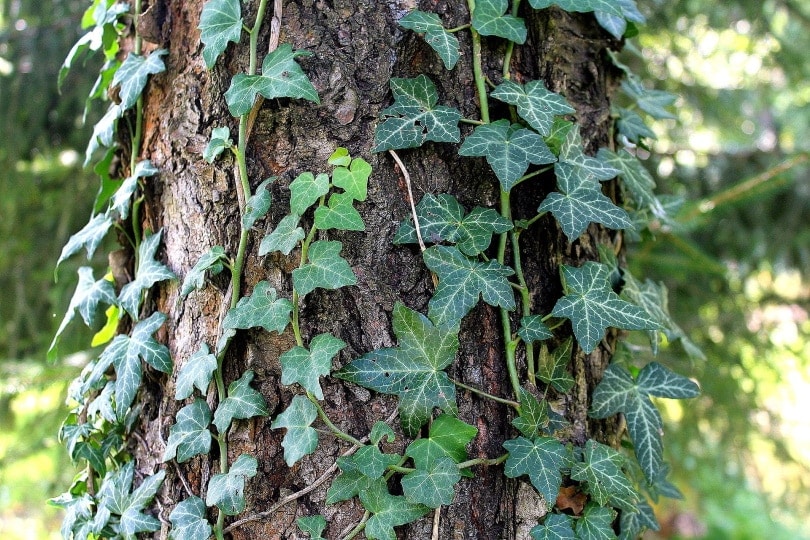
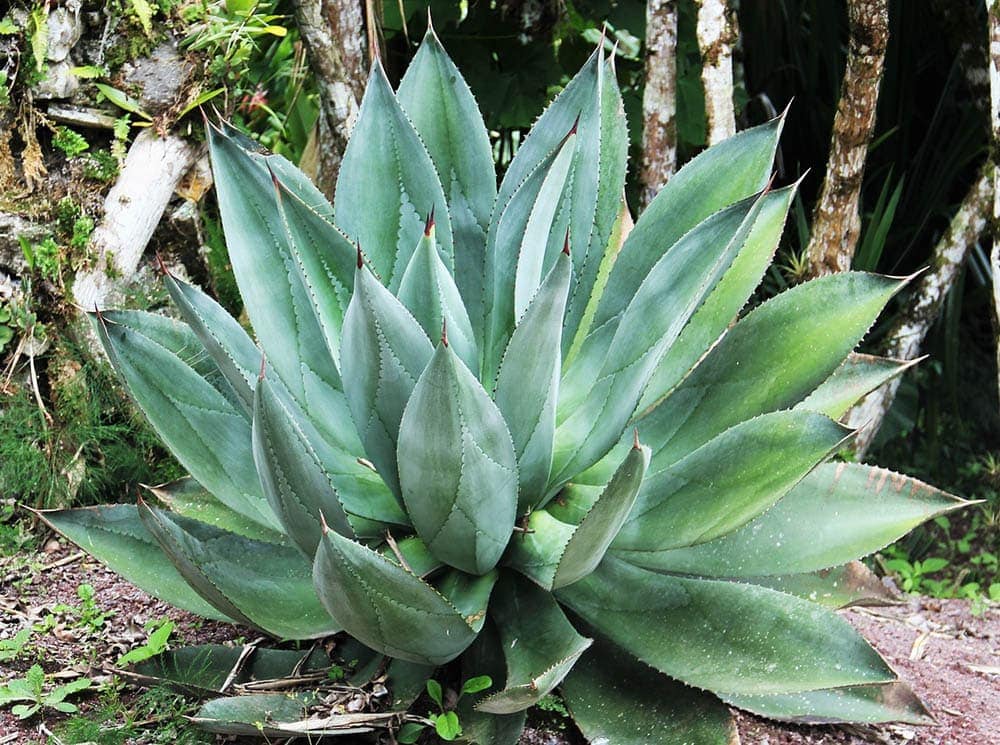
If you’re unsure, removing the questionable plant is always best. To help you, here is a list of common plants that are toxic to cats:
Final Thoughts
Eating small amounts of Alstroemeria isn’t fatal to cats but can cause serious skin and stomach irritation in felines. Lilies are extremely dangerous, so it’s best not to have them anywhere a cat might be able to nibble on them. Taking whatever steps you need to protect your cat from becoming exposed to toxic plants inside and out will help keep them healthy and safe. Removing any plants from the house that could be poisonous will help prevent accidental ingestion.
Featured Image Credit: Chesna, Pixabay
Get Hepper In Your Inbox


Pet care tips from our vets and experts, straight to your inbox.
You may opt-out at any time. View our Privacy Policy for more information.
Chelsie is a freelance writer who is passionate about helping pet owners and beloved animals live their best lives. She lives in rural Alberta, Canada with her husband and two sons. She is also currently a pet parent to four horses, four cats, and a border collie.
Join the conversation
Ask a question, share your story, or send private feedback.