Hepper blog

Search our database of over 9,984 posts with up-to-date information from our experts and veterinarians.

Hepper is reader-supported. When you buy via links on our site, we may earn an affiliate commission at no cost to you. Learn more.

Are Zinnias Poisonous to Cats? Vet-Approved Safety Facts

By Sophie Herlihy · Reviewed & fact-checked by Dr. Maxbetter VizelbergVet Approved
Dr. Maxbetter Vizelberg
Reviewed & Fact-Checked byDr. Maxbetter VizelbergVeterinarian
Maxbetter grew up in New Orleans, Louisiana, and has been interested in veterinary medicine since childhood. Being read Russian children’s stories about “Doctor Aybolit” by his grandmother, interning at the Israeli Wildlife Hospital, and working at numerous small animal hospitals have all been part of his lifelong love of animals. Maxbetter currently practices in New York City, and enjoys educating others to help them give their animals the best possible lives. He always strives to provide excellent medical care to his patients. Outside the clinic, he can be found playing basketball and soccer, performing his rap songs at open mics, and going on hikes with family and friends.View authorThe information is current and up-to-date in accordance with the latest veterinarian research. Read about our vets
Share
Ask us a question in the comments
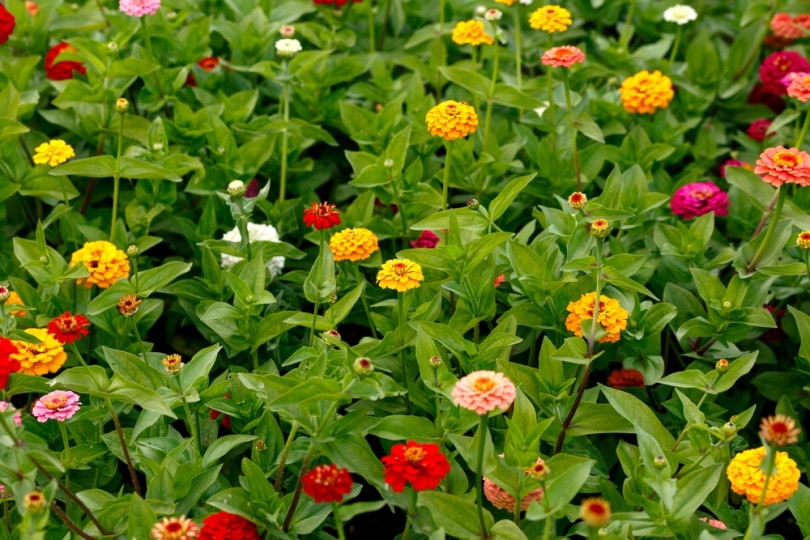
zinnia flowers in the garden

There are a lot of beautiful flowers out there, but not all of them are safe for our feline friends. So, are zinnias poisonous to cats?

Concerned cat owners everywhere will be happy to know that zinnias are not poisonous to cats. In fact, they are a great flower to have in your garden because they are both beautiful and safe for cats.

What Are Zinnias and What Do They Look Like?

Zinnias are a genus of flowering plants in the sunflower family. They are native to Mexico and Central America, but they have been introduced to many other countries around the world.

There are many different species of zinnia, but they all have brightly colored petals that can be either single or double. The most common colors are yellow, orange, and red, but there are also some varieties that are pink, purple, or white.

Zinnias are annual plants, which means they only live for one growing season. They grow best in warm climates and prefer full sun.
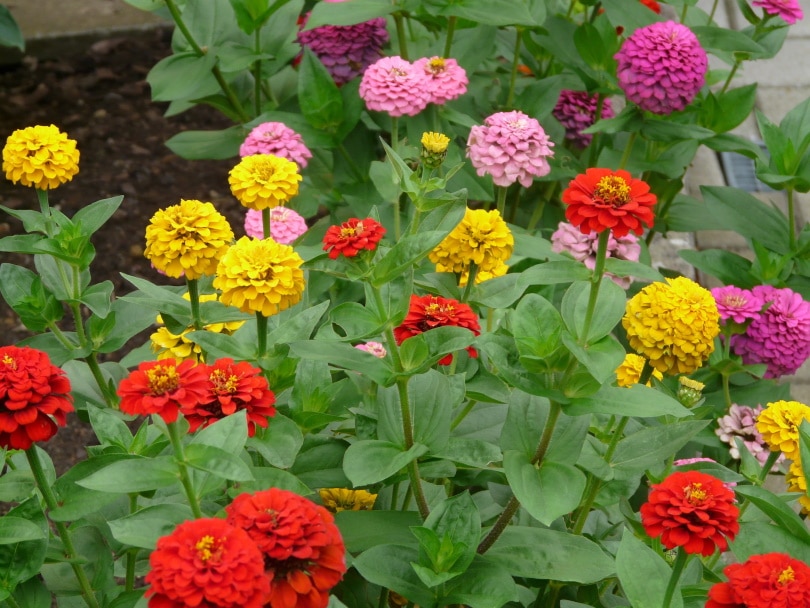
Zinnias flowers
Image Credit by: Hans, Pixabay

Are Zinnias Poisonous to Cats?

No, zinnias are not poisonous to cats. In fact, they are actually a good flower to have in your garden if you have cats because they are safe for them to be around.

All parts of the plant (flower, stem, leaves, and seeds) are non-toxic to cats. So, if your cat happens to nibble on a zinnia, they will be just fine.

Of course, as with any plant, it's always best to supervise your cat around flowers just to be safe. Some cats may be allergic to certain plants or have sensitive stomachs that can be upset by eating plants.

If you notice your cat starting to chew on a zinnia, just gently discourage them and give them something else to chew on, like a catnip toy.

Other Cat-Safe Plants

In addition to zinnias, there are many other plants that are safe for cats. Some other common cat-safe plants for your garden include:

There are many, many different plants that are perfectly safe to have around cats. There is also a handful that is toxic. You don't need to know every single plant species, of course; just check with a reputable source like the ASPCA before bringing new plants into your home or garden.
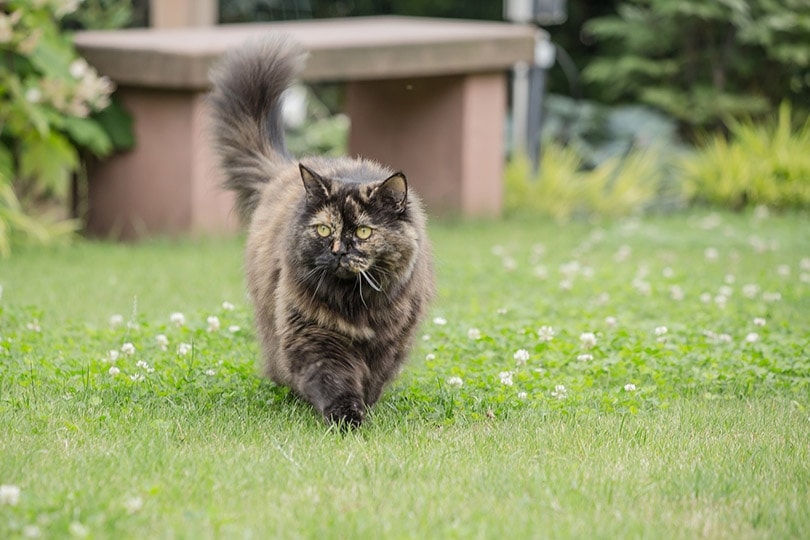
british longhair cat walking in the garden
Image by: Kerstin Kaufmann, Pixabay

How Can You Prevent Your Cat from Eating Plants?

Just because a plant is non-toxic doesn't mean you want your cat to eat it. Some plants, like zinnias, are not poisonous but can still cause an upset stomach if eaten in large quantities.

Additionally, your cat destroying plants can be a hassle and a waste of money. If you have a cat that likes to nibble on your plants, there are a few things you can do to deter them:

If you are concerned about your cat eating plants, there are a few things you can do to deter them:

  • Keep houseplants out of reach. Cats are natural climbers, so if you have houseplants that are within reach, your cat will most likely try to eat them. Keep houseplants up high, on shelves, or in cabinets where cats can't get to them.
  • Use a plant deterrent. There are many different commercial products available that will deter cats from eating plants. These products usually contain bitter-tasting chemicals that will discourage cats from chewing on plants.
  • Give them something else to chew on. If your cat is chewing on plants because they are bored or need to chew for dental health, give them something else to chew on, like a catnip toy or a piece of rawhide.
  • Provide plenty of stimulation. Boredom is often the reason cats chew on plants. Be sure to provide plenty of toys and playtime to keep your cat occupied and prevent them from getting bored.
  • Plant cat-specific plants. If you have an indoor or outdoor cat that likes to nibble on plants, there are a few plant species that are specifically for cats, such as catnip or cat grass. These plants are safe for cats to eat and will not cause any stomach upset.

With a little effort, you can deter your cat from eating plants and keep them safe at the same time. Just be sure to supervise them around plants, especially if they are new to your home or garden.
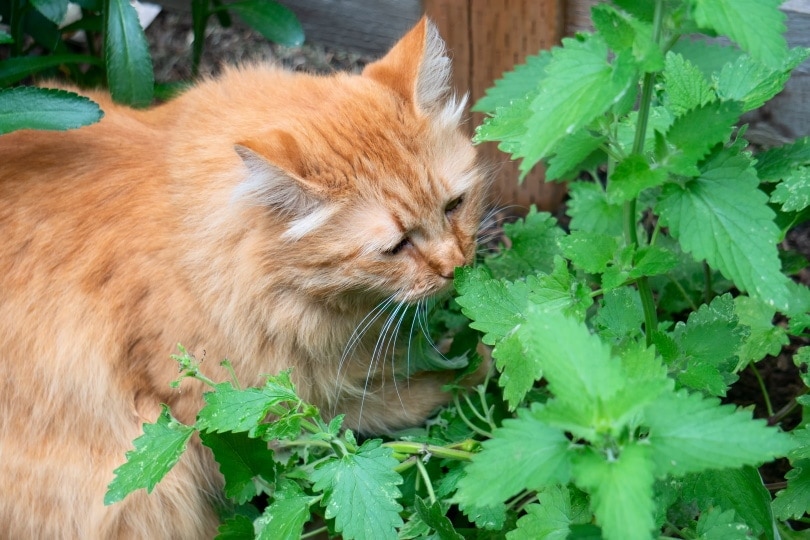
tabby cat savoring catnip in the garden
Image Credit by: Badon Hill Studio, Shutterstock

Final Thoughts

Zinnias are a beautiful, brightly colored flower perfect for adding a pop of color to any garden.

They are also safe for cats, making them a great choice for homes with feline friends. Just be sure to keep an eye on your cat around other types of plants, as some can be toxic to them.


Featured Image Credit: Max_555, Shutterstock

Get Hepper In Your Inbox

Pet care tips from our vets and experts, straight to your inbox.

List

Select all that apply.

You may opt-out at any time. View our Privacy Policy for more information.

Sophie Herlihy
Authored by

Sophie Herlihy

Join the conversation

Ask a question, share your story, or send private feedback.
Rate this post
Required to post. Only our editors see your rating.
Who should see this?

A human reviews every comment before it appears. Your email is never published.

Picked to go with this article

Are Marigolds Poisonous to Cats? Vet-Reviewed Info to Keep Your Cat Safe

Are Marigolds Poisonous to Cats? Vet-Reviewed Info to Keep Your Cat Safe

Marigolds are beautiful, sunny annual flowers used to brighten a garden. These flowers have a musky scent like wet hay or straw that bugs dislike. Home gardene…

Cassidy Sutton
By Cassidy Sutton ·
Can Cats Eat Mums? Vet-Reviewed Facts & Safety Guide

Can Cats Eat Mums? Vet-Reviewed Facts & Safety Guide

Whether planted in your garden or cut in a vase on your kitchen counter, flowers are colorful, fragrant, and gorgeous mood-lifters. Unfortunately for cat owner…

Elizabeth Gray
By Elizabeth Gray ·
Are Sunflowers Toxic to Cats? Vet-Approved Facts

Are Sunflowers Toxic to Cats? Vet-Approved Facts

We are all quite familiar with the grand and glorious sunflower! It's a welcome sight in many gardens worldwide and can even be kept indoors as a potted plant…

Kathryn Copeland
By Kathryn Copeland ·
Are Petunias Poisonous for Cats? Vet-Reviewed Safety Facts

Are Petunias Poisonous for Cats? Vet-Reviewed Safety Facts

Cats are curious animals that like to investigate their world with their mouths, a habit that leaves cat parents running after them, trying to save them from e…

Luxifa Le
By Luxifa Le ·

Keep reading

More stories you might like

Why Do Cats Like Eating Flowers? 4 Vet-Reviewed Reasons

Have you ever seen your cat nibble on a flower petal or two? It’s an odd behavior, to be sure, but at the same time, it can be considered “normal.” Here are fo…

Nicole Cosgrove
By Nicole Cosgrove ·
Why Do Cats Like Eating Flowers? 4 Vet-Reviewed Reasons

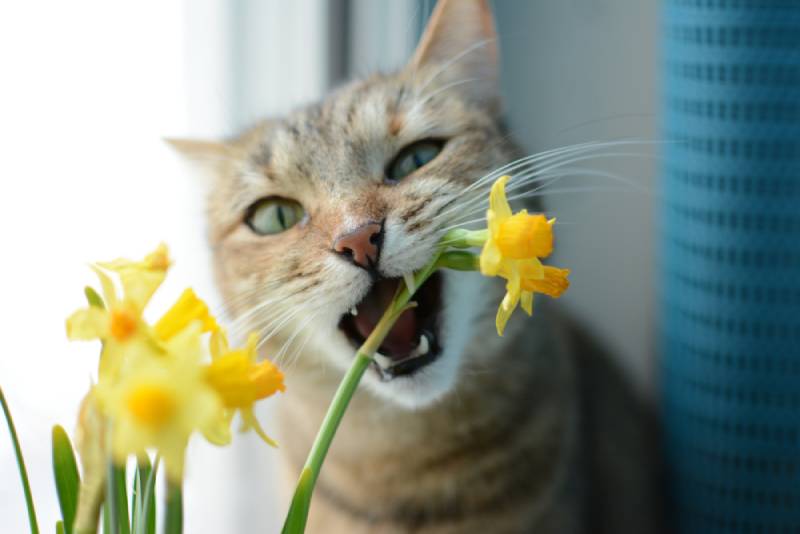
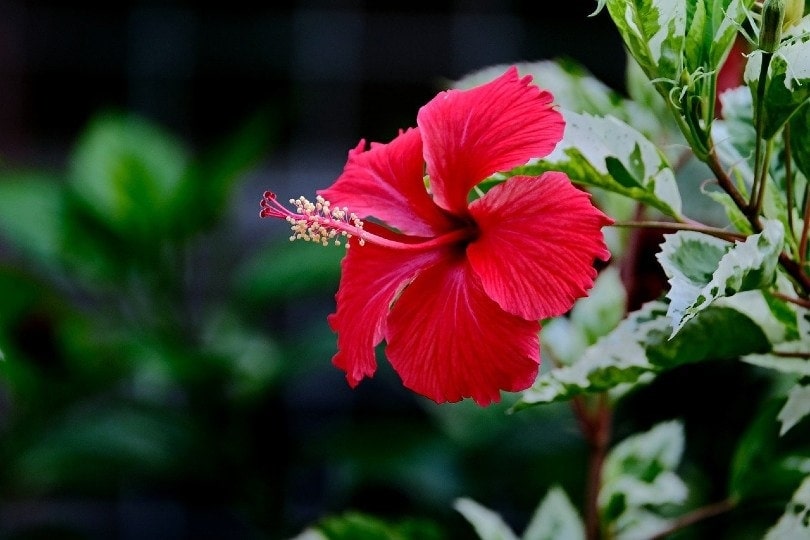
Is Hibiscus Poisonous to Cats? Vet-Reviewed Facts & Tips

As naturally curious animals, cats often nibble on plants growing in the house and garden. If your cat is nibbling on your hibiscus plant, you shouldn’t be con…

Nicole Cosgrove
By Nicole Cosgrove ·
Is Hibiscus Poisonous to Cats? Vet-Reviewed Facts & Tips

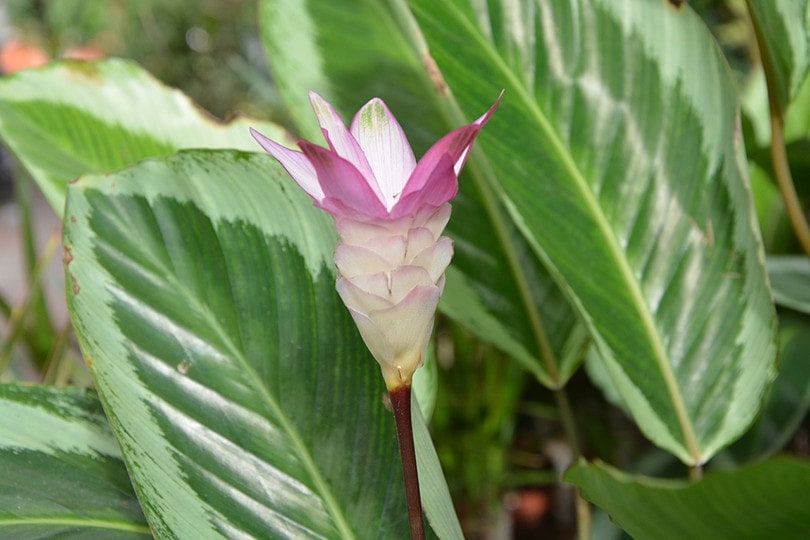
Is Calathea Toxic to Cats? Vet-Approved Facts and Safety Guide

Calathea plants are common houseplants because they have beautiful leaves and require a relatively low level of care. While they make a lovely and bright addit…

Genevieve Dugal
By Genevieve Dugal ·
Is Calathea Toxic to Cats? Vet-Approved Facts and Safety Guide

Can Cats Eat Carnations? Vet-Reviewed Facts & Alternatives

Commonly gifted for every occasion from graduations to Mother’s Day, carnations are one of the most popular flowers found in bouquets. Before you buy this flow…

Elizabeth Gray
By Elizabeth Gray ·
Can Cats Eat Carnations? Vet-Reviewed Facts & Alternatives

Are Goldfish Plants Toxic to Cats? Vet-Reviewed Safety Facts

Plants are a popular décor piece in many homes, and people love to grow them. They add greenery and improve interior spaces. Although they can be a stunning de…

Nicole Cosgrove
By Nicole Cosgrove ·
Are Goldfish Plants Toxic to Cats? Vet-Reviewed Safety Facts

Can Cats Eat Lilies? Vet-Approved Risks & Poison Prevention

Cats are curious creatures. Some of them get into things they shouldn’t when they’re investigating their surroundings. But if you keep lilies in the house, you…

Nicole Cosgrove
By Nicole Cosgrove ·
Can Cats Eat Lilies? Vet-Approved Risks & Poison Prevention

Are Dahlias Poisonous to Cats? Vet-Verified Facts & Info

Dahlias are absolutely beautiful flowers and a common choice for those looking to spruce up their home with some freshness. However, dahlias are unfortunately…

Kristin Hitchcock
By Kristin Hitchcock ·
Are Dahlias Poisonous to Cats? Vet-Verified Facts & Info

Are Snapdragons Poisonous to Cats? Vet-Reviewed Safety Facts

When keeping your cat safe from poisonous plants, you’ll want to know what is harmful and how likely they’ll eat it if they stumble across it. Thankfully, snap…

Kerry-Ann Kerr
By Kerry-Ann Kerr ·
Are Snapdragons Poisonous to Cats? Vet-Reviewed Safety Facts