Hepper is reader-supported. When you buy via links on our site, we may earn an affiliate commission at no cost to you. Learn more.
Are Raid Fly Ribbons Toxic to Cats? What to Know!


In this article
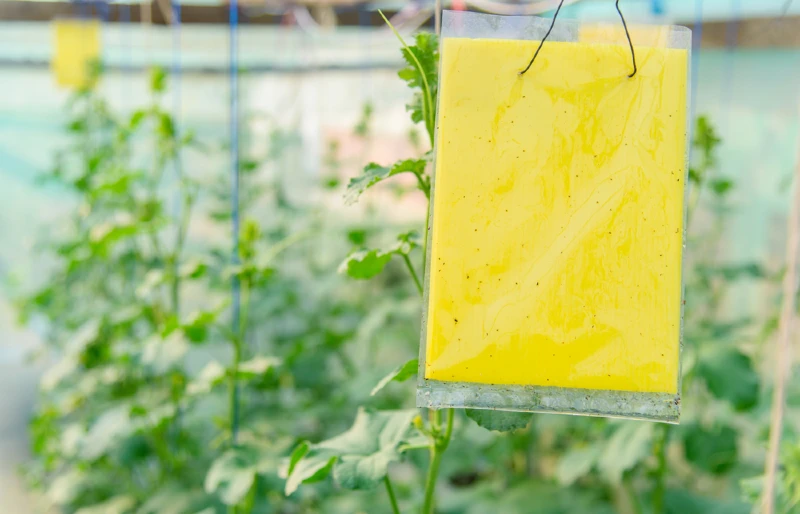
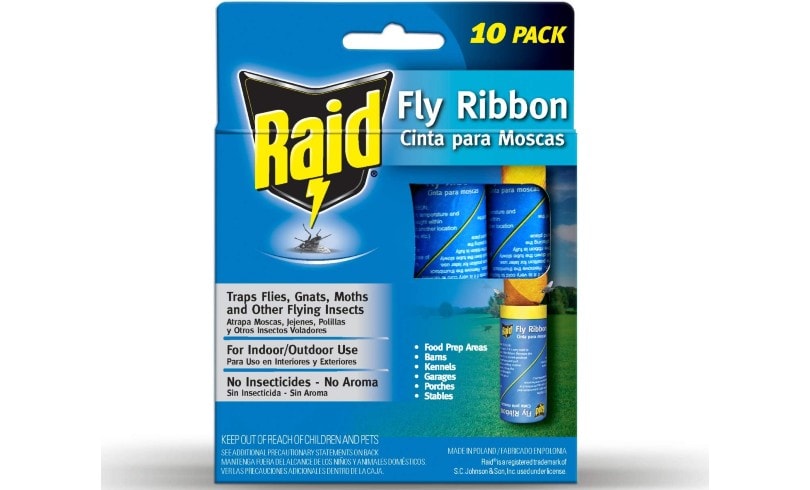
When the beautiful summer weather finally sets in, it brings with it unbearable little visitors, such as flies and mosquitoes. Fortunately, there are products to keep them from ruining our summer, like Raid fly ribbons. These fly tapes can be used outdoors and indoors to quickly trap flying insects and keep them from bothering you. These fly tapes are also quick to install and can easily be hung around your home to eliminate unwanted pests. But are they safe for your curious cats? Fortunately, yes!
Raid fly ribbons are non-toxic to cats and safe to use around pets. Find out what to do if your cat gets their paws on fly tape, how to remove it safely, and how to protect your cat from other, toxic household products.

What Are Fly Ribbons Made Of?
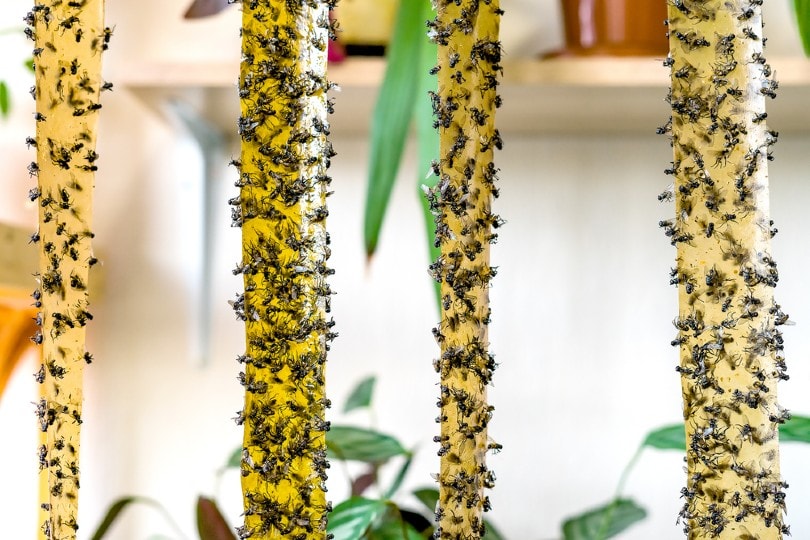
The Raid fly ribbon, or flypaper, is a fly-killing device made of white mineral oil. It's an odorless adhesive strip used to attract unwanted flying insects. When they land on it, flies remain trapped by the extremely sticky substance that covers the tape. Flypaper is considered a pesticide device and is regulated by the US Environmental Protection Agency.
What Kind of Poison Is Used in Flypaper?
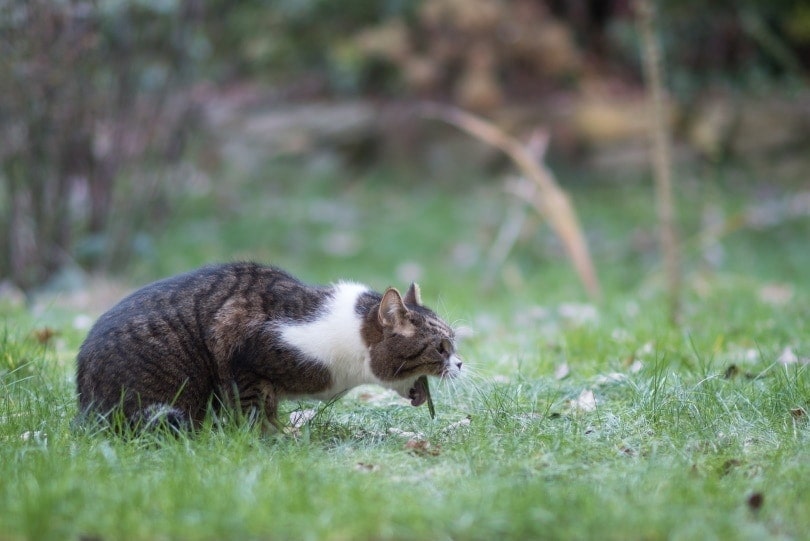
Raid fly tapes are free from toxic chemicals that can harm pets, even curious cats. The only potential health effects for animals and humans, which can be found on the material safety data sheet of the product, are vomiting, cramps, or diarrhea if the flypaper is ingested. So, if your cat tends to nibble on anything in their path, it's best to hang the fly tape out of their reach.
How Do You Get Fly Ribbon Glue Off a Cat?
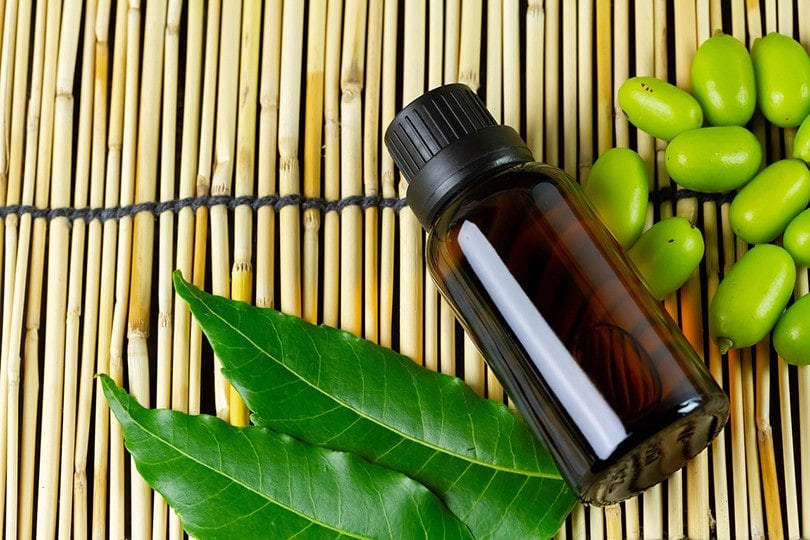
If a piece of flypaper gets stuck on your cat's fur, don't panic! You can simply use vegetable, canola, or olive oil to loosen sticky residue from your cat's coat:
- Pour oil directly onto the sticky tape.
- Massage the oil into your cat's fur with your fingers.
- Once the adhesive has softened, remove it with a fine-toothed comb.
How to Keep Your Cat Safe From Toxic Household Products
Although Raid fly ribbon is not toxic to your cat, many household products are. Toxic products should always be kept out of the reach of pets. Consider storing household products in cupboards with child safety locks, because cats can sometimes manage to open cupboard doors.
There are many household product alternatives that are safe for cats, that can give you peace of mind. These can be store-bought or homemade solutions. Choose these solutions to avoid the risk of poisoning.
What to Do If Your Cat Comes Into Contact with Toxic Products
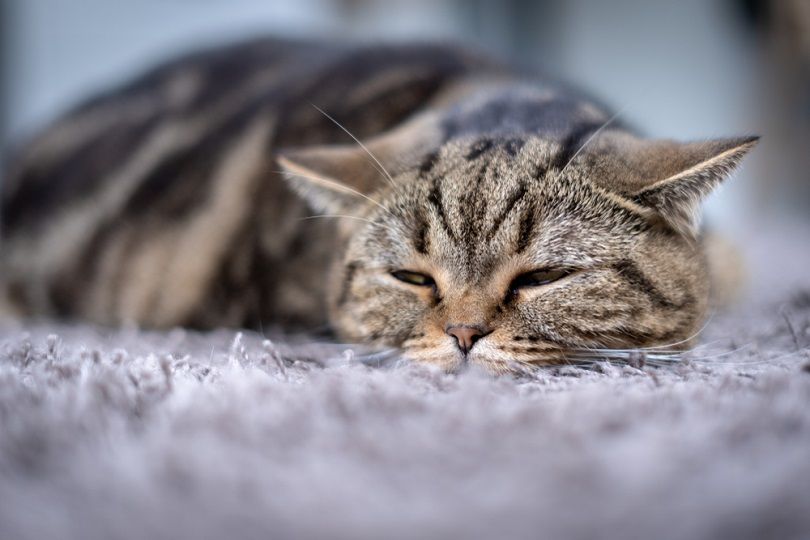
The important thing is to act quickly. If your pet has ingested a household product, get them to a veterinarian as soon as possible or contact the poison control center.
You can also:
In any case, do not try to make your cat vomit, as this could cause additional burns in their esophagus.

Final Thoughts:
Fly tape works wonders to keep unwanted pests away from our homes. But sometimes, these devices can contain chemicals that are harmful to pets, which limits their appeal. Luckily, that's not the case with Raid fly ribbons, so you can keep your cats in the house safe and unwanted flies out!
Get Hepper In Your Inbox


Pet care tips from our vets and experts, straight to your inbox.
You may opt-out at any time. View our Privacy Policy for more information.
Genevieve, a biologist and science writer, who harbors a profound affection for capuchin monkeys, pumas, and kangaroos. This passion has led her to travel extensively, volunteering and working at wildlife rehabilitation centers in Bolivia, Guatemala, Canada, and Australia. Now residing in Argentina as a Canadian expat, Genevieve enjoys the view of horses and cows greeting her from the vast plains outside her home office window. She proudly cares for three rescued dogs—Lemmy, Nala, and Pochi—and a playful kitten named Furiosa. Sharing her extensive knowledge and love for animals brings her immense joy and fulfillment.
Join the conversation
Ask a question, share your story, or send private feedback.