Hepper is reader-supported. When you buy via links on our site, we may earn an affiliate commission at no cost to you. Learn more.
Found a Dead Tick on Your Cat? Vet-Approved Next Steps & Tips


In this article
We all love our cats, but sometimes they bring unwelcome visitors into our homes. Ticks can attach themselves to cats and cause an array of health issues, including Lyme disease. Knowing how to safely remove a tick from your cat and dispose of it is essential.
In this quick guide, you'll get clear instructions on how to deal with a dead tick on your cat and how to prevent them altogether.

What Are Ticks and Why Are They Dangerous for Cats?
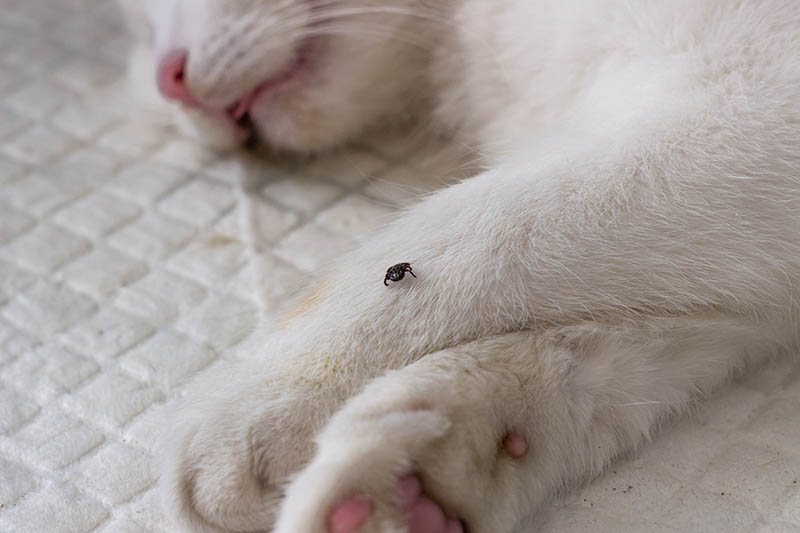
Ticks are small insects that feed on the blood of mammals. Cats can get ticks if they spend too much time outside, especially in wooded or grassy areas. Ticks are dangerous because they can transmit a number of diseases to cats, including Lyme disease, ehrlichiosis, and Rocky Mountain spotted fever. It's also possible for ticks (dead or alive) to transmit diseases to humans.
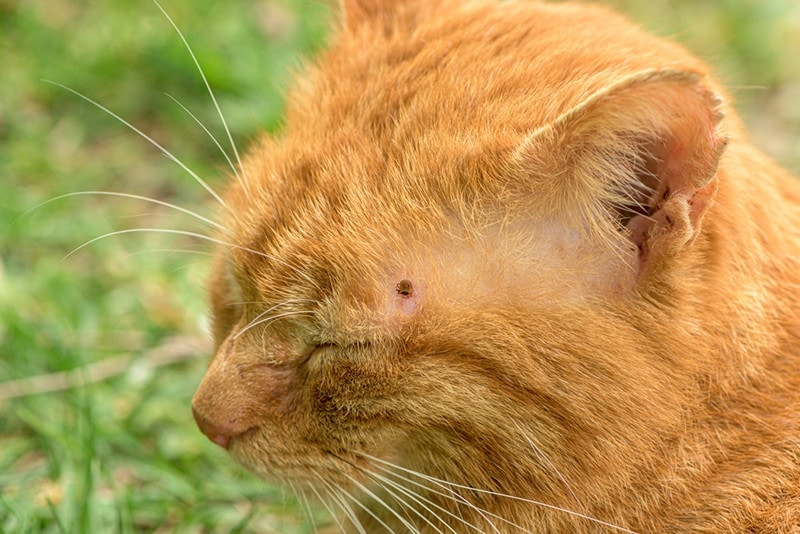
If your cat gets a tick, there are a few telltale signs that you should look out for, including excessive grooming, lethargy, lack of appetite, a change in behavior, and a general change in appearance. Ticks are most commonly found on the head, neck, and ears.


What to Do if You Found a Tick on Your Cat
1. Identifying a Tick on Your Cat
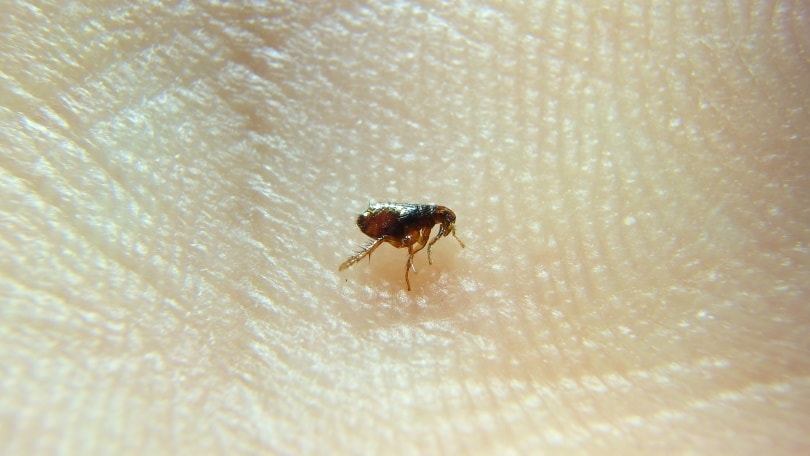
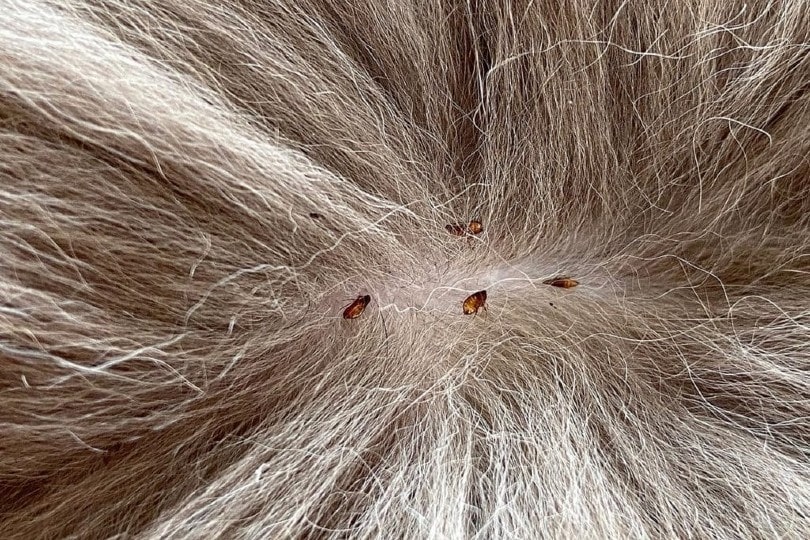
Before you attempt to remove the dead tick from your cat, you will first need to properly identify it and make sure it's just that and not another common cat pest (like a dead flea). There are many different types of cat pests (and ticks) that have varying life cycles, hosts, and symptoms. These will vary depending on what type of pest or tick your cat has.
You may be able to identify the bug based on its location, color, size, or other physical characteristics. The most common types of ticks found on cats are the American dog tick, the brown dog tick, the Lone Star tick, and the Deer tick.
2. Gather Your Equipment
Before you attempt to remove a tick from your cat, you'll need to prepare a bit. To remove the tick from your cat, you will need the following items:
- A pair of tweezers: You'll need these to grasp the tick’s mouth parts and pull the tick out.
- Disinfectant: You'll use this to clean the area after removing the tick (ex: Vetericyn or Nutri-Vet).
- Gauze: You may need to stop any bleeding, so have some gauze or disposable tissues nearby.

3. Removing the Tick from Your Cat
First, fill a small bowl or container with isopropyl alcohol. Next, separate the fur, and ensure that it is not a skin tag. Once you can see the tick, grab it as close to your cat's skin with the tweezers as possible. Don't squeeze the tick – you can push parts of the tick's body into the cat's skin if you squeeze too hard.
To remove it, just use gentle pressure. Afterward, place the tick in the isopropyl alcohol or flush it down the toilet.
4. Treating the Area After Removal
After you have removed the tick from your cat, you will want to clean the area. Doing so will help to reduce your cat’s chance of contracting an infection. Apply an ointment or another disinfectant to the tick bites on your cat's skin and monitor the area over the next week to ensure that it heals okay.
You can then use a clean bandage or sterile dressing to cover the area (particularly if there was bleeding). While monitoring over the next week, look out for swelling, redness, warmth, or pus. If you see any of these signs, you will contact your vet immediately.

5. Call Your Vet to Remove the Tick
You can also take your pet to the vet if the cat has more than one tick or if it seems to have an infection. A vet is trained to remove ticks and will be able to do so more safely than you would. A vet will also be able to properly identify the type of tick and assess your cat for the risk of contracting a disease.
Lastly, your vet can prescribe any necessary vaccinations if your cat has been infected by the bug. Remember, ticks can cause an array of diseases in cats, some of which may be life-threatening.
Tips for Keeping Your Cat Tick-Free
Ticks can be incredibly dangerous to cats and can cause a range of illnesses, including Lyme disease. While there is no guaranteed way to completely prevent ticks from making their way onto your cat, there are a few steps you can take to help reduce the chances of it happening.
Regularly Check Your Cat for Ticks
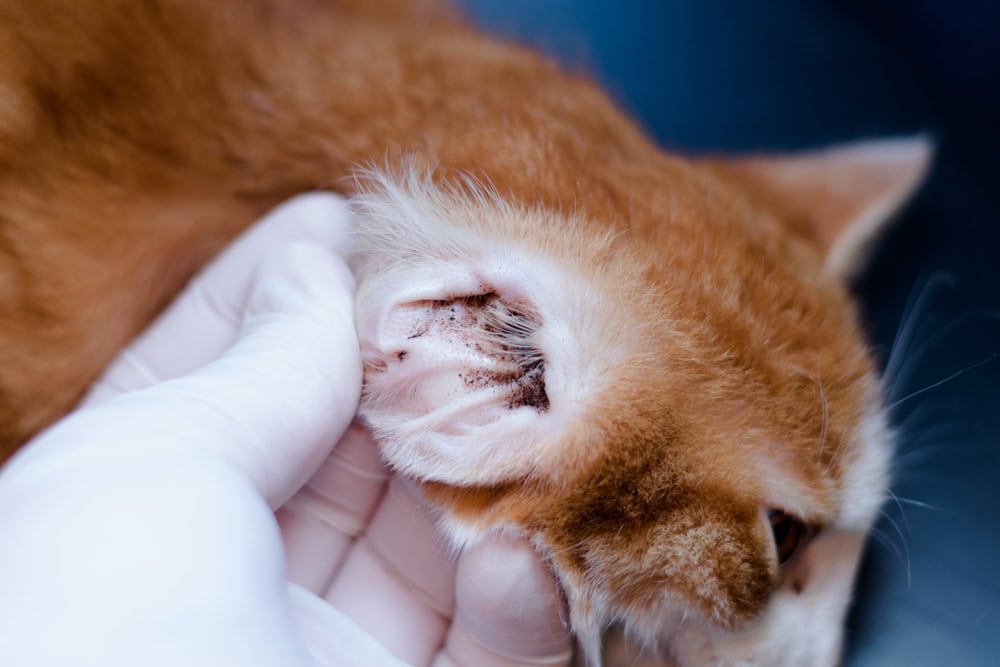
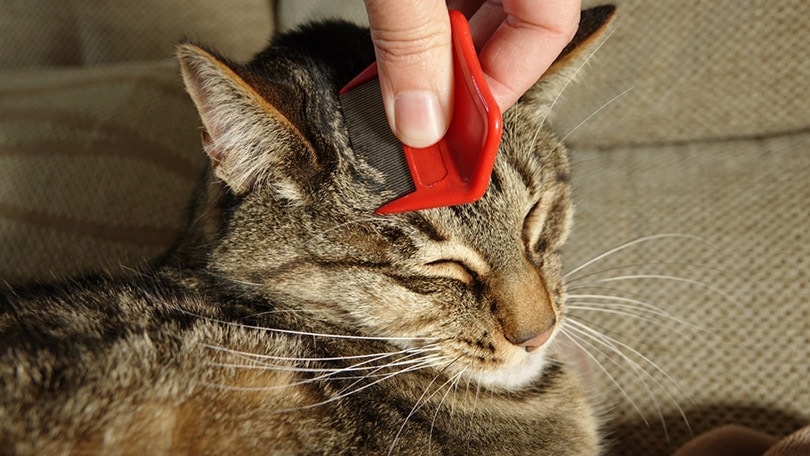
If your cat has been spending a lot of time outside or if you keep finding ticks on them, it is important to check for ticks fairly regularly. To do this, you should start at its head and work your way down. A good place to start is by checking the ears. Try using a cotton swab or a small brush to carefully comb through the ears. Next, move onto the neck and behind the ears.
While checking behind the ears is easy, you will have to bend your cat into a sitting or lying position in order to check the neck thoroughly. You may even need to use a magnifying glass or a flea/tick comb in order to properly check your cat. Next, make sure to check the cat's back, the insides of its arms/legs, and along its tail.
Tick Prevention Techniques for Your Cat
There are a few ways you can help reduce the chances of your cat getting a tick. Tick and flea medicines are a good place to start. While there are a number of different brands, the most commonly recommended are Frontline and Advantix. Both of these are applied once every month and are very effective at killing ticks and fleas.
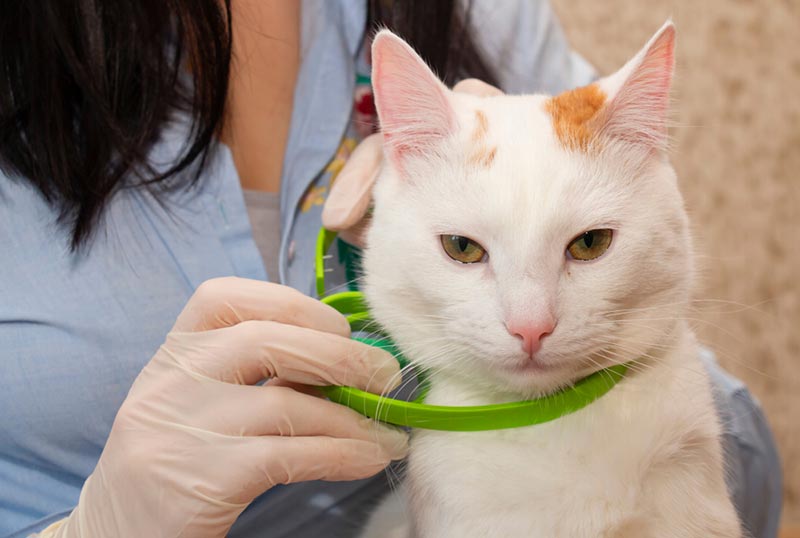
Frontline is a little less effective at killing fleas and is also a bit more expensive. If you only have one cat, it may not be worth investing in the more expensive product – a simple tick collar may do just fine. If you have two or more cats (or regularly deal with tick issues), it's probably better to go with the more expensive or long-term products. Note that collars should be placed on the neck of your cat – not ever on their legs (yes, some owners actually do this).
To prevent your cat from nibbling at the collar, trim the excess with a pair of shears. Also, be aware of signs of discomfort such as excessive scratching or irritation. You may also want to consider tick baths as well. Here are a few other tick-prevention methods:
Sprays
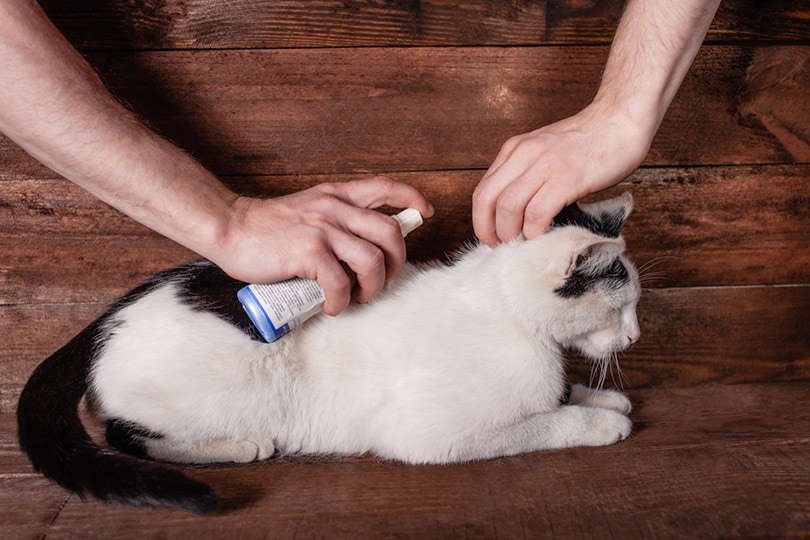
Tick spray is a topical medicated application that kills ticks quickly while providing residual protection. These sprays can be used between shampoos or flea/tick dips. They can also be very useful for felines who spend a lot of time in wooded areas. Sprays can be used on the cat's skin, so it's important to use caution upon application. Before spraying your cat's face, make sure you read the label.
Shampoos
A shampoo containing medicated ingredients can kill ticks by direct contact. This is a cost-effective but labor-intensive way to protect your cat from ticks during the warmer months.
Note that the tick-killing ingredients won't last for as long as an oral or spot-on medication. So, you'll have to repeat this process approximately every 2 weeks. And if you, like many cat parents, have a feline that's anti-bath, this can be a bit of a hassle.
Spot-on (Topical) Treatments
A spot-on, over-the-counter medication can easily be prescribed by your vet. You can also go to your local pet shop or online to find these treatments. These medications can keep parasites away for as long as a month and can be extremely effective, but you need to be careful which one you choose, so always carefully read any labels.
Your vet should be consulted if you're ever unsure about applying a spot-on to your cat's skin, especially if your cat is under 6 months old or has any skin conditions or allergies.
Oral Medicine
Talk to your vet to determine if you think your cat can benefit from a tick pill. A once-a-month or quarterly pill has the advantage that it doesn't need to be applied to your cat and often works for a long time, which can save you time and the hassle of trying to apply something to your cat’s skin.

Powders
Tick powders are also an effective way to repel ticks from your cat. Before you use the powder, make sure that the product has been labeled for cats to ensure that it's effective against both ticks and fleas. Note that if inhaled, this fine powder can cause irritation to the lungs and mouth.
So, use small amounts of the product and rub it gently into the skin. Powders should never be applied to your cat's eyes or face. And in the warmer months, you'll likely need to re-apply more frequently. Powders can also be used in the areas where your cat is sleeping, as well as in any other places in your house that your cat frequents.
Tick Dips
Dips are concentrated chemicals that need to be diluted in water. After applying a dip product, you'll need to rinse your cat off. Dips can be extremely strong, so always read the labels before applying (some may require certain steps after application).
For cats under 4 months old, this may not be the best option as it may be a bit too strong for your kitten, so always ask your veterinarian about other treatment options.
Keep Your Cat Indoors
While using tick and flea preventatives can go a long way toward keeping your cat safe from ticks, you should also take other steps to ensure your cat is tick-free. Keeping your cat indoors is a good first step, as it reduces its exposure to ticks.
If you must take your cat outside, try to keep it on a leash (and only outdoors for a limited time) so that it won't be able to run off into grassy, woody, tick-ridden areas. It's also important to regularly groom your cat to ensure ticks do not have a place to live.
Ticks live outdoors in open fields, beneath homes, and in sheds, garages, and other areas where they can make contact with hosts. So, the more you keep your cat away from these areas, the better.

Check Your Cat's Bedding
Taking the time to regularly check your cat's bedding and outdoor areas can go a long way towards keeping your cat safe from ticks. This can be done with a thorough visual inspection every week or by using a specialized bedding checker.
If you find that your cat's bedding has ticks, you can remove the ticks and sanitize the bedding or simply pitch it all together. Remember, sometimes ticks will also have larvae nearby that will need to be killed as well. To do this, you'll need to wash and dry the bedding on high heat settings and then inspect it again before allowing your cat to use it.
Get Your Cat Vaccinated
Vaccination is also an effective step that you can take to keep your cat from becoming sick in the event that it is bitten by a tick. While most cats are vaccinated against this disease specifically, they're not usually vaccinated against other tick-borne diseases (like Lyme disease, anaplasmosis, Rocky Mountain spotted fever, and tularemia).
Wrapping Things Up
If you find a dead tick on your cat, it’s important to remove it and check for others. Also keep an eye on your cat for signs of disease and infection and take your cat to the vet if necessary.
Keeping your cat safe and tick-free is incredibly important. While ticks can be incredibly dangerous to cats, they can be prevented with regular checking and anti-tick medicines.
There are a few ways you can help keep ticks away from your cat, including keeping them indoors, checking them regularly, and keeping their bedding clean. With the right preventatives and the right precautions, you can help ensure that your cat is safe and healthy.
See also: Myths & Misconceptions About Betta Fish
Featured Image Credit: Topolszczak, Shutterstock
Get Hepper In Your Inbox


Pet care tips from our vets and experts, straight to your inbox.
You may opt-out at any time. View our Privacy Policy for more information.
Nicole is a lover of animals of all sizes but is especially fascinated with the feline variety. She’s the proud mom of Baby, a Burmese, and works every day so he can relax in the sunshine or by the fire. She’s always had a cat in her home and has spent countless days with others, observing behaviors and softening up even the grouchiest of the lot. Nicole wants to share her kitty expertise with you so you and your cat can live happy, healthy, and care-free.
Join the conversation
Ask a question, share your story, or send private feedback.