Hepper is reader-supported. When you buy via links on our site, we may earn an affiliate commission at no cost to you. Learn more.
Is Vanilla Essential Oil Safe for My Cat? Vet-Approved Tips & FAQ



In this article
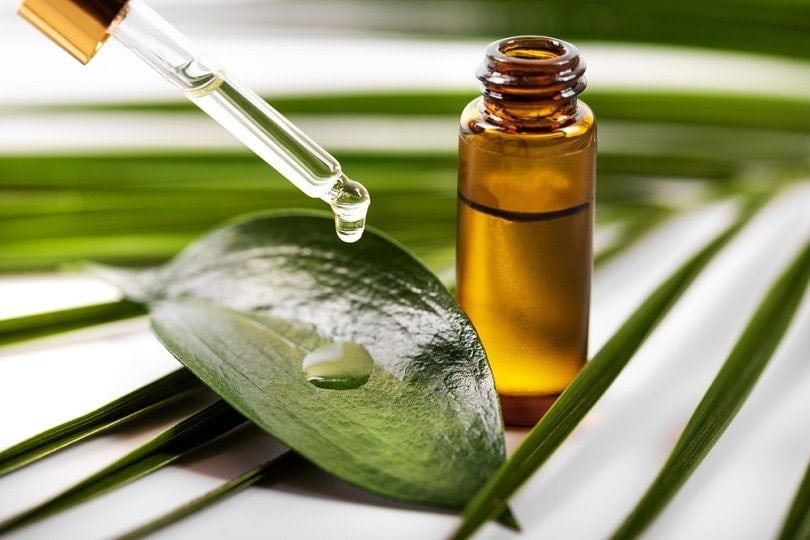
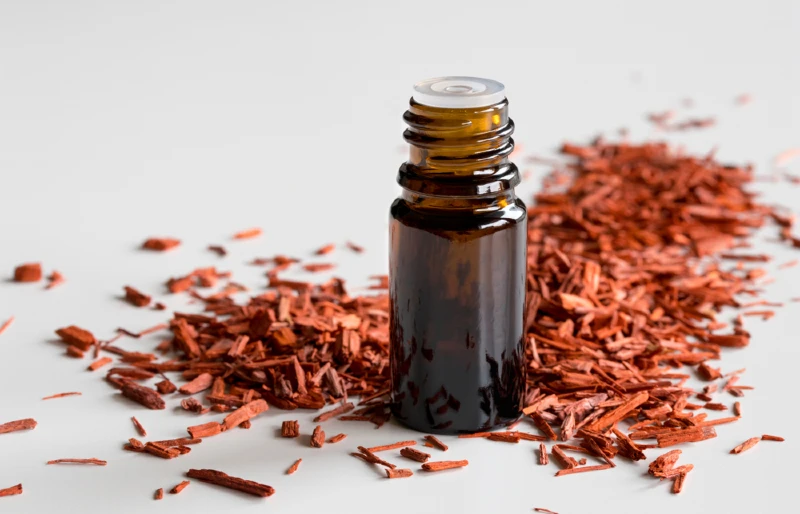
Cats are pets that many people love and cherish. They require special care to stay healthy, which is why it is important for owners to be aware of the products they use in their home. Essential oils are popular ingredients in many candles, home goods, and even pet products, but some may be very toxic to cats.
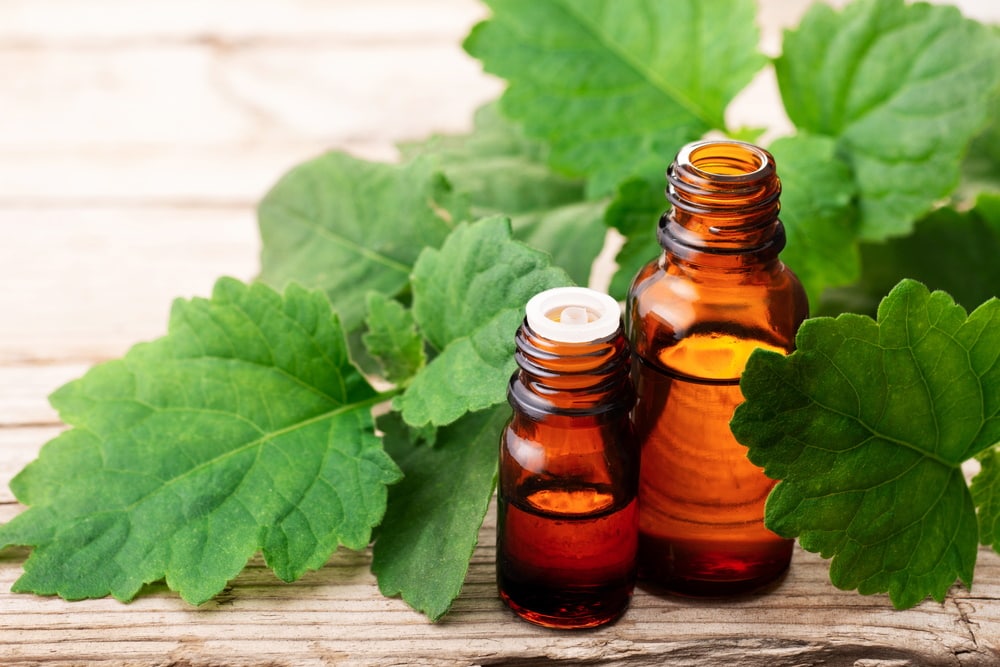
Vanilla essential oil is one such possible toxin, so it is important for cat owners to understand the potential risks associated with using this product. This article will discuss whether vanilla essential oil is safe for cats and provide some tips on how to use it safely, if necessary.

Is Vanilla Essential Oil Safe for Cats?
The short answer is no, vanilla essential oil is not safe for cats.
While this natural ingredient may have a pleasant scent, it is important to remember that our feline friends have a sense of smell far superior to ours. What may be a mild scent for us might be an extremely unpleasant experience for our cats.
More importantly, droplets of essential oils that come in contact with your cat's skin may cause irritation. Furthermore, the oil may be absorbed by your cat's body from their skin. Our feline babies lack the necessary enzymes to properly metabolize essential oils.
Cats also spend a great deal of time grooming themselves; in the process of grooming, your cat may lick and ingest droplets of essential oil. Over time, a build up of oils in their system can lead to toxicity and other health issues.
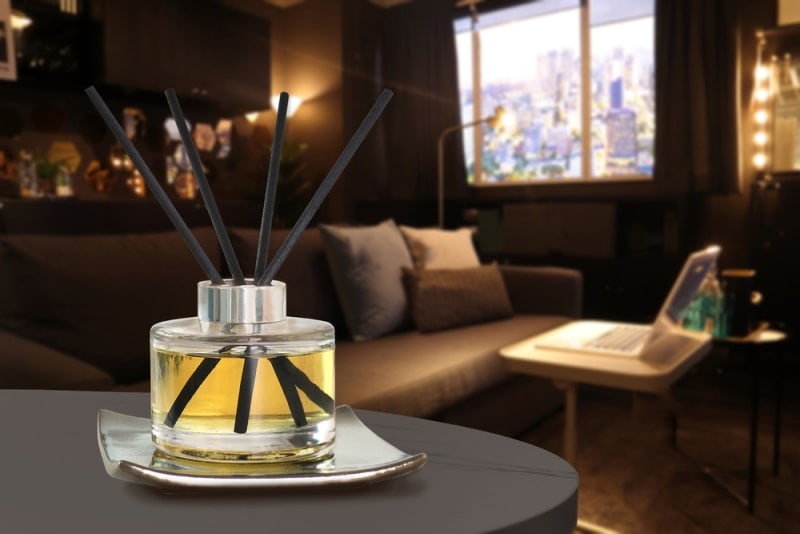
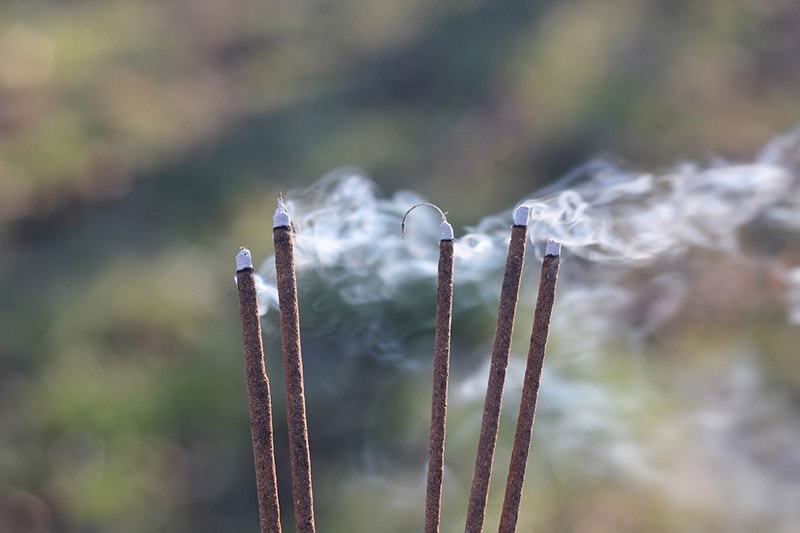
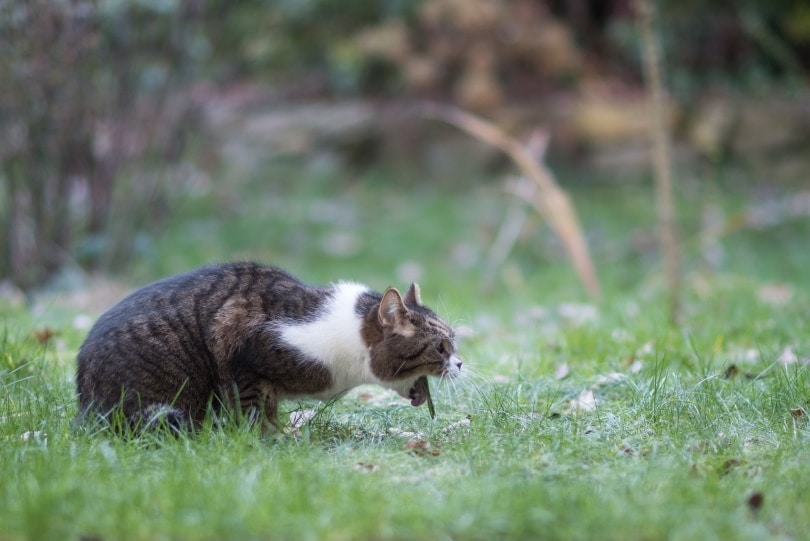
Finally, cats have a relatively sensitive respiratory system. As such, factors such as strong scents, diffusers, incense, smoke, and other aerosols often have adverse effects on their well-being. Signs that your cat might be suffering due to essential oil use include vomiting, drooling, irritated skin, breathing difficulty and even seizures.
Tips for Safe Use of Vanilla Essential Oil
Essential oil is not safe for cats; the best solution is to either avoid them or temporarily remove your cat from the room. If this isn't possible, it is important to follow some general safety tips:
Using Essential Oils Around Cats
If your cat is pregnant, nursing, asthmatic, recovering from an illness, or has been diagnosed with any other health condition or ailment, always consult with your veterinarian before using any essential oils, aerosols, or diffusers around them. Essential oils should never be used around kittens.
Alternatives to Essential Oils
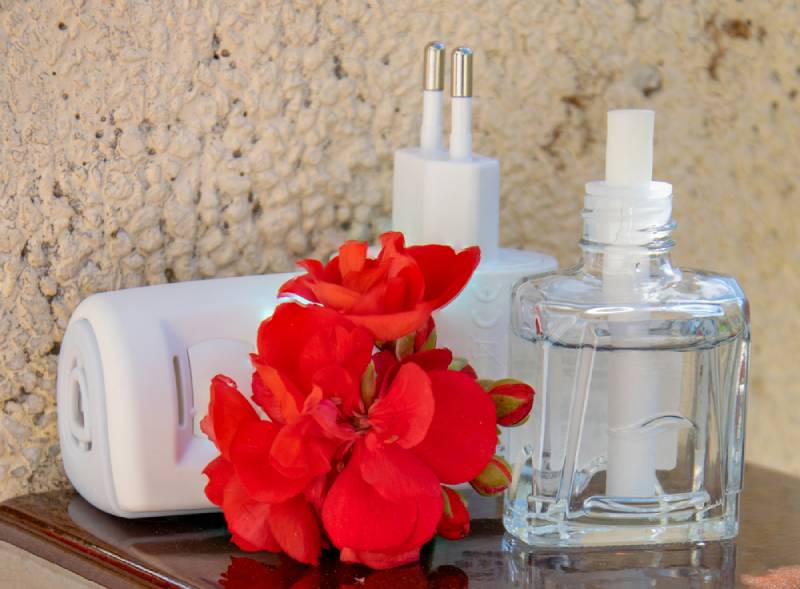
If you are looking for a safe way to scent your home or pet products, there are several alternatives to essential oils that may be better suited for cats. The best option for a fragrant spray are pet-safe sprays. However, it is important to note that these sprays should not be sprayed directly at or onto your cat, but rather in the room you wish to deodorize. Cat litter deodorizers are also safe to spray around your house, if necessary.
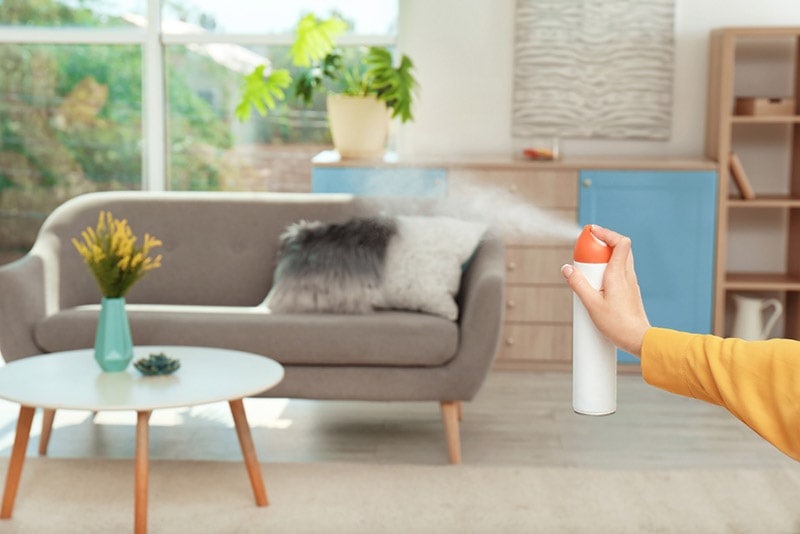
While it may seem odd to us, our feline friends primarily interpret their world with their nose. As a general rule, many human grade oils and other scent options such as air fresheners, wax melts, and other aerosols shouldn't be sprayed near your fur babies. They can cause irritation to their respiratory tract, skin, and in some cases, can have very serious consequences. While vanilla extract might seem like a tempting natural alternative, it shouldn't be used around cats as it contains alcohol, which is toxic for cats.
FAQs About Cats and Essential Oils
Are there any essential oils that are safe for cats?
While some essential oils are less dangerous than others, no essential oils are truly safe for cats. Unfortunately, cats lack the enzymes to break down these oils if they're ingested or inhaled, and they may eventually suffer as a result.
What should I do if my cat has ingested essential oil?
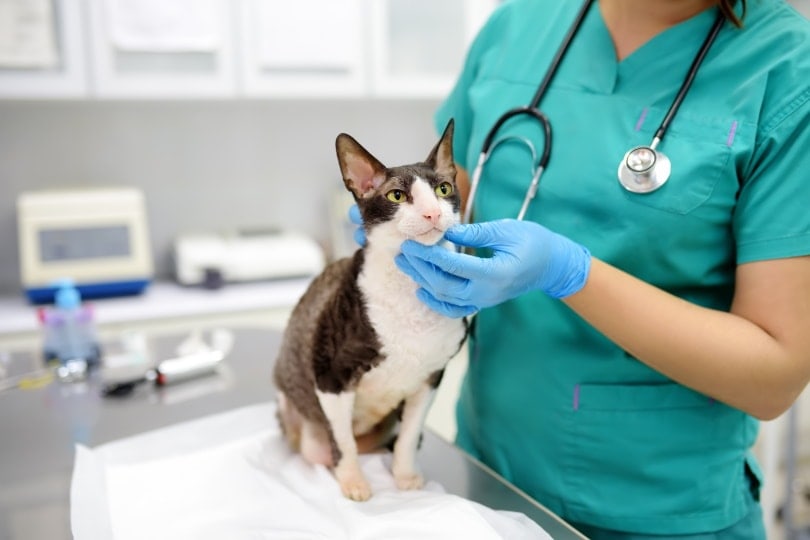
If your cat has ingested essential oil, it is important to seek veterinary attention immediately as this can cause serious health problems if left untreated. Additionally, you should contact the poison control center for further advice on how best to proceed until you can get your cat to the vet.
Can I use essential oils to groom my cat?
No, essential oils should not be used for grooming as this can be irritating and may even cause health issues if your cat is exposed to too much of the oil. It is important to stick to using specially formulated pet products that are specifically designed for cats.
Can I use essential oils on my cat’s bedding?
No, this isn't advised as your cat might inhale particles of diffused air. The essential oil might also gather on your pet's skin whenever he or she uses their bed, and then ingested when they groom themselves.
Is it safe to use essential oils in a diffuser around cats?
No, in general cats and essential oils aren't a compatible option. While some holistic veterinarians are specially trained to use therapeutic grade essential oils in pets, these decisions are best left to professionals.
Are there any natural alternatives to vanilla essential oil for cats?
As stated before, essential oils and cats aren't considered a good mix. Decisions to use essential oils around cats are best left to trained holistic veterinarians.
How do I know if my cat is having an adverse reaction to essential oils?
If your cat is exposed to essential oils, it is important to monitor them for any signs of distress. Common signs of an adverse reaction are as follows:
Signs of Essential Oil Toxicity
If you notice any of these signs, it is important to take your cat to the vet immediately so they can be treated. Additionally, it is important to stop using essential oils and ensure that your cat has access to fresh air.
Should I use essential oils in my home if I have cats?
Although some people do use essential oils in their homes, it is not recommended for households with cats as the oil particles can become airborne and your cat may accidentally inhale them which can lead to health problems. As such, it is best to avoid using any essential oils around cats.
When to See Your Vet
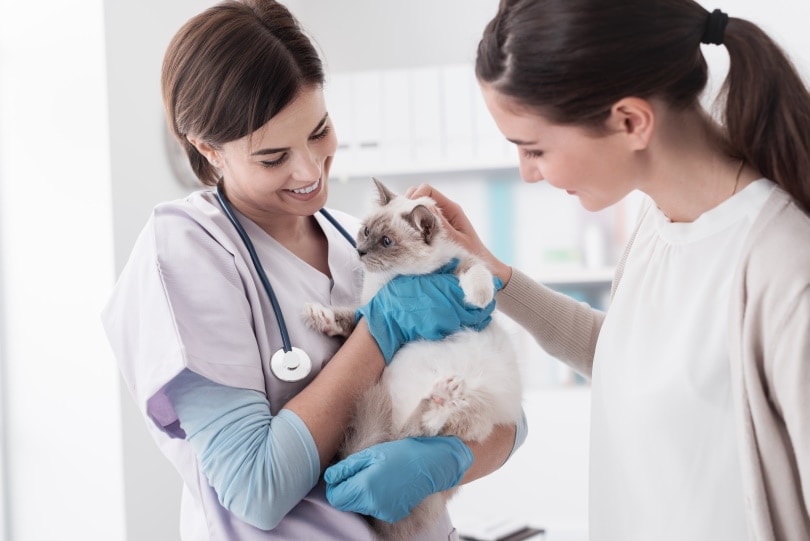
If you ever notice any of the signs of an adverse reaction to essential oils (mentioned above) in your cat, it is important to take them to the vet immediately. Additionally, if you are unsure if your cat might have inadvertently come in contact with or inhaled an essential oil, it is best to err on the side of caution and schedule a visit with your vet. Regular vet visits are recommended, even for apparently healthy cats, to make sure they have no underlying health issues or concerns.
Conclusion
Vanilla essential oil is not safe for cats, so it should be avoided whenever possible. However, if you must use it in a space where cats are present, be sure to follow the safety tips listed above and take extra precautionary measures such as keeping all essential oils out of reach. Additionally, keep an eye on your cat for any signs of adverse reactions and contact a vet immediately if any occur.
See Also:
Featured Image Credit: Dionisvera, Shutterstock
Get Hepper In Your Inbox


Pet care tips from our vets and experts, straight to your inbox.
You may opt-out at any time. View our Privacy Policy for more information.
Nicole is a lover of animals of all sizes but is especially fascinated with the feline variety. She’s the proud mom of Baby, a Burmese, and works every day so he can relax in the sunshine or by the fire. She’s always had a cat in her home and has spent countless days with others, observing behaviors and softening up even the grouchiest of the lot. Nicole wants to share her kitty expertise with you so you and your cat can live happy, healthy, and care-free.
Join the conversation
Ask a question, share your story, or send private feedback.