Hepper is reader-supported. When you buy via links on our site, we may earn an affiliate commission at no cost to you. Learn more.
Is Frankincense Safe for Cats? Vet Approved Facts


In this article
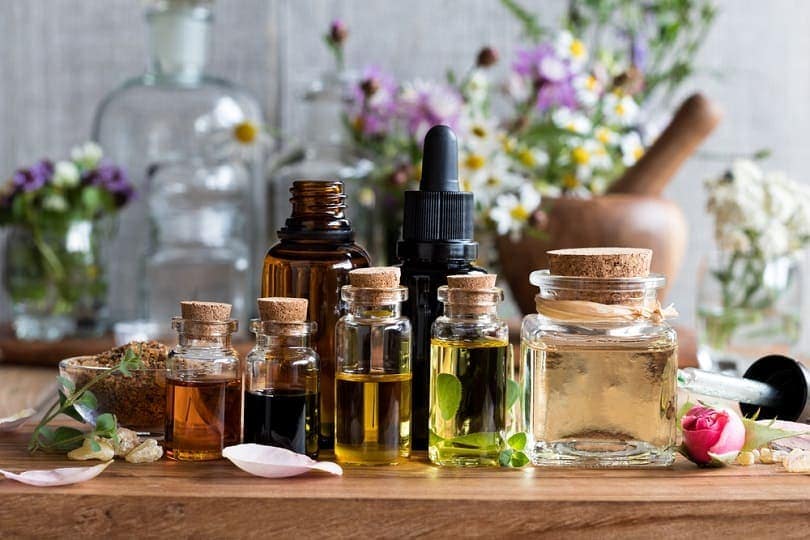
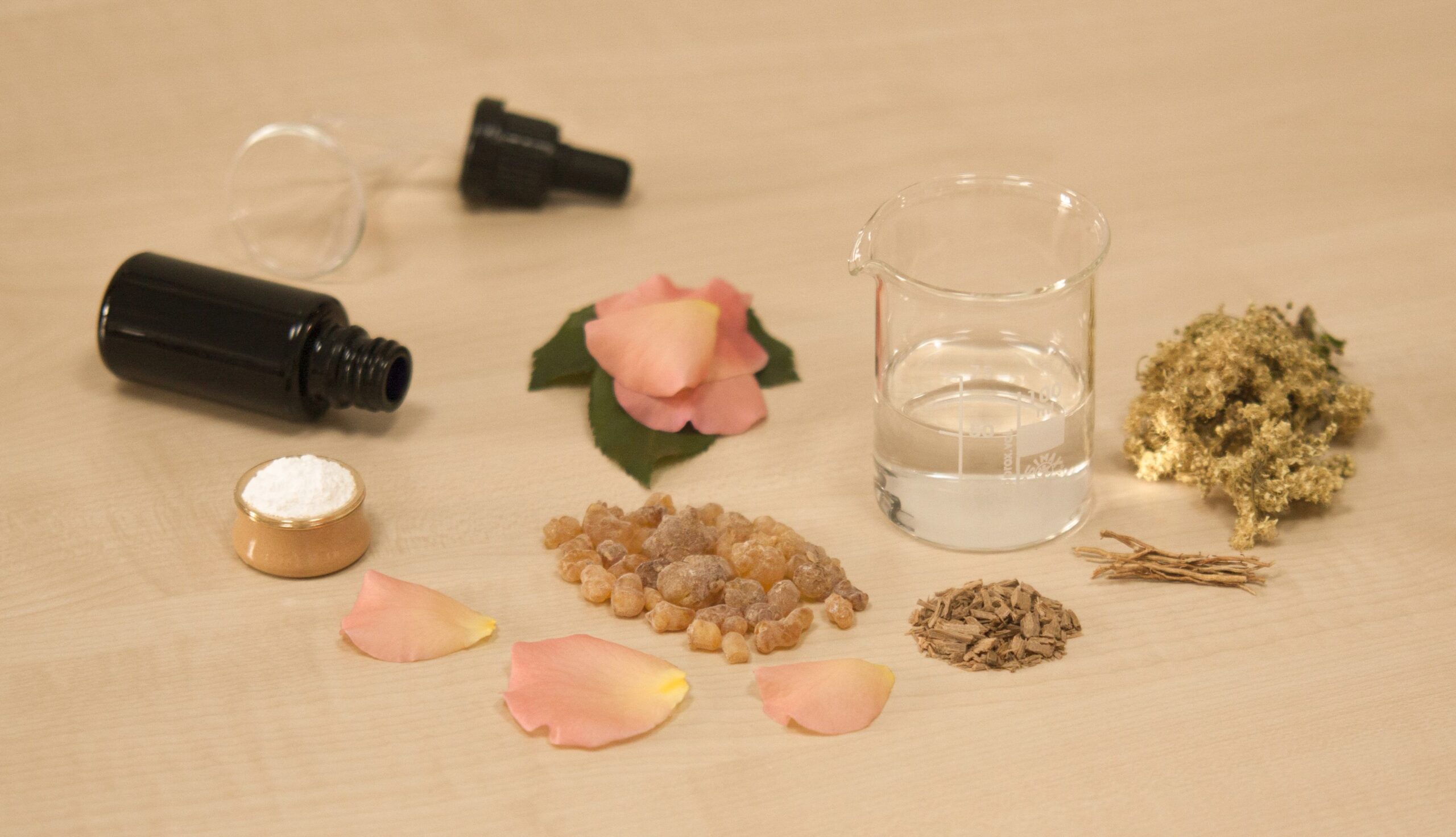
The safety of essential oils is a tricky subject when it comes to your cat. Some essential oils are very clearly not safe, some are iffy, and some are deemed okay when used correctly. However, this is a debated topic and one that is best addressed with your veterinarian.
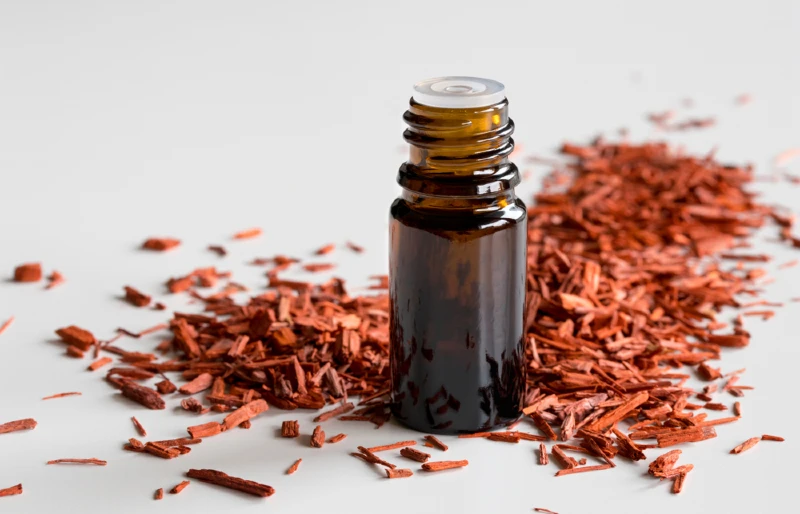
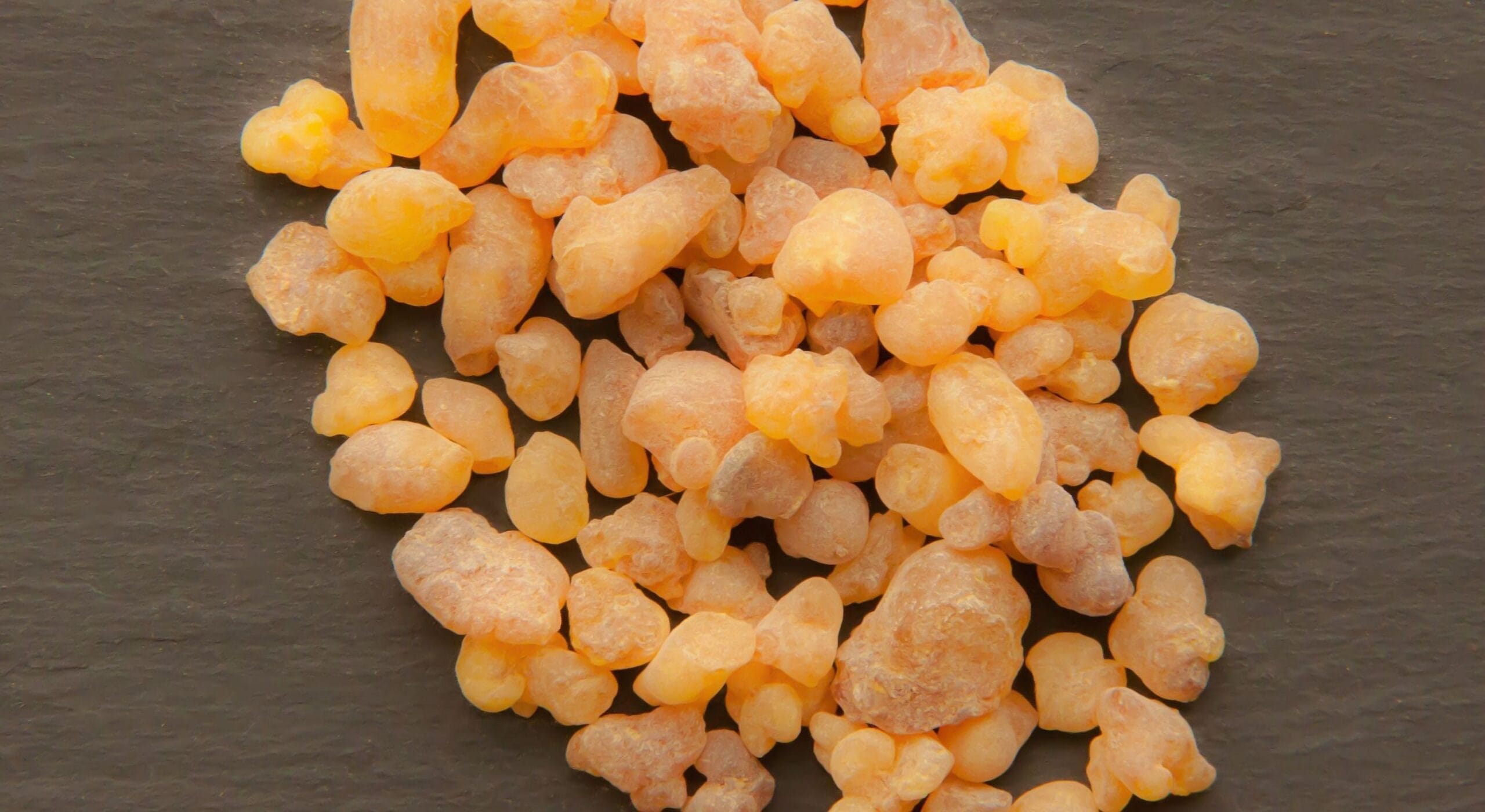
That being said, frankincense is not known to be toxic to cats, but whether it is safe entirely is unknown because of a lack of studies. In general, essential oils are considered risky for cats for a few reasons. If you have a cat and want to use frankincense for yourself, you may be able to do so safely with a few precautions.

Essential Oils and Your Cat
Frankincense is not known to be toxic, but it’s important to note that cats and essential oils are not a good combination. The ASPCA states that essential oils can be dangerous to your pet.1 The type of oil and the way that you use it may determine whether it is safe or not. For example, many essential oils should not be applied to pets, and there are many more that shouldn’t even be used on yourself or diffused around your cat.
For this reason, running the plan past your vet is a good idea if you are considering using essential oils around your cat. However, they should generally be avoided if your cat has asthma, sensitivities, allergies, or other respiratory conditions.
You should also use precautions, such as storing your essential oils in a cupboard that your cat can’t get into. Keep your cat out of the room if you’re diffusing or keep them away from you if you’re using it on yourself. And, keep in mind that every cat is different. What may be fine for some may cause serious issues in others, so always consult your holistic vet before using any essential oil around your cat.
Essential Oils That Are the Most Toxic To Cats
The reason essential oils pose such a problem for cats is that they have a hard time clearing the compounds from their body. They simply lack or don’t have enough of the enzymes needed to properly break them down and safely remove them. Instead, compounds within the highly concentrated essential oils can build up, potentially leading to disease of the liver, kidneys, digestive tract, and even the heart and nervous system. Due to their unique physiology, cats are much more susceptible to the toxic effects of essential oils than dogs and humans.
This goes for all uses of essential oils from those that are ingested as well as those put on the skin. Cats can also have issues when inhaling essential oils, usually because they have a sensitive respiratory system and can have a reaction to the smell and aerosolized droplets.
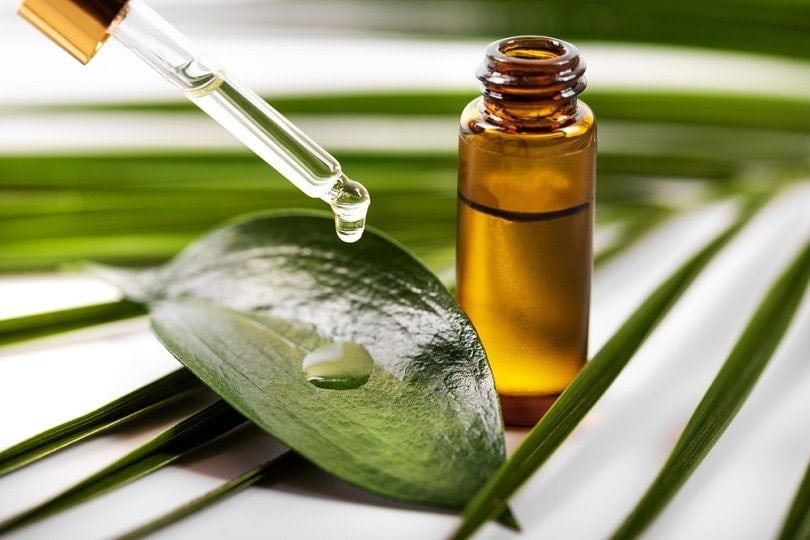
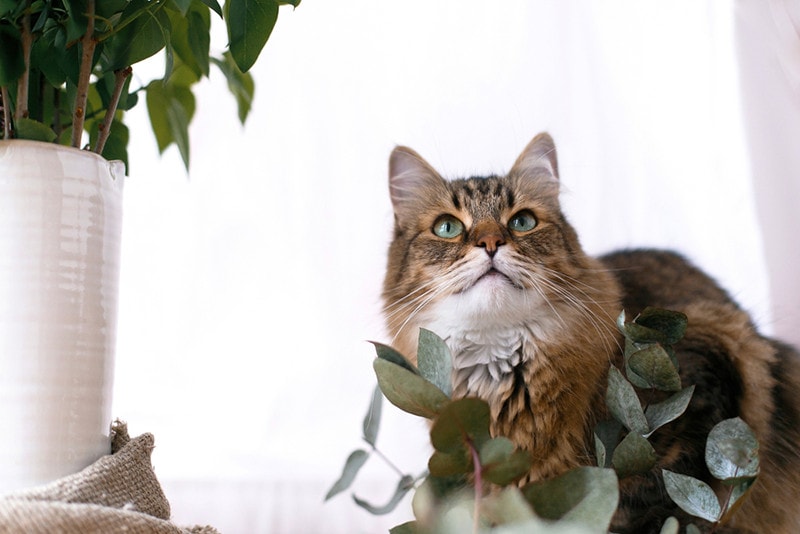
Some of the more highly toxic essential oils are:
Signs of Essential Oil Toxicity
No essential oil is 100% safe for use around your cat. With this in mind, using any essential oil on your cat may result in toxicity.
If your cat is suffering from essential oil poisoning, they may exhibit some signs, such as:
If your cat’s skin comes into contact with essential oils, you might notice skin irritation. Additionally, if they lick the essential oils this could lead to damage to the digestive tract.

Potential Benefits of Frankincense Essential Oil
In humans, Frankincense is often used to help boost a person’s mood and decrease stress and anxiety. It is most often diffused for this purpose. It has also been used to help decrease inflammation and fight some cancers.
Now, that is in people, not cats. There is no scientific backing for the benefits of frankincense in cats, so any use of frankincense in cats is purely experimental and also not proven to be safe.
Using Incense or Diffusers Around Cats
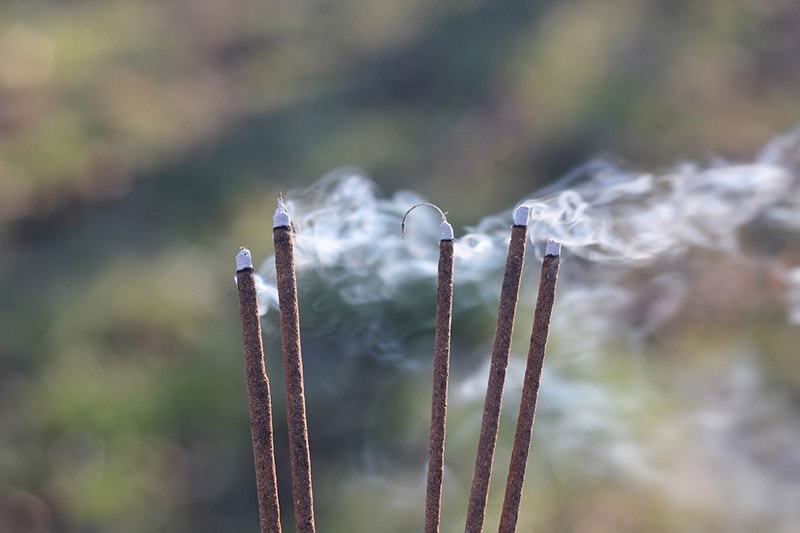
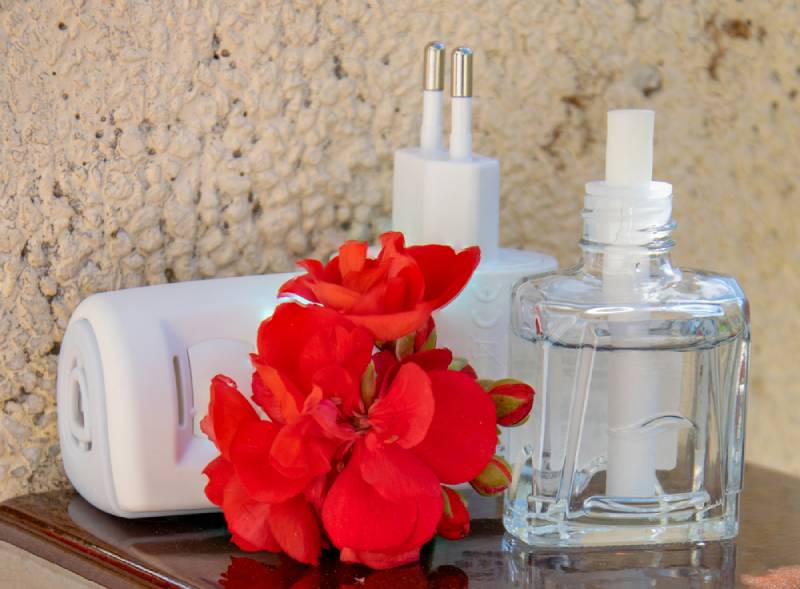
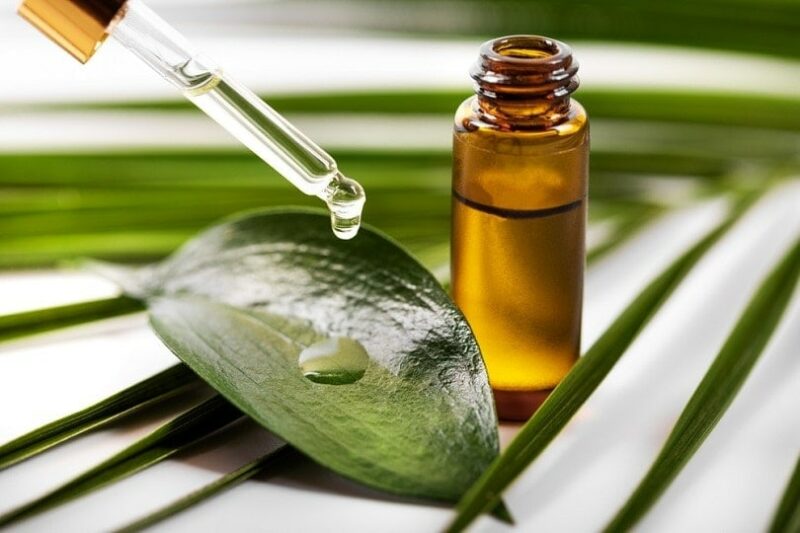
Incense is made with multiple ingredients and an essential oil. While the frankincense itself isn’t necessarily toxic, burning it can harm your cat.
Sensitive Sense of Smell
Cats have an incredible sense of smell. To give you an idea of how much better it is than ours, we have five million odor receptors that we use to identify different scents, while cats may have up to 200 million. This means bold smells, like those from burning incense, can be overwhelming.
They will also mask other scents that cats use in their everyday life, to scent mark, for example. This may cause your cat stress and anxiety.
Potential Disaster
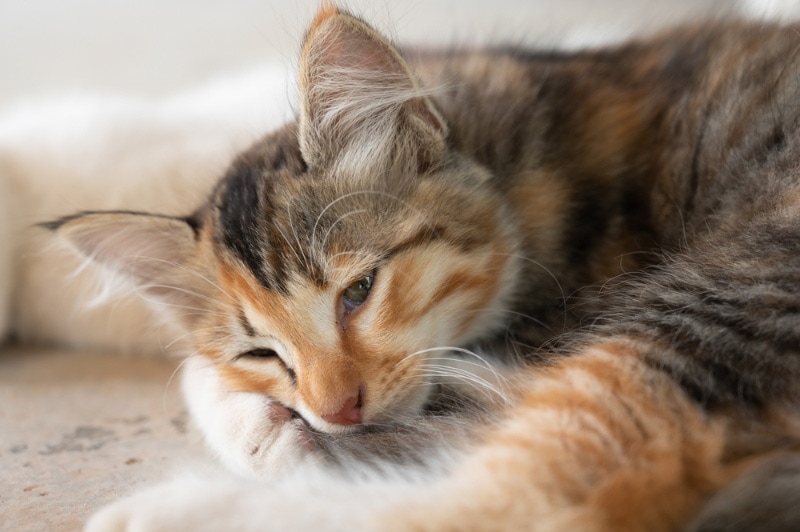
Even if you’re supervising them, accidents can still happen, and incense doesn’t always look hot, but it is. A curious cat could end up with a burned nose or knock over the incense causing a fire hazard.
Respiratory Problems
Aerosolized essential oils can quickly irritate your cat’s respiratory tract. It could cause congestion, sneezing, watery eyes, or coughing. Cats can also feel unwell and lethargic, and if they suffer from an allergy, it can make it difficult for them to breathe. The adverse effects are also known to worsen with prolonged exposure and can even lead to asthma.
Signs a Cat Is Stressed
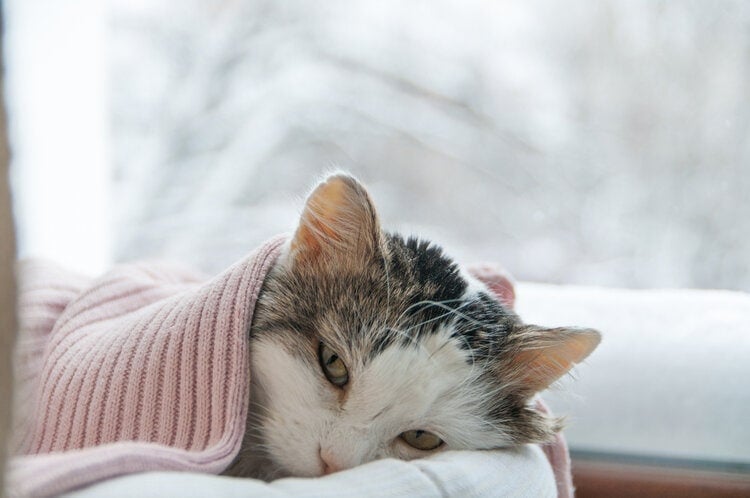
Essential oils or incense sticks can be irritating to a cat, even if you are cautious about their uses.
Cats are subtle about it when they’re feeling stressed, so it’s important to know what signs you’re looking out for, such as:
- Aggressive or territorial behavior
- Decreased appetite
- Diarrhea or constipation
- Excessive grooming
- Excessive scratching
- Excessive vocalization
- Hair standing on end
- Increased sleeping or hiding
- Isolation
- Urinating outside the litter box
Final Thoughts
Many people have frankincense as an essential oil in their homes, which may be safe to use around cats if used appropriately. There should always be good ventilation and your cat should have the ability to leave the room to get away from the essential oil. If you are unsure about its use around your cat, we recommend asking your vet for advice. They will not only be able to determine whether it’s safe to use around your cat, but they can also make sure you’re using it in the safest way possible.
Sources
Featured Image Credit: JumpStory
Get Hepper In Your Inbox


Pet care tips from our vets and experts, straight to your inbox.
You may opt-out at any time. View our Privacy Policy for more information.
Kerry-Ann lives in Scotland and wishes her garden was bigger so she could have her very own Highland cow. But her dogs probably wouldn’t like that very much. She has a La Chon called Harry who was poorly with a liver shunt when he was a puppy. It wasn't likely he would make it into adulthood, which was difficult, but he beat the odds and is a healthy old man now. She also has a Pug called Maddie who is a big foodie. She’s small, sassy, and every day she finds a new way to mess with her brother.
When she isn’t writing you can find Kerry-Ann going for long walks when the weather isn't bad, reading, or watching cartoons when she should be tidying her house. She would one day like to be a tourist in her own country and travel through the Highlands with her family.
Join the conversation
Ask a question, share your story, or send private feedback.