Hepper is reader-supported. When you buy via links on our site, we may earn an affiliate commission at no cost to you. Learn more.
Is Patchouli Safe for Cats? Vet-Approved Facts & Explanation


In this article
Essential oils are nothing new. They have been around for a long time, but their popularity over the decades has increased, especially as we are seeing a rise in people seeking out more holistic approaches to health and well-being both for themselves and for their pets. If you are a cat parent, you may be thinking about using a popular essential oil ingredient like patchouli on your kitty, particularly if you are a fan of it yourself. Alternatively, patchouli may be the essential oil of choice for your plug-in diffuser or candle. Whether you are looking to use patchouli for yourself, in the home, or on your cat, its safety and toxicity towards felines need to be considered.
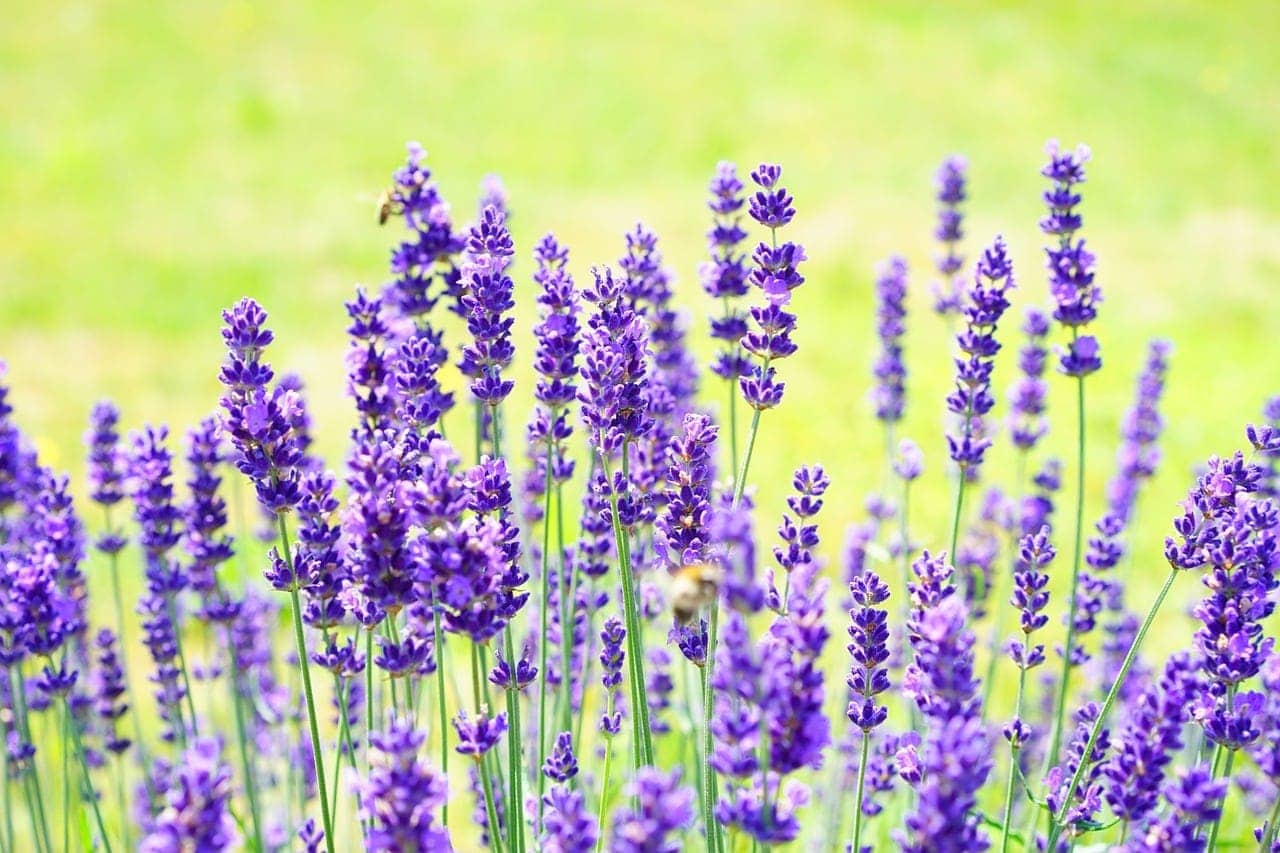
There's conflicting information on this particular substance, as while patchouli is not listed as toxic or dangerous to cats, it does belong to the same plant family as lavender, which is highly toxic to cats. There are also some warnings to be aware of if you wish to use patchouli in your home safely to prevent it from becoming toxic or causing harm. Let's dig in further.

What Is Patchouli?
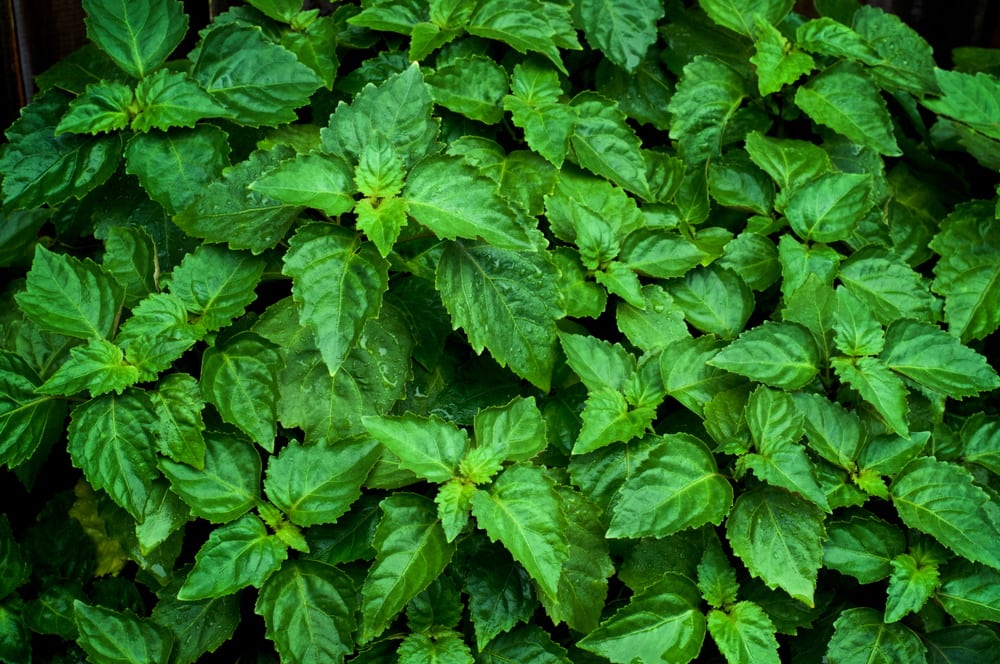
Patchouli is a type of herb belonging to the Lamiaceae plant family and is also known by the names of stinkweed, putcha-pat, and pucha pot. Although patchouli is native to Southeast Asia, it is now grown across other countries like Africa, and you can also grow your patchouli plant if you happen to live in a hot climate like Florida!
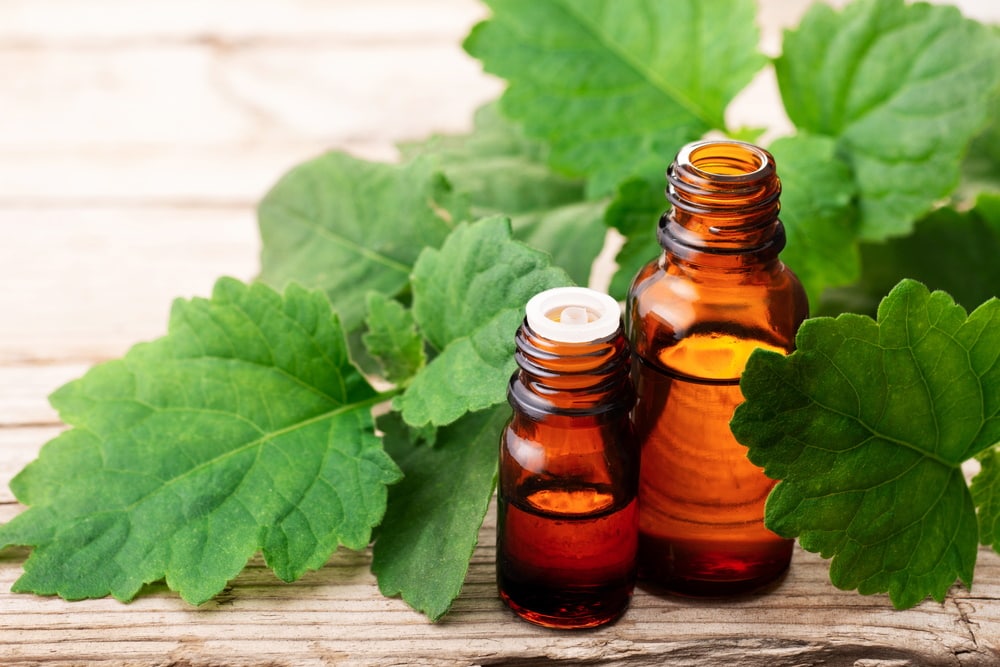
The patchouli oil itself, like many other essential oils, is extracted from the leaves of its plant. The patchouli herb was long known by the Malaysians to have many health and soul benefits associated with it and therefore, as word spread, is now used in many products all over the globe, from essential oils to toiletries, cosmetics, and candles.
Human Health Benefits of Patchouli
Patchouli is a popular choice of herb to use as an essential oil due to its unique aromatic smell and the array of health benefits for humans. Some of the health benefits of patchouli that people experience are listed below, albeit this is not an exhaustive account. There is no scientific evidence to confirm these benefits are true for cats, especially since patchouli can be dangerous for cats.
- Antidepressant
- Diuretic
- Aids in healing wounds and scars
- A tonic for the body and mind
- Causes contraction of skin cells and bodily tissues, which may help dermatology issues
- Stimulates muscles and nerves
- Fungicide
If this more holistic approach to your cat’s ailments and well-being is of interest to you, it is worth seeking out a veterinarian to discuss safe alternatives.
Is Patchouli Safe for Cats?
As stated by the ASPCA,1 most essential oils are a danger to cats in their pure 100% concentrated form. Knowing this, it is vital patchouli is not used in its 100% purity, as this is harmful to cats. Given that no known data exists examining it’s safety margins or efficacy in cats, it is better to avoid it altogether.
Essential Oils Toxic to Cats
While some essential oils are worse than others on the toxicity scale, if your cat should ingest patchouli oil or any other essential oils, call your vet or pet poison helpline straight away for advice. Many essential oils from their vast range are toxic to cats; however, the following ones are oils are especially concerning:
- Tea tree
- Peppermint
- Citrus oils
- Ylang ylang
- Lavender
- Pennyroyal
- Wintergreen
- Sweet birch
- Pine
- Eucalyptus
- Cinnamon
- Clove
Further attention needs to be paid to any carrier oils which may also be used, as these can contain high levels of fat which may bring on problems with your cat’s gastrointestinal tract.
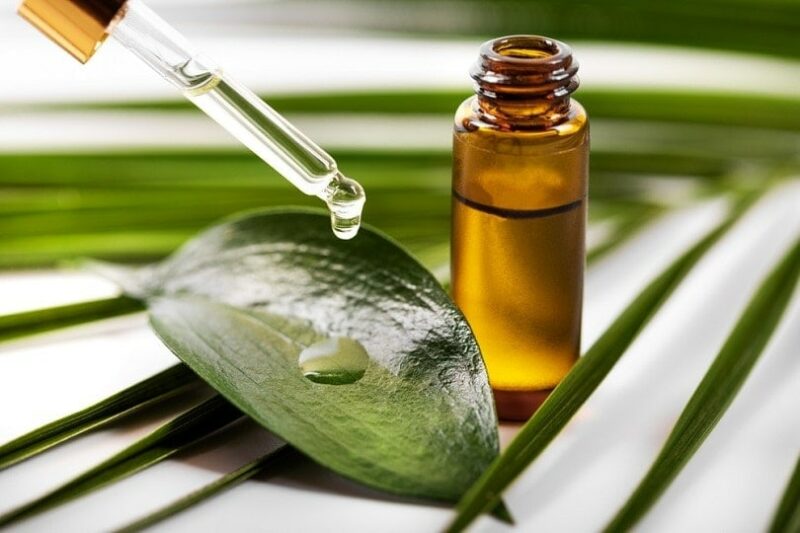
Signs of Essential Oil Poisoning
The signs of essential oil poisoning in cats include one or more of the following:
- Difficulty breathing
- Coughing
- Drooling
- Wheezing
- Vomiting
- Wobbliness
- Tremors/Shaking
- Low/decreased heart rate
Should your cat exhibit any of the signs above, seek out help and advice from your veterinarian immediately or call a pet poison helpline.
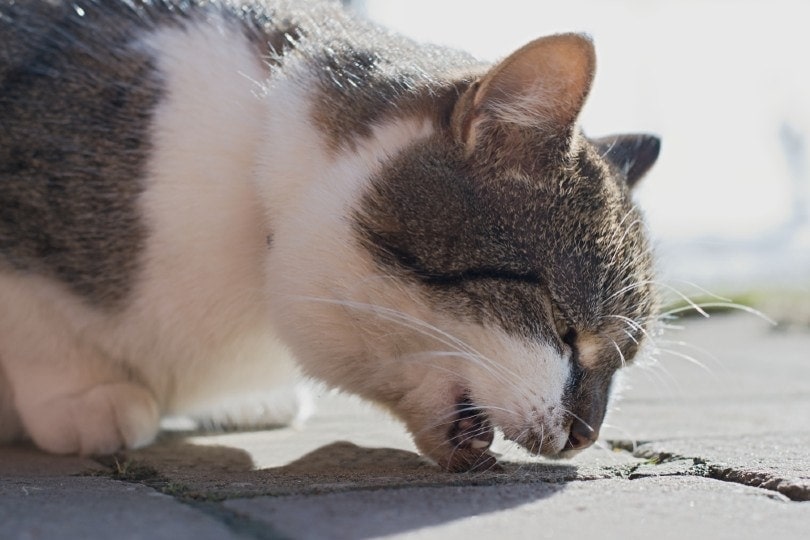
How to Keep Your Cat Safe if Using Essential Oils
The easiest way to keep your cat safe is to err on the side of simply not using essential oils. If you do keep choose to keep them in the house, however, store all oils and equipment out of reach and out of the way of inquisitive noses and paws. Remember, cats are amazing at jumping and getting into high places! And, do not use them around your cat.

Conclusion
Essential oils and herbs like patchouli may have a place in human holistic therapy, though the same is not true for cats. Caution is of the utmost importance with all essential oils, and we recommend avoiding them in the household, if you have a cat. Always seek veterinary guidance immediately if you think your cat has been exposed to essential oils.
Featured Image Credit: AmyLv, Shutterstock
Get Hepper In Your Inbox


Pet care tips from our vets and experts, straight to your inbox.
You may opt-out at any time. View our Privacy Policy for more information.
Annaliese began her career as a veterinary nurse in Edinburgh, later advancing her qualifications with a diploma in advanced veterinary nursing in surgery from London. Her work in small and mixed veterinary practices led her to become a head nurse, where she trained other veterinary nurses, managed the nursing department, conducted nurse clinics, and developed new patient care protocols.
Throughout her career, Annaliese has cared for thousands of patients and their owners, setting higher standards in nursing regimes with a focus on surgery and anesthesia. She co-authored multiple veterinary nursing textbooks and contributed to various mainstream publications in the UK and USA. After more than twenty years in the veterinary and pet care professions, she retired from clinical practice to pursue full-time writing. Having cared for thousands of patients and owners, Annaliese specialized in surgery and anesthesia. She was asked to co-author several veterinary nursing textbooks and contributed to a number of other publications in the UK and USA. After more than two decades in the veterinary and pet care industries, she retired her scrub suit and now works as a full-time writer.
Annaliese Morgan has been a dedicated veterinary nurse for over two decades, having completed a diploma in advanced veterinary nursing in surgery from London and qualifying from Edinburgh. Her professional experience includes managing a nursing department, training other veterinary nurses, providing patient care, and running nurse clinics in both small and mixed veterinary practices.
As an expert in surgery and anesthesia, Annaliese has treated thousands of patients and owners. In addition to being asked to co-author multiple veterinary nursing textbooks, she has written for a variety of publications in the UK and USA. After a long and successful career in the veterinary and pet care professions, Annaliese now dedicates her time to writing full-time. You can find out more about her work at www.annaliesemorgan.com.
Join the conversation
Ask a question, share your story, or send private feedback.