Hepper is reader-supported. When you buy via links on our site, we may earn an affiliate commission at no cost to you. Learn more.
Are Toads Poisonous to Humans? Vet-Approved Safety Facts & FAQ


In this article
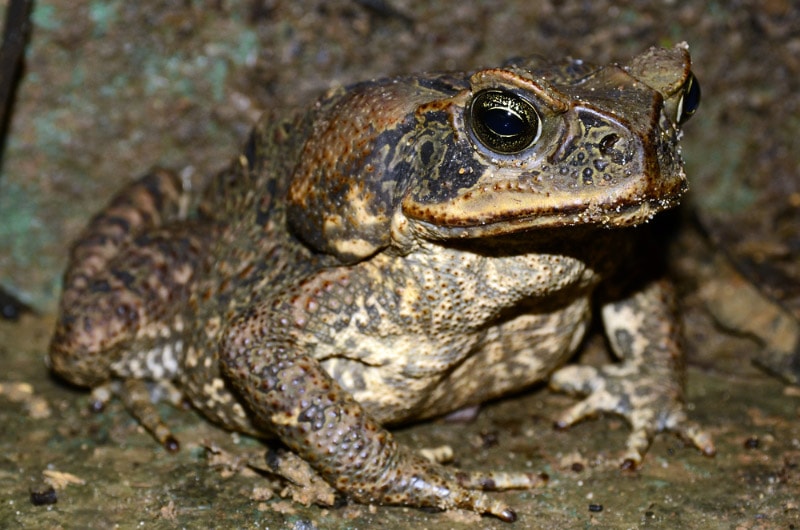
You can find toads worldwide, and they are often part of myths and misconceptions, particularly regarding their toxicity to humans, with many believing that they can cause warts and other problems. While all toad species do secrete a toxic substance, it’s usually not dangerous to humans. Still, keep reading as we dig in deeper to see how dangerous these small animals are and help set the record straight.

Toad Defense
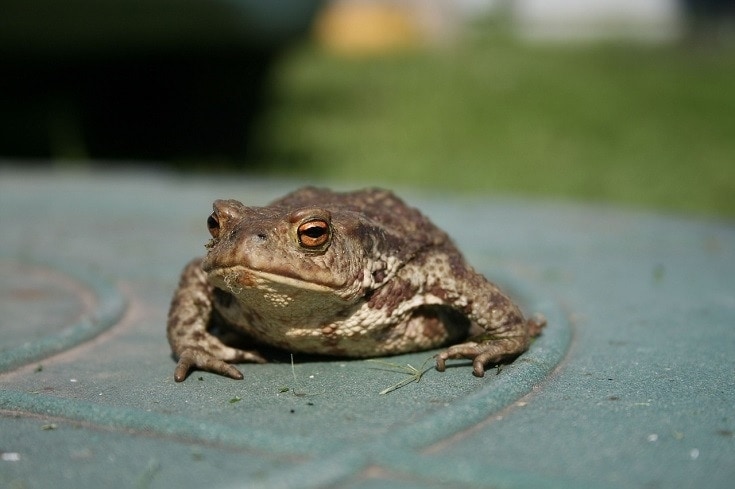
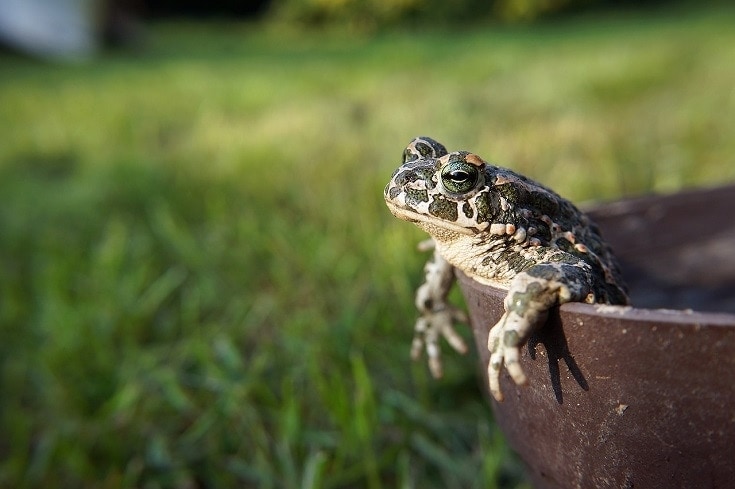
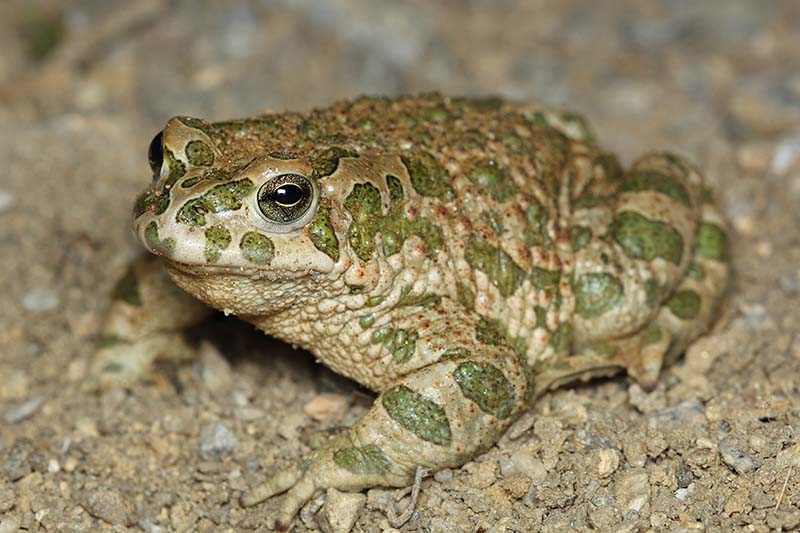
Toads have several defense mechanisms to survive in their natural habitats. They can play dead, change their color, screech or scream, and roll away. Another adaptation is their ability to secrete toxic substances from specialized glands behind their eyes. These toxins serve as a deterrent to potential predators and vary significantly between different toad species. The common belief that all toads are poisonous isn’t wrong, however some species are more toxic than others. Toad tadpoles and juvenile toads also carry these toxins.
The risk for humans is considerably higher if they ingest the toxins, but involve other factors as well. These include the amount of toxin they ingest, the person’s age, any pre-existing conditions or ailments, and the toad species.
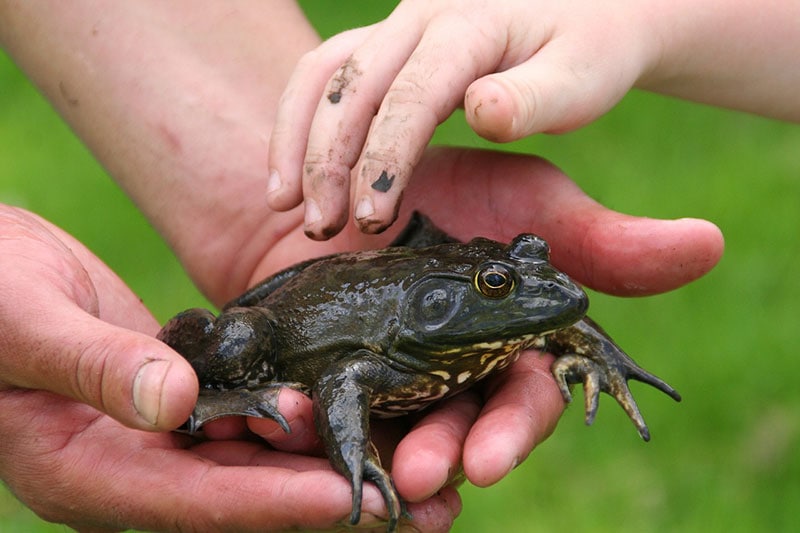
Please be mindful that the toxin isn’t the only risk associated with handling toads haphazardly. Toads may carry viruses and bacteria on their skin that can also be problematic if ingested. This makes them risky around children or those with health conditions and/or a weakened immune system.
Common Toad Species and Their Toxicity Levels
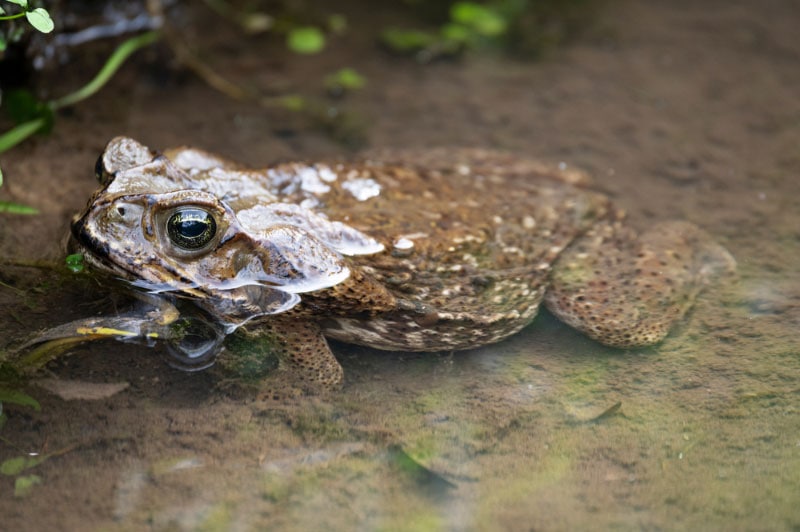
Numerous toad species exist worldwide, but not all pose the same threat to humans. One of the most well-known poisonous toads is the cane toad, native to South and Central America. When introduced to regions outside their natural range, such as Australia, the cane toad became an invasive species and raised concerns about their impact on local ecosystems and human health. Today, scientists continue to work on how to control them.
| Type | Toxicity |
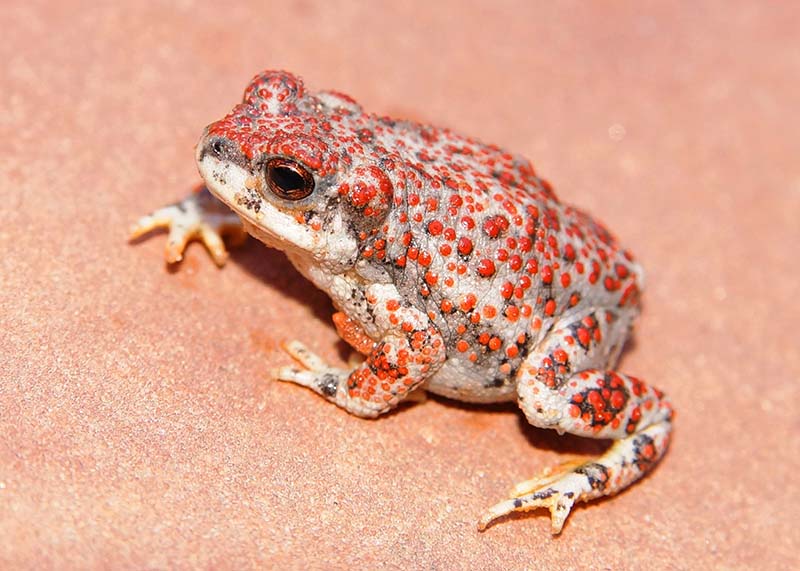
| Colorado River Toad | Highly Toxic |
| Cane Toad | Highly Toxic |
| Harlequin Toads | Toxicity Varies |
| South American Toads | Moderately Toxic |
| Common Toad | Mildly Toxic |
| American Toads | Mildly Toxic |
| Midwife Toads | Mildly Toxic |
Toads and Their Toxicity to Humans
While toads do secrete toxins, it’s generally not a significant threat to humans. Most toad species’ toxicity level is relatively low, and casual contact with their skin is unlikely to cause harm. However, you should avoid touching your eyes or mouth after handling a toad, as the toxins may irritate mucous membranes. The toxins secreted by toads are called bufotoxins, comprising various chemical compounds that can protect them from predators. For humans, the consequences of exposure to bufotoxins can vary from mild irritation to more severe signs, depending on the species of toad, individual sensitivity, and length of contact.
Potential Risks and Precautions
Although most toad species pose little threat to humans, it is still important to exercise caution, especially when dealing with an unknown or potentially dangerous species. For individuals with allergies or hypersensitivities, contact with even mildly toxic toads can lead to adverse reactions. Young children and pets are also more susceptible to toad toxins. It’s best to avoid them if possible and wash your hands after contact.
Benefits of Toads in Ecosystems
Despite their toxicity, toads play a crucial role in maintaining ecological balance. They are voracious predators of insects, slugs, and other pests, helping to control populations that could otherwise become nuisances. Emphasizing the importance of preserving natural habitats and promoting responsible coexistence with toads and other amphibians is essential for the overall health of ecosystems.
Frequently Asked Questions
What Are the Signs of Toad Toxin Exposure in Humans?
The signs can vary depending on the species and individual sensitivity, but common reactions to toad toxin exposure may include skin irritation, redness, swelling, nausea, and vomiting.
Are Pet Toads Safe for Children and Pets?
Important
While pet toads are generally safe to keep, extra care should be taken when handling them, especially with young children and pets around. Supervise children, and teach them to wash their hands after handling a toad. You will need to keep pets away from toads entirely to prevent accidental exposure, as they are more sensitive to the toxin, and dogs are especially likely to pick them up with their mouths.
Are There Non-toxic Toad Species Suitable as Pets?
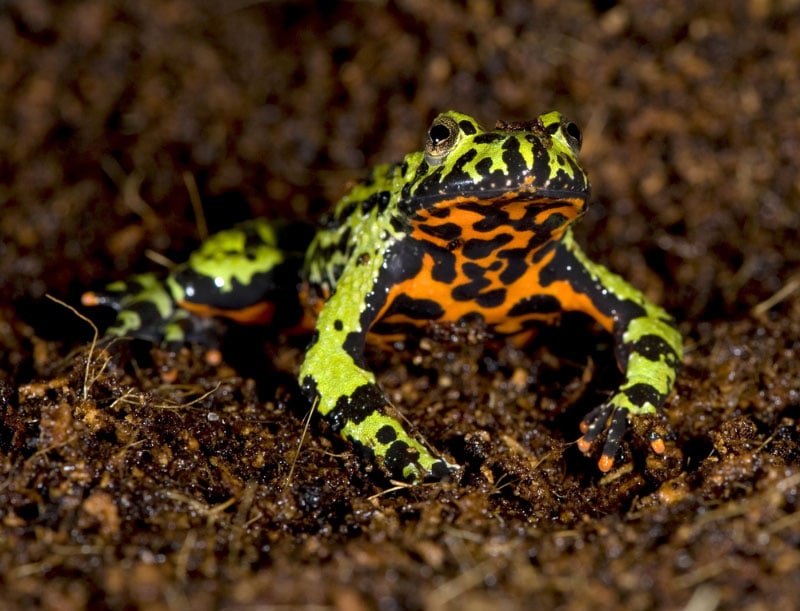
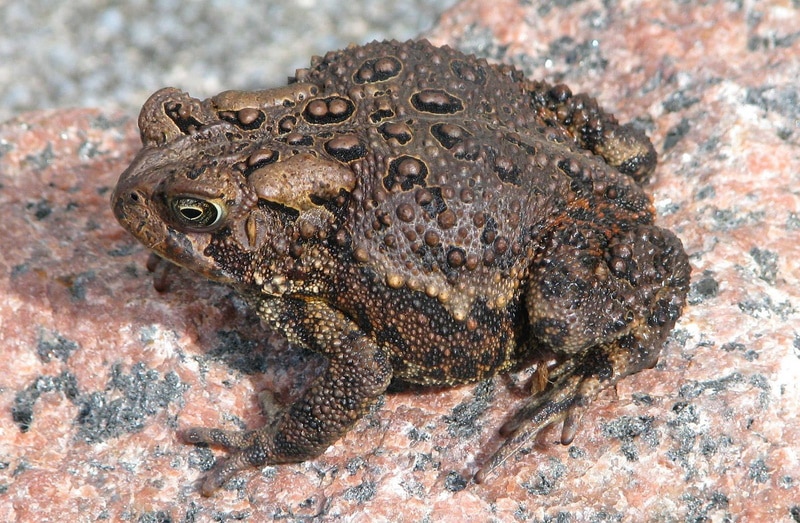
Some toad species, such as Common Toads, American Toads, and Fire-Bellied Toads, are considered only mildly toxic and make safer pets.
What Should I Do If I Suspect Toxin Exposure From a Pet Toad?
If you or anyone else experiences adverse reactions after handling a pet toad, seek medical attention immediately to get advice on how to proceed.
Can I Release My Pet Toad Into the Wild?
Releasing a captive-bred pet toad into the wild can harm both the toad and the ecosystem. It’s better to try to rehome them, give them to a pet store, or take them to an animal rescue organization.
Conclusion
While toads do produce a toxin to help protect them from predators in the wild, it’s usually too mild to harm humans. However, it can be dangerous to children and pets and can cause mild irritation if you don’t wash your hands before touching your eyes or mouth. Most toads that you can purchase as pets have a very mild toxin, while some that you find in the wild, like the Colorado River Toad, can be quite potent. Contact a doctor immediately if you notice extreme signs like swelling or vomiting after coming in contact with an unfamiliar toad.
See Also:
Featured Image Credit: Matt Jeppson, Shutterstock
Get Hepper In Your Inbox


Pet care tips from our vets and experts, straight to your inbox.
You may opt-out at any time. View our Privacy Policy for more information.
Ed Malaker is a veteran writer who has contributed to a wide range of blogs that cover pets, tools, guitars, fitness, and computer programming. When he’s not writing, Ed is usually performing DIY projects around the house or working in the garden. He’s also a musician and spends a lot of time helping people fix their guitars and composing music for independent films.
Join the conversation
Ask a question, share your story, or send private feedback.