Hepper is reader-supported. When you buy via links on our site, we may earn an affiliate commission at no cost to you. Learn more.
Are Turtles Born With Shells? Anatomy, Timeline & FAQ

In this article
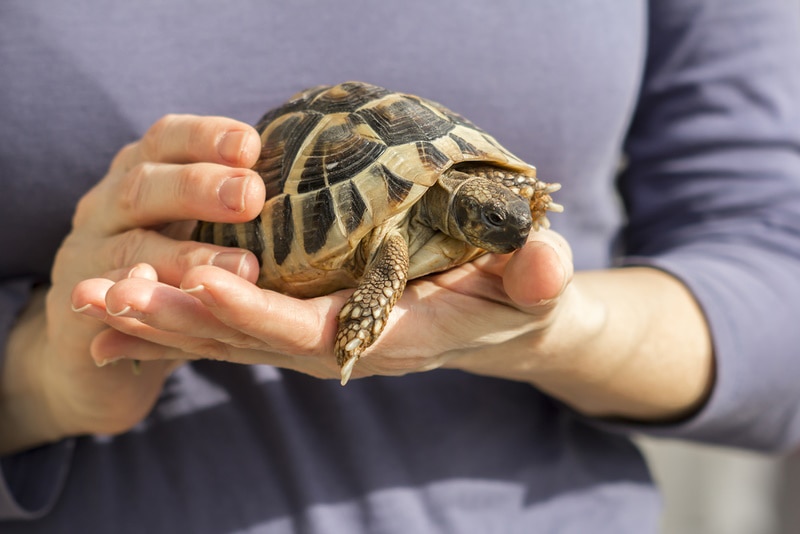
Turtles make fun pets, and spotting them in the wild can be exciting. One of the most distinctive features of a turtle is their shell. It provides protection and support and serves as a unique characteristic of this reptile. However, have you ever wondered if turtles are born with their shells? You might be surprised to learn that they are! Keep reading as we discuss turtle shell development, hatching, and other interesting facts about these animals.

The Anatomy of a Turtle Shell
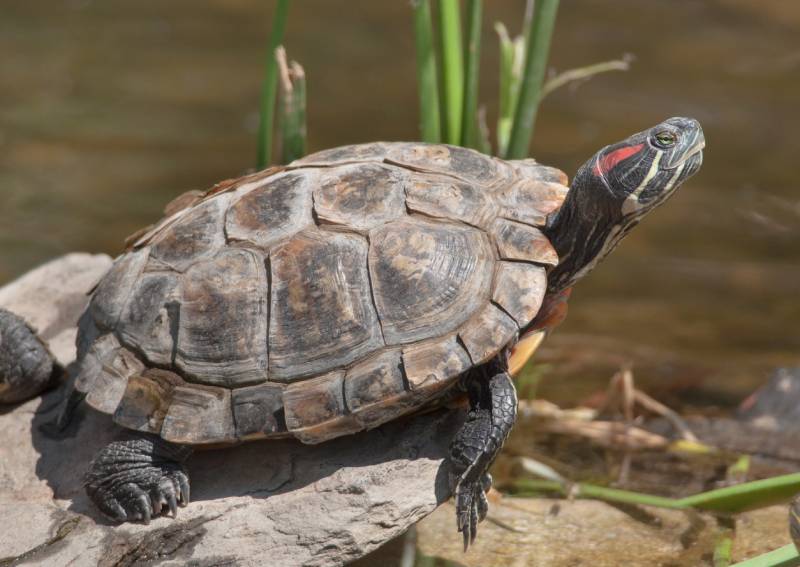
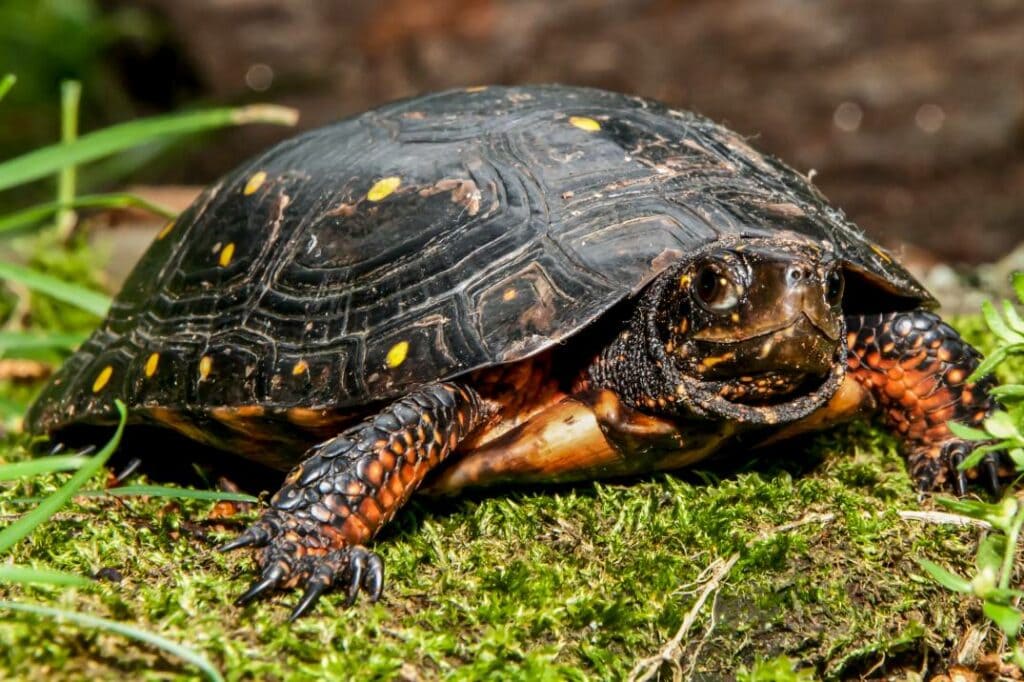
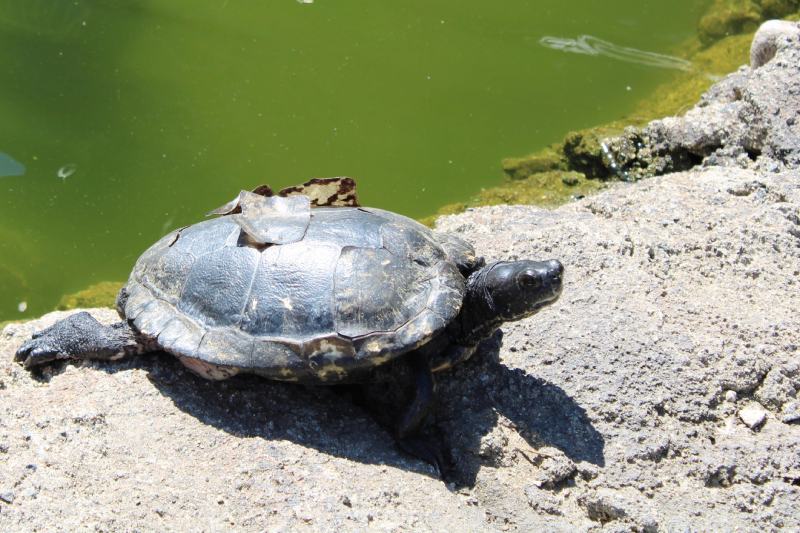
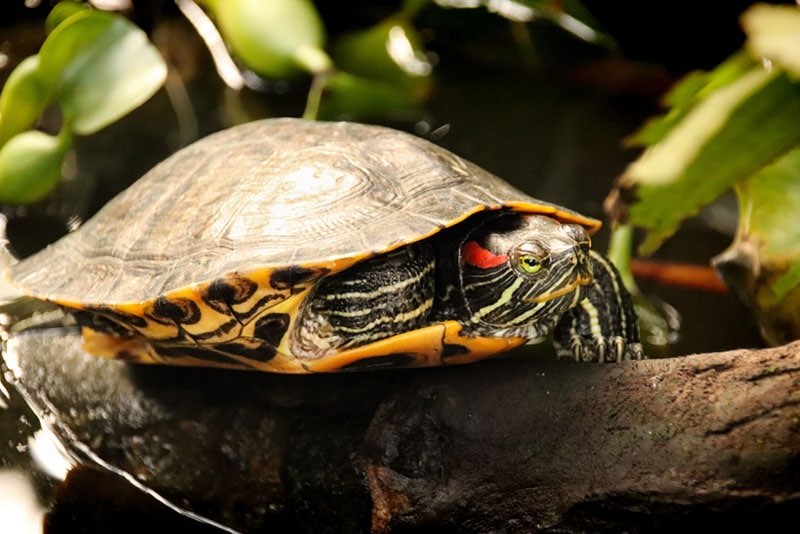
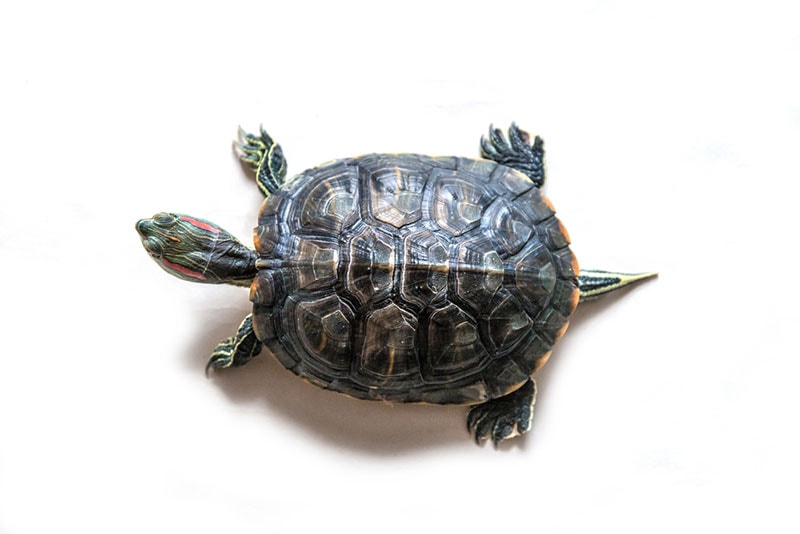
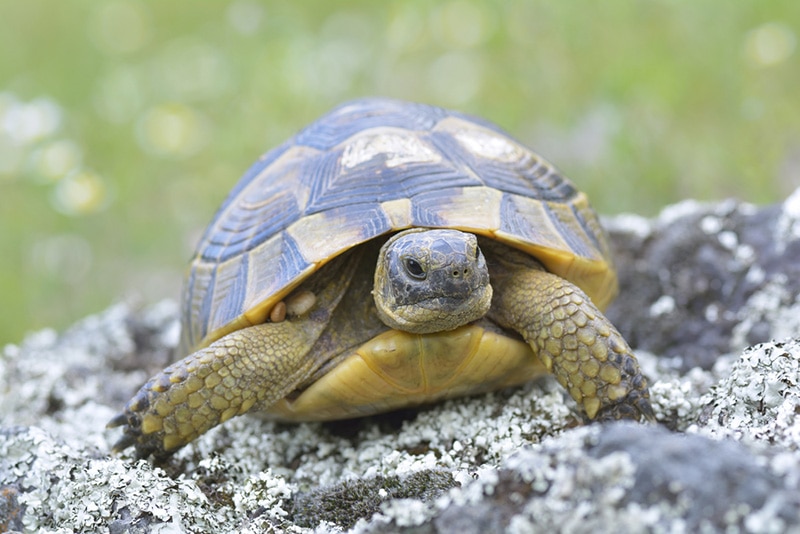
A turtle’s shell has two main parts, the carapace and the plastron. The carapace is the shell’s upper portion, covering the turtle’s back, while the plastron is the lower portion, covering the belly. The shell is bone covered by a layer of tough, keratinized skin called scutes. These are made of keratin, the same material found in human nails and hair. The scutes protect the underlying bone and help regulate the turtle’s body temperature. Each scute is connected to the bone, providing strength and support to the shell.
Turtle Shell Development
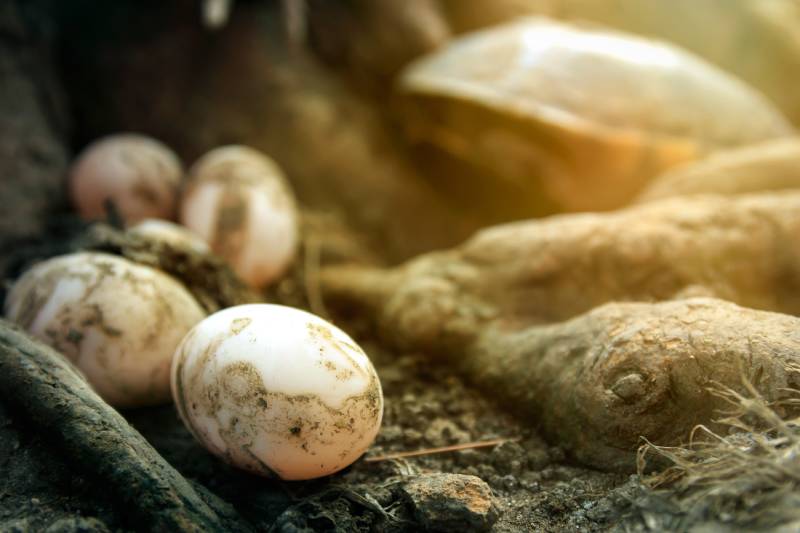
Contrary to popular belief, turtles are not born with fully developed shells. Like many other reptiles, turtle shells develop over time and grow with the turtle. That said, the shell formation process begins early in a turtle’s life, while it is still an embryo inside the egg, and will take several years to develop fully.
Embryonic Development
During the early stages of development, turtle embryos develop a structure known as the carapacial ridge1. This serves as a foundation for the future shell. As the embryo grows, the ridge expands and forms the carapace. Similarly, the plastron develops from the ventral body wall.
Hatching and Early Shell Development
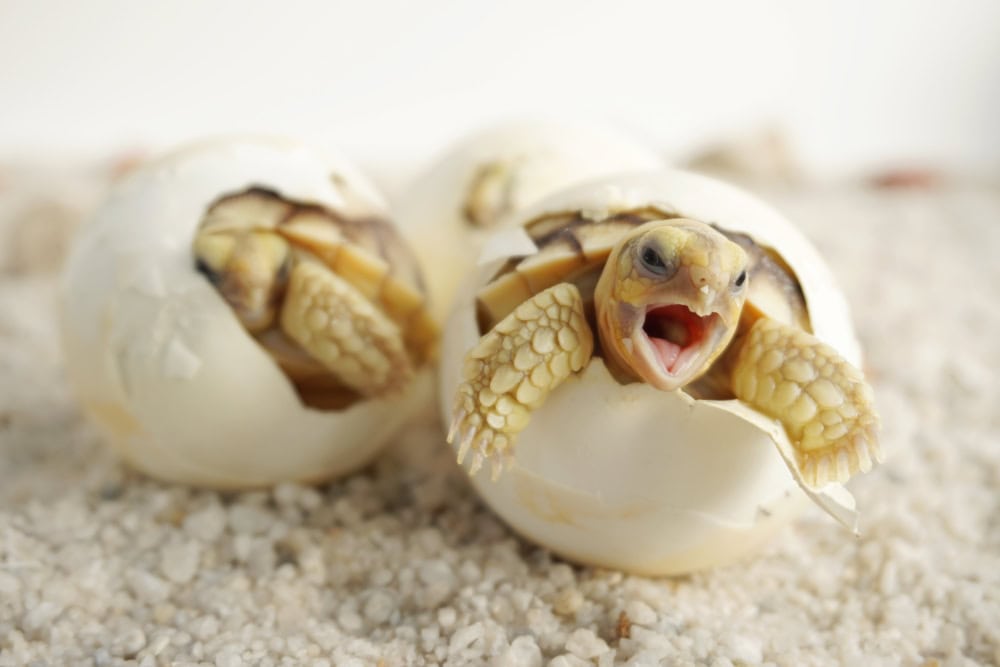
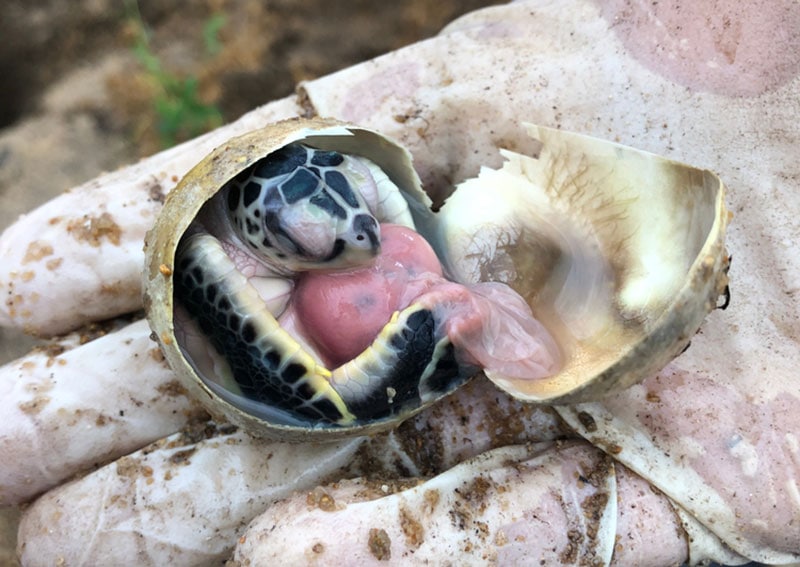
Once the embryo develops fully inside the egg, it hatches, and the hatchling emerges. At this stage, the hatchling possesses a soft and pliable shell. It is not fully formed and lacks the hard scutes of adult turtles. The hatchling’s shell is cartilage, which gradually ossifies and hardens as the turtle grows.
Growth and Hardening of the Shell
After hatching, the turtle grows, and its shell undergoes significant changes. The cartilage shell gradually transforms into bone, and the scutes grow from the underlying bone, gradually covering the surface of the shell. As the turtle matures, the shell continues to harden and develop, which can take several years. During this time, the turtle’s shell becomes stronger and more protective. Various factors affect the shell’s growth, including the turtle’s species, environment, and diet.
Frequently Asked Questions
Do All Turtles Have the Same Type of Shell?
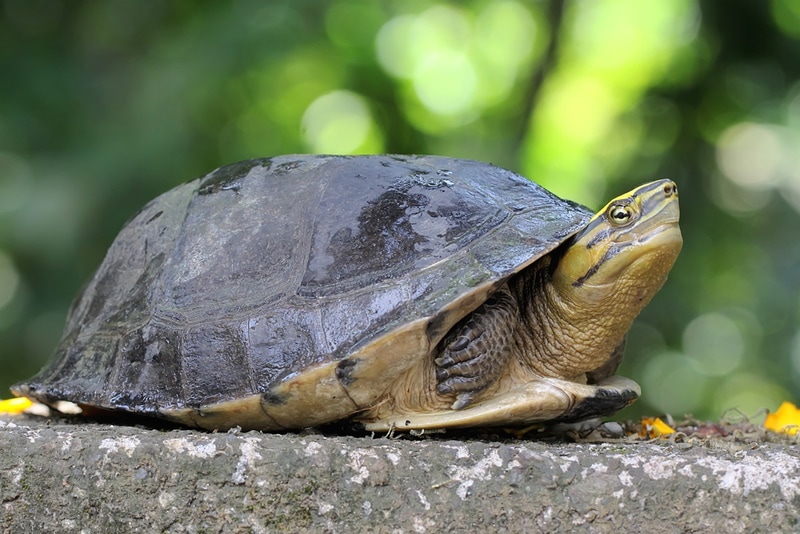
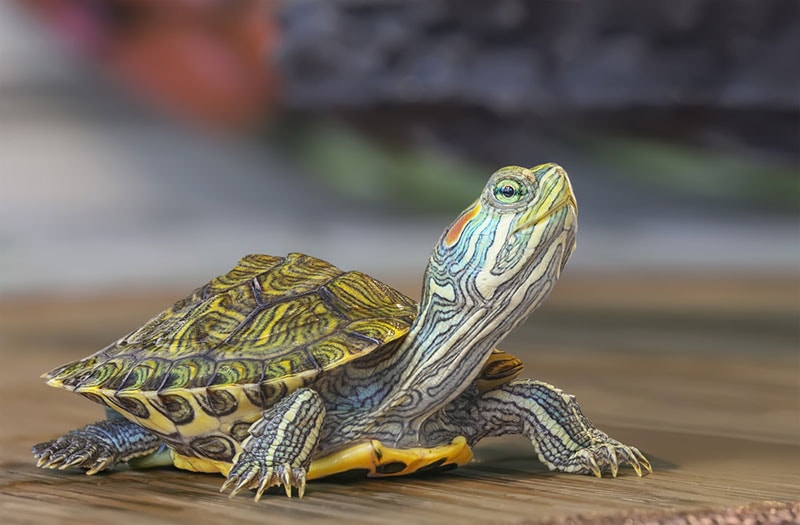
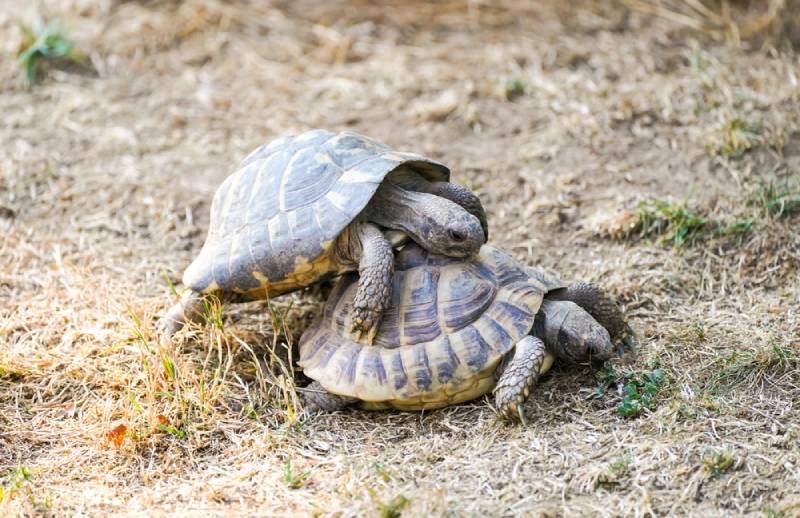
No, turtle shells can vary in shape and size depending on the species. Some have domed shells, while others have flat shells. The shell characteristics can also differ between aquatic and terrestrial turtles. Many are colorful, while others are plain.
Can You Determine a Turtle’s Age by Looking at Its Shell?
It is difficult to determine the exact age of a turtle by looking at its shell. However, the growth rings on the scutes of certain turtle species can provide a general estimate of their age.
Can a Turtle Outgrow Its Shell?
No, a turtle cannot outgrow its shell. The shell grows with the turtle, gradually hardening and developing as the turtle matures. It is a permanent part of the turtle’s body structure.
Summary
Turtles are born with soft, underdeveloped shells that grow with the turtle and harden in a few years. The top is the carapace, and the bottom is the plastron, and they work together to protect the turtle. As the shell hardens, scutes made of keratin start to form and will gradually cover the shell. Once the turtles are adults, the shell will be hard enough to protect them from predators and provide a place for them to retreat to in times of danger.
Featured Image Credit: marie martin, Shutterstock
Get Hepper In Your Inbox


Pet care tips from our vets and experts, straight to your inbox.
You may opt-out at any time. View our Privacy Policy for more information.
Ed Malaker is a veteran writer who has contributed to a wide range of blogs that cover pets, tools, guitars, fitness, and computer programming. When he’s not writing, Ed is usually performing DIY projects around the house or working in the garden. He’s also a musician and spends a lot of time helping people fix their guitars and composing music for independent films.
Join the conversation
Ask a question, share your story, or send private feedback.