Hepper is reader-supported. When you buy via links on our site, we may earn an affiliate commission at no cost to you. Learn more.
Are ZZ Plants Toxic to Cats? Vet-Reviewed Safety Facts


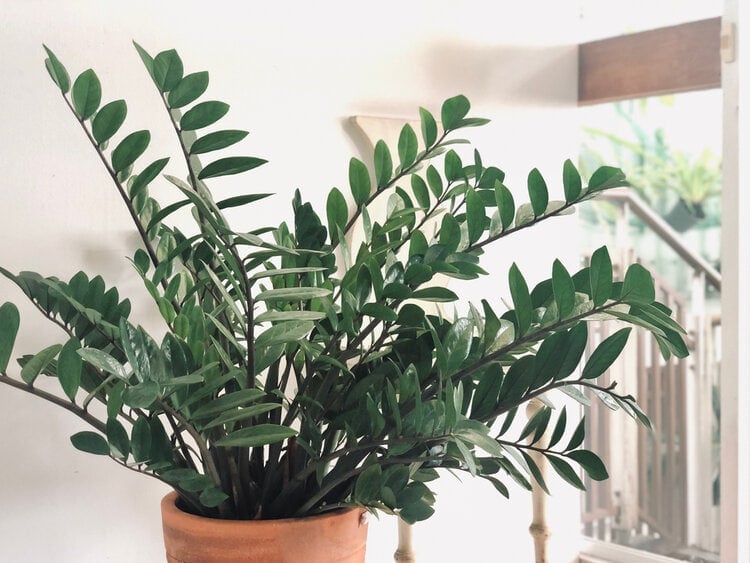
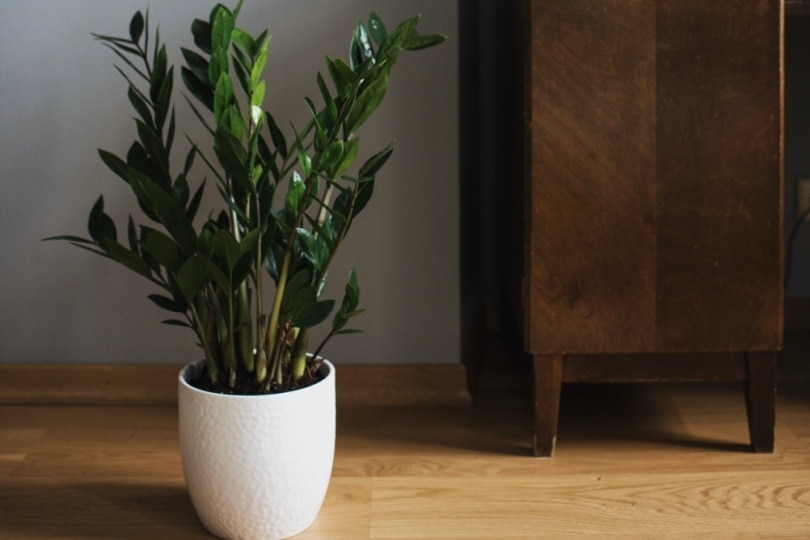
The ZZ plant, also known by its exotic botanical name Zamioculcas zamiifolia1, is incredibly resilient. This almost perfect plant requires very little water and light, in addition to tolerating extreme conditions, aside from the cold. Moreover, it is not prone to disease and is of little interest to insects. But, as a cat parent, you wonder if this beautiful plant is toxic to your beloved feline. The answer to this question, however, is rather nebulous.
Indeed, Zamioculcas zamiifolia is not found on any official list of plants toxic to cats. But, on the other hand, if you do a quick Google search, you will find a plethora of "sources" warning cat lovers against the dangerous toxicity of this plant. So, for your peace of mind and the health of your kitty, let's demystify some of the information circulating about the ZZ plant.

Is the ZZ Plant Really Toxic to Cats?
The ZZ plant is not on the list of any of the following reputable organizations and websites:
However, this plant is part of the Araceae family which contain insoluble calcium oxalate crystals. Chewing any part of these plants (leaf, stem, flower) will usually release these crystals, which can then enter the tissues of the mouth or gastrointestinal tract. It is also possible, but very rare, for breathing to become difficult due to swelling of the upper respiratory tract.
This data leads to the conclusion that the ZZ plant can indeed induce some degree of toxicity to cats (or any other pet that likes to chew on the plants of the house). However, claims that the plant is extremely toxic to cats have yet to be proven.
What Are the Signs of Plant Poisoning?
If you suspect your cat has chewed on your ZZ plant and you are worried about possible poisoning, watch for the following signs:
Plant Poisoning Signs:
What if Your Cat Has Nibbled on Your ZZ Plant?
If your cat has chewed on the leaves, flowers, or stems of your ZZ plant, check with your vet to see if they are at risk. You can also contact the pet poison control center which can tell you what to do to prevent your animal from becoming very sick.
How to Keep Your Kitty Safe From Your ZZ Plant
Since prevention is better than cure, here are three ways to prevent your kitty from becoming ill from ingesting your ZZ plant:
1. Keep the Plant Away From Your Cat
The easiest way to keep your cat from getting sick is to keep the plant out of her reach. However, we know that's harder said than done, given our pet felines' insatiable curiosity and acrobatic skills.
You can place the plant on a high shelf that your cat cannot access, or in a room that is inaccessible to them.
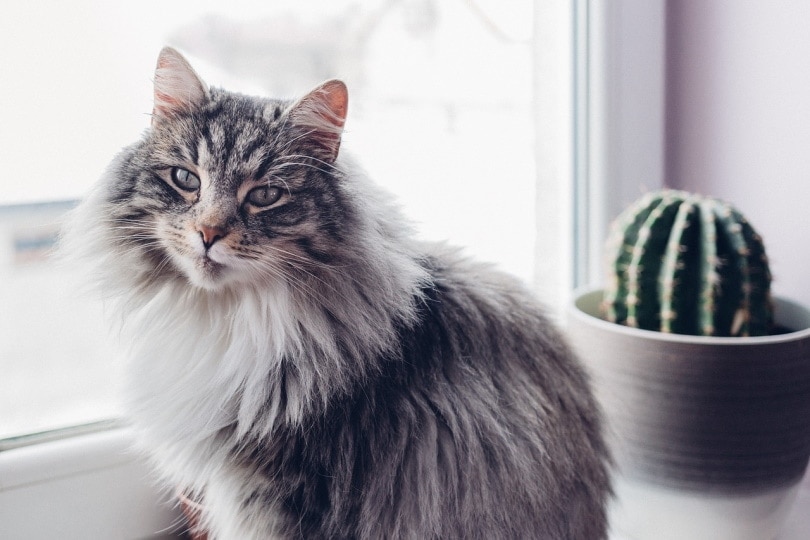
Another tip: Place a less enticing plant - for example, a prickly cactus - in front of the ZZ plant. This should provide a safe barrier to the potential toxicity of this plant.
2. Buy a Cat Repellent Spray
You can find in garden centers and hardware stores products specially designed to keep cats away from your poisonous plants. You can spray them on the pot or directly on the plant's foliage to discourage your feline.
However, read the product label carefully to be sure it is safe for plants and will not cause more harm than good to your cat!
3. Give Your Cat a Pot of Cat Grass
One way to keep your cat from snacking on your plants is to give them their own little indoor garden. You can buy cat grass ready for your kitty to eat, or you can grow your own in the comfort of your home. Just buy grass seeds (such as oats, wheat, rye, or barley) from your favorite pet store or garden center and sow them in a pretty container filled with potting soil.
Keep the pot in the sun, water occasionally, and in just a few days there will be plenty of greenery for your kitty to munch on. However, be aware that these shoots do not last long. You will need to plant new seeds every 2 or 3 weeks so that you always have fresh sprouts to offer your cat.
Conclusion
The ZZ plant is not as toxic to cats as the Internet seems to have us believe. On the other hand, the calcium oxalate crystals it contains could induce irritation of the mucous tissues and the GI tract, which would cause unwanted and annoying effects in your cat. And in very rare cases, ingesting this plant could in theory also cause respiratory problems. Therefore, we suggest that you keep the ZZ plant away from your feline. Either way, call your vet if you think your cat has chewed on this plant or is showing any of the signs mentioned above.
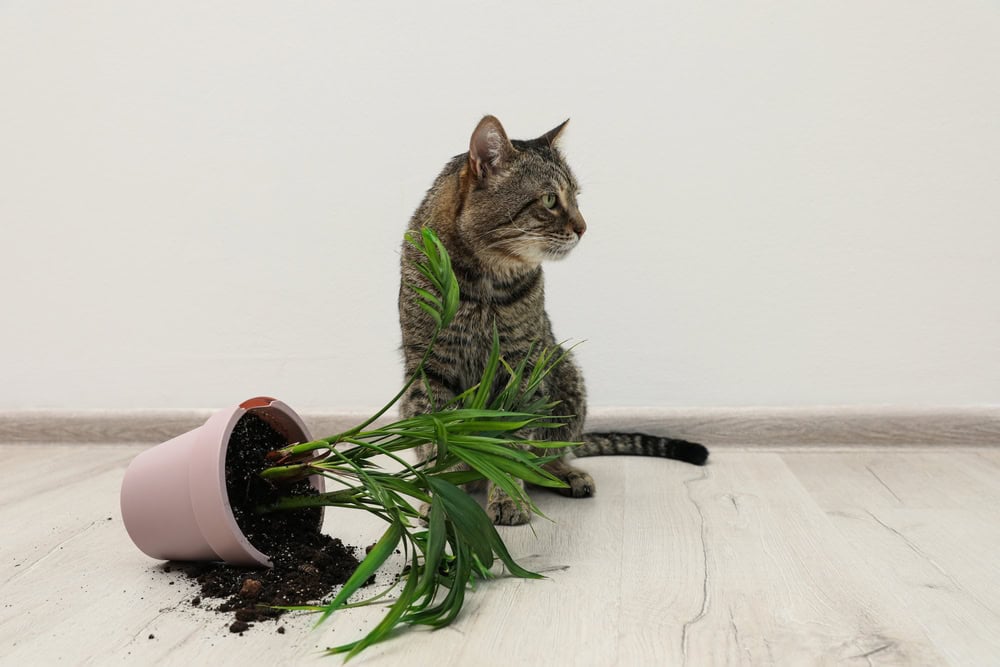
Featured Image Credit: kyozstorage_stock, Shutterstock
Get Hepper In Your Inbox


Pet care tips from our vets and experts, straight to your inbox.
You may opt-out at any time. View our Privacy Policy for more information.
Genevieve, a biologist and science writer, who harbors a profound affection for capuchin monkeys, pumas, and kangaroos. This passion has led her to travel extensively, volunteering and working at wildlife rehabilitation centers in Bolivia, Guatemala, Canada, and Australia. Now residing in Argentina as a Canadian expat, Genevieve enjoys the view of horses and cows greeting her from the vast plains outside her home office window. She proudly cares for three rescued dogs—Lemmy, Nala, and Pochi—and a playful kitten named Furiosa. Sharing her extensive knowledge and love for animals brings her immense joy and fulfillment.
Join the conversation
Ask a question, share your story, or send private feedback.