Hepper is reader-supported. When you buy via links on our site, we may earn an affiliate commission at no cost to you. Learn more.
Are Zebra Plants (Haworthia) Toxic to Cats? Vet-Approved Safety Tips



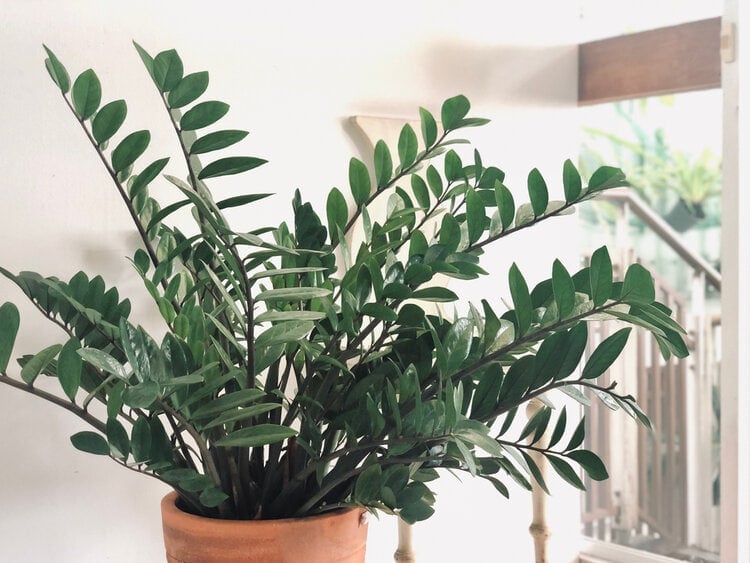
Zebra plants are popular houseplants due to their manageable size and easy care and maintenance. Just like with any houseplant in a home with cats, though, it’s extremely important to know if zebra plants are safe to have around your feline companions. Some houseplants can be deadly for cats, so it’s imperative for you to know if plants in your home are safe for your feline friends.
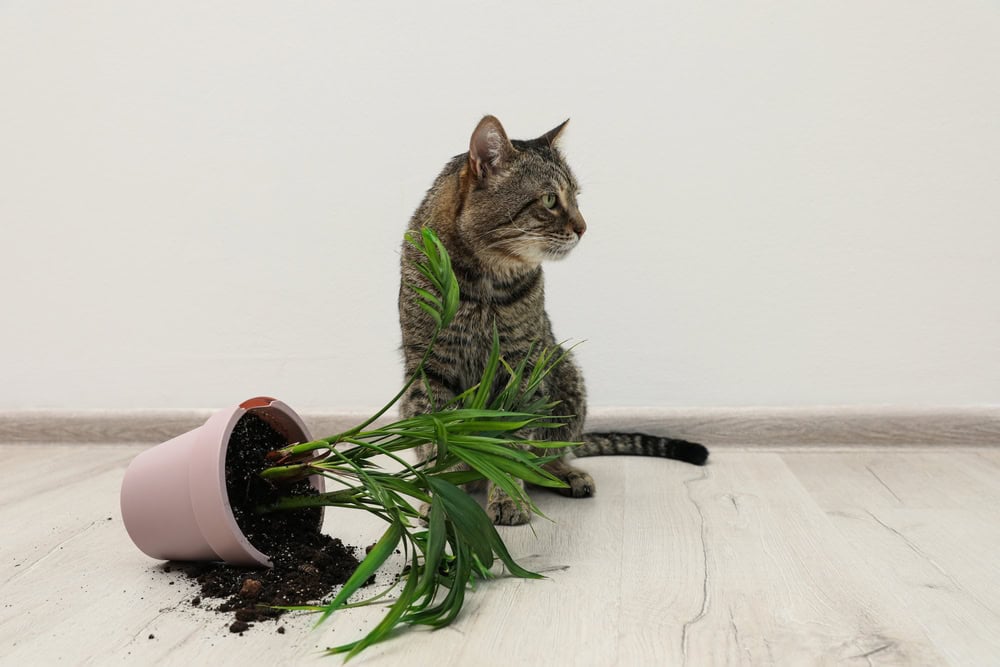
Even safe plants may need to be protected from curious kitties who may chew on leaves, sit in pots, and knock pots off shelves. As a general answer, zebra plants are perfectly safe in your cat Let’s talk about the safety of keeping zebra plants in your cat-friendly home.

Are Zebra Plants Toxic to Cats?
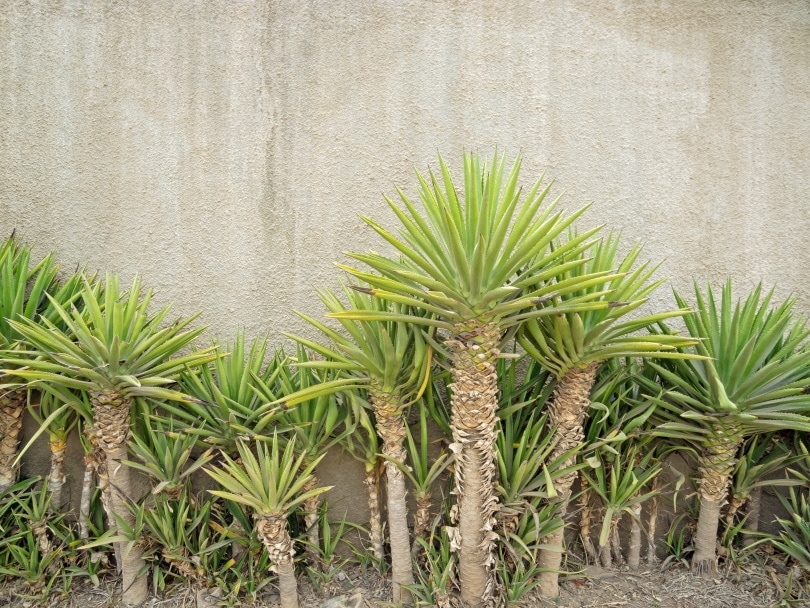
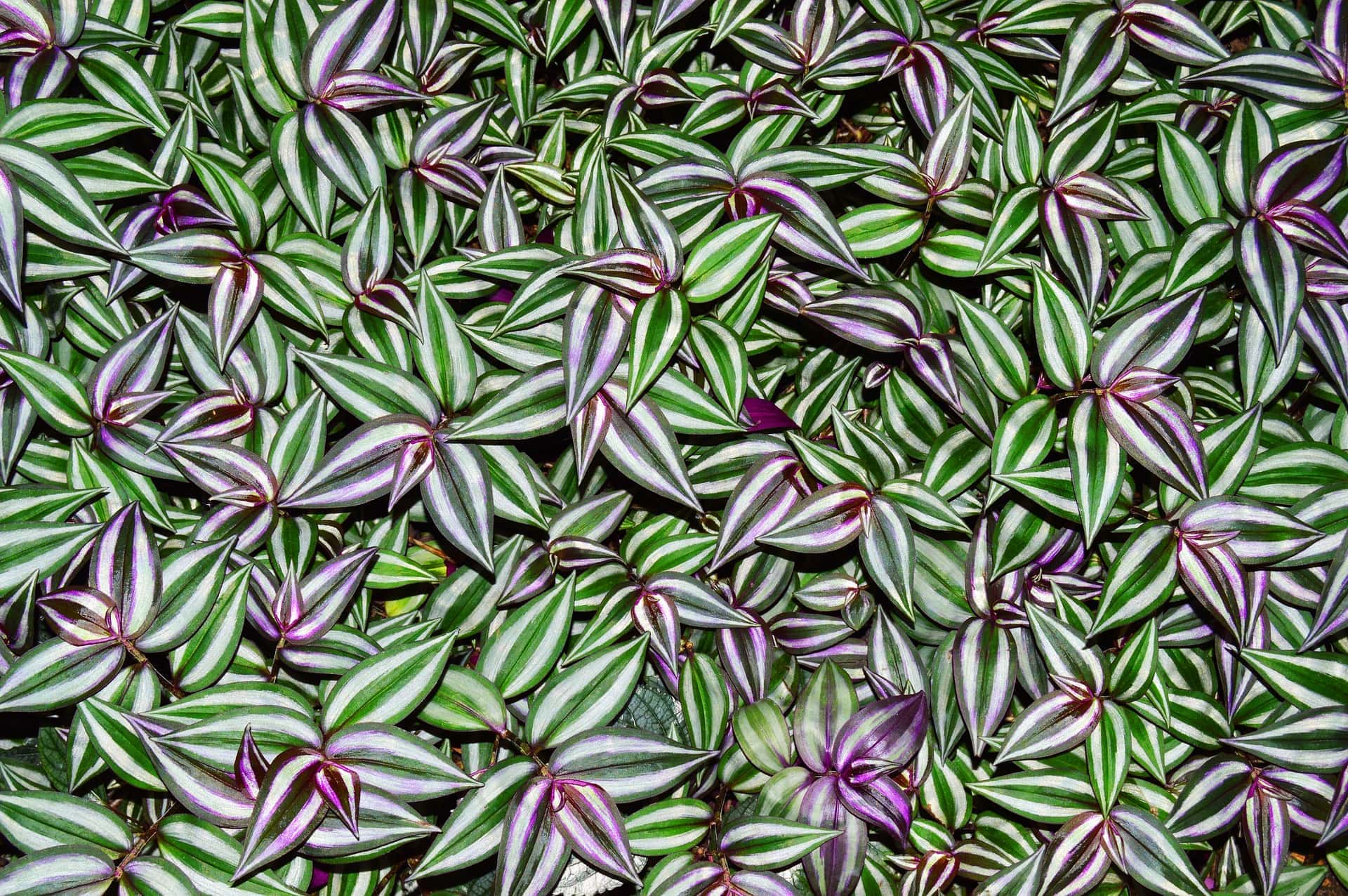
Although they may look surprisingly similar to the toxic aloe vera plant, zebra plants are perfectly safe in your cat-friendly home. Zebra plants belong to the Aloaceae family, which can create a lot of confusion with aloe vera. However, aloe vera actually belongs to the Liliaceae family.
Even though zebra plants are considered non-toxic to cats, you should always keep in mind that any plant consumption can lead to nausea and vomiting, with diarrhea or constipation also being possible. This is especially true if your cat regularly snacks on houseplants. Any item, whether food or not, can lead to stomach upset in large enough quantities. Always aim to keep houseplants out of reach of your cats, especially if you have a cat or multiple cats who are known to snack on plants.
Protecting Your Zebra Plant From Your Cats
Keeping your houseplants out of reach of your cats isn’t only for the sake of your cats, but it can also help protect your plants from rough or curious kitties. Cats are generally not known for their gentle nature with plants, and enough damage to your plant can lead to its untimely demise.
The simplest way to keep your zebra plant and cats separated is by keeping your plant out of reach of your cats. This can be done by keeping your plant on a shelf that is out of reach of your cat, although many cats are quite acrobatic and may be so committed to getting to the plant that they may find a way. Another option is to keep the plant in a room that your cats don’t always have access to, like a bathroom or office. This allows you to keep an eye on your cats whenever they are in the same area as the plant.
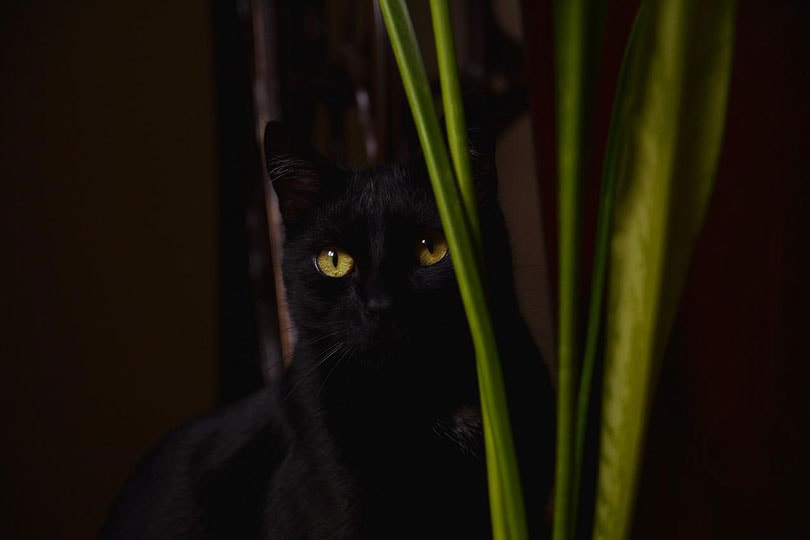
You can also consider trying options like bitter spray on the plant’s leaves to discourage your cats from chewing on the leaves. If your cats are insistent on digging in the pot or sitting on the plant, you can try adding mesh screening to the pot or aluminum foil around it, as they don’t like to walk on these textures.
Final Thoughts
A zebra plant is a fantastic option for a small succulent in a cat-friendly home. These plants are non-toxic to cats and easy to care for. Always remember that you shouldn’t allow your cat to freely snack on houseplants, even non-toxic plants. This can lead to stomach upset for your cat and is certainly damaging to your plants. Set your cat up to succeed by keeping your zebra plant out of reach, and when that isn’t possible, create an environment that discourages your cat from bothering and damaging your plant.
See Also:
Featured Image Credit: Hasogr, Pixabay
Get Hepper In Your Inbox


Pet care tips from our vets and experts, straight to your inbox.
You may opt-out at any time. View our Privacy Policy for more information.
After nine years as a veterinary assistant, Brooke Billingsley transitioned to a career as a nurse in 2013. She lives in Arkansas with her boyfriend, sharing their home with three dogs, two cats, five fish, and two snails. A dedicated animal lover, Brooke has a special place in her heart for special needs pets, including a three-legged senior dog and a famous cat with acromegaly and cerebellar hypoplasia. Fish keeping is one of her hobbies, and she is constantly improving her knowledge to care for her aquarium pets. Brooke is an active yoga enthusiast, having obtained her 200-hour yoga teacher certification in 2020. She believes in the importance of continuous learning and dedicates time each day to developing new skills and expanding her knowledge.
Join the conversation
Ask a question, share your story, or send private feedback.