Hepper is reader-supported. When you buy via links on our site, we may earn an affiliate commission at no cost to you. Learn more.
Ball Python vs. Bearded Dragon: The Key Differences (With Pictures)

In this article
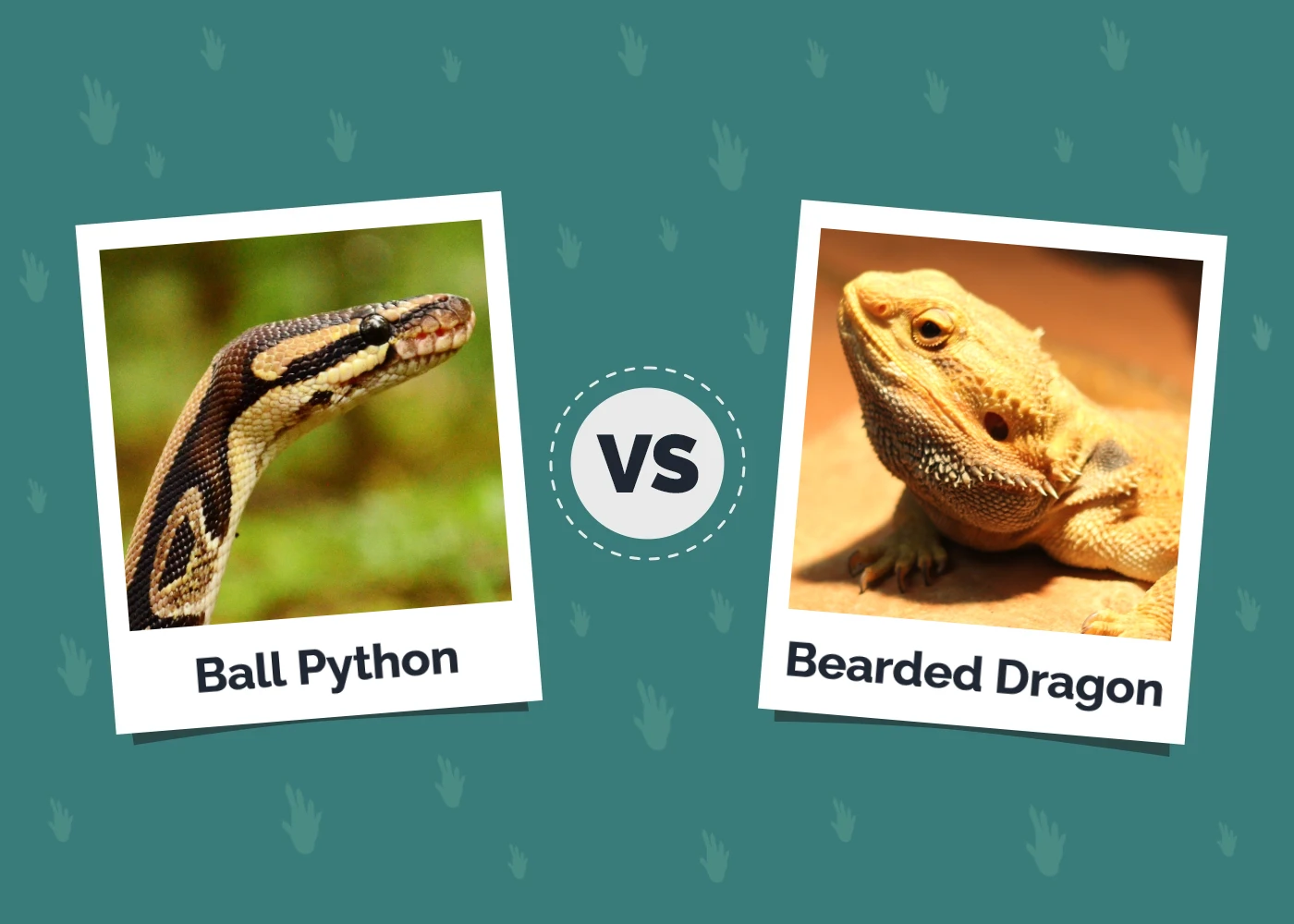
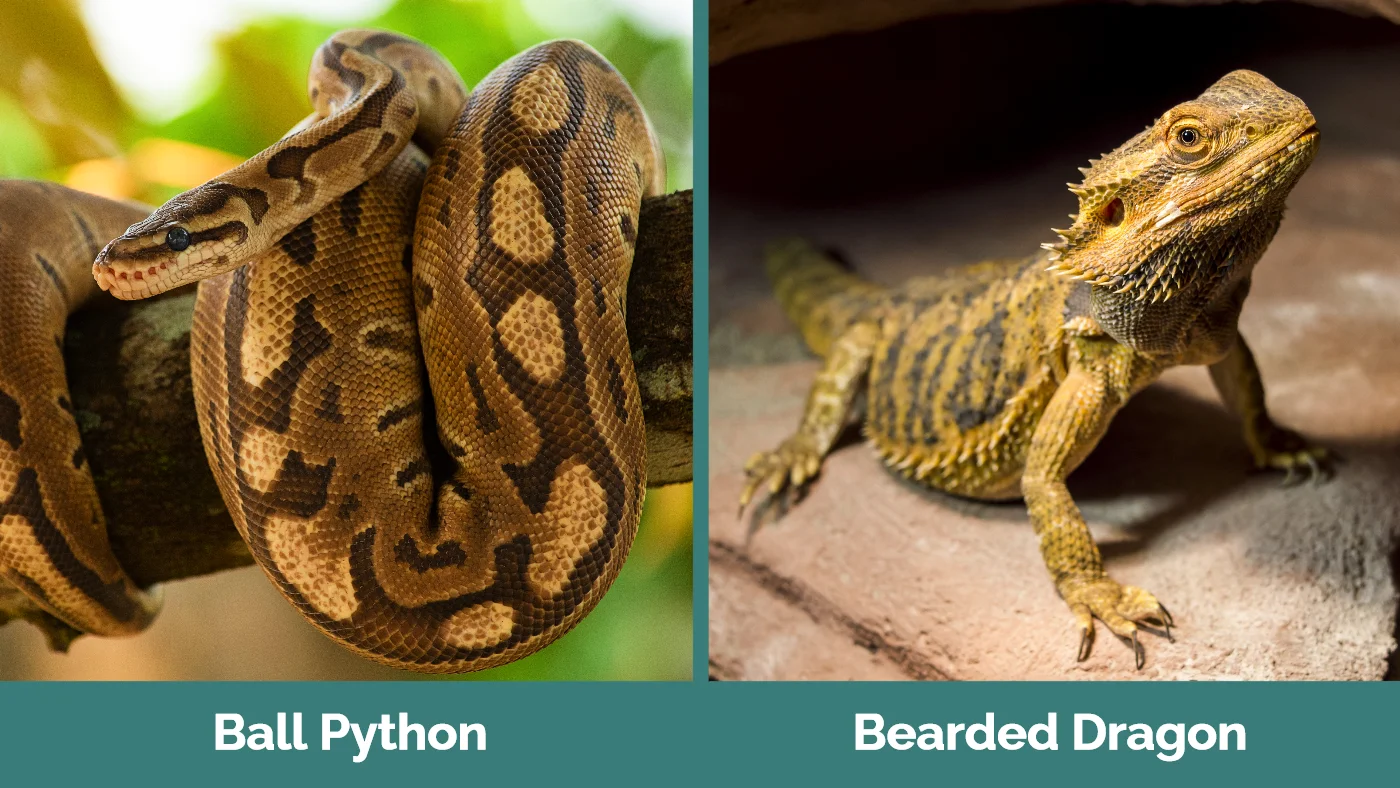
Two reptiles rapidly gaining popularity in the United States are the ball python and the bearded dragon. Both make great pets, but there are significant differences between them. If you're struggling to choose, keep reading for a look at their size, personality, appearance, and health issues so you can decide which is best suited for your home.'

Visual Differences
At a Glance
Ball Python Overview
Appearance
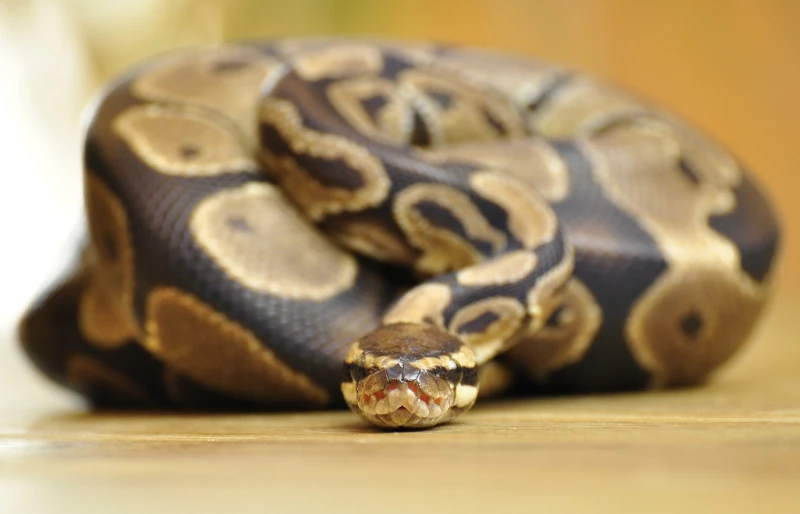
Ball pythons are relatively small compared to some other python species and typically reach 2–5 feet long, with females often being slightly larger than males. The snake’s snout is short and blunt, and smooth overlapping scales cover the body. As pets, they are available in many colors and patterns, but in the wild, they typically have a base color of brown or gray, with darker brown or black blotches or “ball” shapes on their back, which are what gives them their name.
Habitat
An adult ball python requires a 40-gallon tank at minimum to provide enough space to move around. The tank will need a suitable substrate, like aspen shavings, cypress mulch, coconut coir, or paper towels, and you'll need to maintain a temperature of around 88–92 degrees Fahrenheit at one end of the enclosure and a cooler area of about 78–80 degrees Fahrenheit at the other end. Proper humidity levels and UVB lighting are also necessary, as are hiding boxes, a feeding area, branches, rocks, and artificial plants that will help replicate their natural environment and give them something to climb on.
Health & Care
Ball pythons are generally hardy snakes when kept in proper captive conditions. However, like all pets, they can develop health issues. Common health conditions and concerns associated with ball pythons include respiratory infections, mites, parasites, scale rot, obesity, and shedding problems. Regular veterinary check-ups and a watchful eye on your snake’s behavior and appearance can help prevent and address these health concerns.
Suitable For:
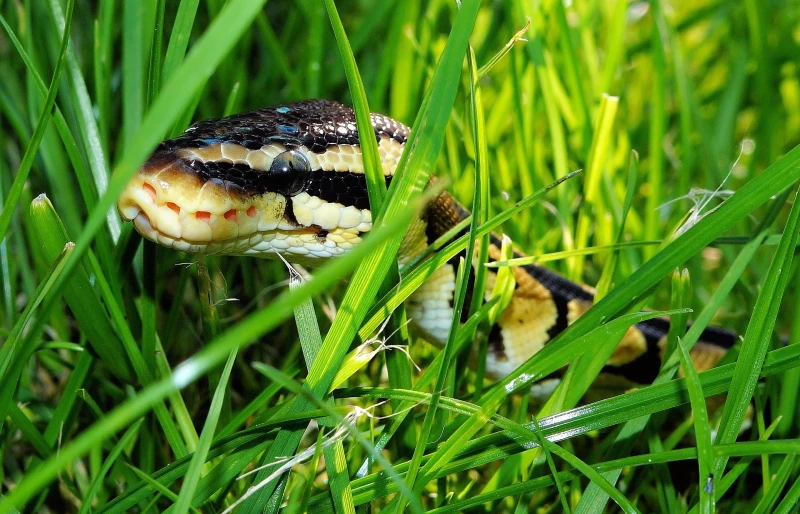
Ball pythons are ideal for beginners and experienced reptile keepers due to their relatively docile nature and manageable size. They are low maintenance once you have a suitable habitat and have long lifespans with relatively few health problems. Selective breeding also enables pet owners to choose from various colors.
Bearded Dragon Overview
Appearance
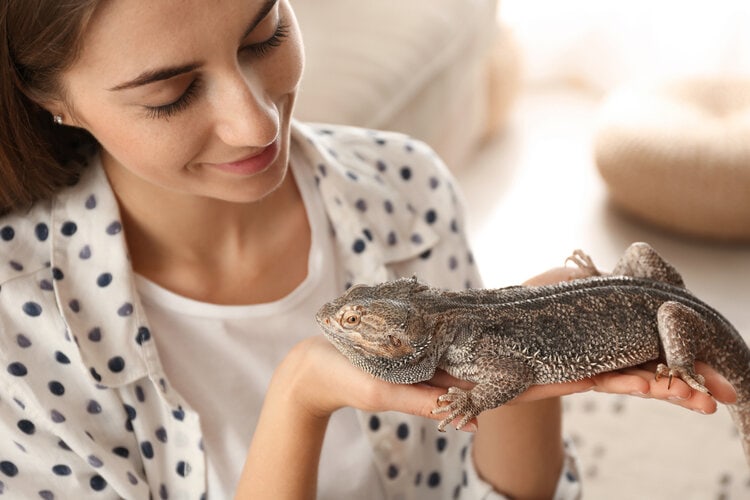
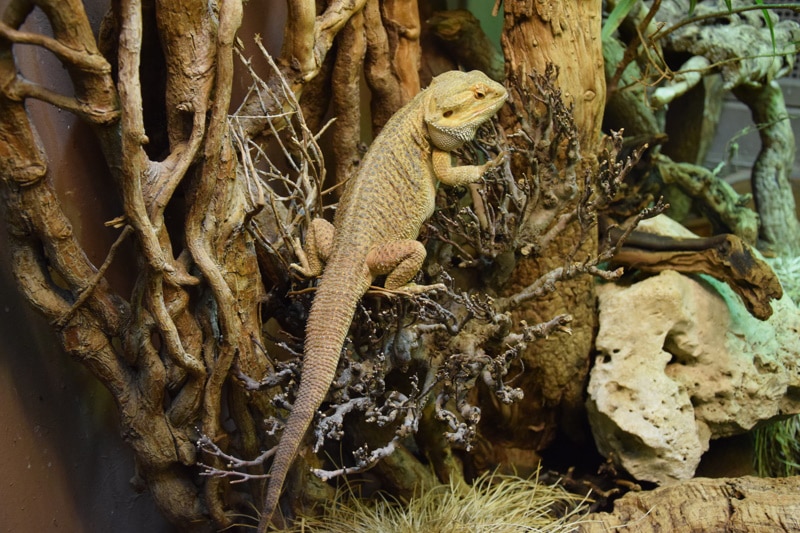
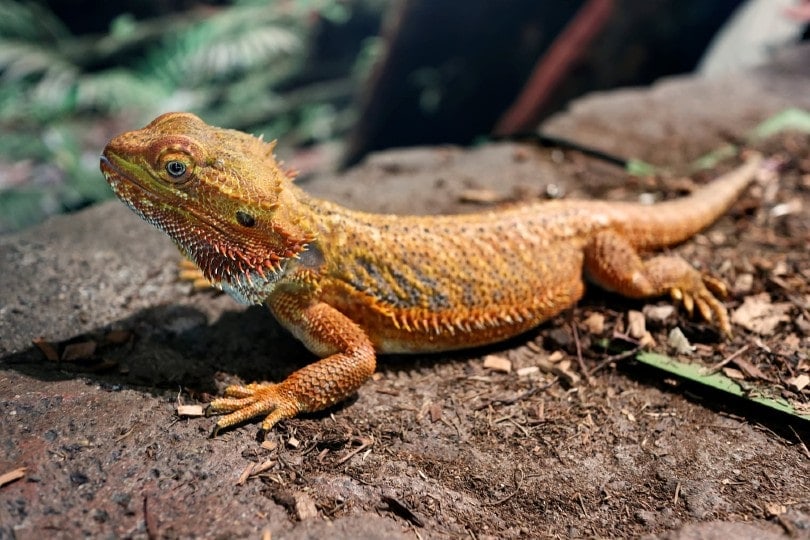
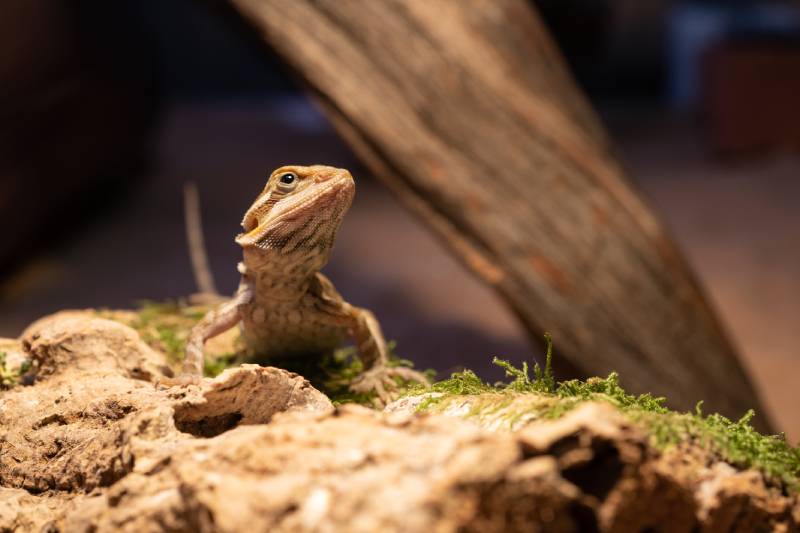
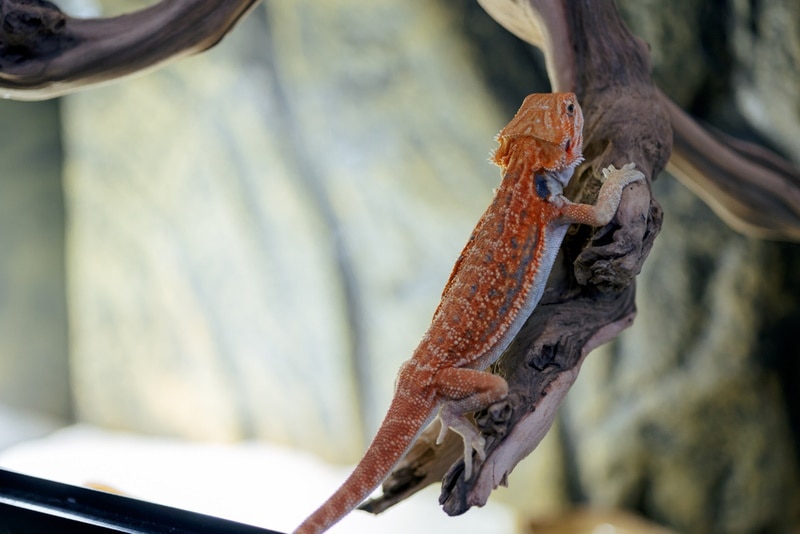
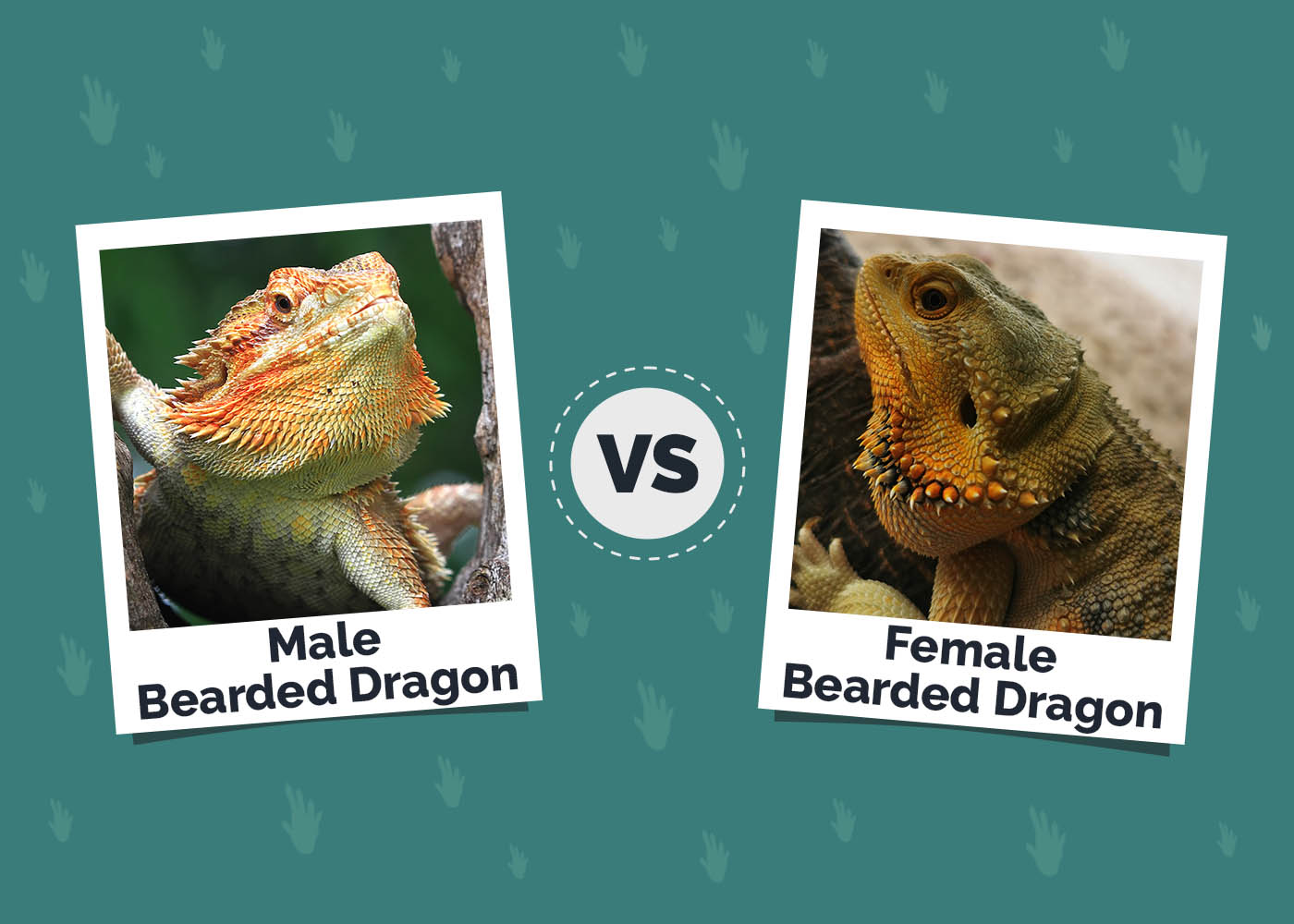
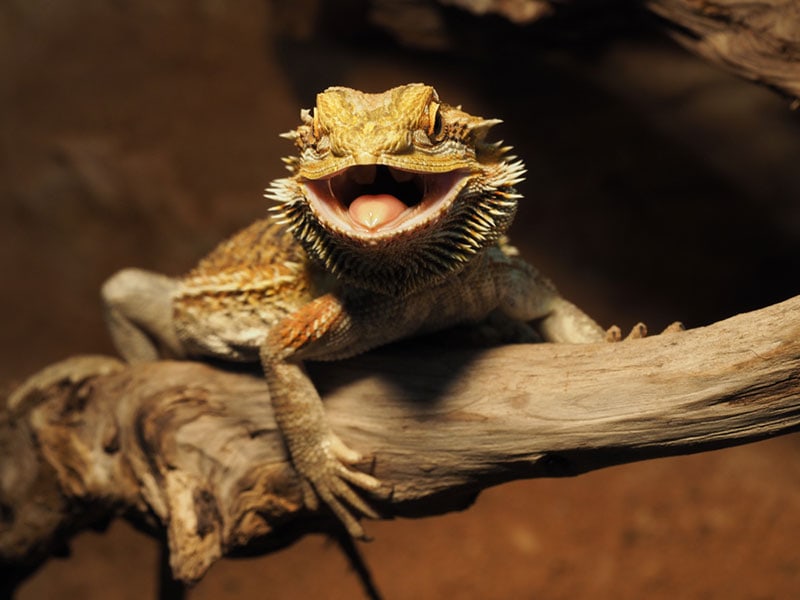
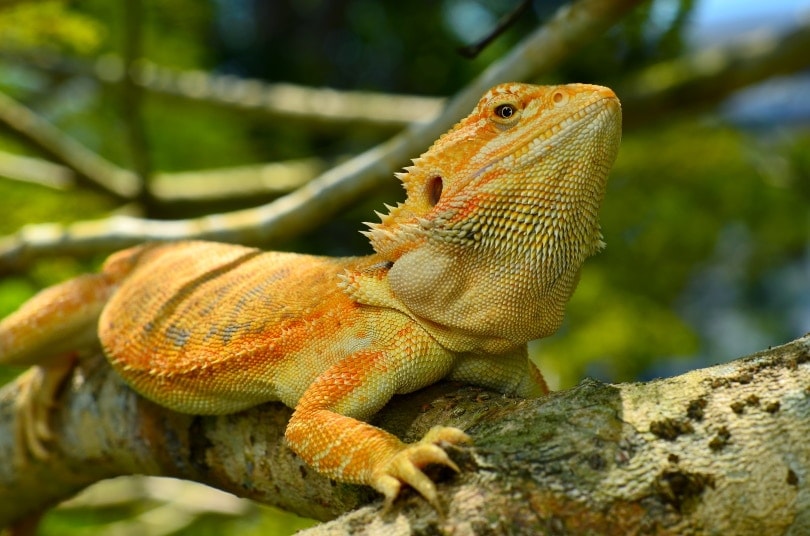
Bearded dragons are medium-sized reptiles that grow 18–24 inches from the tip of their snout to the end of their tail when fully mature. This lizard has a stout, stocky body with a flattened appearance and small, pointed scales that give them a prehistoric appearance. As pets, they are available in several colors, including red, orange, and yellow, but they are usually brown-gray in the wild.
They get their name from the distinctive beard that they can puff out when threatened. This beard is under the chin, and when they puff it out, it can turn dark or black, and they may open their mouth to exhibit an even more prominent display.
Habitat
For an adult bearded dragon, a 75–120-gallon terrarium or larger is a good choice, and they will need a substrate of carpet, newspaper, paper towels, slate tiles, or fine-grade, non-silica sand. You will also need to provide a basking spot with a temperature of around 100–110 degrees Fahrenheit at one end of the enclosure and a cooler area of around 78–80 degrees Fahrenheit at the other end, using heat lamps or pads. They also need low humidity, plenty of UVB lighting, and climbing and basking accessories.
Health & Care
Like ball pythons, bearded dragons are generally healthy and can have a long lifespan in captivity. However, there are a few health issues to look out for, including metabolic bone disease (which occurs when they don’t get enough calcium), respiratory infections, impaction, tail rot, and neurological disorders. Frequent check-ups at the vet are the best way to prevent and learn about health problems quickly.
Suitable For:
Bearded dragons are popular reptile pets suitable for beginners and experienced reptile keepers, as long as you can create a suitable habitat and maintain it throughout their lives, which can be over 10 years. Initial costs can be high, but you won’t need to replace things too often, and bearded dragons are relatively low maintenance overall.
Which Breed Is Right for You?
Choosing between a bearded dragon and a ball python as a pet depends on your preferences, lifestyle, and what you’re looking for in a companion. Bearded dragons are more active and interactive than ball pythons and have a curious and outgoing nature, making them enjoyable to observe and handle. The ball python is lower maintenance, though, and they require a smaller habitat, have an easier diet, and tend to live longer.
See Also:
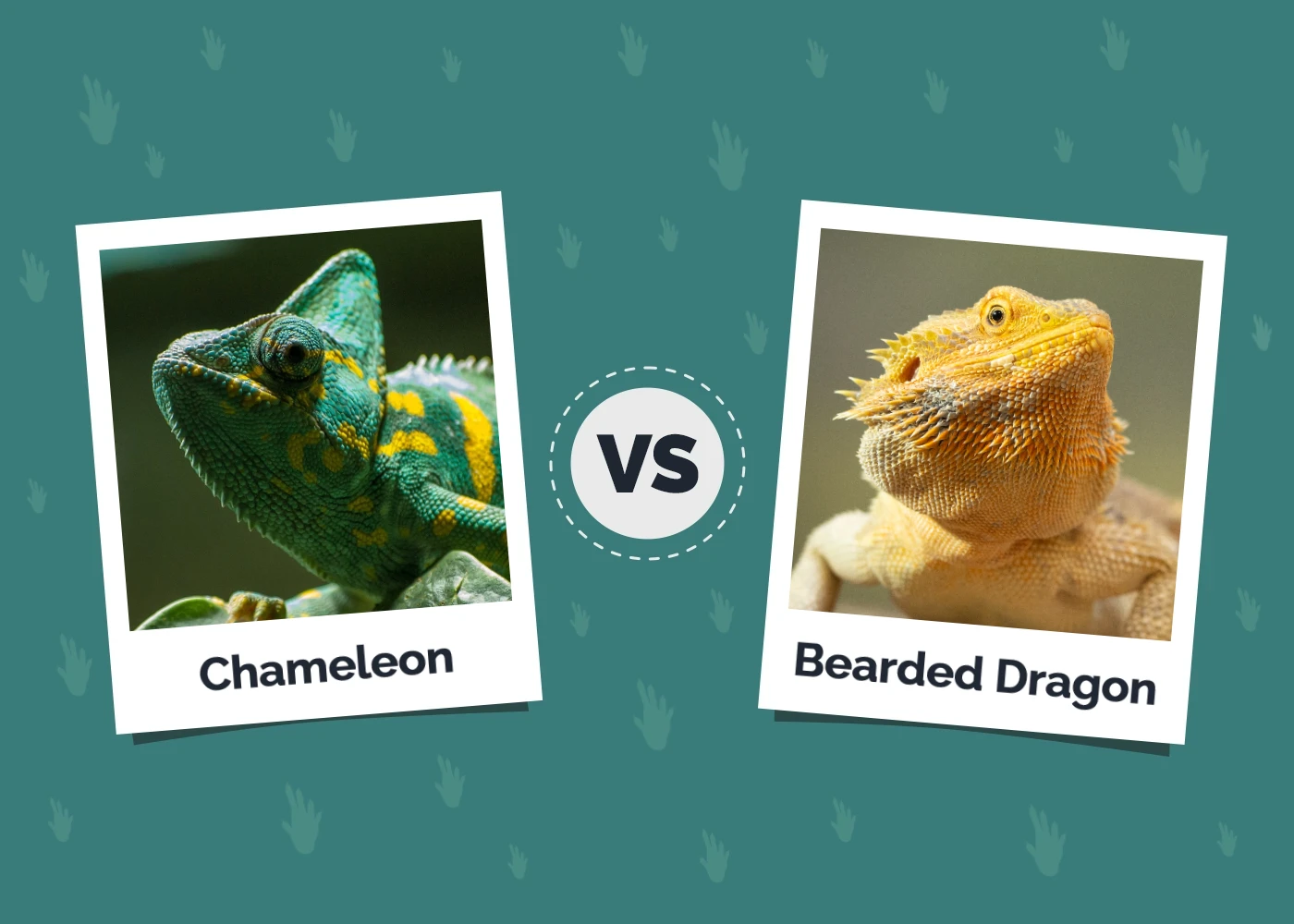
Chameleon vs. Bearded Dragon: The Differences (With Pictures)
Horny Toad vs Bearded Dragon: Differences Explained (With Pictures)
Featured Image Credit: Left - Trevor205, Pixabay | Right - gitzz, Shutterstock
Get Hepper In Your Inbox


Pet care tips from our vets and experts, straight to your inbox.
You may opt-out at any time. View our Privacy Policy for more information.
Ed Malaker is a veteran writer who has contributed to a wide range of blogs that cover pets, tools, guitars, fitness, and computer programming. When he’s not writing, Ed is usually performing DIY projects around the house or working in the garden. He’s also a musician and spends a lot of time helping people fix their guitars and composing music for independent films.
Join the conversation
Ask a question, share your story, or send private feedback.