Hepper is reader-supported. When you buy via links on our site, we may earn an affiliate commission at no cost to you. Learn more.
Why Do Dogs Chew Bones? Instinct, Benefits & Potential Risks (Vet-Approved)


In this article
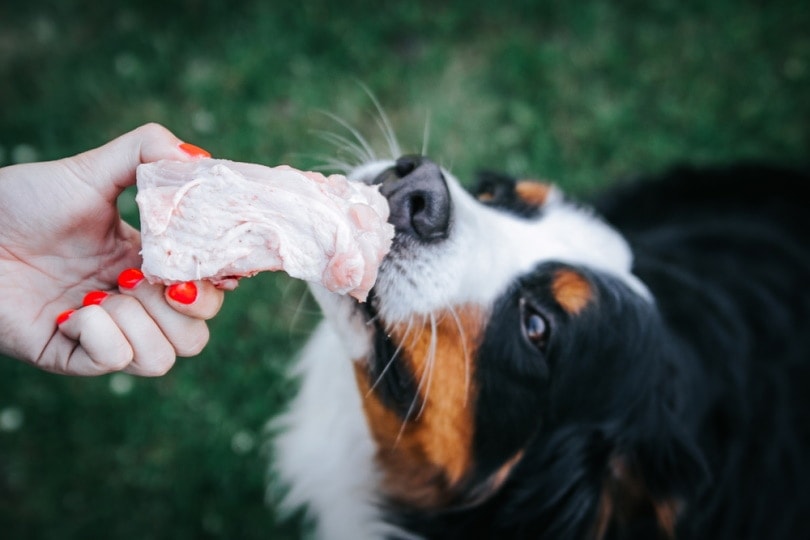
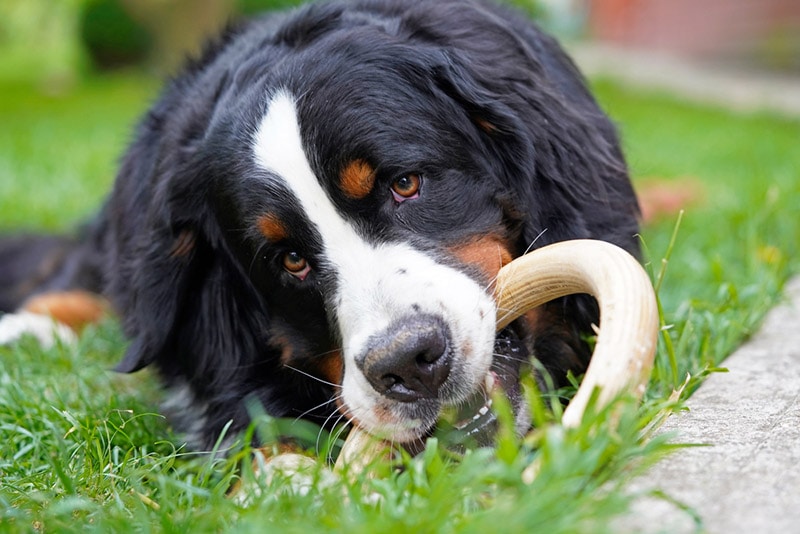
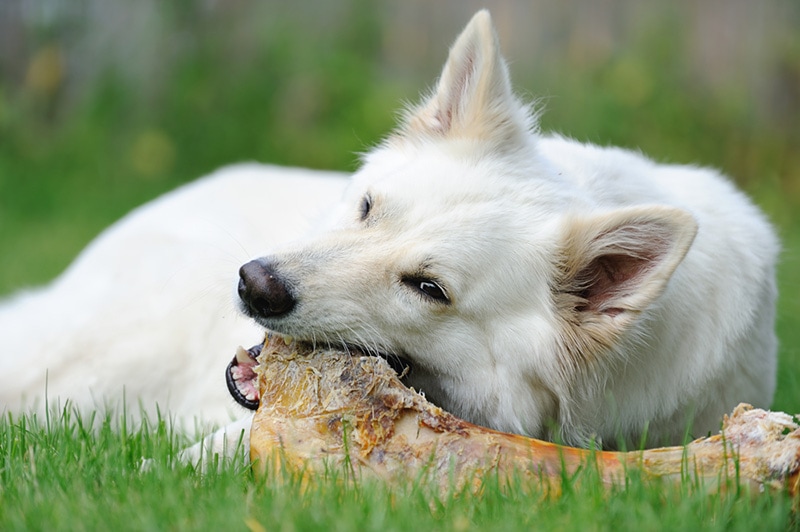
Dogs and bones are traditionally believed to go hand in hand, and many dogs enjoy gnawing and chewing on bones. Some dogs may enjoy chewing on bones because they taste good, and it’s a mentally stimulating activity. Chewing on bones can also promote dental hygiene and exercise the jaws. Most dogs are pretty indiscriminate with the bones they chew, but not all bones are safe or healthy for dogs.
Dogs that tend to swallow foreign bodies or suffer from gastrointestinal health issues should not be offered any bones. So, it’s important for dog owners to know what types of bones are appropriate to give to their dogs as well as the potential risks of dogs chewing on bones. Unfortunately, no bone is 100% safe for dogs, and this will greatly depend on the individual dog and the bone in question. If you want absolute certainty that no harm will come to your dog, it's best not to give them any bones.
It’s important to supervise your dog at all times when they’re chewing bones, as some dogs may try to swallow pieces of bones. This may lead to choking, with bone fragments getting stuck at the back of the throat, in between the upper jaws at the roof of the mouth, or in the esophagus. These conditions can be life-threatening. Swallowed bone fragments may also lead to a gastrointestinal blockage that requires urgent veterinary attention. Bones are not suitable for all dogs.

Possible Reasons Dogs Chew on Bones
Chewing is a natural and instinctive behavior in dogs, and some dogs tend to be heavier chewers than others. Here are some common reasons why dogs chew on bones.
1. Exploration
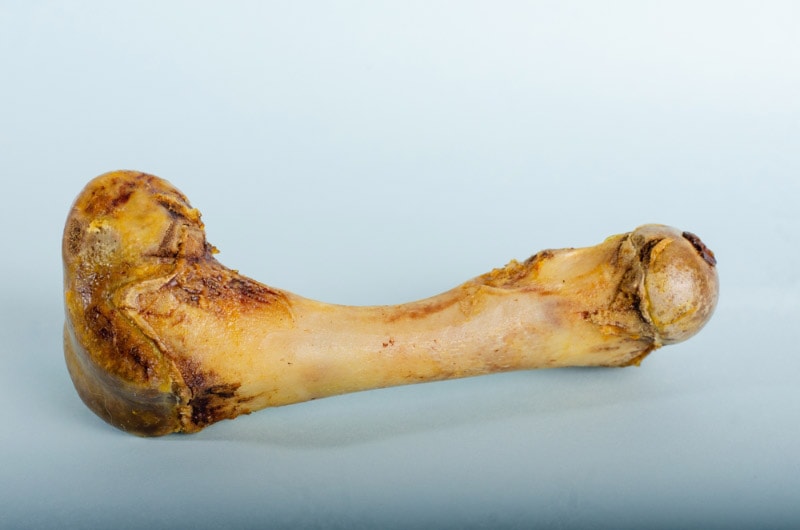
While people usually use their hands to touch and feel different textures, dogs tend to rely more on their noses and mouths. Rather than using their paws to explore an object, they may choose to taste and chew it. Chewing can be a way for dogs to gather information on an object’s taste, texture, and density.
2. Teething Alleviation
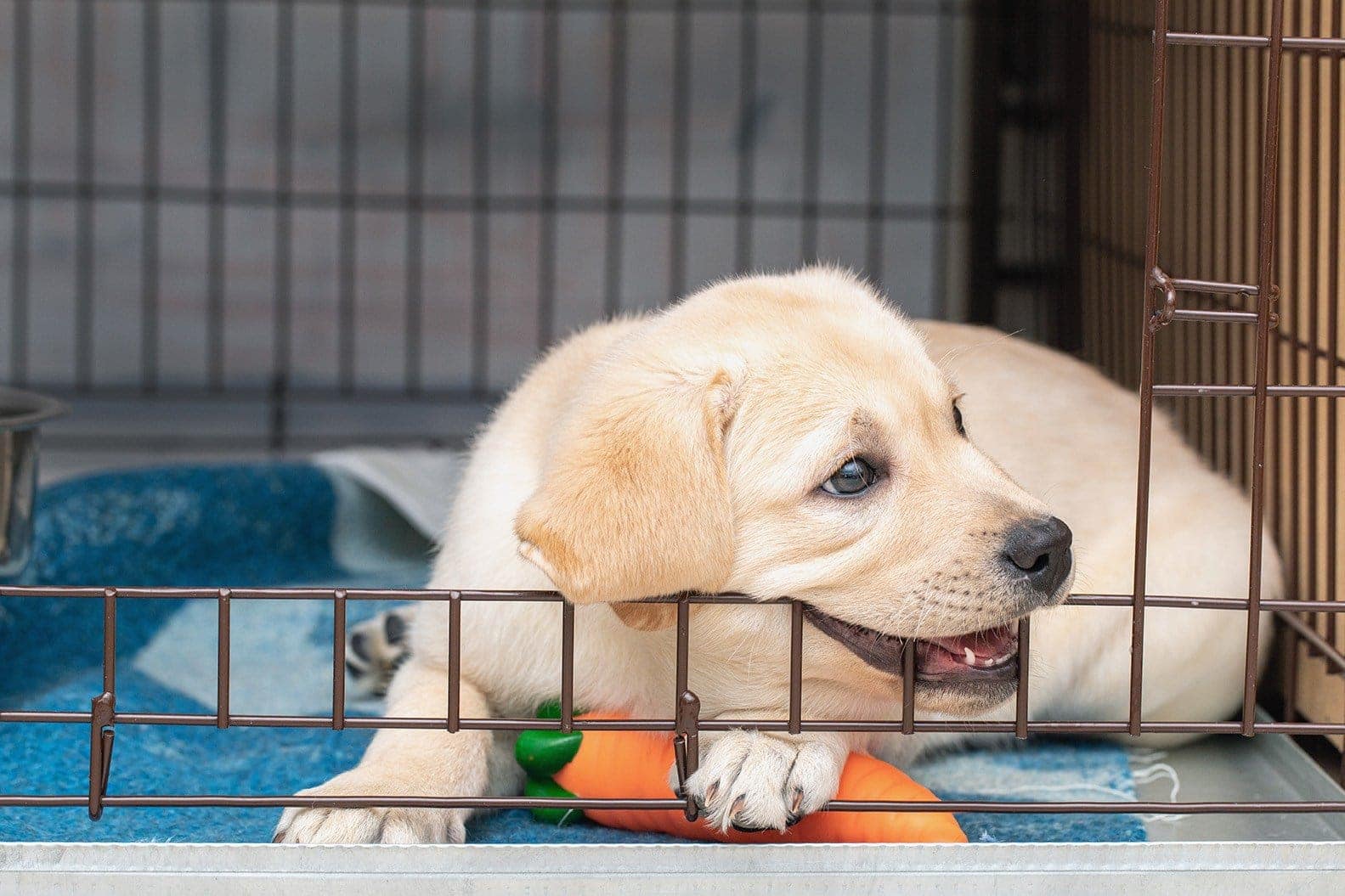
Many puppies will start to chew more when they start teething. Teething can be irritating and painful, and chewing can help alleviate some irritation and encourage loose teeth to fall out. Puppies often appreciate a freezable chew because the cold feeling can alleviate some of the pain and irritation in their gums.
3. Playing
Some dogs just enjoy chewing on things. They may like feeling a certain texture or tasting a particular flavor. You may notice that your dog has preferences over the items they choose to chew. Some dogs may love chewing on bones, while others prefer plush toys, rope toys, or rubber chews. Chewing on bones and toys can be a mentally stimulating activity for dogs because it gives them something to explore. It’s often a great activity for alleviating boredom and letting your dog engage in a solo activity. Just keep in mind that dogs should always be supervised when chewing on bones and toys to prevent choking or swallowing bone fragments or pieces of toys. When the piece of the bone becomes small enough for the dog to swallow, that’s the time to stop the chewing and discard the remaining piece.
4. Self-Soothing
Some dogs may start to chew when they feel anxious or stressed as a means of soothing themselves. Chewing releases endorphins, which help lower stress and improve mood. So, dogs can just start to feel good when they engage in chewing.
It’s important to note that there are some cases where chewing becomes obsessive or destructive. So, if you suspect your dog is chewing due to separation anxiety, boredom, frustration, or severe stress, it’s important to address this challenge and find healthy outlets for them. It’s often helpful to work with a Certified Applied Animal Behaviorist (CAAB) or a certified dog trainer to develop a plan to help your dog.

Potential Risks for Dogs Chewing on Bones
While your dog may appreciate any type of bone you give them, it’s important to be mindful of the potential safety risks of chewing on bones. No bone is 100% safe for dogs, and there is always a chance they may experience serious ill effects when chewing on bones. By familiarizing yourself with the possible risks, you and your vet can make an informed decision about offering your dog a bone or finding a safer alternative.
Bones have varying levels of hardness. Heavy chewers may be able to handle thicker bones, but smaller dogs and elderly dogs should stick to eating softer chews. This is because bones that are too hard can cause tooth fractures and gum injuries.
Many dogs will try to swallow fragments of bones that they chew off or the final piece when it becomes small enough. This may lead to bone fragments getting stuck at the roof of the mouth, the back of the throat, or the esophagus while being swallowed. Sharp fragments may damage tissues and cause long-lasting health issues. Choking is a life-threatening emergency and requires immediate veterinary attention.
Swallowed bone fragments may lead to a gastrointestinal blockage that will require veterinary treatment and often surgery. Some dogs may develop a stomach upset or constipation after eating bones, as the fragments of bones will cause discomfort and pain while being passed in the stool. If these fragments are sharp, they may injure and even perforate the intestines, which leads to sepsis and death if left untreated.
Dogs that are known scavengers or have a history of swallowing foreign bodies, including bones, should not be offered any bones. The risk of them swallowing bones is too high and is just not worth it.
Safety Tips for Dogs Chewing on Bones
Be aware of the risks we discussed above if you decide to offer your dog bones. Stick to giving your dog bones that have been prepared by a reputable pet food company. Make sure to give them bones that are appropriately sized for them. Bones that are too big can cause tooth damage, and small bones can be a choking hazard. Giving your dog cooked bones from table scraps can cause them to splinter and cause significant damage to your dog’s mouth, throat, and intestines. Raw bones are accompanied by a health risk because they can be contaminated with bacteria that cause foodborne illnesses like salmonellosis.
Make sure to always supervise your dog at all times when they chew on bones. If they are tearing off fragments as they chew, consider discarding them to avoid your dog swallowing them. Sometimes, a bone can be gnawed down to a sharp point and end up injuring your dog. When bones get chewed down to a small size, they must be replaced because they can become a choking hazard. Even if your dog doesn’t choke from swallowing a piece of bone, the bone can lead to an intestinal blockage.
It's also best practice to refrigerate bones after your dog has been chewing on them, preventing your dog from ingesting too much in one sitting. Bones should be thrown out after a maximum of 3 to 4 days of refrigeration because bacteria can begin to grow on them.
Some dogs will not allow for a bone to be taken away from them, in which case we recommend not offering them one in the first place and working with a canine behaviorist if they are showing other signs of resource guarding. This may be quite dangerous, particularly in households with children, so this issue needs to be addressed urgently. Some dogs may bite if food is taken away from them or they are disturbed while eating.
Keep in mind that not all dogs can chew on bones. Bones can irritate the stomach, especially for dogs with underlying gastrointestinal or pancreatic health issues. Dogs that are known scavengers and have swallowed bones in the past should not be offered any, either.
Conclusion
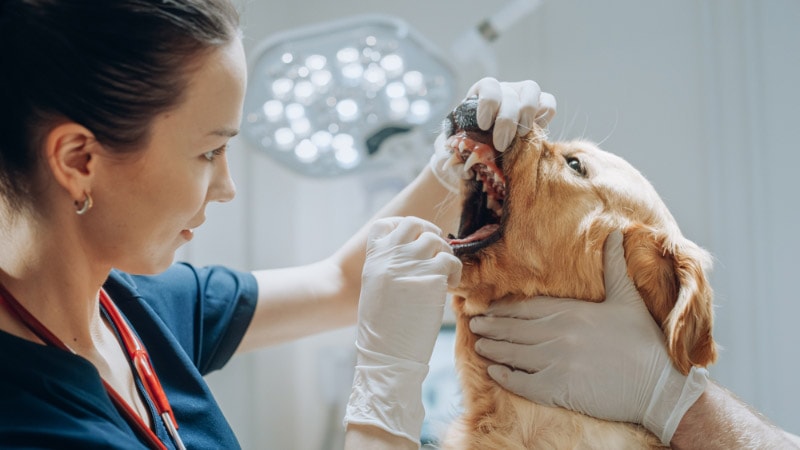
Dogs can chew bones for a variety of reasons. They may like the flavor or start to chew whenever they feel bored. Chewing can also help release endorphins and allow dogs to self-soothe. However, chewing on bones does not come without risks for your dog’s health. Make sure you are well aware of them before considering offering them bones. Consult with your vet if you have any questions or uncertainties, particularly if your dog is suffering from any health issues.
If your dog enjoys chewing on bones and doesn’t tend to swallow any leftover fragments, make sure only to give them appropriately sized bones and always supervise them. This will ensure that your dog can continue to chew on tasty bones and enjoy engaging in this activity as safely as possible.
Related read: Why Do Puppies Chew on Everything?
Sources
Featured Image Credit: demanescale, Shutterstock
Get Hepper In Your Inbox


Pet care tips from our vets and experts, straight to your inbox.
You may opt-out at any time. View our Privacy Policy for more information.
Jessica is a freelance writer who spends most of her day reading and writing while her fluffy Cavapoo, Nora, naps beside her. She loves and appreciates pets and animals because there’s so much to learn from them, and they do so much for people. As a dog mom, she understands the special relationship that pet parents have with their pets. So, she loves sharing helpful information that people can use to better understand their pets. When she’s not writing, you can find her walking dogs, tending to her plant babies, or drinking her nth cup of coffee.
Join the conversation
Ask a question, share your story, or send private feedback.