Hepper is reader-supported. When you buy via links on our site, we may earn an affiliate commission at no cost to you. Learn more.
How to Use a Flea Comb on My Cat: 7 Vet Approved Tips


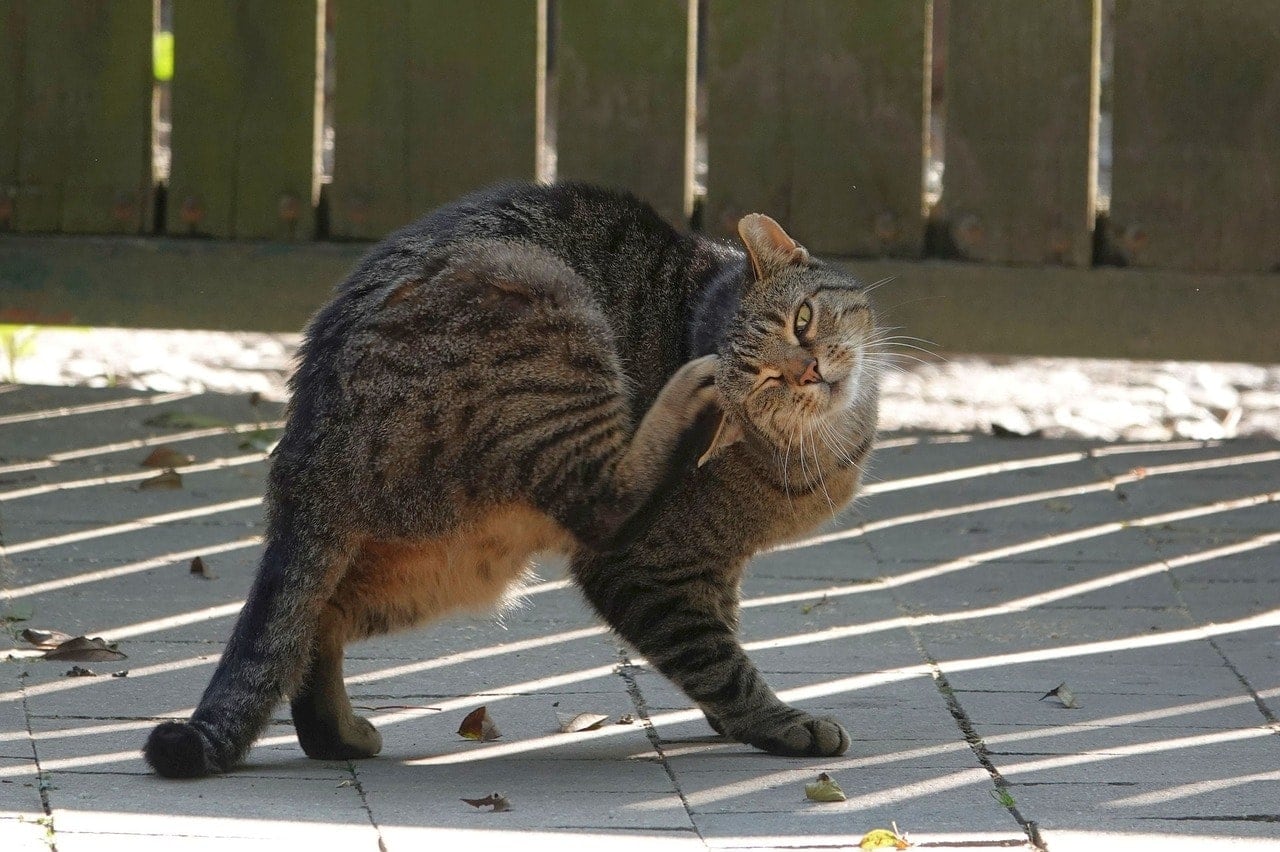
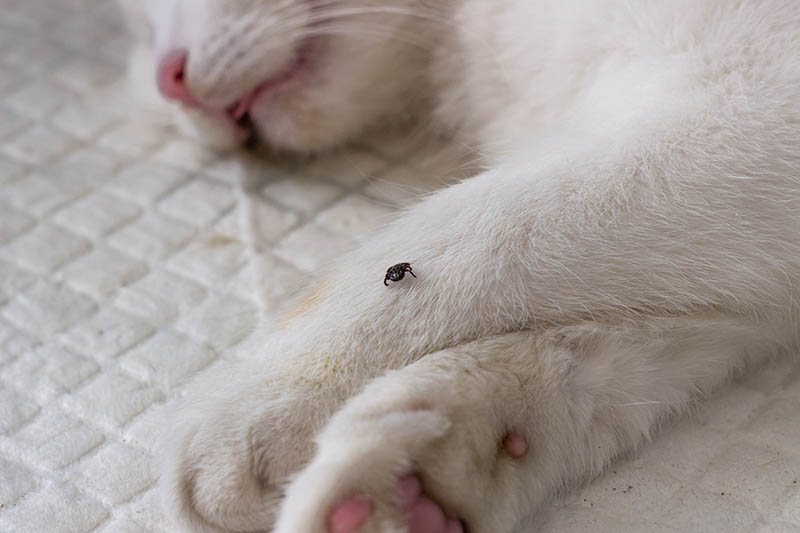
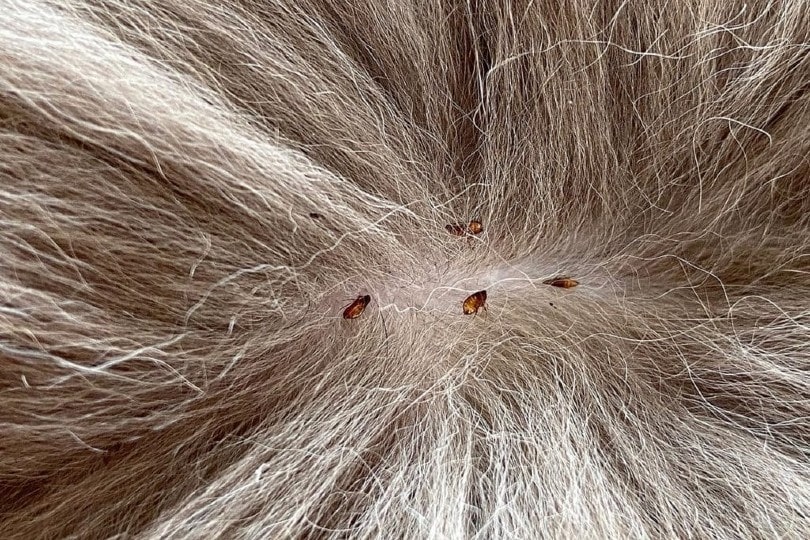
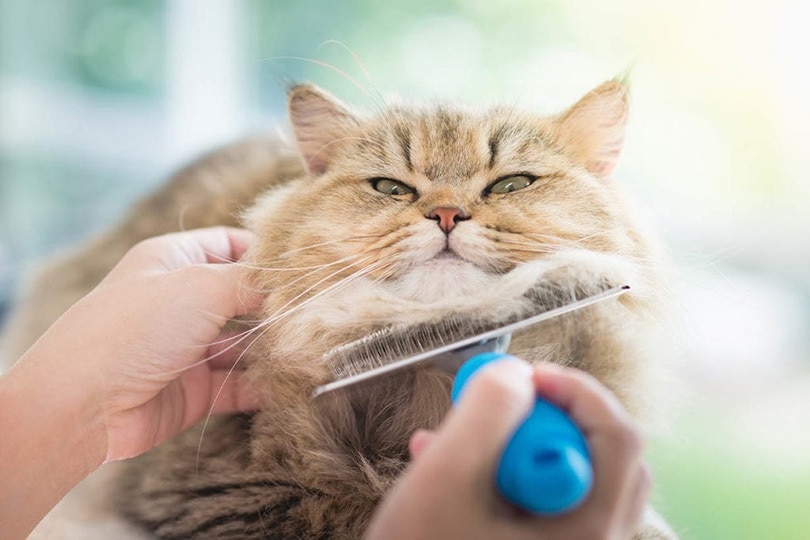
If you have ever had a cat with a flea infestation, you know how tricky it is to take care of. Just a few missed fleas can lead to a major resurgence. There are lots of ways to treat fleas, and a flea comb is an important tool in the fight against fleas when used alongside other treatments. These combs are designed to pull out fleas, eggs, and waste from your cat’s fur without causing them pain.
Learning to use a flea comb requires a little bit of practice, though. Here are seven tips to make the process as smooth as possible.

The 7 Tips to Use a Flea Comb on Your Cat
1. Choose the Right Comb
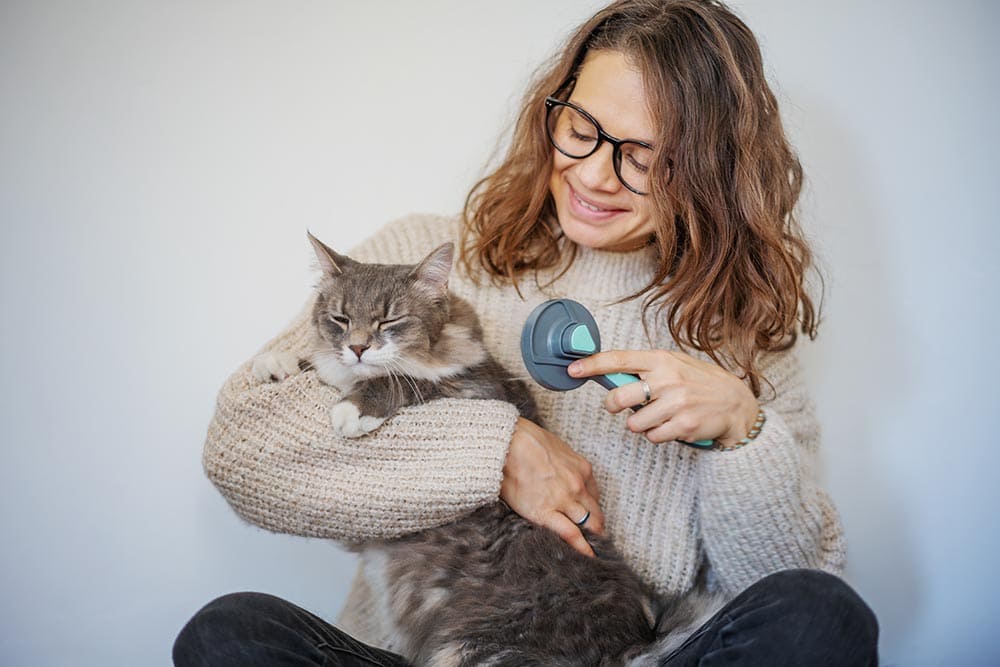
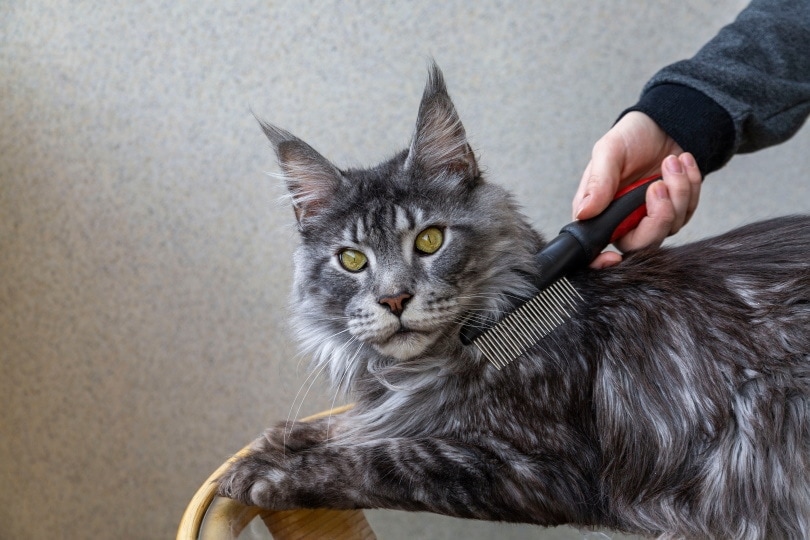
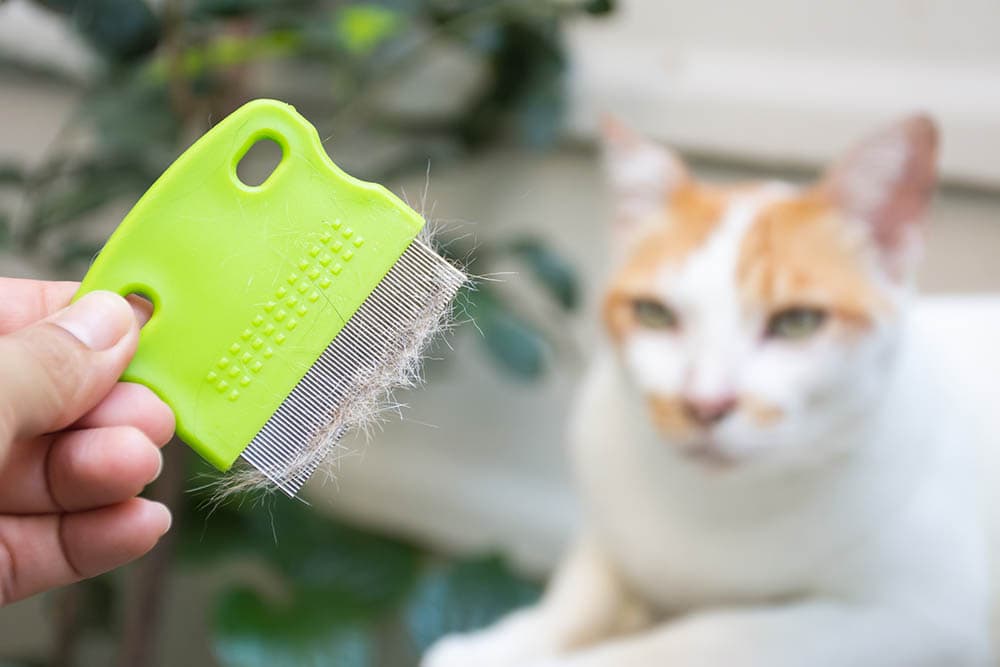
A flea comb is a long comb with closely spaced tines that can rake out anything in your cat’s fur, including fleas and flea eggs. Most flea combs have plastic or metal teeth. Metal teeth can be more effective, but some cats with sensitive skin will cooperate more with a plastic comb. Some combs have metal teeth with rubber tips that increase comfort.
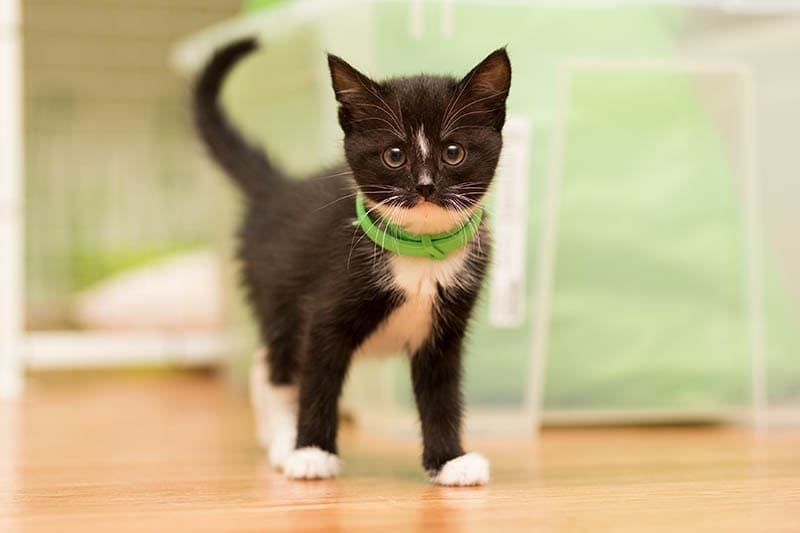
Tooth length is also important. Cats with long fur should have combs with longer teeth, while kittens should have combs with much shorter teeth. This will help you reach through every layer of fur to comb your cat.
2. Prepare Your Area
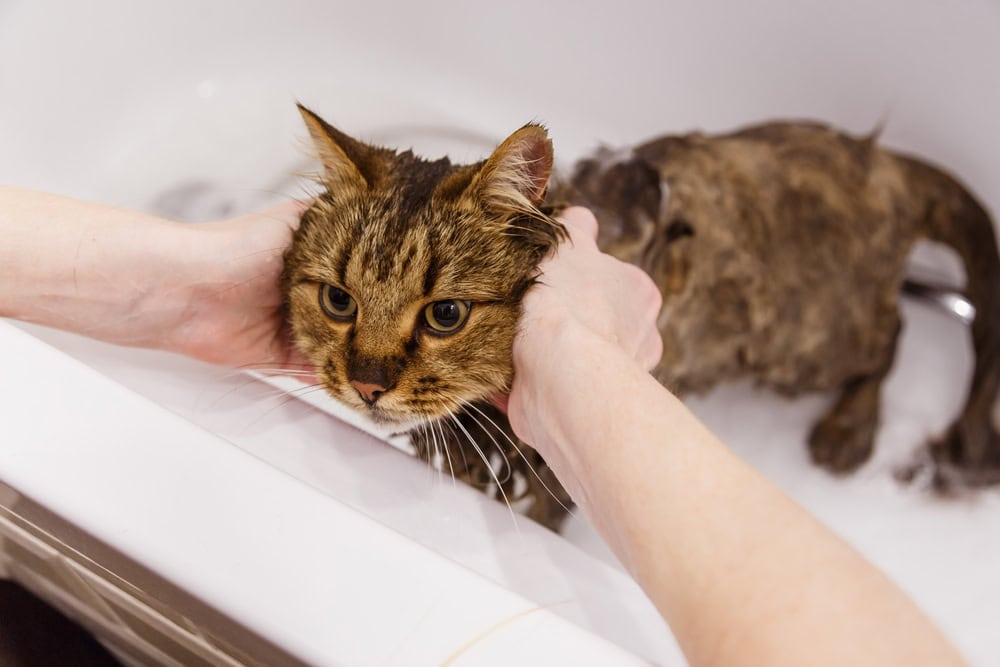
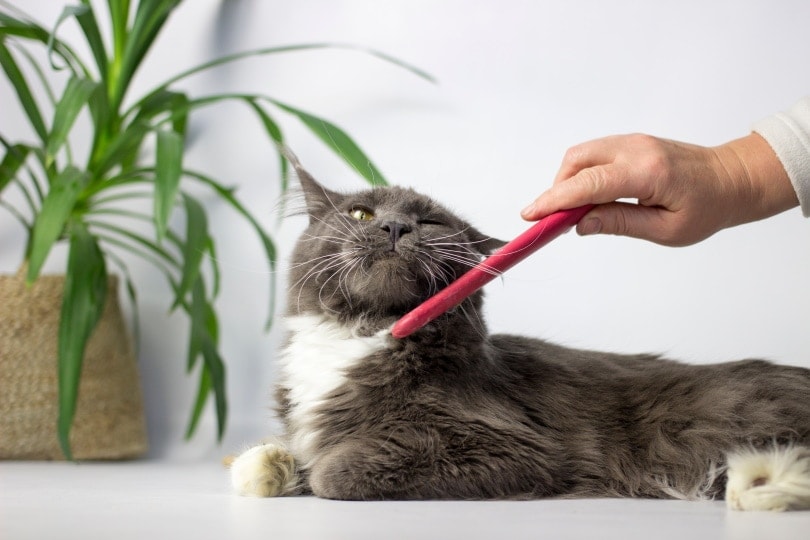
You’ll want a safe area to comb your cat where you can sit comfortably and clean up any loose fleas. Some owners prefer to comb their cat in the bathtub for easy cleanup, while others lay out newspaper to catch falling dirt and fleas. An enclosed area can help you contain your cat if it is likely to run.
You’ll also want to prepare a bucket of hot water and dish soap. This bucket should be deep and filled about halfway full. You’ll use this to clean your brush and drown fleas, so it should have enough space between the top of the water and the edge of the bucket to prevent fleas from jumping out.
3. Pre-brush for Tangles
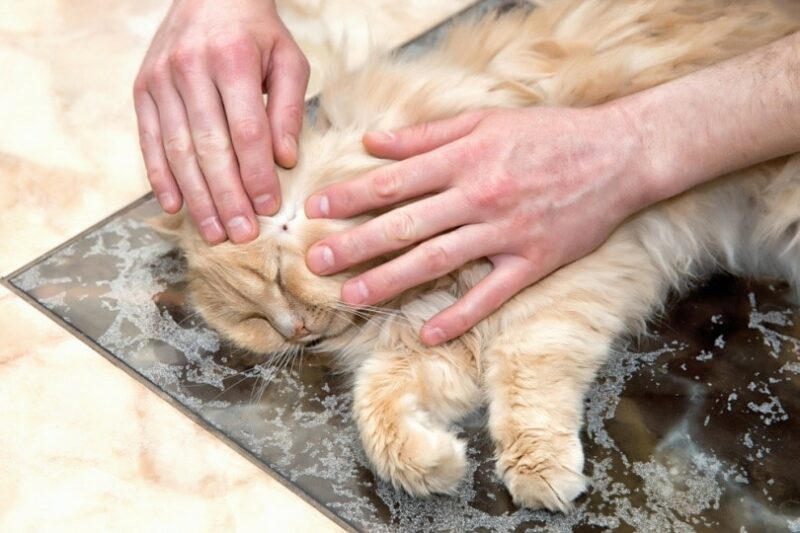
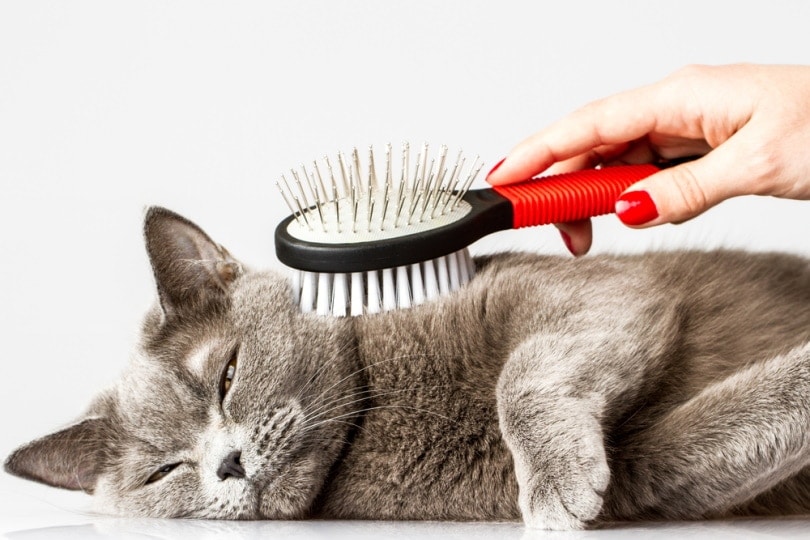
Before you use the flea brush, it’s best to go over your cat’s fur with a detangling brush, especially for cats with longer fur. This will get rid of loose fur, tangles, and mats. Take your time, as it will be much easier to use the flea brush on tangle-free fur.
4. Brush From Head to Tail
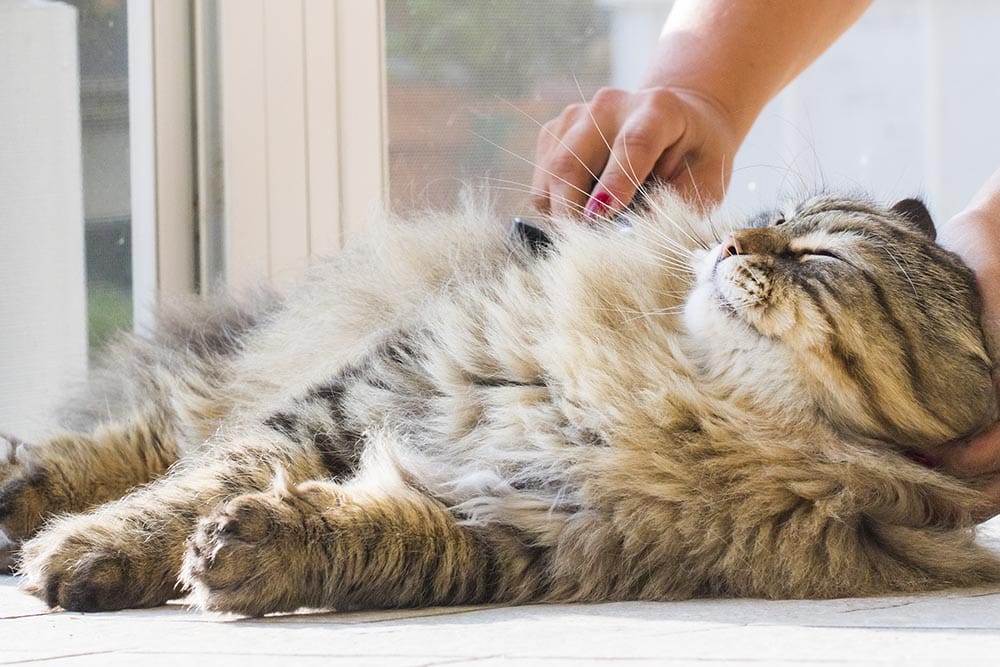
Start by brushing your cat’s head, neck, and shoulders and slowly work your way towards the back of the cat. Brush your cat’s back, sides, and belly, and then their legs and feet. Finish by brushing your cat’s tail from base to tip. You’ll always want to brush in the same direction as the fur. Use firm but gentle strokes and make sure that you brush through all layers of fur. Some cats will cooperate more than others. If your cat struggles or fights against the brushing, you can use treats and a calm manner to help them stay calm.
5. Keep Your Brush Clean
The flea brush will quickly become clogged with dirt and debris. As necessary, use your fingers to drop any detritus into the bucket. Rinse your brush regularly with hot soapy water. This will help keep your brush clean and sanitary. The water will also drown any fleas and eggs that fall into it.
6. Don’t Miss Any Spots
Most of the time, brushing a cat doesn’t involve cleaning every nook and cranny. But with fleas, even a few missed eggs can lead to a major resurgence in the infestation. It’s important to gently clean out anywhere that fleas like to hide. Fleas often are thickest on the belly, chin, back of the neck and base of the tail. Areas like between toes and in armpits are also important to catch. A second round of combing a few minutes after you finish the first round can help you catch any fleas that moved around while you were combing.
7. Clean Up Afterwards
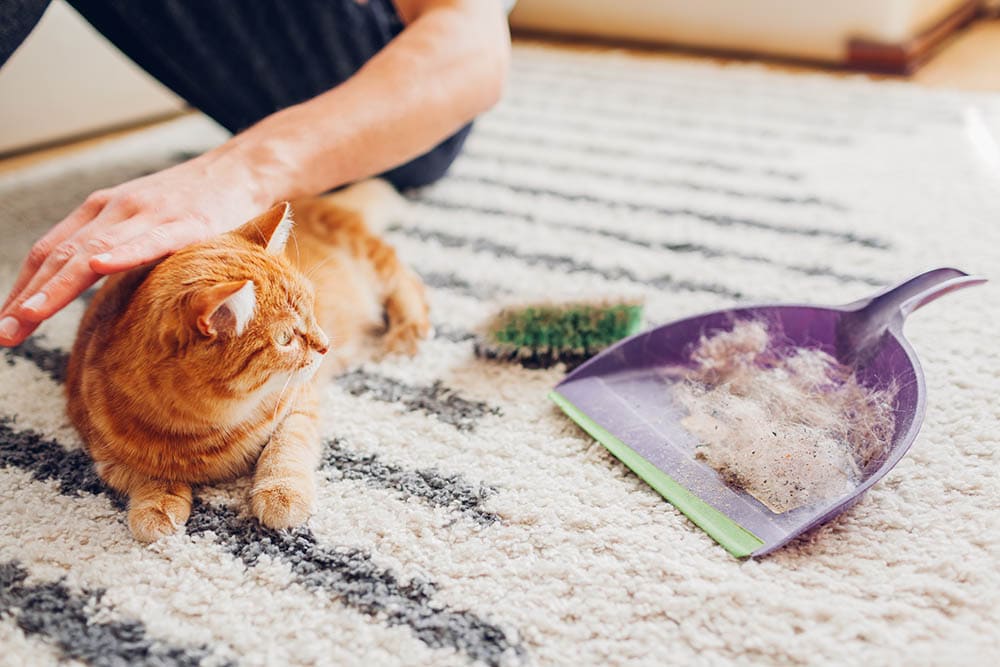
Once you’re done brushing your cat, take the time to clean your area. Throw away any newspaper or floor covering. Wash or vacuum the space you used to clean your cat. Let your soapy water sit for a few minutes until all fleas are drowned before you dispose of it. These steps will make sure that none of the fleas you combed will survive to find your cat again.
Last Thoughts
Flea combing is much more involved than standard grooming, but it can be worth it. Combing your cat daily for a few weeks can often help resolve even serious flea infestations as part of a complete flea control plan. In the end, your cat will be back to its happy, healthy self.
Sources
Featured Image Credit: Katrin Baidimirova, Shutterstock
Get Hepper In Your Inbox


Pet care tips from our vets and experts, straight to your inbox.
You may opt-out at any time. View our Privacy Policy for more information.
Chelsea Flake Mortensen is a writer with a passion for pets. She grew up around everything from cats to chameleons and loves working with all kinds of animals. Chelsea has a BA in English and Creative Writing from Brigham Young University.
Chelsea loves reading, writing, sewing, and board games. She's lived in half a dozen US states and two countries. She is currently living in New England with her husband. Her articles have been featured in various magazines and literary journals for children and adults. Her writing has been translated into over 40 languages.
Join the conversation
Ask a question, share your story, or send private feedback.