Hepper is reader-supported. When you buy via links on our site, we may earn an affiliate commission at no cost to you. Learn more.
What's The Best Material For Pet Bowls? Safest & Healthiest Options
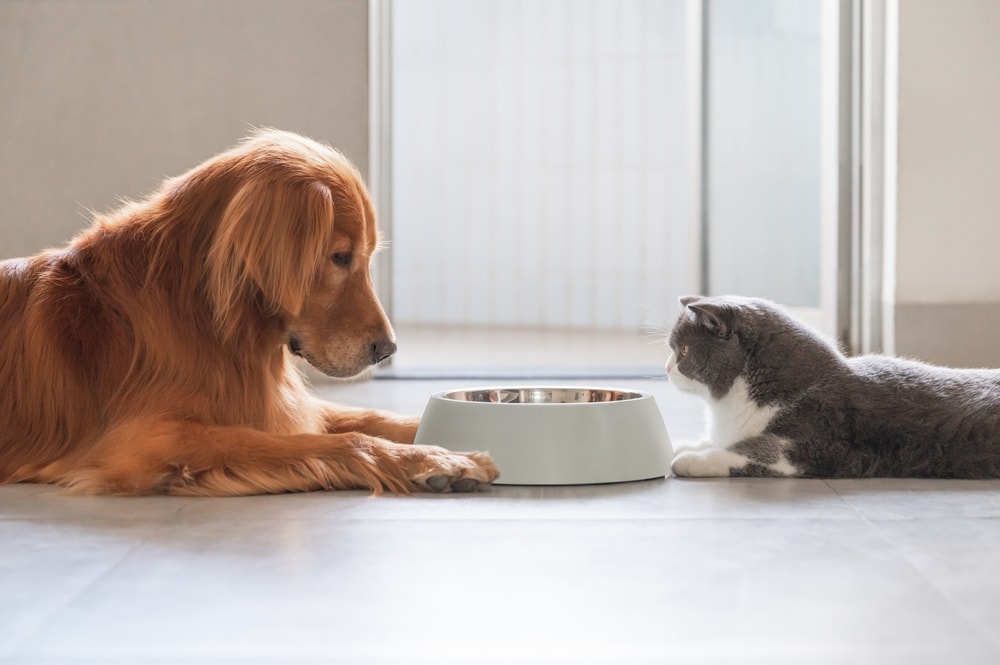
There are thousands of products available for the millions of people who have pets. Feeding pets is a necessary part of ownership, and keeping them on a balanced diet is the best way to keep them healthy.
Food isn’t the only piece of the dietary puzzle. Their food bowl also needs to be safe and secure. They shouldn’t be in danger of consuming bacteria from leftover old food or cutting their mouths on a broken edge.
Pet bowls are made from various materials, each with pros and cons. However, what is the best material for a pet bowl to keep your pet safe and well-fed? The best material for pet bowls is a stainless-steel bowl; keep reading as we explain further.

The 5 Best Materials Used for Pet Bowls
1. Stainless Steel
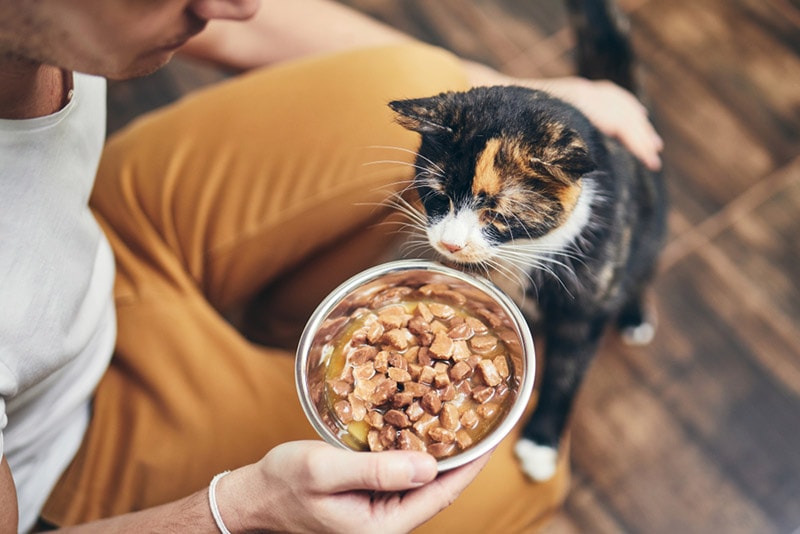
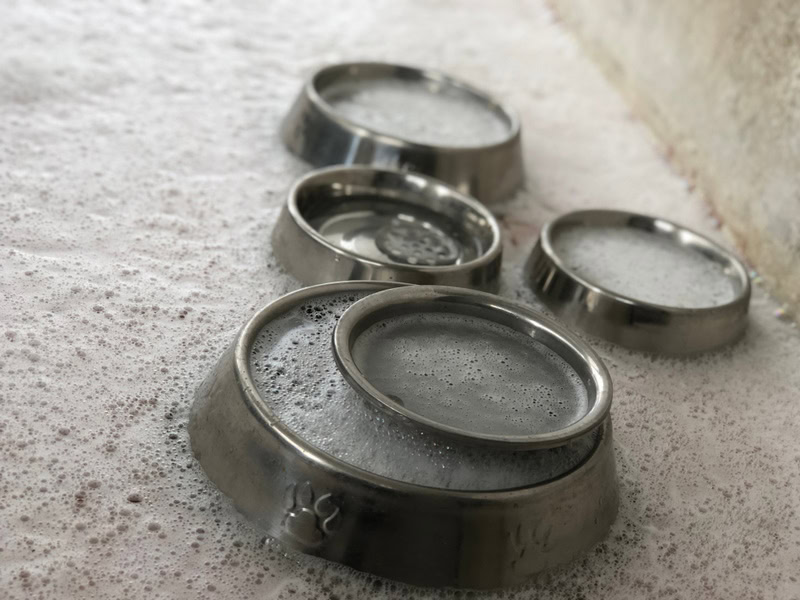
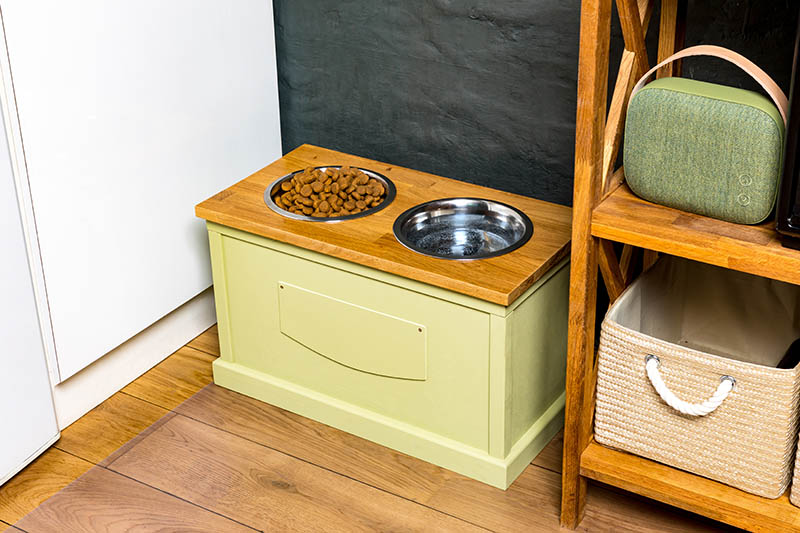
Stainless steel has become one of the most common materials for pet bowls. There are different types and qualities, including medical-grade, which is the safest for your pet. This high-quality material protects your dog from bacterial growth from old food and makes it easy to clean.
Pros
- Stainless steel is non-porous, making it easy to keep clean.
- It does not harbor bacteria.
Cons
- Stainless steel easily moves across the floor if it doesn’t have a non-skid rubber mat or feet.
Our Favorite Product Right Now
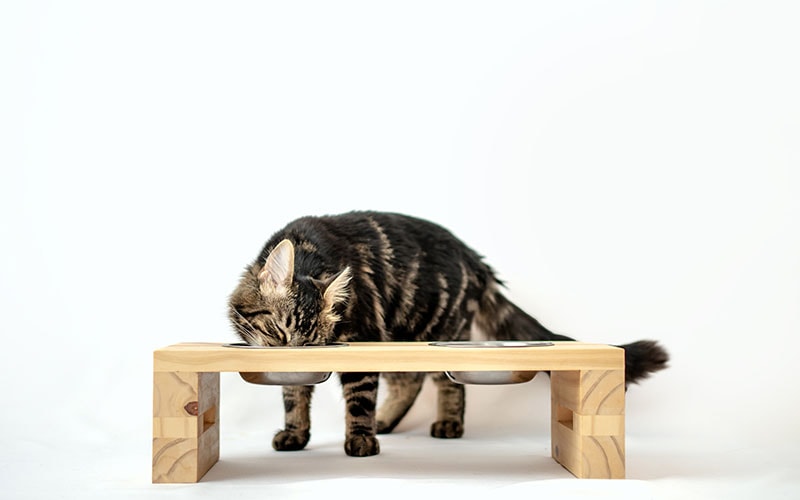
No matter what your cat is eating, make sure they are being fed in style with our Hepper NomNom Bowl

- NO MESS - The 360° tray on this cat food and water bowl set has a raised design to catch and contain stray crumbs and drips. Protect your indoors and floors from wet and messy meals!
- WHISKER FRIENDLY - Shallow and wide metal containers with flat bottoms ensure your kitty can enjoy mealtime free from whisker fatigue!
- CHEW-SAFE MATERIALS - Kittens and cats love chewing on silicone and soft rubber - but it's a choking hazard. Our cat feeding station materials are anti-chew for a 100% safe feeding frenzy!
2. Plastic
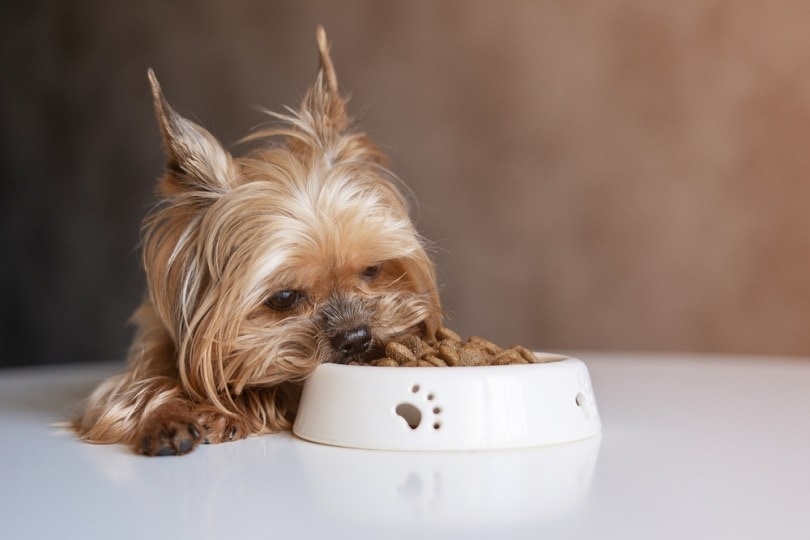
Plastic is one of the cheapest materials used for pet bowls. Many kinds of hard plastics make durable bowls. However, they are not as durable as other materials on this list. Pets, especially dogs, can be rough on their gear. You need durable materials to safeguard them and your investment.
Pros
- Plastic is a budget-friendly choice.
- Many options with different kinds of plastic.
Cons
- Plastic can get easily scratched, which ends up harboring old pet food and bacteria.
- It stores bacteria as it wears down.
- It is not that durable.
3. Glass
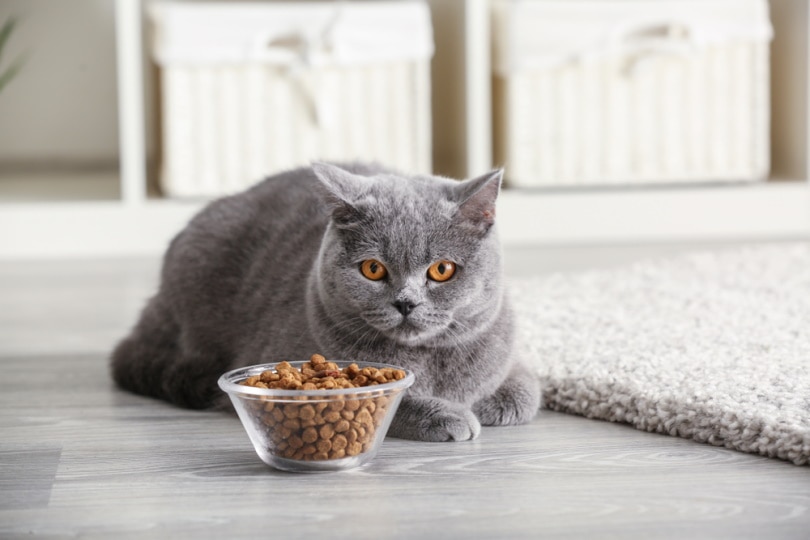
Glass is also used for pet bowls, although not frequently. Most often, glass is used as a material for small pets like cats and small dogs. They are less likely to bang it around and do any lasting damage that could hurt them. Glass bowls are attractive but are too fragile for everyday use.
Pros
- Glass is a smooth surface that is easy to keep clean.
- It isn’t porous and doesn’t easily store bacteria.
Cons
- Even durable glass bowls can break or chip and become sharp.
- Glass can concentrate the sun’s rays and might burn or even start a fire if left on a wooden porch.
4. Ceramic
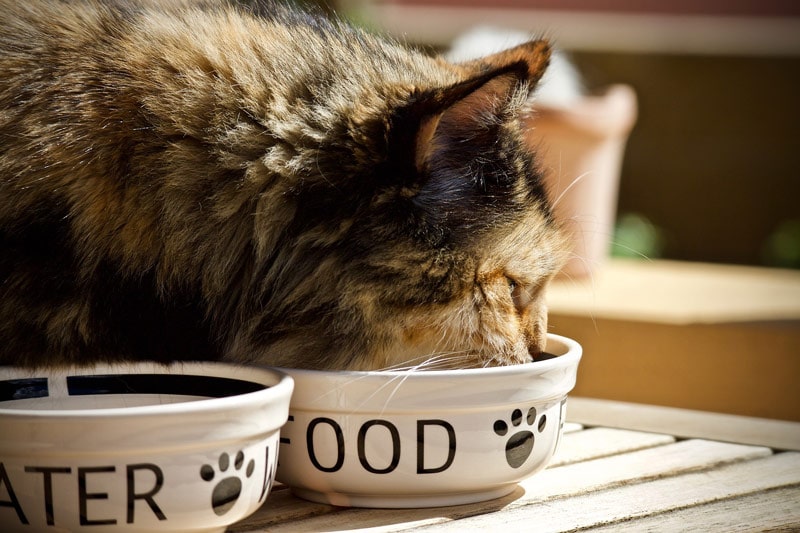
Ceramic has become a popular material for pet bowls because it provides plenty of customization options. You can even make a pet bowl at a specialized pottery class that will use a food-grade sealant in the kiln to make it safe for your pets. But ceramic can be quite porous and is often fragile if improperly made.
Pros
- There are many choices of colors and patterns.
Cons
- Ceramic is porous and can store bacteria
- The coating or sealant needs to be food-grade and durable
- It is fragile
5. Stoneware
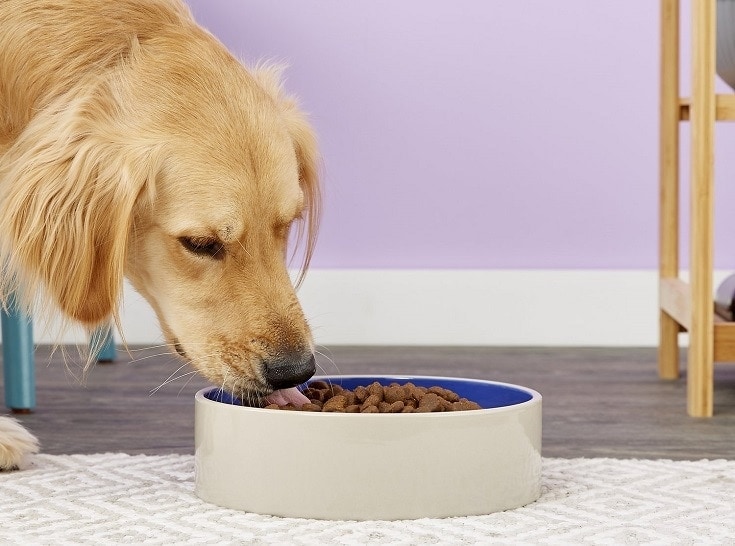
Stoneware is not a common material for pet food bowls, so you might need to special-order them. Stoneware is glazed and is not as porous as ceramic. Some glazes contain lead, so only utilize a food-grade glaze or check with the producer to ensure you aren’t slowly poisoning your pet.
Pros
- Stoneware is attractive
- It is sturdy and more difficult to break than glass or ceramic
Cons
- Stoneware is heavy and can easily scratch floors
- It might chip if played with or accidentally smashed against something
- It is challenging to keep clean unless coated
- Coated stoneware might contain lead
Verdict
The best material for pet bowls is a stainless-steel bowl with a rubber mat or feet to keep it from skidding across the floor. It's not easy to dent or break in any way, and it doesn’t harbor bacteria because it's non-porous. That is also why it's easy to keep clean in between meals.
See also:
Featured Image Credit: Chendongshan, Shutterstock
Get Hepper In Your Inbox


Pet care tips from our vets and experts, straight to your inbox.
You may opt-out at any time. View our Privacy Policy for more information.

Nicole is a lover of animals of all sizes but is especially fascinated with the feline variety. She’s the proud mom of Baby, a Burmese, and works every day so he can relax in the sunshine or by the fire. She’s always had a cat in her home and has spent countless days with others, observing behaviors and softening up even the grouchiest of the lot. Nicole wants to share her kitty expertise with you so you and your cat can live happy, healthy, and care-free.
Join the conversation
Ask a question, share your story, or send private feedback.