Hepper is reader-supported. When you buy via links on our site, we may earn an affiliate commission at no cost to you. Learn more.
How Often Should I Wash My Dog's Food & Water Bowls? Vet-Approved Guide


As dog parents, we all strive to provide the best care for our four-legged companions. Providing everything from love, care, and proper nutrition to grooming and healthcare, most people treat their dogs like part of the family.
However, there's one important thing that can go unnoticed by many dog parents: the cleanliness of their dog's food and water bowls. Many people tend to forget to clean their dog's dishes or simply don't know how often they need cleaning.
Since our furry companions eat and drink water daily, upkeep maintenance of their bowls is paramount, as they collect bacteria and could affect your dog's health.
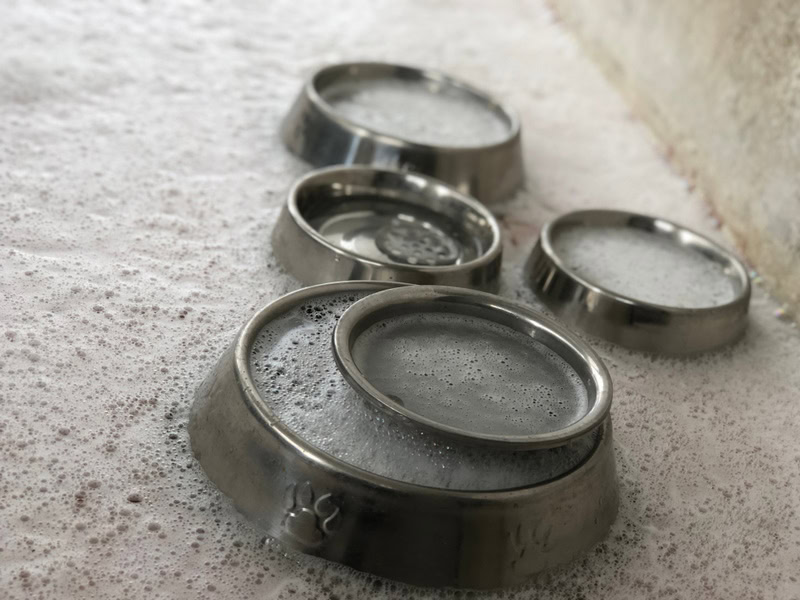
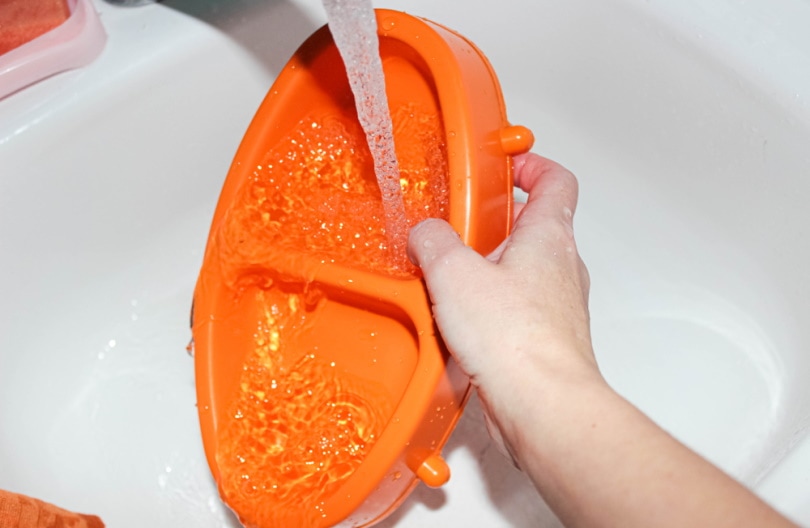
It's best to wash the food bowl after every meal and wash the water bowl daily to prevent bacterial buildup and keep your dog's bowls in good shape.1
In this article, we talk more about dog bowl maintenance and why it's so important and provide beneficial tips for keeping harmful bacteria in your dog's bowls at bay.

Facts About Dog Bowl Maintenance Habits of Dog Parents
Unfortunately, many dog parents don’t always stick to proper maintenance habits when it comes to cleaning their dog’s food and water bowls. This happens mainly because some people lack awareness of the proper FDA-approved maintenance for dog bowls, and others unintentionally look over the need to clean them every day.
Here’s a list of statistics showing just how many pet parents make the mistake of not properly following the maintenance tips for dog food and water bowls:
Why Is It Important to Wash Your Dog’s Food and Water Bowls?
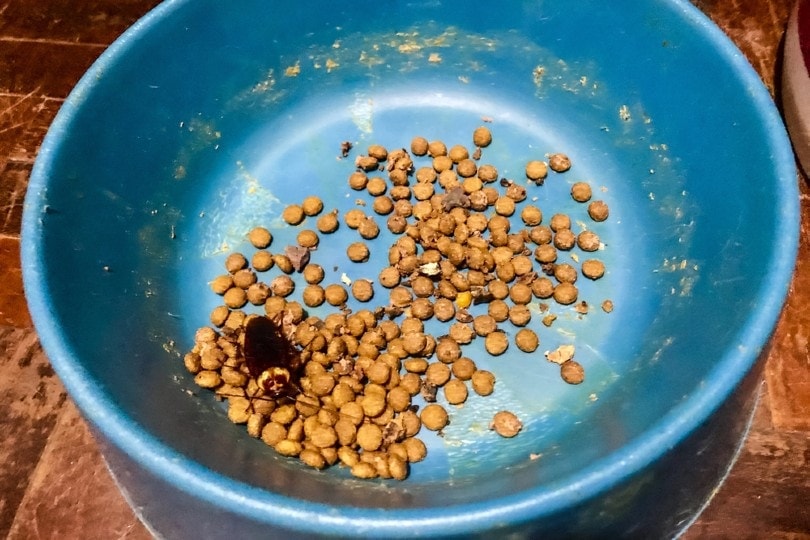
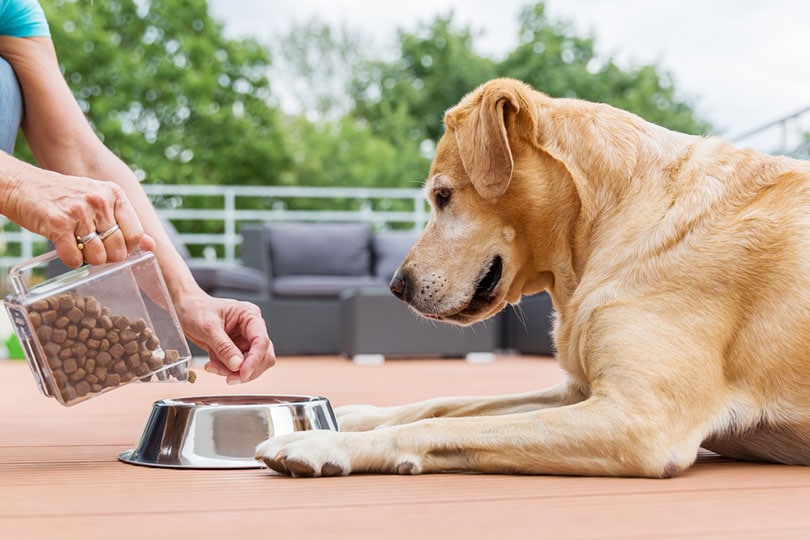
Many pet owners are unaware of the number of bacteria that collect in dog food and water bowls that could cause harm to your dog’s health. The bacteria from your dog’s bowls could quickly reproduce and lead to several foodborne illnesses, including listeriosis and salmonella.2
Mold and yeast can also contaminate your dog’s dirty bowl. Regularly consuming rancid and spoiled food particles can lead your dog to develop gastrointestinal issues, poisoning, and an increased risk of food allergies.
Since there’s a high risk of contamination and a strong possibility for your dog’s health to be impacted, you should know when and how to wash the bowls. Proper and adequate maintenance of your dog’s food and water bowls will prevent bacteria build-up and ensure that your dog eats tasty food every day and has less need to go to the vet.
Overall, washing your dog’s food and water bowls will keep your furry buddy healthier and happier.
So, How Often Should You Wash Your Dog’s Food and Water Bowls?
Many dog parents unintentionally don’t take proper care of their dog’s bowls. But how much washing is enough? How often should you wash your dog’s food and water bowls?
According to the FDA, you should wash your dog’s food bowl and scoop after each use. The washings are slightly less frequent for dog water bowls, which you should wash daily.
By sticking to that cleaning schedule, you’ll be able to maintain good hygiene of your dog’s food and water bowls and prevent bacteria from spreading. You’ll also lower the chances of your dog becoming ill and needing vet check-ups.
FDA-Approved Recommendations for Proper Dog Food and Bowl Handling, Storing, and Maintenance
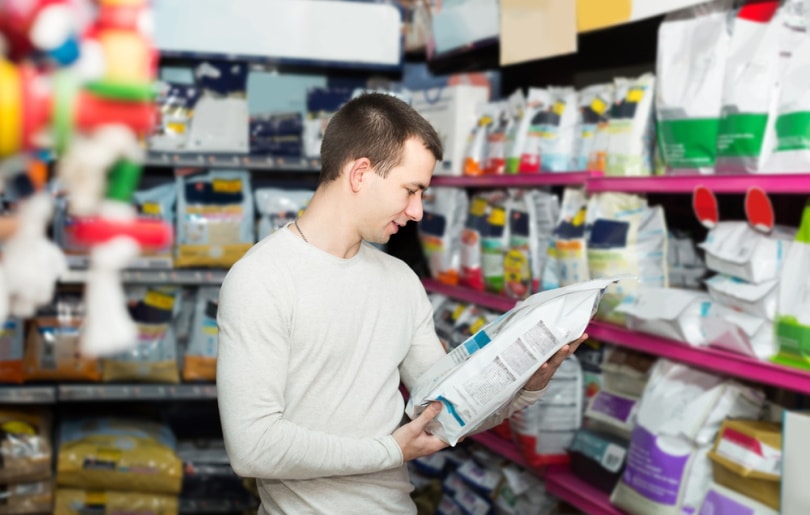
FDA has clear guidelines on how we need to handle and store dog food and upkeep proper maintenance of our dog’s food and water bowls.
Here’s a chart with important FDA-approved guidelines and tips about handling dog food.
| FDA-Approved Guidelines | ||
| Tips for Buying Dog Food | Tips for Preparing and Handling Dog Food | Tips for Storing Dog Food |
| When buying dog food, always check the packaging to ensure that it’s in good condition. Check the expiration date. Look for visible signs of damage, and avoid such products. | Always wash your hands before and after handling dog food. | Either promptly refrigerate or throw away leftover dog food. |
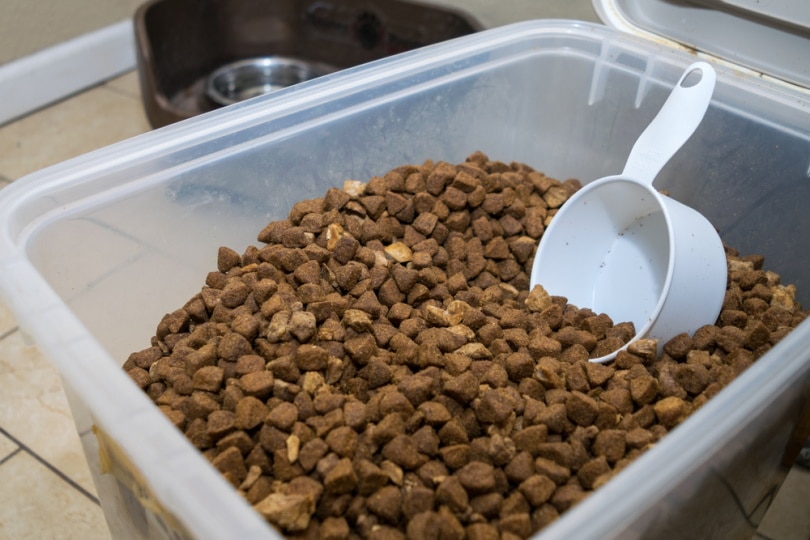
| Never use the food bowl to scoop your dog’s food. Instead, have a utensil ready for scooping the food out of the packaging. | Store dog food packages in a dry and cool location to prevent their nutrients from breaking down. | |
| Wash the utensils and dog food bowl after every use using hot water and soap. | Store the food in its original packaging, and seal the top of the bag by keeping it folded down or using a clip. | |
| Safely get rid of any spoiled dog food, and avoid giving such products to your furry companion. | Keep the food in a safe location where your dog can’t reach it. |
Frequently Asked Questions
What’s the Most Suitable Material for Your Dog’s Food and Water Bowls?
With so many available options for dog bowls, many dog owners are unsure which type of material is the most suitable. Common materials for dog bowls include plastic, bamboo, ceramics, and stainless steel.
However, not all these materials are the same, and some of them are better for your dog than others. Here’s what you should know.
| Plastic | Bamboo | Ceramics | Stainless Steel | |
| Pros | Affordable. Available in various colors, patterns, and sizes. | Eco friendly. Strong, durable, and long-lasting. | Beautiful looking. | Affordable. Easy to clean. Extremely durable. |
| Cons | Bad for the environment. Prone to bacteria build-up. Can contain harmful chemicals. | Could contain toxins. Could harbor bacteria once scratched. | Expensive. Not durable. Possibly dangerous for dogs if they contain toxic glazes or metal-based paints. | No variety in colors and patterns. |
Final Thoughts
If you want to keep your dog healthy and prevent bacteria build-up, you should wash their water bowls every day and their food bowls after every use. That way, you’ll ensure that they will be clean, reducing the chances of many illnesses and health problems.
Featured Image Credit: praditkhorn somboonsa, Shutterstock
Get Hepper In Your Inbox


Pet care tips from our vets and experts, straight to your inbox.
You may opt-out at any time. View our Privacy Policy for more information.
Visnja is a content writer that covers various topics such as DIY, pets, home improvement, travel, gardening, and more.
She is a young mom and a college student, who didn’t have enough time to balance her personal and work life, so after multiple years of working a regular 9 to 5 job, she decided to pursue her passion and make a living out of it. She has been writing for a couple of years, helping people find valuable and interesting information online.
Join the conversation
Ask a question, share your story, or send private feedback.