Hepper is reader-supported. When you buy via links on our site, we may earn an affiliate commission at no cost to you. Learn more.
Will Calming Collars Work for Cats? Vet-Reviewed Effectiveness & Safety


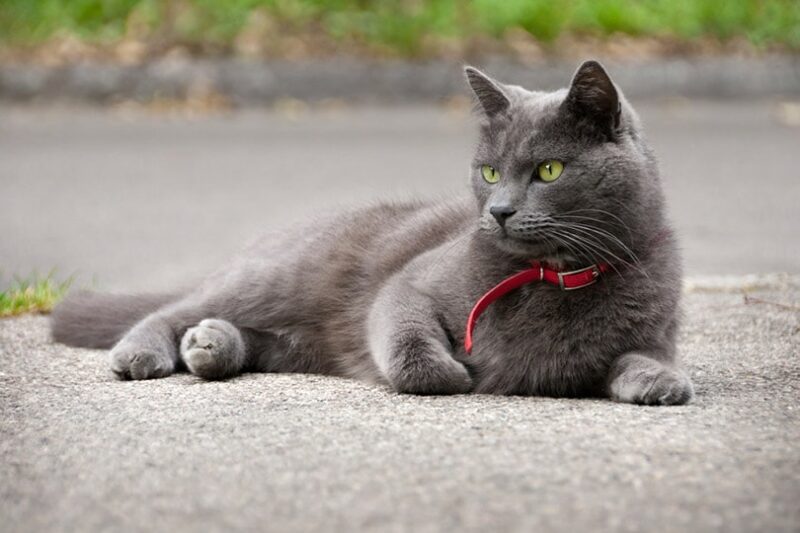
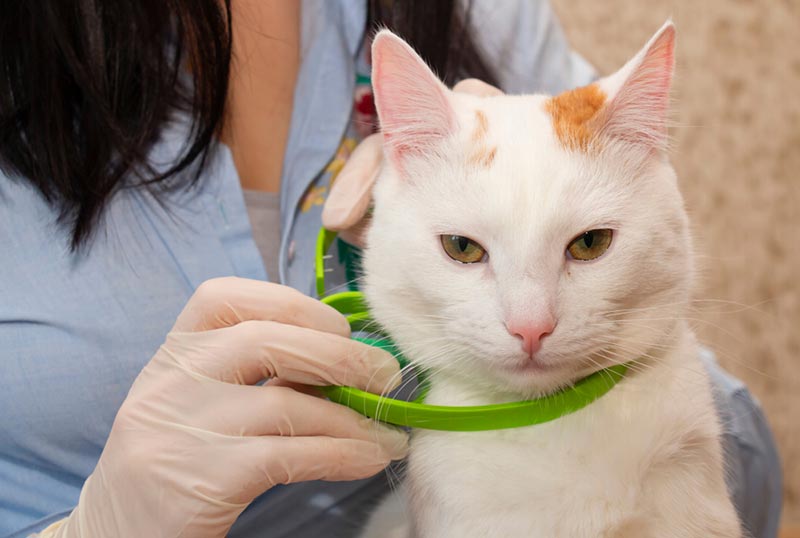
If you share your life with an anxious cat, you’ll likely try anything to help them feel better. There is a wide range of calming products—usually containing pheromone products—on the pet supply market, one of the most popular being cat calming collars. But can these collars actually help soothe a nervous or anxious cat? The short answer is that there’s no way of knowing until you try because they work for some cats but not others.
In this post, we’ll take a closer look at how cat calming collars work and explore what studies have shown and what experts have to say about whether or not pheromone products actually work.

How Do Cat Calming Collars Work?
Cat calming collars are infused with pheromones, which are chemicals that an animal gives off and another receives—it’s a way that animals communicate with one another. The vomeronasal organ picks up on pheromones, which send signals of sorts to the receiver.
Some pheromones can be soothing to cats that are feeling stressed or anxious. For example, mother cats release cat-appeasing pheromones that help relax their kittens, so calming collars are infused with synthetic pheromones that may replicate the calming effect mother cats have on their kittens.
The goal of calming collars is to help relieve stress in cats generally and help prevent destructive behaviors that occur as a result of stress like scratching furniture or urine marking.
To offer a few examples, cat parents may use calming collars when taking their cat to the vet, to alleviate the stress caused by loud noises like fireworks, or to help cats get through a change in routine like moving house.
Cat-appeasing pheromones have been used for a long time under the brand Feliway, and several studies have proven their benefits, however these pheromones are marketed as plug-in diffusers and sprays, not as cat collars.
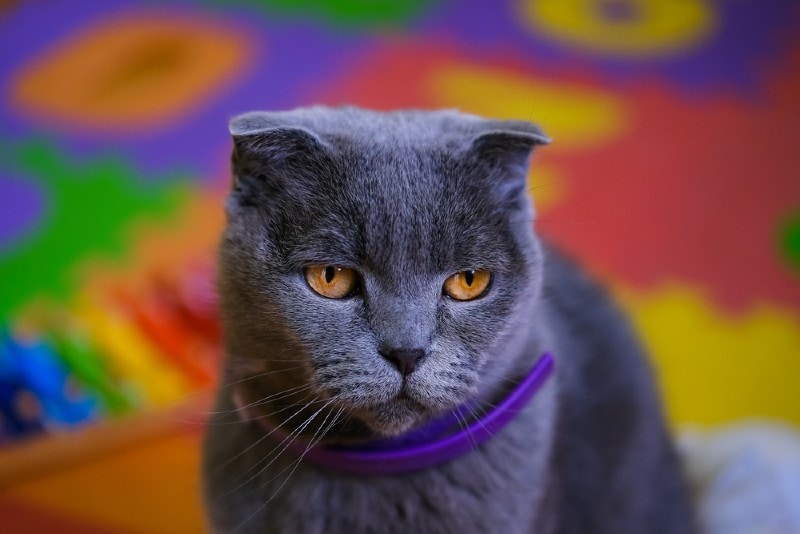
Do Calming Collars Actually Work?
A 2018 study involving the pheromone product brand Feliway was carried out to evaluate whether or not the Feliway Friends diffuser could reduce aggression in cats that live together. The results showed a decrease in aggression, and it was concluded that the use of cat-appeasing pheromones to reduce aggression is “promising”.
A separate study showed that Feliway spray can reduce stress caused by visits to a veterinarian’s office, which makes things easier on both the cat and the vet, On the basis of these studies, it appears that pheromone products can effectively reduce stress in some cats— ”some” being the operative word.
According to cat behavior consultant Mikel Delgado, cat calming collars work for some cats but not all cats. Some users on online forums have reported that calming collars have been effective in reducing their cats’ stress, whereas others have said they didn’t see any difference at all when they tried it out on their cats. For this reason, there’s no guarantee that a calming collar will work for your cat.
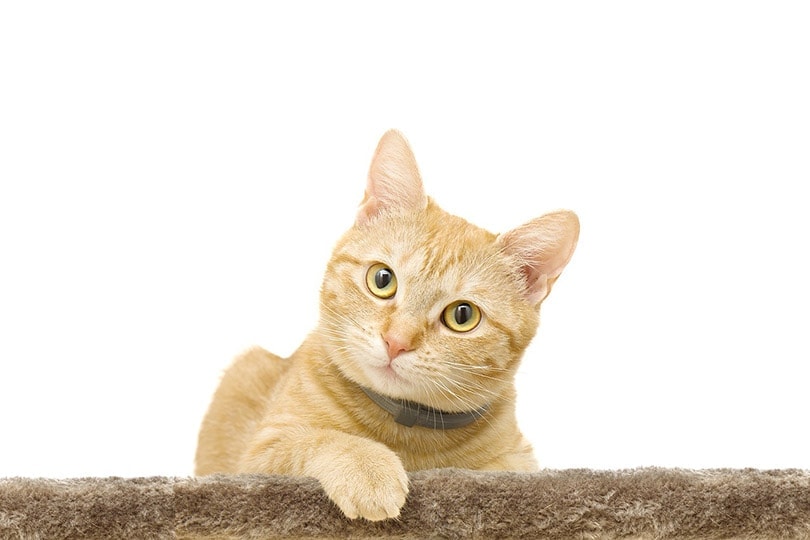
Are Calming Collars Safe?
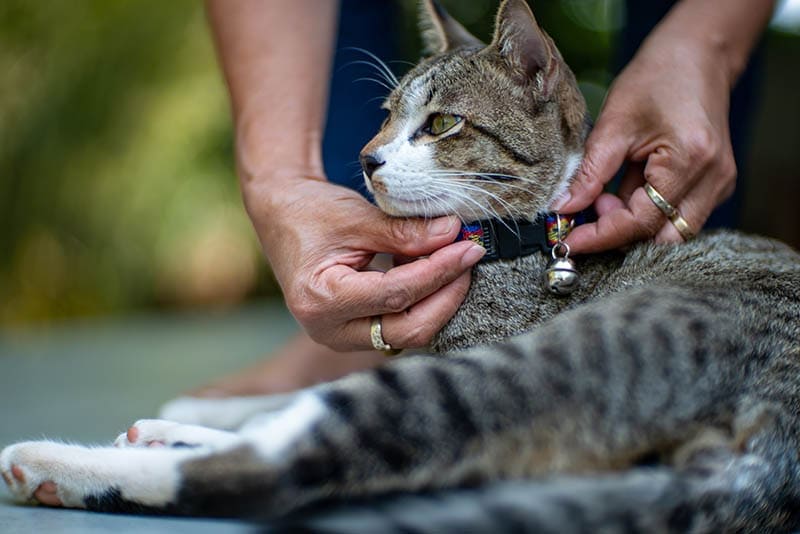
The pheromones in calming collars are technically safe—there haven’t been any reports of cats suffering ill effects from them. The only way cat calming collars might be dangerous is if they cause a reaction in your cat’s skin or if they get caught on something and your cat ends up trapped or injured as a result.
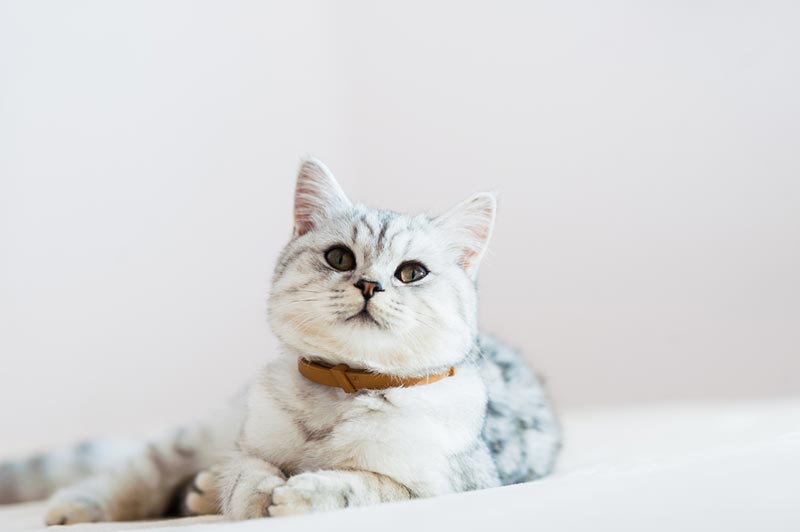
There are calming collars with a breakaway design in case your cat does get caught on something, so you should consider one of these if you decide to get a calming collar. It’s also a good idea to be on hand to supervise your cat while they’re wearing the collar if possible, just in case.
Conclusion
To cut a long story short, a cat calming collar may or may not help your cat to feel less stressed and reduce stress-related behaviors like scratching or urine marking, however other reliable pheromone products in the form of spray or plug-in may indeed work. Cat parents have reported different experiences with calming collars, with some reporting a notable decrease in their cat’s stress or stress-related behaviors and some reporting no effects at all.
If you’re concerned that your cat may be suffering from feline anxiety or is consistently displaying stress-related behaviors, please consult your vet or a cat behaviorist for advice.
Sources
Featured Image Credit: Tinka Mach, Shutterstock
Get Hepper In Your Inbox


Pet care tips from our vets and experts, straight to your inbox.
You may opt-out at any time. View our Privacy Policy for more information.
Kit Copson is a freelance writer and lifelong animal lover with a strong interest in animal care. She has parented various furry beings over the years and is currently a proud cat mom of two—one skittish but adorable Domestic Shorthair and very chilled (unless hungry) Siamese and a —and dog mom of one—an adopted Bichon Poodle cross. When not writing about or spending time with pets, Kit can be found doodling in her sketchpad, reading, or more often than not, drinking tea.
Join the conversation
Ask a question, share your story, or send private feedback.