Hepper is reader-supported. When you buy via links on our site, we may earn an affiliate commission at no cost to you. Learn more.
Can a Maltese Be a Service Dog? Facts & FAQ


In this article
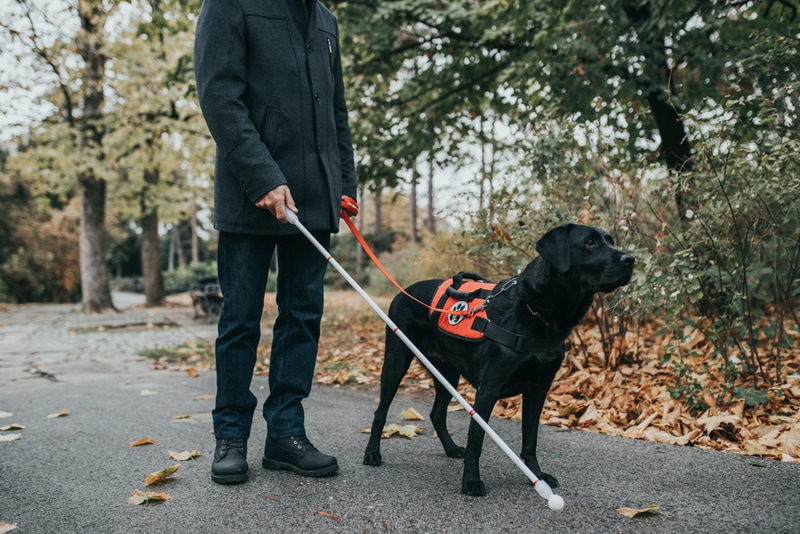
If asked to imagine what a service dog looks like, many may picture a Golden Retriever, Labrador, or German Shepherd. Fortunately, it’s a misconception that only these breeds can be service dogs, so, if you’re hoping to get your Maltese trained up as one, that’s entirely possible. According to ADA guidelines, any dog breed can become a service animal.
In this post, we’ll explore why a Maltese would make an excellent service or emotional support dog and address some common misconceptions about service dogs.

Would a Maltese Be a Good Service Dog?
There’s absolutely no reason why not, as long as they have certain personality traits (more on this further down) and are well-trained and socialized. Maltese dogs are often very devoted to their human companions as well as being intelligent and eager to please, which makes them fairly easy to train with positive reinforcement and consistency.
Of course, a Maltese won’t be suited to physically demanding tasks like pulling wheelchairs, and they’re rather small, so they won’t be able to help someone with their balance, but they could certainly be trained to give the alert if someone is unwell (i.e. experiencing a seizure) or learn how to fetch items that someone needs, like packets of medicine.

What Traits Should a Service Dog Have?
Dogs need to have certain abilities and personality traits to fit well into the service dog role. As mentioned, a Maltese isn’t exactly a powerhouse in terms of strength, so they’re not cut out for very physical tasks, but they’re often intuitive, faithful, and very loving, which gives them the potential to be great service dogs in other ways.
Personality traits and skills of a good service dog include:
On the other hand, dogs that are reactive, hyperactive, or easily scared or distracted won’t make good service dogs, because service dogs need to be very calm, consistent, focused, and reliable.
Does a Service Dog Have to Undergo Official Training?
No, you are at complete liberty to train your service dog yourself if you don’t want to go through a professional training program, and, as per ADA guidelines, you don’t need to prove that your service dog has been trained with any sort of certification. That said, certification services do exist, but they don’t afford you any more rights than someone who does not get their service dog “certified”.

What Do Emotional Support & Therapy Dogs Do?
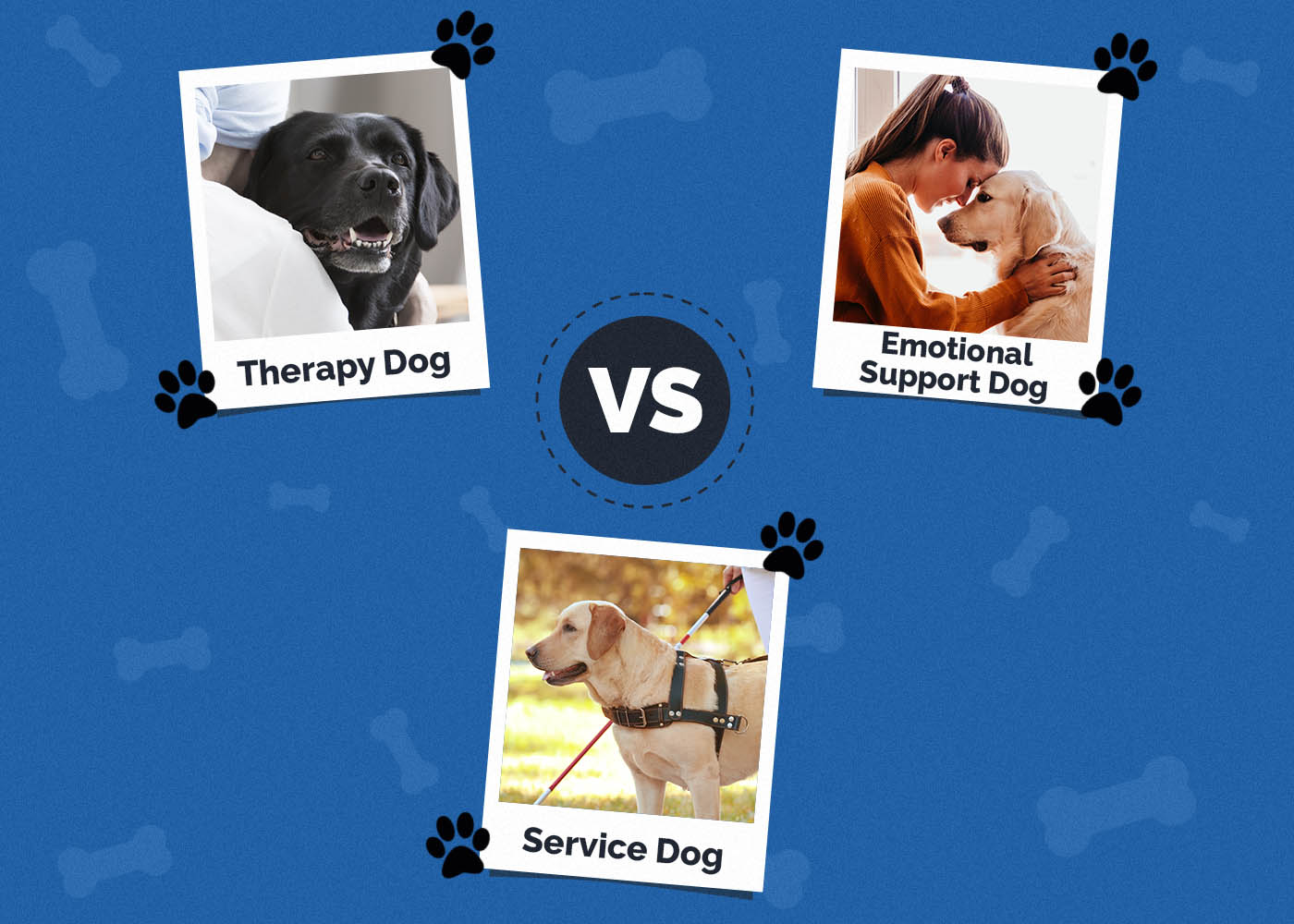
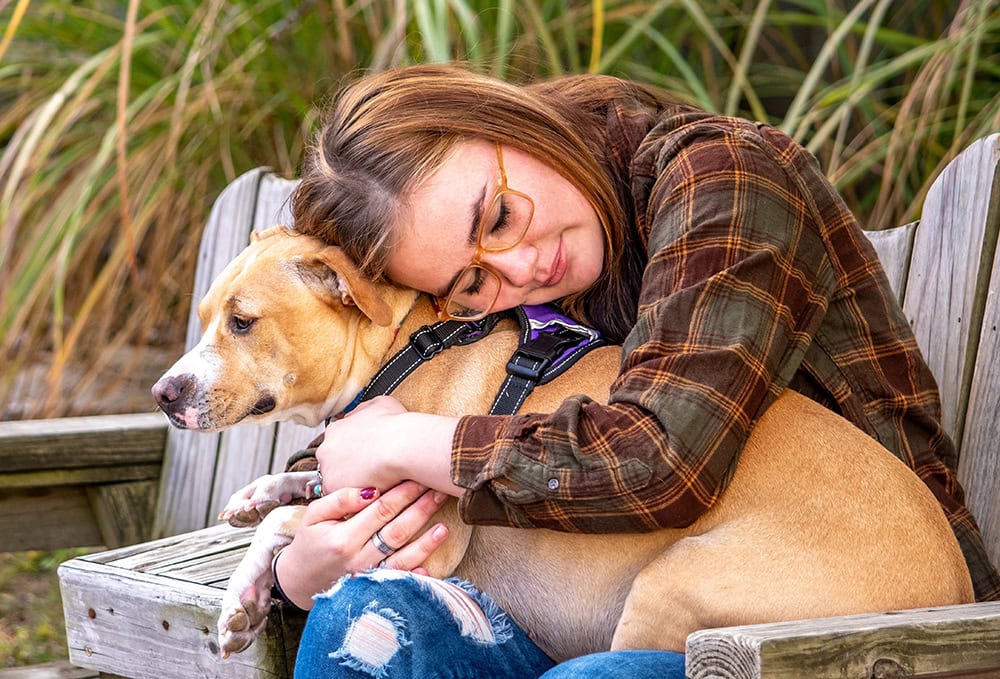
Service dogs are trained to support their owners by performing certain tasks, whereas emotional support animals help reduce the mental and emotional symptoms of a disability or condition, like anxiety and stress. Animals other than dogs can also be emotional support animals, but service animals can only be dogs.
Therapy dogs also provide emotional support with their presence alone, but they are typically trained to behave calmly in a variety of environments, like schools and hospitals. Some people volunteer their dogs as therapy dogs through special programs and organizations. As with emotional support animals, animals other than dogs can also be therapy animals, including cats, horses, and rabbits.
In addition to service dogs that support people with physical conditions, there are also psychiatric service dogs trained to support people with mental health conditions or learning disabilities. Psychiatric service dogs are recognized as service dogs by the ADA. This is in contrast to emotional support dogs and therapy dogs, as the ADA does not consider these dogs to be service dogs.

Common Service Dog Misconceptions
Here, we’ll share and explore further some of the most common misconceptions about service dogs.
Service Dogs Must Be Registered
One of the most common misconceptions is that service dogs must be registered on some sort of official system —this is untrue. However, if your city requires all dogs to be registered in some way, this also applies to service dogs. The same goes for vaccinations.

Certain Breeds Cannot Be Service Dogs
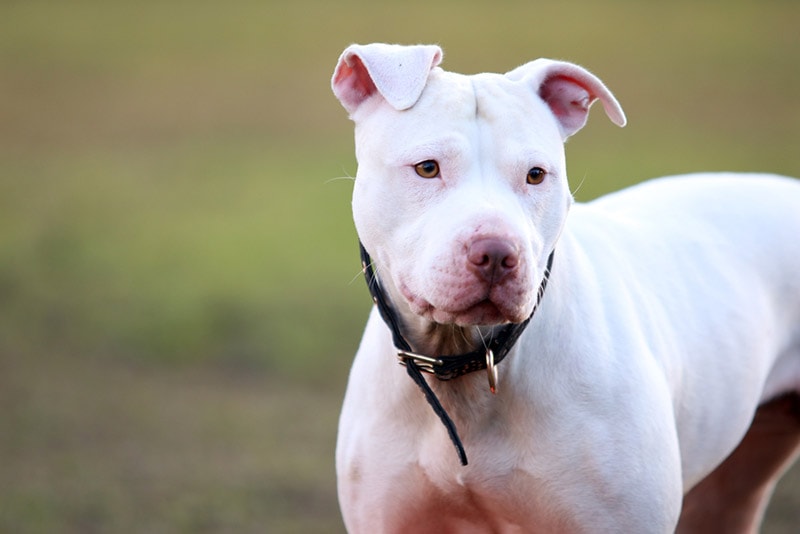
This is false. A good service dog isn’t determined by breed, but by whether or not the dog has the right disposition and, in some cases, enough physical strength to perform certain tasks. Some may think that pit bulls, for example, can’t be service dogs, but they absolutely can. From the biggest to the very tiniest, dogs of any breed can be service dogs.
Service Dogs Only Help People Who Are Deaf or Blind
Service dogs can be trained to support people with a wide range of physical and psychiatric conditions, including (but not limited to) epilepsy, autism, diabetes, sleep apnea, depression, anxiety, PTSD, multiple sclerosis, and Parkinson’s disease.
All Service Dogs Wear Vests
Service dogs are not required to wear a vest or any kind of identification that indicates that they are service dogs. Some people choose to have their service dog wear a vest as it lets those around them know that the dog is performing specific duties.
Vests can help discourage people from petting the dog without permission (which may distract the dog from the person in need of support). They also show that the dog has the right to be in certain locations where dogs aren’t usually allowed.
Final Thoughts
So, Maltese can absolutely be a service dog as long as they have a calm disposition, can avoid getting distracted in a variety of environments and situations, and can effectively perform the duties the owner needs support with. Maltese dogs also make wonderful emotional support and therapy dogs thanks to their gentle and intuitive nature.
Sources
Can a Maltese Be a Service Dog? - Service Dog Certifications
Frequently Asked Questions about Service Animals and the ADA | ADA.gov
8 Misconceptions About Service Dogs and Those Who Use Them – Kinn Inc.
Service, Working,Therapy, Emotional Support Dogs: Which Is Which?
Psychiatric Service Dogs: How They Can Help People with Anxiety
Featured Image Credit: RitaE, Pixabay
Get Hepper In Your Inbox


Pet care tips from our vets and experts, straight to your inbox.
You may opt-out at any time. View our Privacy Policy for more information.
Kit Copson is a freelance writer and lifelong animal lover with a strong interest in animal care. She has parented various furry beings over the years and is currently a proud cat mom of two—one skittish but adorable Domestic Shorthair and very chilled (unless hungry) Siamese and a —and dog mom of one—an adopted Bichon Poodle cross. When not writing about or spending time with pets, Kit can be found doodling in her sketchpad, reading, or more often than not, drinking tea.
Join the conversation
Ask a question, share your story, or send private feedback.