Hepper is reader-supported. When you buy via links on our site, we may earn an affiliate commission at no cost to you. Learn more.
Black Havanese: Facts, Origin & History (With Pictures)
In this article
Havanese are the only dog native to Cuba, where they developed from the now-extinct Blanquito de la Habana. While the development of this breed isn’t well documented, it is believed the original, small dog of Cuba was interbred with European breeds like the Poodle. Eventually, this interbreeding led to the creation of the Havanese.
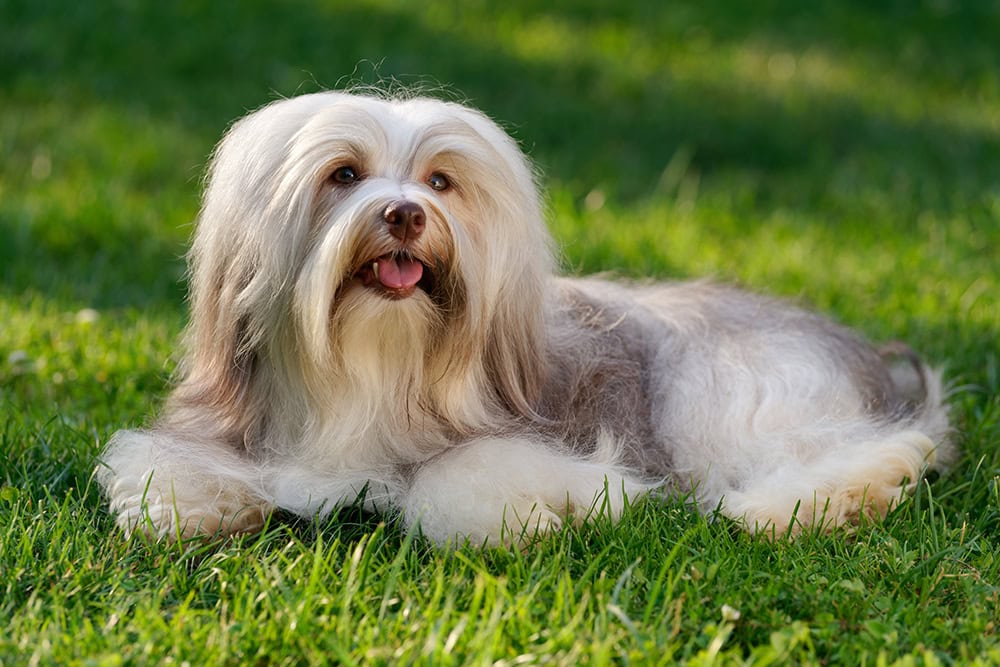
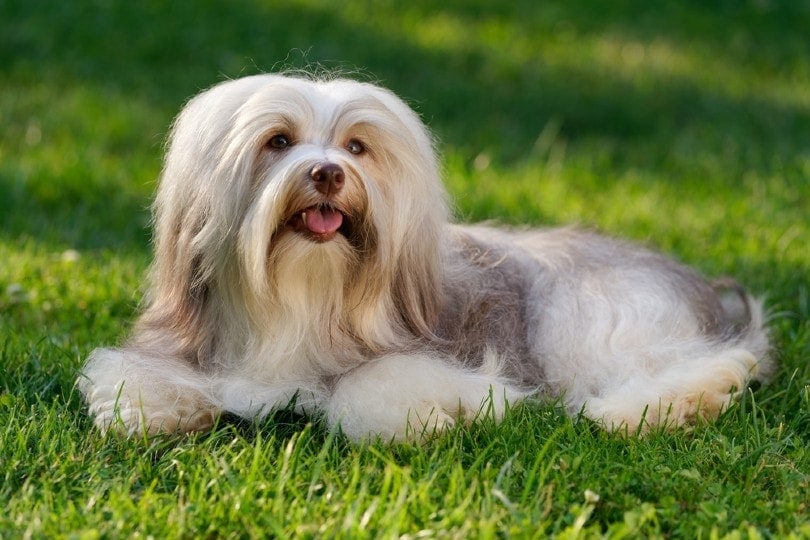
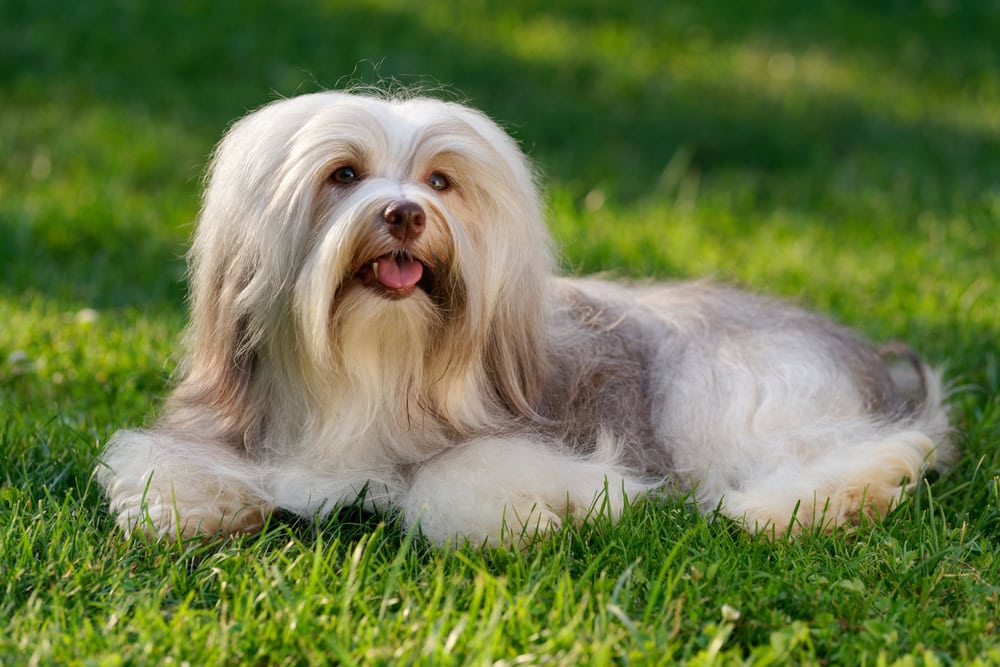
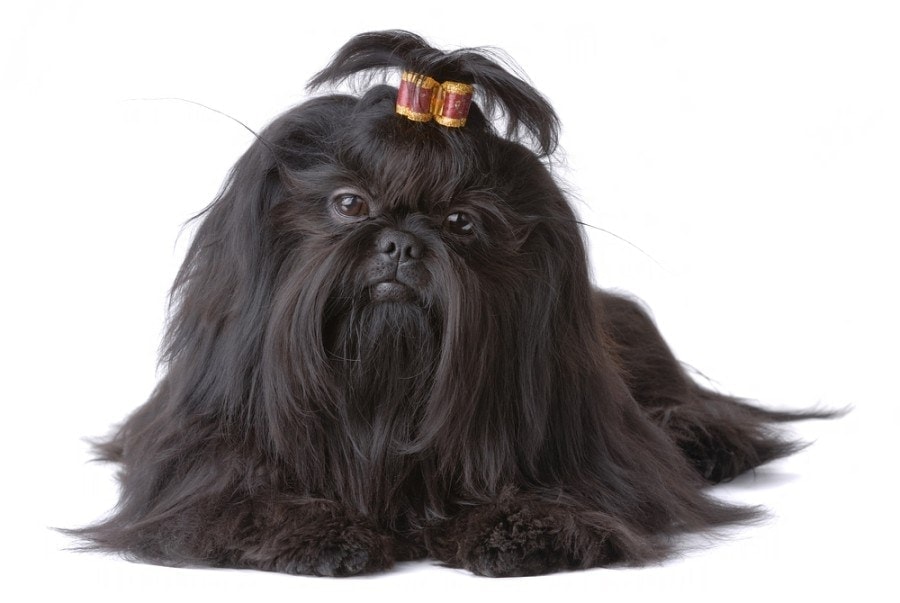
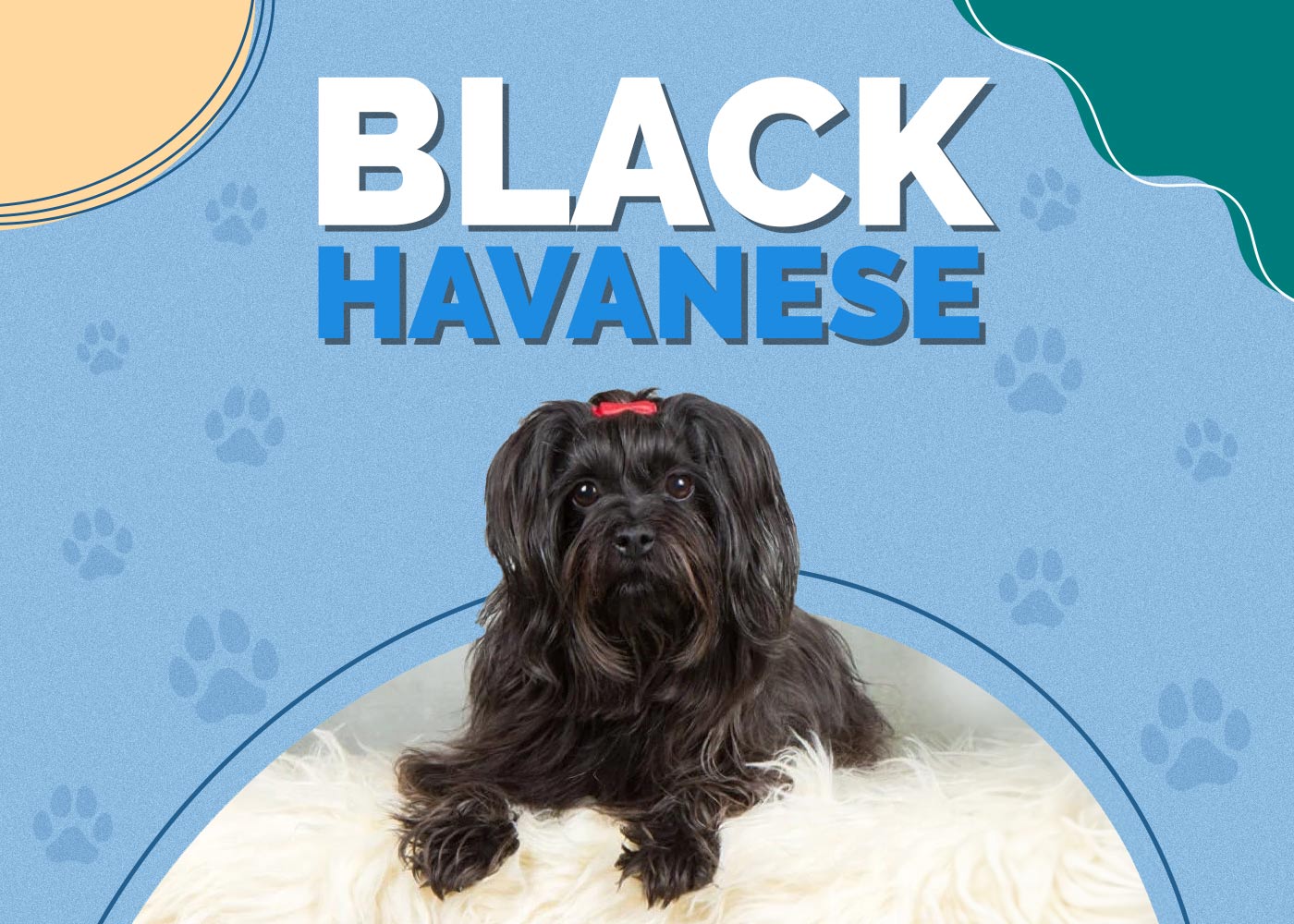
This dog breed is accepted in any color, including black. Because so many different colors exist, finding a puppy of one particular color may be challenging. The black Havanese share the same history and temperament as the other colorations.

The Earliest Records of the Black Havanese in History
The Havanese belongs to the bichon family of dog breeds. This family originates from Tenerife, a small island in Spain. Initially, dogs from this island likely ended up in Cuba with their masters. (There are also some claims that bichon breeds originated from Malta. However, the dog likely ended up in Cuba through European settlers.)
Therefore, this breed isn’t technically “native” to Cuba like other South American dog breeds. However, they did develop independently after being transplanted onto the island.
How the Black Havanese Gained Popularity
For a long time, the dog breed was largely contained within Cuba. Dogs were not easy to get out of the country, so getting one was challenging for anyone outside of Cuba. Furthermore, many average Americans and Europeans didn’t know dogs existed for many years.
The dog began gaining a little popularity after the Cuban Revolution. At this point, many Cubans left Cuba, and some did take their dogs with them. However, many families were forced to leave their dogs behind, so there still weren’t many Havanese in America (or any other country outside of Cuba, for that matter).
In the 1970s, some Americans became interested in the breed. Some breeders attempted to track down Havanese within America to start a breeding program. However, only 11 dogs were found.

Formal Recognition of the Black Havanese
The American Kennel Club didn’t recognize the Havanese until 1996. At this time, all colors of the dog were recognized. The breed was never “carefully” bred until recently. Therefore, the dog wasn’t contained to only a few colors. Today, they’ll still be available in many colors, including black.
A few American dog breeders specialize in the Havanese and have been able to develop the breed back from extinction. Slowly, other dogs were obtained internationally, though most Havanese in America today are related to the 11 that were originally in the country’s breeding program.
In 2013, the Havanese was rated the 25th most popular dog in the United States. Of course, that includes all colors, not just black.

Top 5 Unique Facts About the Black Havanese
1. The Havanese is the only dog breed native to Cuba
Cuba didn’t have any native dogs originally. However, European settlers did bring their dogs with them. These canines eventually bred and created the Havanese. Most American Havanese come from America today, as getting dogs out of Cuba is nearly impossible.
2. Most Havanese come from the same 11 dogs
When breeders decided to create a Havanese breeding program in the United States, they searched for dogs already within the US (as finding dogs internationally was difficult). They could only find 11 dogs—many related to each other. Today, many of the dogs in the US are related to these original 11.

3. They belong to the Bichon family
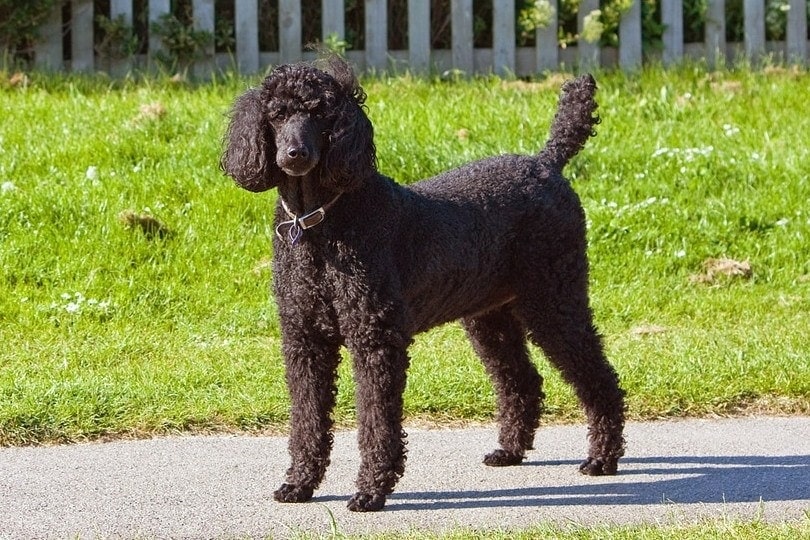
These dogs were native to Cuba. Instead, they are related to the Bichon family of dog breeds, which comes from Spain. They are related to many modern breeds, such as the Poodle, which belong to the same family.
4. Their coat isn’t warm
Despite being rather long, their coat isn’t very warm. Instead, it provides a barrier against the sun and is extremely lightweight. Therefore, it doesn’t do much to keep them warm in colder climates. They were bred for tropical weather, and their coat makes that obvious.

5. The breed is rather new to the AKC
Despite being a relatively older breed, the Havanese was only accepted in the AKC recently. It took a long time for the Havanese to develop into a dog breed in America because getting dogs out of Cuba was challenging. Therefore, breeders were working with a small number of dogs.

Does the Black Havanese Make a Good Pet?
Havanese were bred as companion animals from the start. Therefore, they have many traits the average dog owner is looking for. They’ve very people-oriented and often attach themselves closely to at least one person. Their people-oriented nature makes them prone to separation anxiety, though. They don’t do well at home by themselves all day. Therefore, they work best for families that have at least one individual home most of the time. They’re commonly described as “Velcro dogs.”
They don’t have huge exercise needs and their exercise requirements can be met easily in a house or small yard. Their somewhat prone to getting cold, so they do best in warmer areas.
Havanese are extremely friendly but aren’t as yappy as other dogs. They will alert their owners to approach people, but they won’t bark continuously. They have lively personalities and love to play. They’re good with older children, though their small size makes them prone to injuries by toddlers.

Summary
The Havanese comes in all sorts of different colors, including black. This breed is Cuba’s only native dog, and it took a long time for the Havanese to become popular outside of Cuba. Today, they’re increasingly popular dogs in America due to their lively, affectionate personalities. They’re companion animals through and through.
They are somewhat prone to separation anxiety, so they do best in larger families where someone is home for much of the day. They’re often called “Velcro dogs” for a reason!
They do have high grooming requirements, though many owners choose to have them clipped short. Their coat doesn’t do much to keep them warm, so clipping them has no negative effects. It makes grooming less of a challenge, as well.
Also see: Best Dog Shampoos - Reviews & Top Picks
Featured Image Credit: Sandra Huber, Shutterstock
Get Hepper In Your Inbox


Pet care tips from our vets and experts, straight to your inbox.
You may opt-out at any time. View our Privacy Policy for more information.

Kristin is passionate about helping pet parents create a fulfilling life with their pets by informing them on the latest scientific research and helping them choose the best products for their pets. She currently resides in Tennessee with four dogs, three cats, two fish, and a lizard, though she has dreams of owning chickens one-day!
Join the conversation
Ask a question, share your story, or send private feedback.