Hepper is reader-supported. When you buy via links on our site, we may earn an affiliate commission at no cost to you. Learn more.
14 Fascinating Black-Footed Ferret Facts

In this article
Black-footed ferrets are certainly intriguing creatures in the wild that differ very much from their domesticated cousins. If you are a ferret lover or have some ferrets of your own, you might want to know more about the different species and where they came from.
In this article, we'll explore all the fun facts about black-footed ferrets so you can better understand and appreciate these endangered critters.

The 14 Fascinating Black-Footed Ferret Facts
1. Black-Footed Ferrets Are Native to North America
You might look at these exotic creatures and wonder where they came from. You might not know that they come from North America's plains! So, for many of you reading, their native land is close to home.
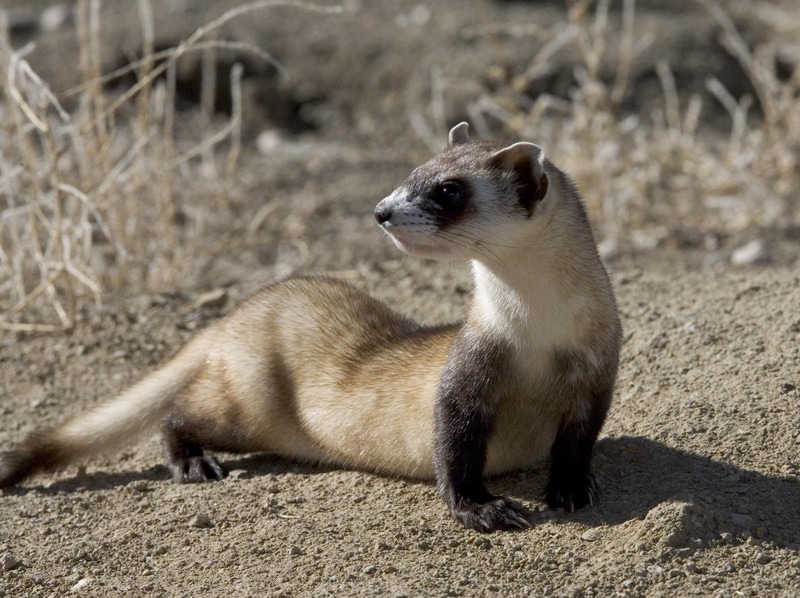
They mostly range in Wyoming, Montana, Arizona, and South Dakota. They are the only ferret species to exist in North America. Although, similarly related animals are found around the States, including the weasel, mink, fisher, ermine, and marten.
2. Black-Footed Ferrets Are the Only Ones of Their Kind
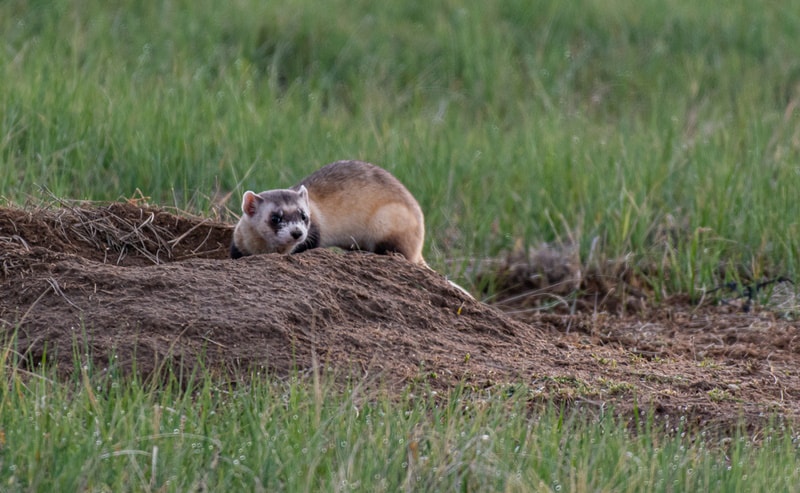
You might be thinking that black-footed ferrets are cool, but where are all the rest? Surprisingly, black-footed ferrets are the only ferrets to exist in the wild in the States, and only two others exist in the world. Many other weaselly-type creatures resemble a ferret, but none of them fall under this title.
All domestic ferrets you see today stem from polecats—and not black-footed ferrets, despite the tricky name. European polecats and Siberian polecats are both ferret breeds also, and the only other two to exist in the world.
3. Black-Footed Ferrets Are Listed as Endangered
While conservation efforts are implemented to raise the numbers of black-footed ferrets in the wild, these creatures remain endangered. It is estimated that there are around 350 black-footed ferrets in the wild.
Unfortunately, humans are the biggest threat to this species. These creatures are having their habitats stolen by modern farming and residential development. Because they are endangered, people are not allowed to own black-footed ferrets as pets.
4. Black-Footed Ferrets Are Very Flexible
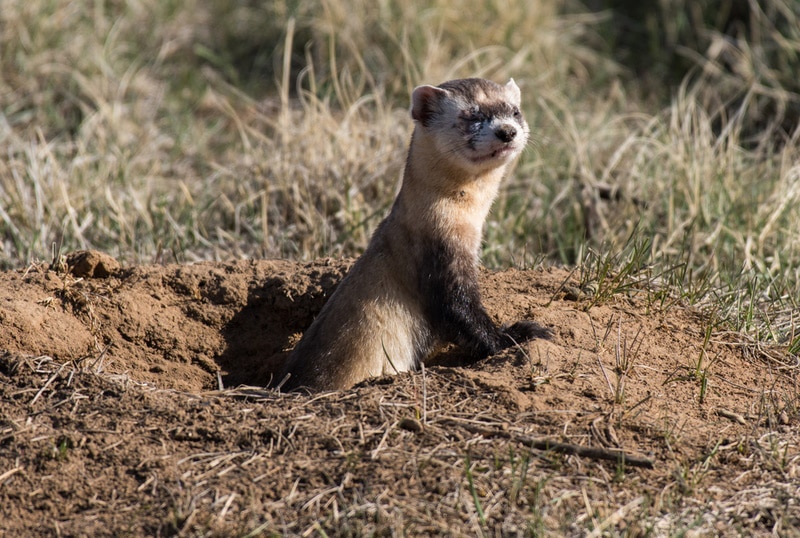
This one might come as no surprise if you know anything about a domestic ferret. Black-footed ferrets are incredibly flexible in nature. Their build is what helps them weasel their way into confined spaces such as other animals’ burrows.
5. Black-Footed Ferrets Have a Very Specific Diet
Black-footed ferrets are strict carnivores—and they are downright lethal! Their diets are also very particular, comprising of 90% prairie dogs! Not only do they steal prairie dogs' homes, but they also consume prairie dogs and their young. A single ferret can consume 250 prairie dogs in a single year!
While this sounds sad, prairie dogs are often considered pests and are eradicated by other means than humans alone. So, ferrets do their part to help keep prairie dog populations under control.
The other 10% of a black-footed ferret’s diet includes animals like mice, squirrels, and other members of the rodent family. They may also snack on certain reptiles and amphibians. These critters are opportunistic eaters and won't turn away an available meal.
6. Black-Footed Ferrets Have Very High Metabolisms
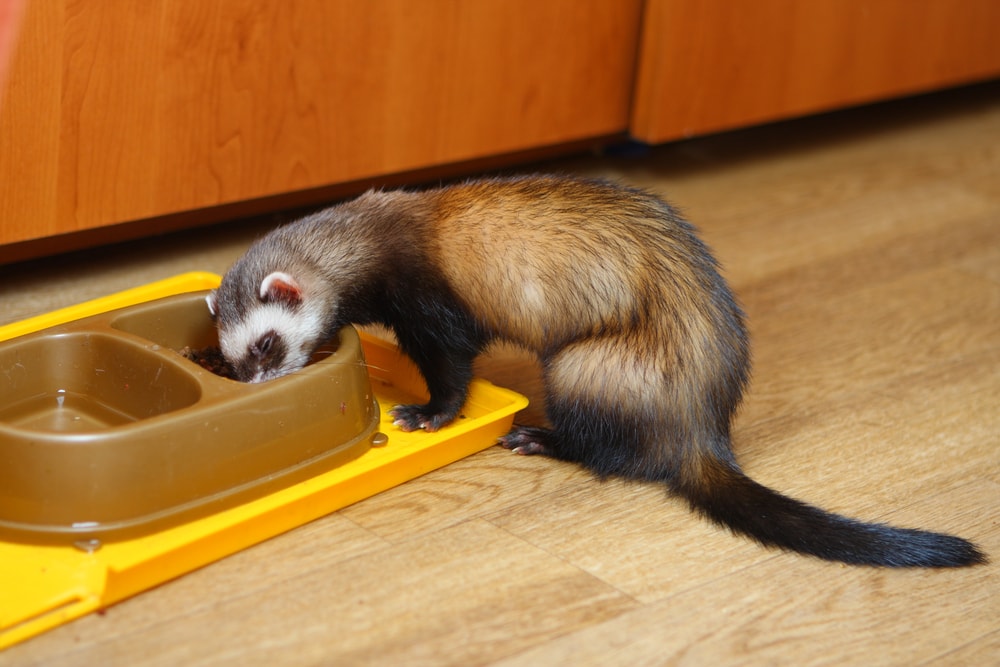
These carnivorous creatures require a lot of food daily to keep up with their high metabolism. The seasons usually influence how much or how little a ferret eats. On average, they consume a prairie dog every 3 days.
7. Black-Footed Ferrets Don’t Live Long in the Wild
Because black-footed ferrets are both predator and prey animals, they only live for a short time in the wild. They get eaten by larger animals like bobcats, coyotes, foxes, and badgers. They can also fall victim to predators of flight, like owls, eagles, and hawks.
8. Black-Footed ferrets Are Loners
You might look at your ferret pile at home and wonder how these creatures interact with each other in the wild. After all, they're all somewhere conjured up in a den, snuggling on top of one another, right? Wrong!
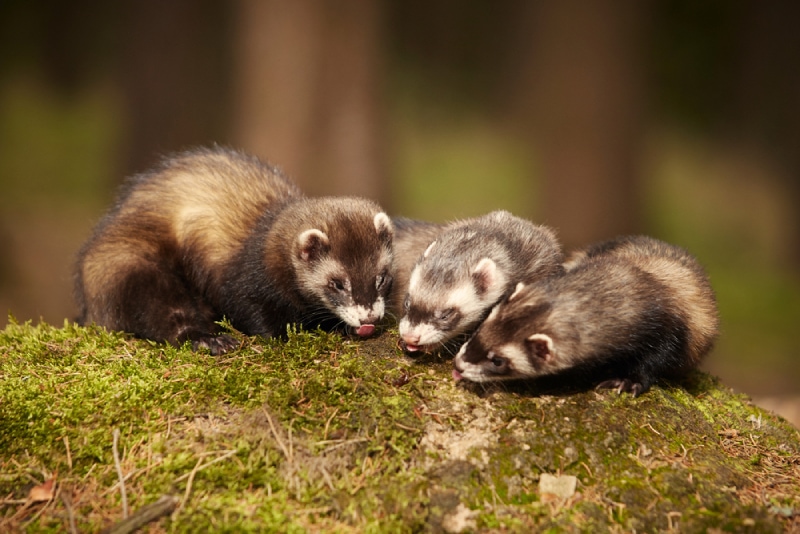
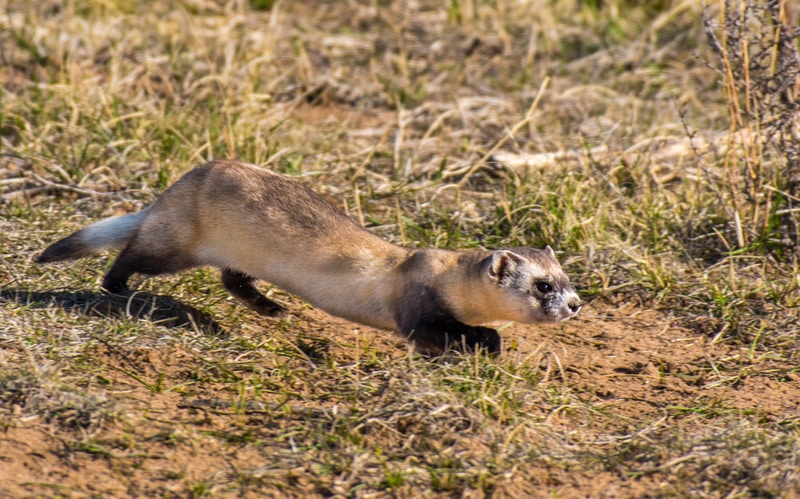
Black-footed ferrets are actually highly solitary. They generally come together for breeding purposes only. Mothers stay with their young until the fall before going their separate ways. They will learn to hunt and then eventually live in individual burrows until roughly September.
Young ferrets are usually very social and playful with one another. However, as sexual maturity comes, so does social structure and personality changes.
9. Black-Footed Ferrets Prefer Open Grasslands
Because of their long, slender bodies, black-footed ferrets can easily tunnel into the earth. These critters prefer open grasslands and roam the plains and dip into the ground for cover if needed.
Their slinky bodies also help them navigate through low brush and meadow grasses. They can quickly outrun a predator based on movement alone.
10. Black-Footed Ferrets Are Highly Vocal
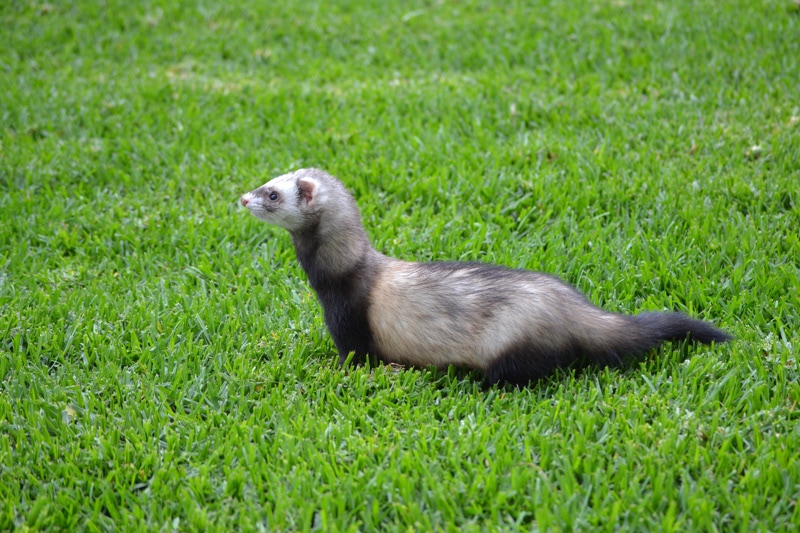
If you're not out in the wild much, you probably don't know that black-footed ferrets are extremely vocal! While they might not be the most social animals, they certainly don't mind creating a ruckus.
Often, these ferrets use chatter to sound an alarm call. They can also hiss from fear or whimper to their young. During the breeding season, males also use a " chortle " sound to court females.
11. Black-Footed Ferrets Breed in the Spring
Black-footed ferrets only come together to create offspring. They breed in the early spring months, between March and April. The gestation period for these ferrets is 41 to 43 days, and they usually have 3 to 5 kits with each litter.
12. Baby Black-Footed Ferrets Are Helpless at Birth
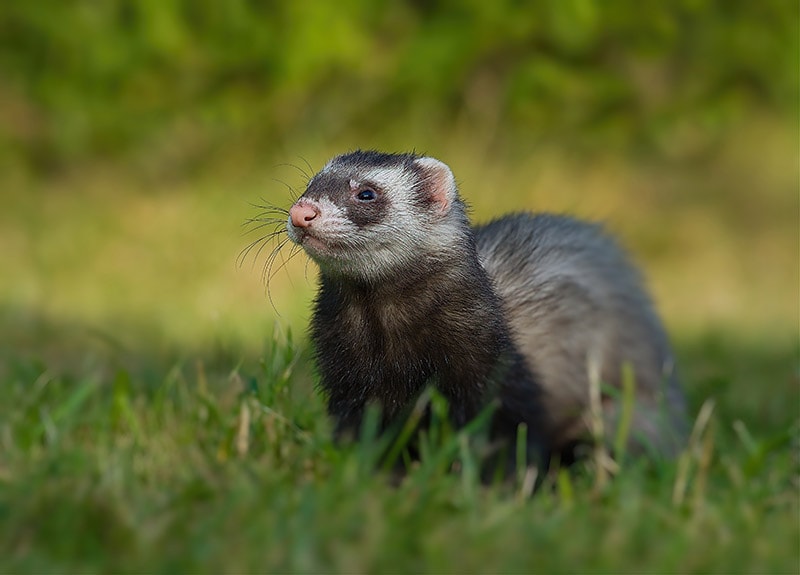
When baby ferrets come into the world, they are born blind, deaf, and white. As they age, they develop their senses and color, coming into themselves around the 1-month mark. By 42 days, these little ones come above ground but stay with their mother until fall.
13. All Black-Footed Ferrets Today Descended from a Single Colony
These animals were once thought to be extinct. Luckily, 18 of these critters were captured to establish a new breeding colony. All modern-day black-footed ferrets descended from this colony, but remain endangered, as we discussed earlier in the article.
14. Black-Footed Ferrets Are Mostly Nocturnal
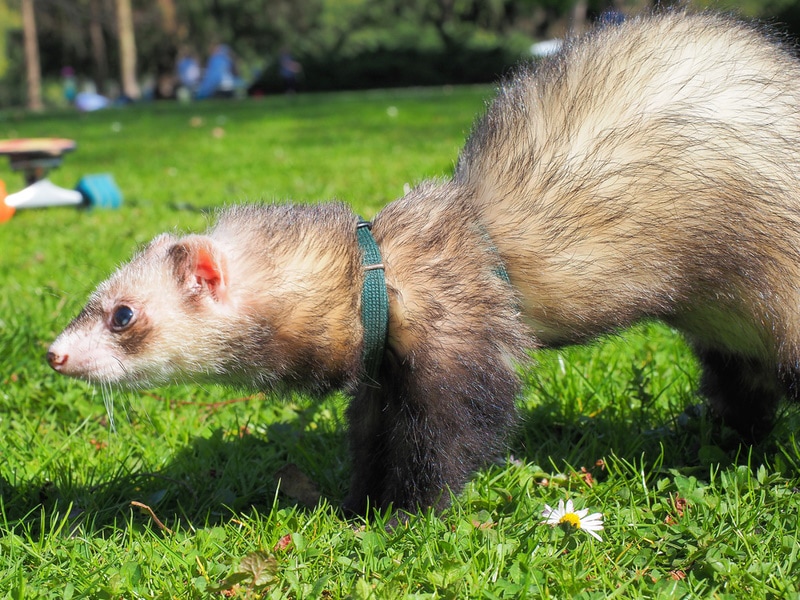
For hunting purposes, ferrets are mostly nocturnal, only usually out in the morning to find mates or prey.

Black-Footed Ferret Categories
- Class: Mammalia
- Order: Carnivora
- Family: Mustelidae
- Genus: Mustela nigripes
The Domestication of Black-Footed Ferrets
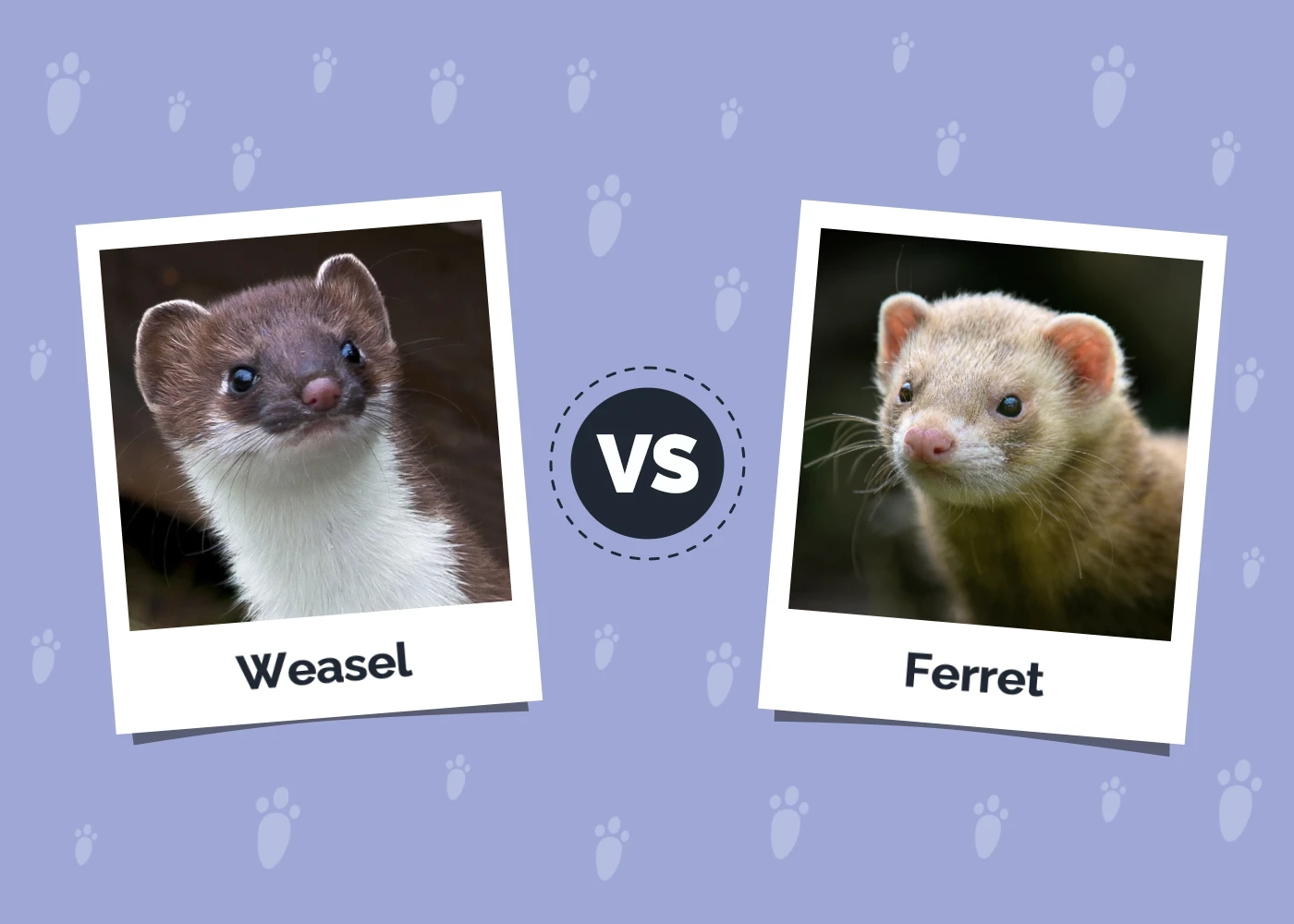
You might think that because black-footed ferrets come from the United States, and they're so similar to their domestic cousins, that they're the same species. You might also think that this is where our current domestic ferrets derive from because black-footed ferrets are the only ferret population to exist in the US.
Interestingly, domestic ferrets came from European polecats bred down from generation to generation.
How exactly did the black-footed ferret go from wild predator to spoiled house pet? They didn't; they’re not allowed to be kept as pets. These ferrets are still roaming the plains in the United States, helping to control prairie dog populations.

Conclusion
Black-footed ferrets might look cute and cuddly, but they are anything but! These small but mighty predators continue to roam the plains, but their population is endangered due to industrialization and farming.
Like weasels and other similar species, these carnivores steal tunnels and burrows from other animals and kill rodents and many other small animals for food. It is pretty nifty that this ferret stands alone, being the only species of its kind in the US.
Sources
Featured Image Credit: Piqsels
Get Hepper In Your Inbox


Pet care tips from our vets and experts, straight to your inbox.
You may opt-out at any time. View our Privacy Policy for more information.
Ashley Bates, a freelance writer with a passion for pets, is currently studying animal therapy. She is a mother to four children and 23 pets, both furry and feathery. Ashley actively volunteers at local shelters, advocates for animal welfare, and rescues animals in distress. Her mission is to promote awareness, education, and entertainment about pets to help prevent animal homelessness. She specializes in the care and well-being of dogs and cats.
Join the conversation
Ask a question, share your story, or send private feedback.