Hepper is reader-supported. When you buy via links on our site, we may earn an affiliate commission at no cost to you. Learn more.
Can Cats Have Autism? Our Vet Explains Facts, Signs & Diagnosis

In this article
Autism is a brain disorder typically seen in humans. It has an effect on behavior, communication, and social interactions. Some owners feel that their cat displays similar clinical signs to humans that have been diagnosed with autism. Can cats be diagnosed with autism as well? The short answer is no. Read this vet-written guide to find out why.

What is Autism?
Autism, or Autism Spectrum Disorder (ASD) is a developmental disorder seen in humans. Humans with autism are thought to have structural differences in their brains. Clinical signs of autism in humans include challenges with speech, difficulty with social interaction and communication, differences in attention span, displaying repetitive behaviors, and adopting different ways of moving and learning.
Some people believe that cats are capable of displaying similar clinical signs, therefore assuming that cats can also be autistic. Owners often have tendencies to anthropomorphize their cats, meaning they attribute human behaviors and characteristics to the cat despite the fact cats are not capable of experiencing the same levels of emotion and awareness that humans do. It is often the case that there is a simple, logical explanation for the behavior displayed by the cat and owners are anthropomorphizing them and making it seem like a more complex issue.
Autism In Humans
Autism is a lifelong developmental disability affecting humans. It alters the way humans interact with their environment and other people in it. Autism is a complex and multifaceted condition, and it can vary a lot in severity. Some affected humans lead normal lives. For others, it is a debilitating condition where they require lots of additional support to function in society.
Difficulties autistic humans encounter include:

Reasons Owners Might Think Their Cat Has Autism
There are lots of alternative explanations for apparent autistic traits in cats. There has been no scientific research to suggest cats can be diagnosed with autism. Having said this, cats do sometimes display characteristics or traits that may mimic humans with autism. All of these can be explained in simple terms. Let's bust some myths:
1. Independence
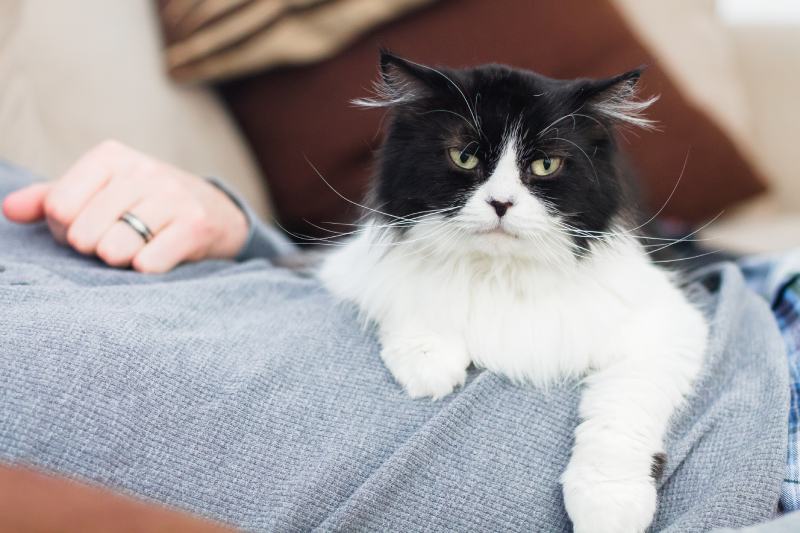
One of the symptoms reported frequently in humans is a lack of social interaction. Cats are often accused of being very aloof and independent, especially when compared to dogs. In fact, cats are known to be social animals. In the wild, they live in large groups. Domestic cats enjoy human interaction and thrive off attention. Cats that may seem to be distant may just be exhibiting normal cat behavior and may be more independent compared to other pets such as dogs.
2. Poor Communication
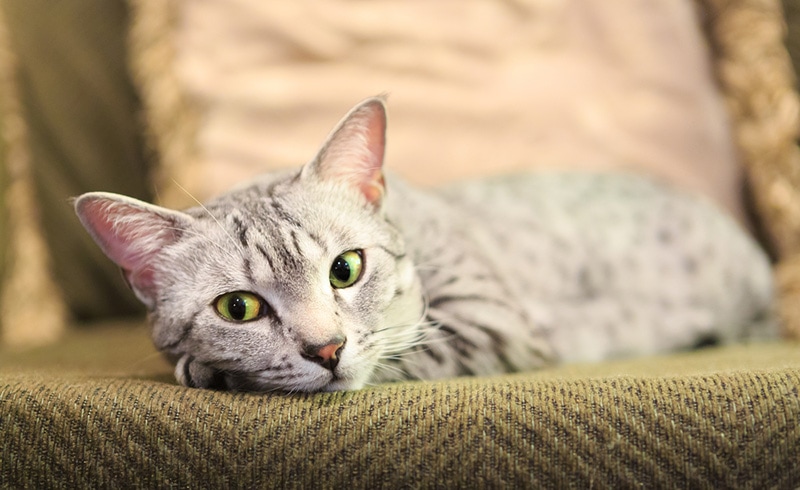
Humans with autism often struggle to get their message across to other people. Cats have different ways of communicating with other cats and humans. It might be the case that they don’t communicate with other cats or humans in the way we would, however, this doesn't mean there is necessarily something wrong.
3. Repetitive Behavior
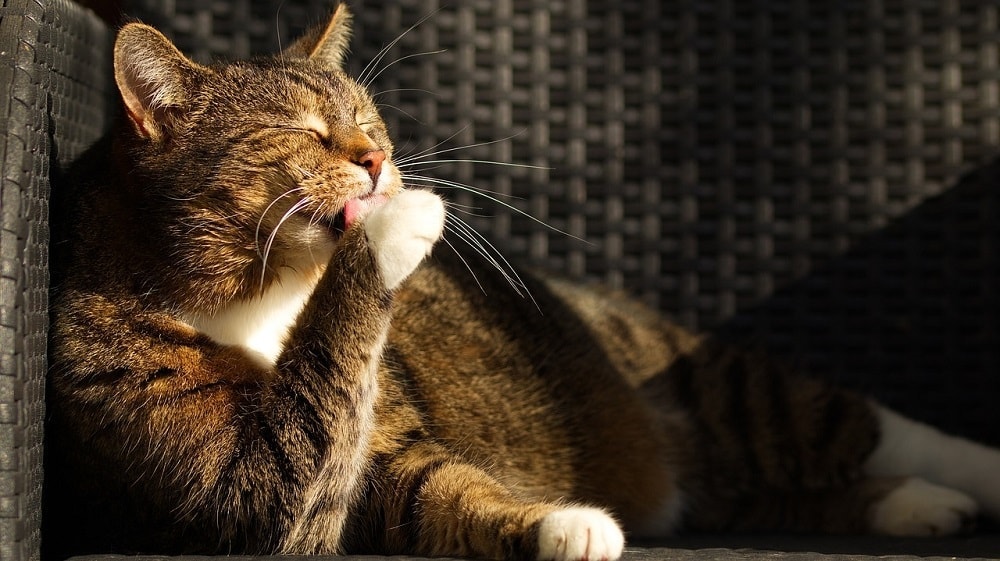
Owners have reported their cats showing repetitive behavior. In humans, this can be associated with autism. In cats, it is commonly seen and can include things like overgrooming or licking/biting areas of skin, pacing up and down, or scratching specific objects in the home. It is completely normal for cats to groom themselves.
They groom to keep their coats in good condition, and they groom each other to display signs of affection. Pacing up and down can be a sign of excitement—for example, if they are just about to be fed. It could also be a sign of stress, anxiety, or boredom.
4. Difficulty Adapting to Change
Often cats will not cope very well with big changes such as a house move or the introduction of a new family member. This could be compared to some traits seen in humans that have autism. Owners must remember that cats are driven by instinct. If they are placed in a new environment or faced with a strange animal or human they have never met before, it is completely normal for them to be on edge as they take in the new place or get to know strangers.
5. Hypersensitive to Touch
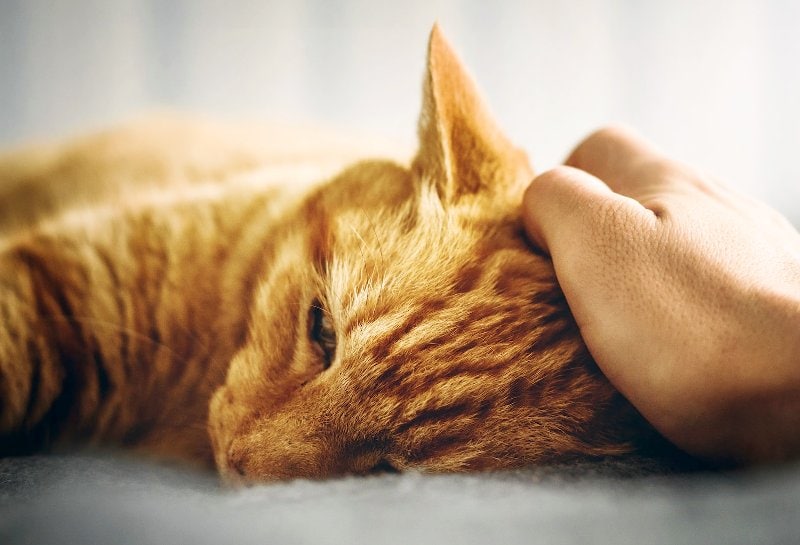
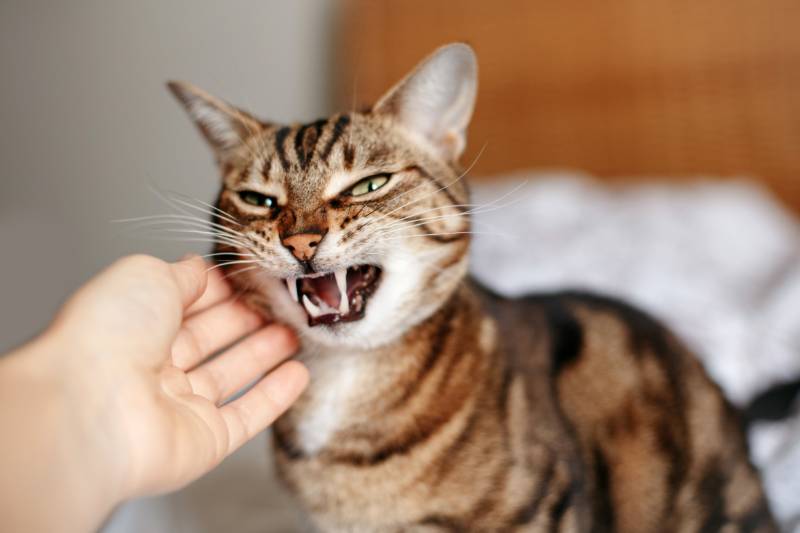
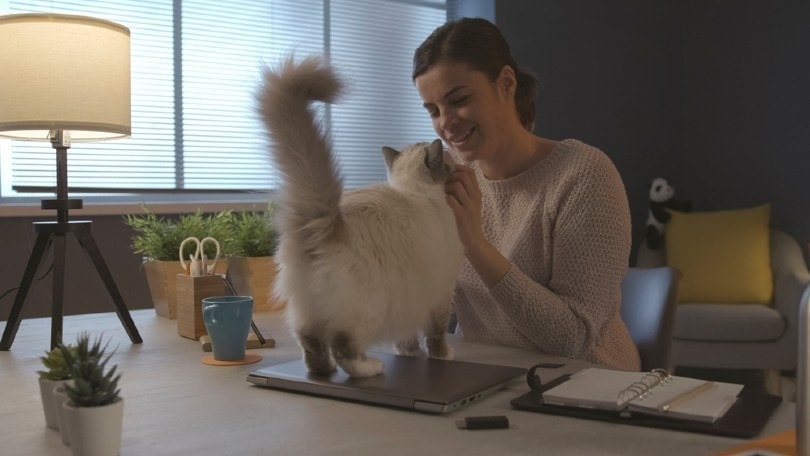
Humans with autism can often be very sensitive to touch. Some cats will object to being stroked or petted in the same way. This does not mean they are autistic. Cats, as mentioned above, are driven by survival instincts. If someone tries to stroke their stomach or the area near their neck and head, these are both vulnerable areas. Your cat may not tolerate it well as they are likely to feel threatened. This is completely normal.
6. Overstimulation
Some cats can get overstimulated more easily than others. They may not respond well to busy places, loud noises, or other sensory cues. Each individual cat will have their own threshold for noises and other sensory stimuli; however, their reaction is partly due to their survival instincts. They are usually in a heightened state of alert if they are in a new place or experiencing new things in their environment. If they cannot find somewhere to retreat to or relax, eventually they will become overstimulated from continual exposure.
What Can Your Vet Do?
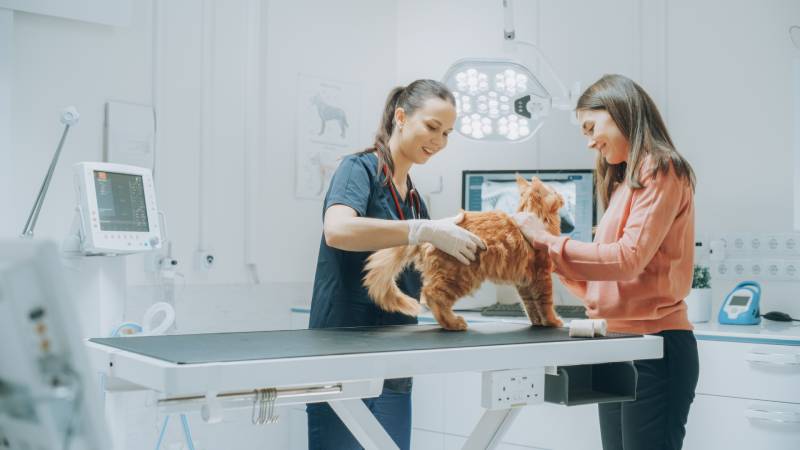
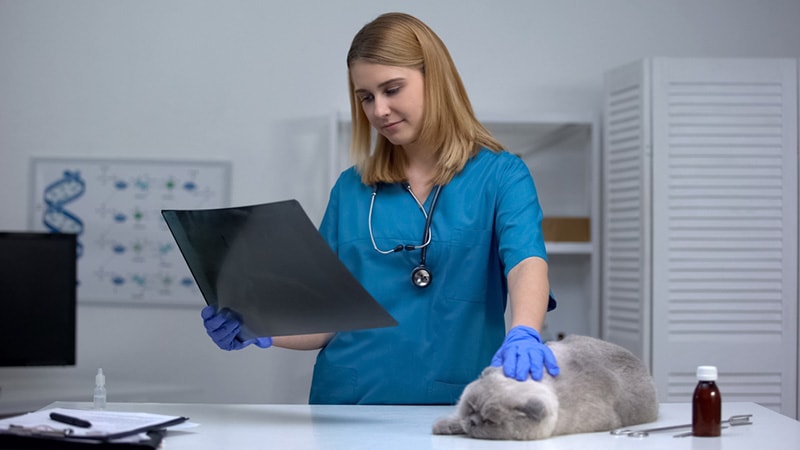
If you are at all concerned about the behavior of your cat or have noticed them doing something they shouldn't be doing recently, it is strongly advised to take them to the vet to get them checked out. Your vet will carry out a full physical exam. They will take a thorough clinical history from you asking about the nature of the issue and how long it may have been going on for. Your vet can run routine blood tests and urinalysis to check red and white blood cell counts, check electrolyte numbers, and monitor organ function.
If anything suspicious is found on the clinical exam or the blood tests, your vet may require further diagnostics such as ultrasound scans, X-rays, CT, or MRI scans. Your vet may also refer your cat to a veterinary behaviorist if they are concerned about the way they are acting.
Mental Health Issues in Cats
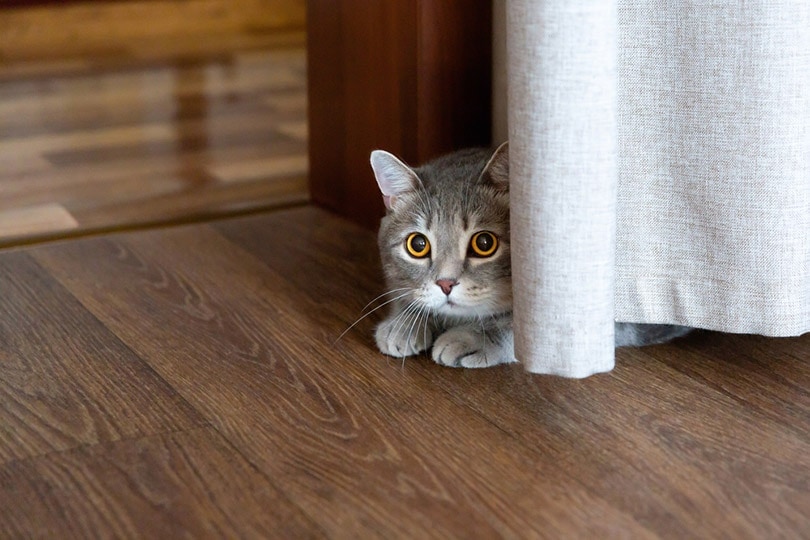
Cats are not capable of having autism; however, they can have other mental health issues. A common issue for cats is anxiety. Cats can often become anxious or stressed. Many things can pose a potential stressor for cats, and it does depend on the individual. If your cat is anxious, you might see them scratching furniture, spraying urine around the house, hiding, or overgrooming. These are all typical signs that owners may confuse with signs of autism.
It is worth noting all of these signs should be taken seriously if noted by owners. Arrange an appointment with your vet to have your cat examined. Sometimes the signs can be very subtle so it can be difficult to spot at first. If your vet rules out a medical problem, your cat is likely suffering from anxiety. They will talk you through any potential stressors in your cat's environment and discuss how to avoid or remove them if possible.
Cats may also show similar signs to those mentioned above if they are depressed or have separation anxiety.
Circumstances may cause a cat to show some of the clinical signs. For example, cats that are kept indoors or confined to one room and not allowed to exercise, and don't receive any mental stimulation, may develop behavioral issues. This doesn't mean that your cat has a mental illness, but that they are responding to the situation they are in. If they were exercised, or if they had some enrichment toys or their owner played with them, the undesirable behavior would stop.
The Problem with Anthropomorphism
As mentioned above, anthropomorphism is the attribution of human characteristics to an animal. This in general, is completely harmless. However, it has been suggested that if we assume animals have the same sorts of feelings that humans do, this can lead to an inaccurate understanding of their normal biological processes in their environment and inappropriate behavior towards the animal. It is important to remember there is a difference between the way cats interpret each other compared to the way humans interpret cats' signs and signals.
Cats cannot talk and we have no way of knowing exactly what is going on in their heads.
Final Thoughts
It is not possible for cats to have autism as this is a human disorder and the description of signs can only be applied to human behavior. If you notice your cat showing signs of any unusual behavior or if they seem anxious, it is important to consult your vet. They will be able to diagnose the underlying cause and any necessary treatment. Behavioral issues in cats can usually be managed once the cause has been identified.
Sources
Featured Image Credit: Uplight pictures, Shutterstock
Get Hepper In Your Inbox


Pet care tips from our vets and experts, straight to your inbox.
You may opt-out at any time. View our Privacy Policy for more information.
Dr. Emma is an experienced vet who is always happy to share her knowledge and expertise with our readers. Her passion is surgery but she will happily talk about anything animal related. Dr. Chandley graduated from The Royal Vet College and since then she has worked in general practice in the UK. She has completed a postgraduate certificate in Small Animal Surgery and has also gained Advanced Practitioner status in the same discipline. She enjoys developing her skills in clinical pathology, animal behavior and nutrition as well.
Emma is an experienced veterinarian who is always happy to share her knowledge and expertise with our readers. She is passionate about surgery but will happily talk about anything animal related.
Experience
Since graduating, Dr. Emma has worked in general practice in the UK. She has completed a postgraduate certificate in Small Animal Surgery and has also gained Advanced Practitioner status in the same discipline. She also has expert knowledge in small animal medicine with a special interest in Endocrinology, although surgery is her passion. She enjoys developing her skills in clinical pathology, animal behavior, and nutrition as well.
Education
Emma received her degree from the Royal Vet College, University of London. She obtained her postgraduate certificate from the British Small Animal Veterinary Association and Nottingham Trent University.
She was granted Advanced Practitioner status by The Royal College of Veterinary Surgeons.
Join the conversation
Ask a question, share your story, or send private feedback.