Hepper is reader-supported. When you buy via links on our site, we may earn an affiliate commission at no cost to you. Learn more.
Can Bearded Dragons Eat Alfalfa Sprouts? Vet-Approved Nutritional Facts & FAQ


In this article
As bearded dragon owners, we know how important their diet is for their health.
Bearded dragons rely on having a balanced and varied omnivorous diet in captivity to stay healthy. Many different foods can form part of your bearded dragon’s varied diet. This includes a range of fruits, veggies, and herbs that are both safe to feed and nutritious.
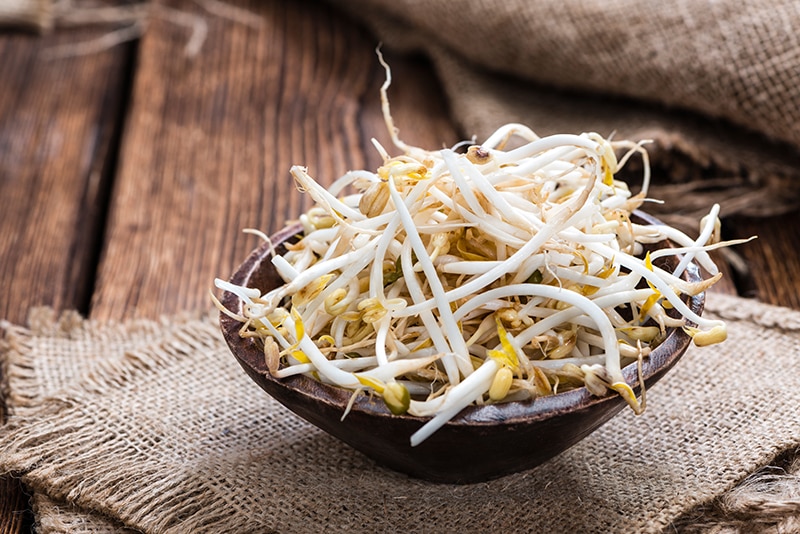
One of those safe herbs that bearded dragons can eat happens to be alfalfa sprouts—a protein-rich legume.

Are Alfalfa Sprouts Safe for Bearded Dragons to Eat?
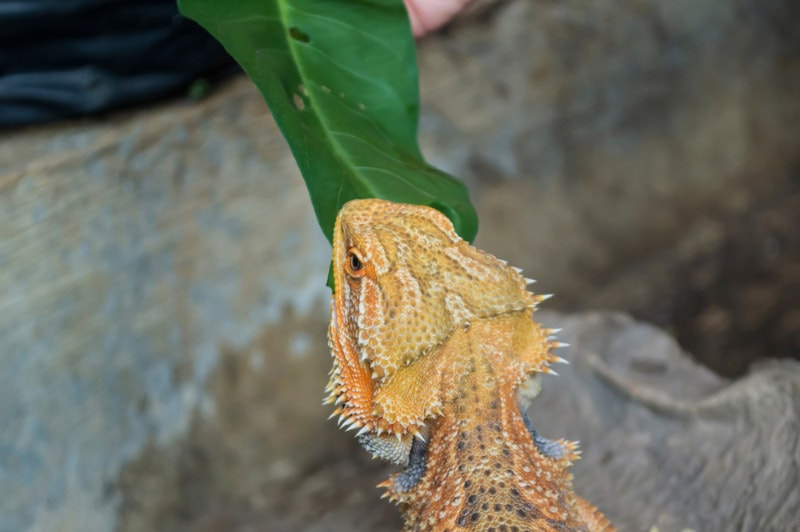
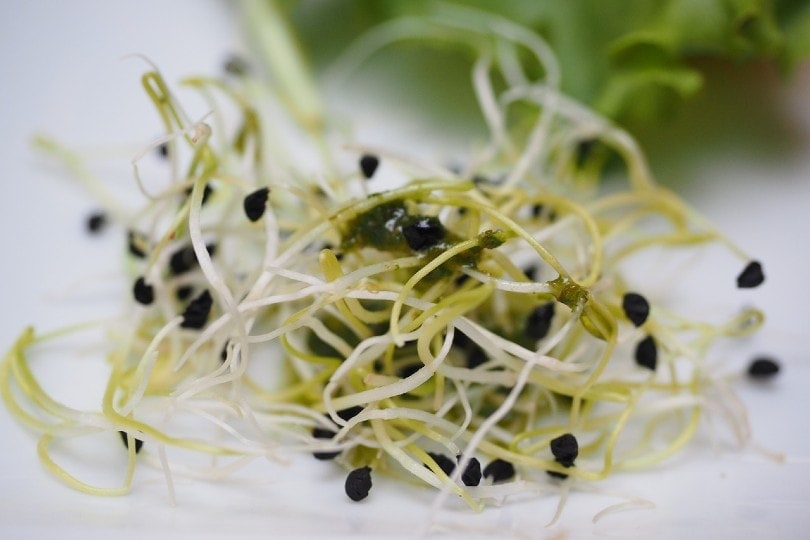
Alfalfa sprouts are safe for bearded dragons to eat as a salad topper. No parts of the alfalfa plant are considered toxic to bearded dragons, so feeding it to them appropriately won’t put your bearded dragon at risk. As with most foods, alfalfa sprouts should be offered to bearded dragons in moderation.
According to VCA animal hospitals 1, alfalfa hay or chow can be included in a bearded dragon’s diet alongside other plant materials. Leafy greens, flowers, and herbs should make up a large percentage (around 80% to 90%) of an adult bearded dragon’s diet, and alfalfa sprouts can be included in that percentage.
Keep in mind that young bearded dragons under a year of age should be eating a more carnivorous diet. Hatchlings and juvenile bearded dragons eat a large portion of insects and fewer plants. However, alfalfa sprouts are still safe for young bearded dragons to eat occasionally. The basis of a young and growing bearded dragon's diet should consist of live insects (80%), leafy greens (20%), and supplements. This is the opposite of an adult bearded dragon's total diet percentage.
Nutritional Benefits
Now that we have determined that alfalfa sprouts are safe for bearded dragons, we can discuss the noteworthy nutritional benefits.
This table shows the benefits according to USDA Food Data Central 2; 1 tablespoon (3 g) of alfalfa sprouts.
| Protein: | 0.12 g |
| Fat: | 0.021 g |
| Fiber: | 0.057 g |
| Calcium: | 0.96 mg |
| Phosphorus: | 2.1 mg |
| Vitamin C: | 0.246 mg |
As we can see from the above table, one tablespoon of alfalfa sprouts is rich in plant-based protein, fiber, calcium, and vitamins C, E, K, and A. These are important nutrients for bearded dragons for various reasons. Protein is important for bearded dragons because they need it for energy, muscle development, and growth as a juvenile. Alfalfa sprouts are rich in plant-based protein, which is beneficial for all life stages of bearded dragons.
Alfalfa sprouts are also rich in calcium, which is essential for a bearded dragon’s bone development and maintenance. However, bearded dragons absorb calcium better with vitamin D3. Including calcium-rich foods into your bearded dragon’s diet is crucial for their health, and they should ideally have a calcium-to-phosphorus (Ca:P) ratio of 2:1. Too much phosphorus in your bearded dragon’s diet may affect their calcium absorption, and alfalfa sprouts have a higher phosphorus content. This means that alfalfa sprouts have an imbalanced calcium-to-phosphorus ratio, which is why they should be fed in moderation.
Calcium, along with a vitamin D3 source is important for bearded dragons to help prevent certain health problems like metabolic bone disease (MBD). Alfalfa sprouts do not contain a significant amount of vitamin D3, and they should never be fed in replace of a proper reptile multivitamin.
The fiber from alfalfa sprouts may be beneficial for your bearded dragon’s general digestive health. Also, the moderately high vitamin C content in alfalfa sprouts can help prevent potential deficiencies.

Feeding Alfalfa Sprouts to Bearded Dragons
Alfalfa sprouts can be a safe and nutritious addition to both juvenile and adult bearded dragon diets. The only difference is that adult bearded dragons can be fed larger portions of alfalfa sprouts more frequently than juveniles. This is only if it is fed alongside your bearded dragon's main diet and salad. Alfalfa sprouts shouldn't be your bearded dragon’s main source of nutrition.
As omnivores, bearded dragons require a balanced and varied diet consisting of both animal and plant-based foods. If they are fed too much of the wrong foods or nutritionally poor ones, it can affect their health. Adult bearded dragons benefit from more plant-based protein than juvenile bearded dragons do.
Fortunately, alfalfa sprouts are high in plant-based protein, which makes them a healthy snack for adult bearded dragons.
Portion Size
You should ideally feed one tablespoon of alfalfa sprouts to your bearded dragon a few times a week. You do not need to feed it to them every day, nor do you want your bearded dragon's entire diet to be based on alfalfa sprouts.
- Adults: 1 tablespoon
- Juveniles: ½ tablespoon
- Hatchling: 1 teaspoon
Preparation
Alfalfa sprouts should be fed raw to bearded dragons, and it is not necessary to cook them. However, alfalfa sprouts should be organic and grown without herbicides or pesticides. It is best to be on the safe side and rinse any alfalfa sprouts under running water before feeding them to your bearded dragon. Rinsing will remove any dirt and debris that may be harmful to your bearded dragon.
Conclusion
Both juvenile and adult bearded dragons can benefit from having alfalfa sprouts in their diet. It is not only safe for them but nutritional too. However, it should be fed in moderation alongside a species-appropriate diet which they should be getting most of their daily nutrients from. Alfalfa sprouts also have an imbalanced calcium-to-phosphorus ratio, so they should only be occasionally and as a salad topper. Bearded dragons can still benefit from the high plant protein, fiber, and calcium content this herb has to offer.
Sources
Featured Image Credit: Ildi Papp, Shutterstock
Get Hepper In Your Inbox


Pet care tips from our vets and experts, straight to your inbox.
You may opt-out at any time. View our Privacy Policy for more information.
Sarah is residing in South Africa with her partner and pets. She currently is interested in veterinary science and ichthyology, which she wants to study alongside her main passion: pet content writing. Sarah has over 60 fish including goldfish, tropicals, shrimp, and snails. She also keeps hamsters and a tarantula and wishes to provide quality content for readers and allow others to learn from her knowledge and experience. Sarah has much experience in all aspects of pet care, and providing the world with knowledge on ethical pet ownership is her lifelong dream.
Join the conversation
Ask a question, share your story, or send private feedback.