Hepper is reader-supported. When you buy via links on our site, we may earn an affiliate commission at no cost to you. Learn more.
Can Bearded Dragons Eat Microgreens? Vet Approved Nutrition Facts


In this article
Bearded dragons are cute and popular reptiles with a gentle demeanor and friendly character. They are inquisitive creatures and make the perfect pet for the beginner reptile owner due to their ease of care. They do, however, have specific habitat requirements and nutritional needs, all of which a future beardie owner should become familiar with for proper care.
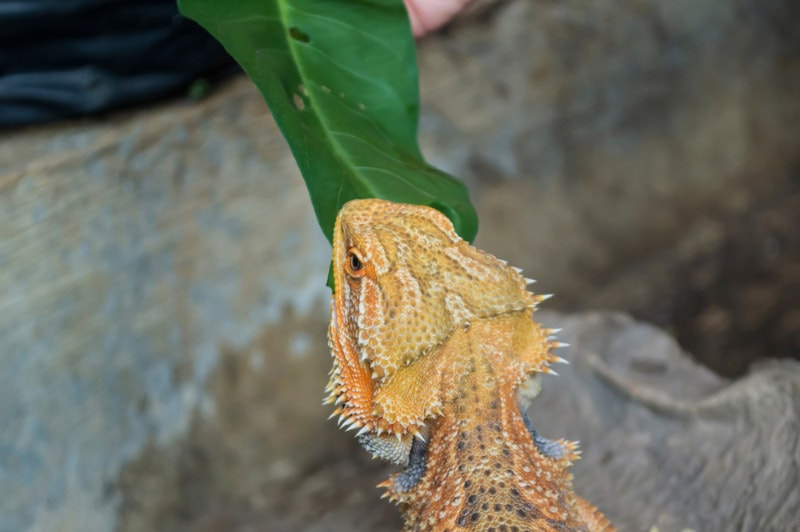
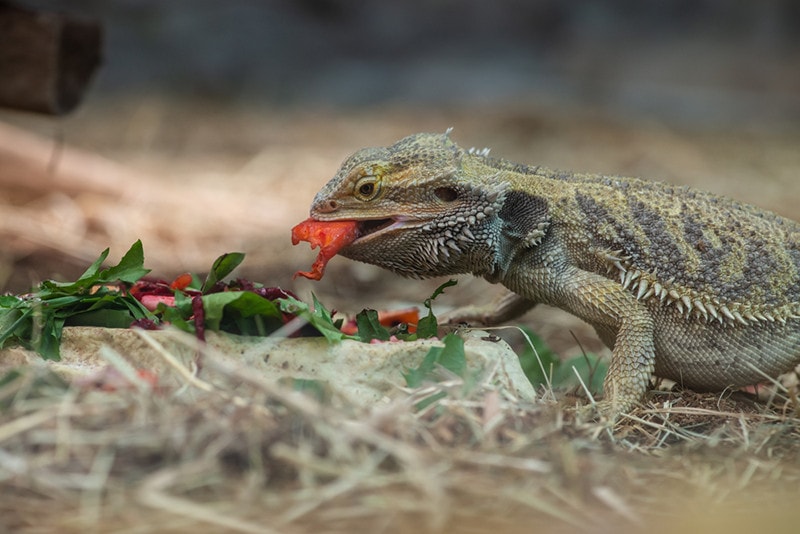
Beardies are omnivores, meaning they require a balanced diet of insects, fruits, and veggies. Some veggies on their menu are dandelion greens, kale, collard greens, mustard greens, and more. Since they require certain veggies in their diet, can bearded dragons eat microgreens? In short, yes, beardies can have some microgreens, but only in moderation. You should also avoid certain veggies in microgreens.
To better understand if beardies can eat microgreens, let’s first explain what microgreens are, what nutritional values they hold, and how to feed them to your beardie.

What Are Microgreens?
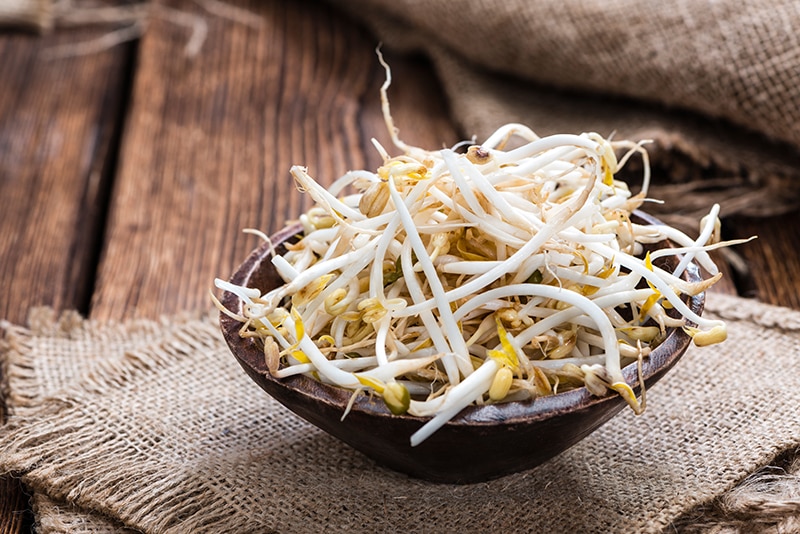
Microgreens are the immature seedlings of vegetables and herbs used to garnish a dish to add complementary flavor. You can also add them to smoothies, salads, and even a sandwich for added crunch and nutrition. They are loaded with nutrients; in fact, one study1 found that these seedlings contain up to 40 times more nutrients than their mature, full-grown counterparts, including vitamins A, C, E, and K, calcium, and fiber. They provide a unique flavor to any dish, and you can buy them or grow your own.
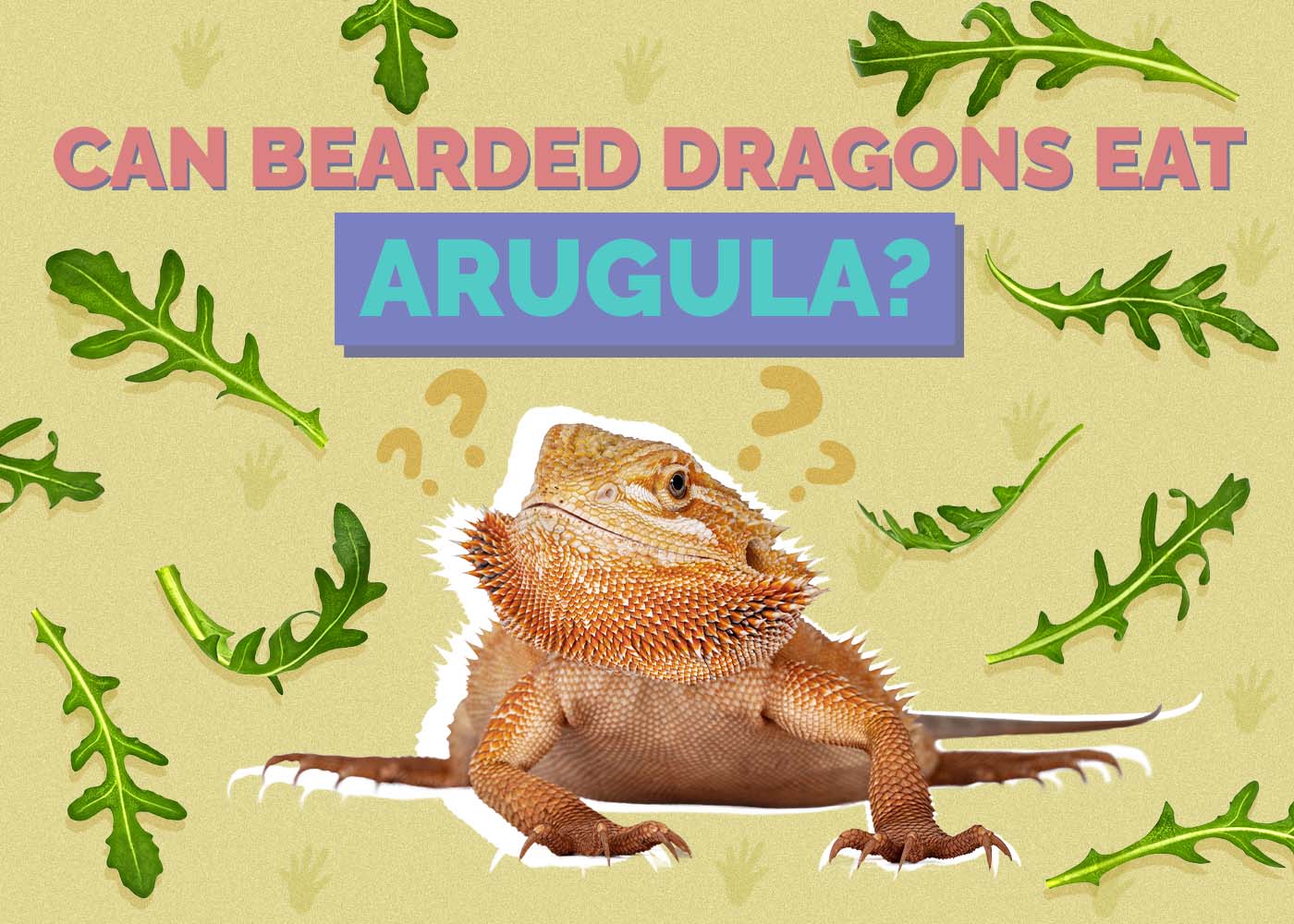
The flavors will vary depending on the type of microgreens used, as over 60 varieties of microgreens exist. Popular greens used are arugula, basil, beets, kale, and cilantro, to name a few— almost any kind of vegetable, herb, or even certain grains can be used to produce microgreens.
What Microgreens Are Safe for Bearded Dragons to Eat?
Since almost any veggie or herb can be used in microgreens, it’s vital to know what veggies are safe before mixing in any to your beardie’s regular diet—you don’t want to feed too much of a good thing.
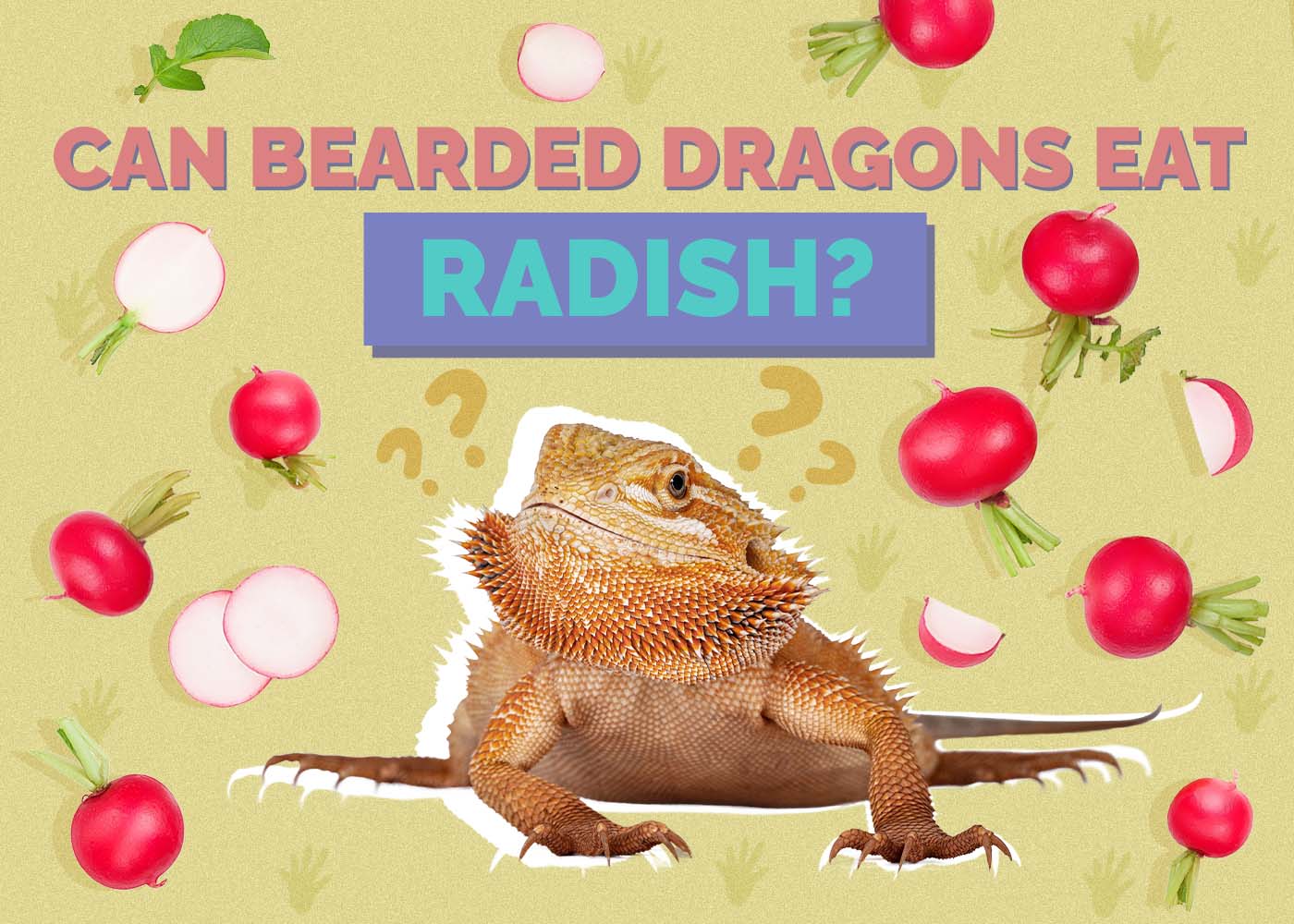
Here’s a rundown of some safe veggies to use in microgreens.
How to Safely Feed Your Beardie Microgreens
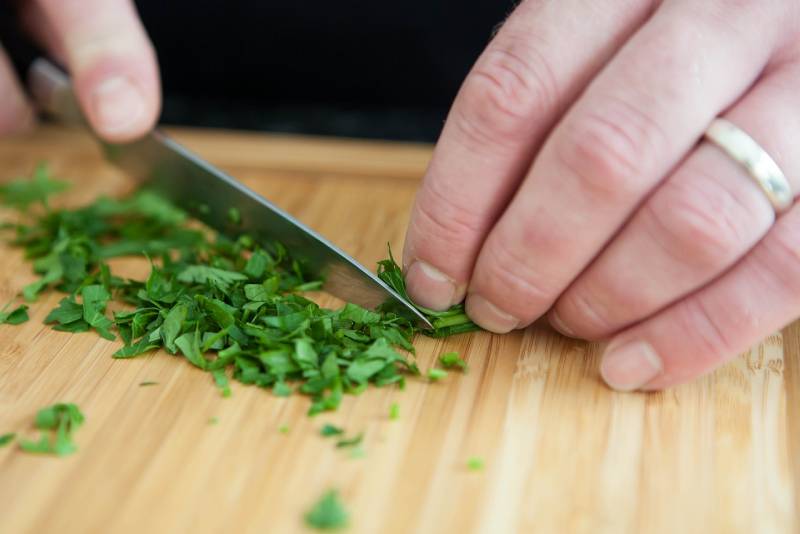
Give 1–2 teaspoons mixed in with your beardie’s regular veggies 1–2 times per week. You may need to add slightly less for juveniles, roughly ½ teaspoon. Wash thoroughly to remove possible pesticides or other contaminants and/or dirt. It’s recommended to use organic microgreens to ensure no pesticides are present, and growing your own is even safer.
What Are the Benefits of Feeding Microgreens to My Bearded Dragon?
Microgreens provide hydration for your beardie and can be beneficial in hot months when your beardie may not drink enough water on his own. Microgreens also aid in smooth digestion, despite their small size, while still providing a vast amount of nutrients for your beardie. Lastly, the nutrients found in microgreens offer more nutrition than mature veggies, but you don’t want to overdo it or supplement your beardie’s regular veggies with microgreens—moderation is the key.
Microgreens to Avoid Giving Your Bearded Dragon
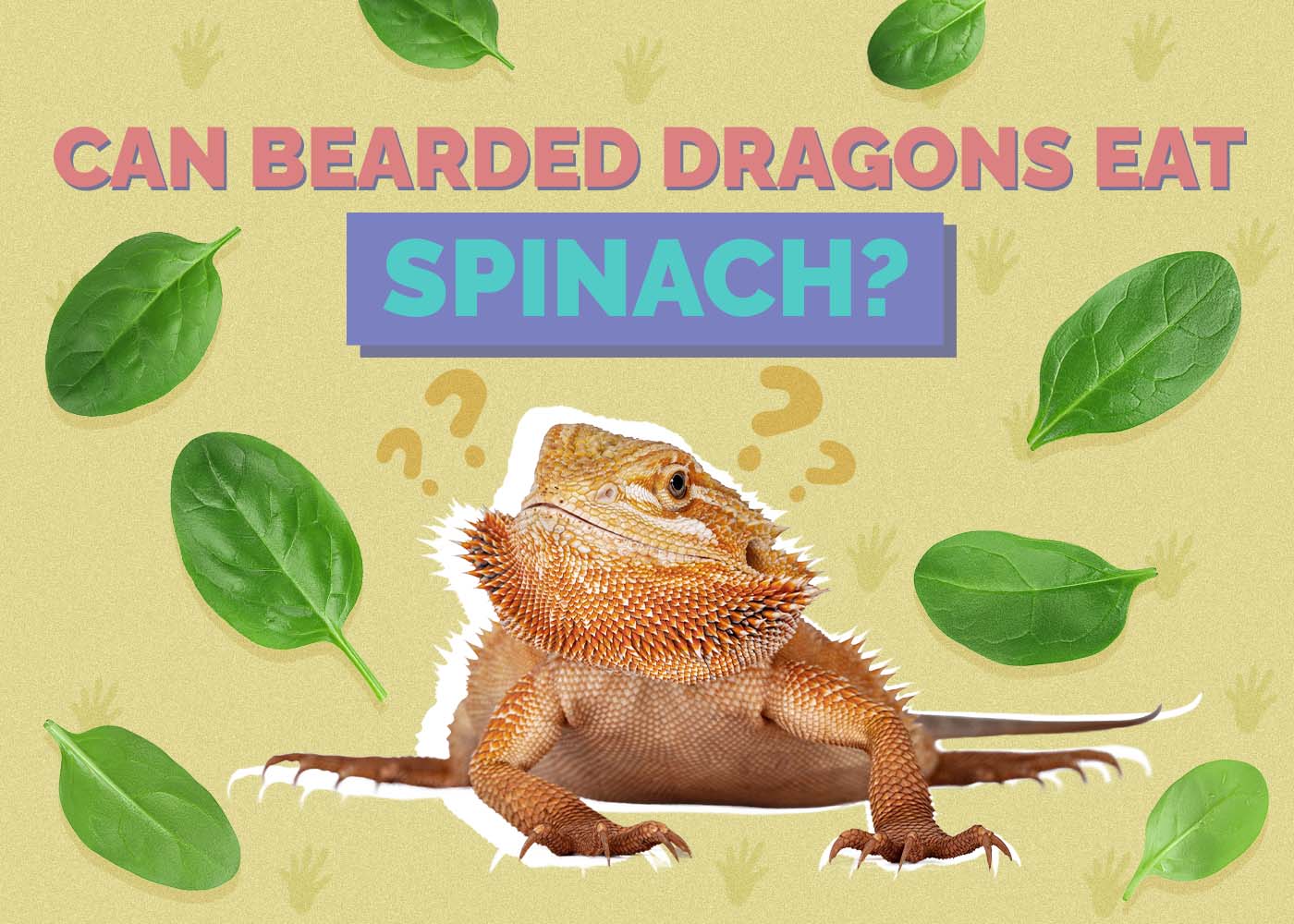
Not every veggie is suitable for bearded dragons to eat, and when providing microgreens, avoid too much spinach or beet greens because they are high in oxalates, which can interfere with calcium absorption. A lack of calcium can lead to metabolic bone disease, a common yet complex disease mostly found in juvenile beardies due to improper diet.
It’s important to provide a diet with around a 2:1 ratio of calcium and phosphorus to prevent metabolic bone disease, and it starts by providing a well-balanced diet of animal and plant material with a few fruits.
Other foods to avoid include:
What’s the Ideal Diet for a Bearded Dragon?
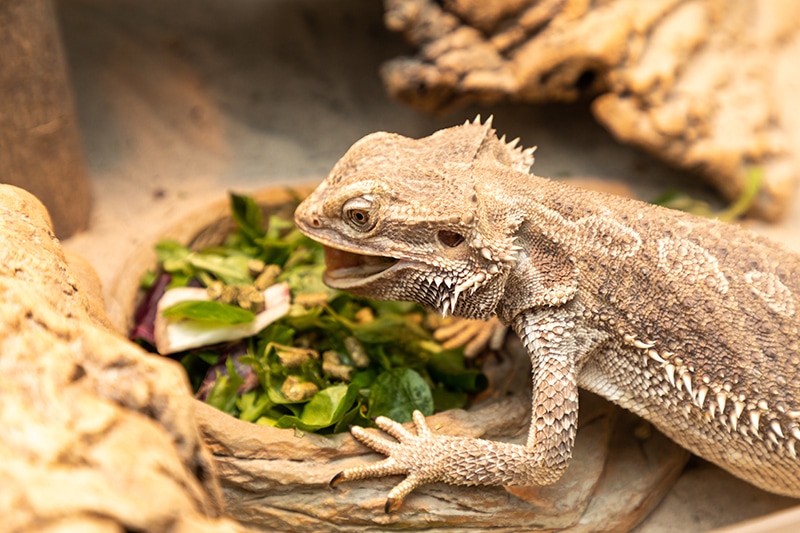
An adult beardie’s diet should consist of around 60% veggies and 40% livefood. On the other hand, a juvenile requires 65% insects and 35% veggies, so how much of each you provide will depend on the age of your beardie. These recommended ratios do vary though among experts, so it's a good idea to work with your exotics vet to get the right ratio for your pet.
Let’s observe the proper diet for an adult bearded dragon, consisting of an appropriate balance of protein and plants.
Protein Sources
Beardies love live insects, and it’s fun to watch the chase; however, it’s recommended only to buy live bugs from a reputable pet store to avoid possible sickness from pesticides.
- Butterworms
- Cockroaches
- Crickets
- Dubia roaches
- Earthworms
- Locusts
- Mealworms
- Redworms
- Silkworms
- Superworms
- Waxworms
Vegetables
- Acorn squash
- Artichoke heart
- Asparagus (raw)
- Bell peppers (raw)
- Butternut squash
- Cabbage
- Carrots
- Celery
- Chicory
- Cilantro
- Collard greens
- Cucumber (peeled)
- Dandelion greens
- Endive
- Green beans
- Kale
- Mustard greens
- Parsley
- Parsnip
- Pumpkin
- Spaghetti squash
- Yellow squash
- Zucchini squash (raw, in moderation)
Fruits
Fruits should only account for roughly 10% of your beardie’s diet, and they do not require fruit daily. Ensure you cut the fruit into bite-sized pieces to make it easier for your beardie to consume and digest.
- Apples (peeled)
- Apricot
- Bananas
- Blackberries
- Blueberries
- Cantaloupe
- Cherries
- Figs
- Grapes
- Kiwi (peeled)
- Mangos
- Peaches
- Pears
- Pineapple
- Raspberries
- Strawberries
- Watermelon
Tip: In addition to fruit, you can provide your beardie with hibiscus flowers, dandelions, roses, carnations, and geraniums.
Conclusion
Certain microgreens can be beneficial to your beardie’s diet, and they offer a variety of taste sensations for your beardie. These tiny, immature seedlings pack a powerful punch of nutrients, and we recommend only providing microgreens mixed in with your beardies’ regular veggies once or twice a week.
Remember, providing an appropriate mix of insects, veggies, and some fruit will keep your beardie happy and healthy, and adding microgreens once or twice a week will only enhance the nutritional value, but do so sparingly.
You may also be interested to know:
Can Bearded Dragons Eat Caterpillars? Vet-Reviewed Nutrition Facts & FAQ
Can Bearded Dragons Eat Spiders? Vet-Reviewed Nutrition Facts & FAQ
Sources
https://www.bhg.com/gardening/vegetable/what-are-microgreens/
https://dragontreats.com/can-bearded-dragons-eat-microgreens/
https://www.lovetoknowpets.com/reptiles/bearded-dragon-facts
https://www.thebeardeddragon.org/bearded-dragon/diet/micronutrients/phosphorus
https://vcahospitals.com/know-your-pet/bearded-dragons-diseases
https://www.greensandmachines.com/2014/04/seedsprouting-microgreens-growing-tray-pt3.html
https://dragonsdiet.com/blogs/dragon-care/the-complete-bearded-dragon-diet-plan
https://www.thebeardeddragon.org/bearded-dragon/what-do-they-eat#bugs-and-insects
https://www.fallsroad.com/site/tips-resources-blog-baltimore-vet/2022/01/14/bearded-dragon-diet
https://dragonsdiet.com/blogs/dragon-care/the-complete-bearded-dragon-diet-plan
Featured Image Credit By: Christiane, Pixabay
Get Hepper In Your Inbox


Pet care tips from our vets and experts, straight to your inbox.
You may opt-out at any time. View our Privacy Policy for more information.
Rachel Giordano is a writer and musician out of Pensacola, Florida, living there with her partner and their two dogs, Aero, a Border Collie/Sheltie mix, and Sophie, a Boston Terrier. Rachel has a Bachelor of Arts degree in communication and enjoys writing about all types of animals. When Rachel’s not dedicating her time to writing about animals, she enjoys writing thriller/suspense novels. A writer by day and a musician by night, she's passionate about educating the public about the requirements and needs of all types of animals.
Join the conversation
Ask a question, share your story, or send private feedback.