Hepper is reader-supported. When you buy via links on our site, we may earn an affiliate commission at no cost to you. Learn more.
Can Bearded Dragons Eat Edamame? Vet-Reviewed Facts & Tips


In this article
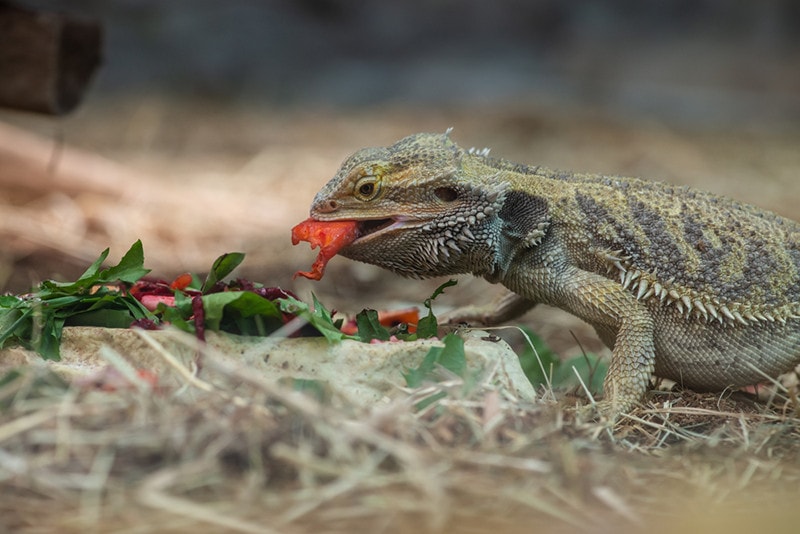
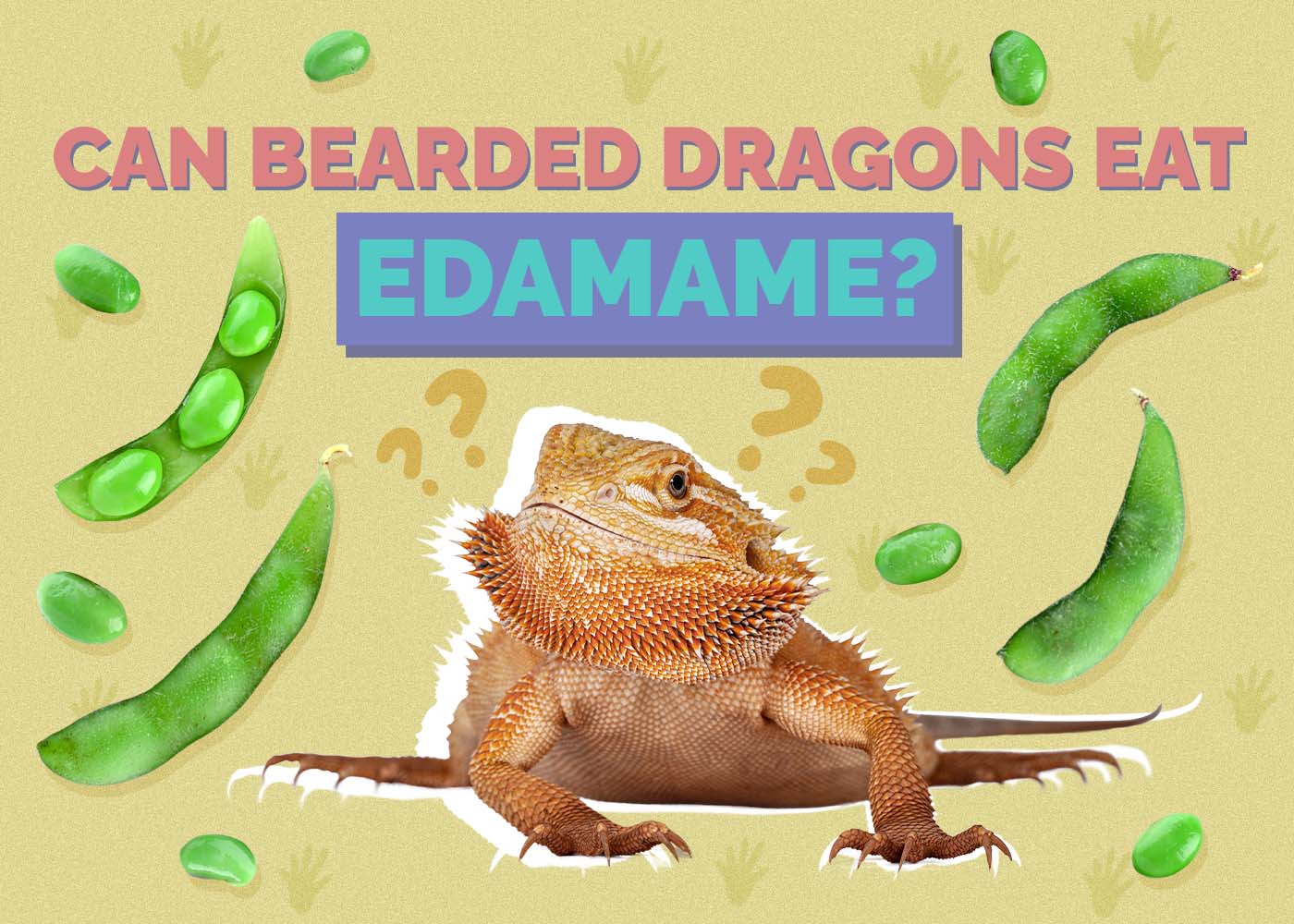
Bearded dragons eat an omnivorous diet that mainly consists of insects and greens. They can eat a variety of vegetables, including edamame and legumes. However, due to the nutritional breakdown of edamame, it’s best just to serve them as occasional snacks. In some cases, it may be better to simply avoid them altogether because they won’t provide very many nutritional benefits to your bearded dragon.
So, make sure to know how edamame can affect your bearded dragon’s health before you add it to their diet. If you’re ever in doubt, you can consult your veterinarian to determine if it’s a safe snack for your bearded dragon.

Should I Feed My Bearded Dragon Edamame?
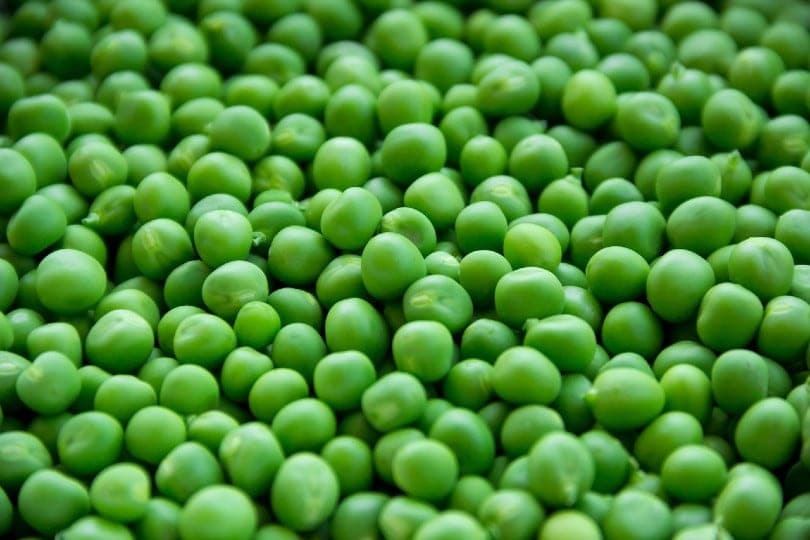
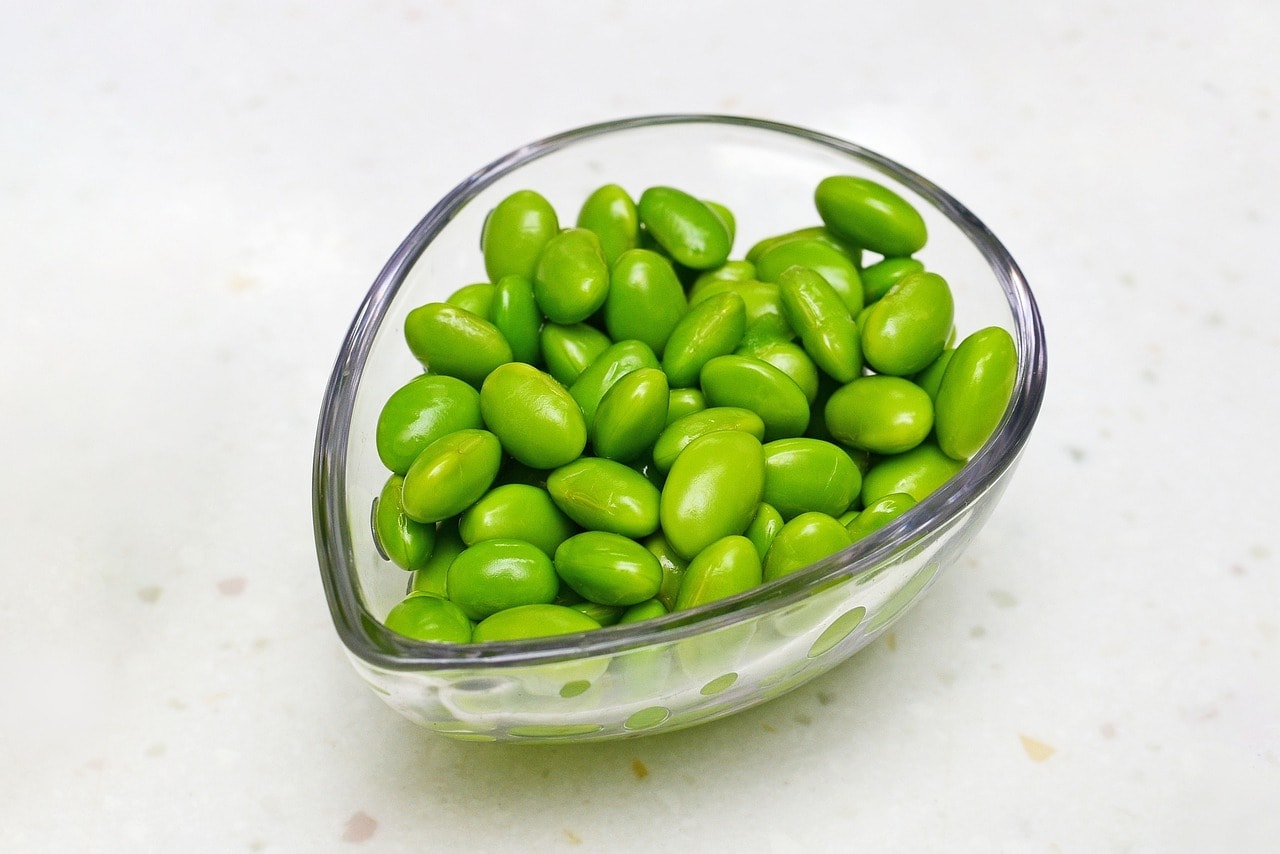
Edamame is an immature soybean. It’s a nutritious plant-based protein that contains a considerable amount of vitamin C, calcium, iron, and folates. While it doesn’t have as much phosphorus as mature soybeans, it still contains a decent amount of this mineral.
When it comes to a bearded dragon’s diet, these pets have a high need for dietary calcium without as much phosphorus, so it’s common for them to consume phosphorus-free calcium supplements. Consistently eating a diet that has an imbalance of calcium and phosphorus or too much phosphorus can lead to metabolic bone disease (MBD).
Keeping this in mind, some adult bearded dragons can eat edamame as an occasional snack. However, it’s important to be aware of the different sources of phosphorus in their diet to prevent overconsumption and health complications.
Also, it’s best for juvenile bearded dragons to avoid eating edamame because they have different nutritional requirements than adult bearded dragons. As edamame isn’t a natural part of a bearded dragon’s diet, it can interfere with healthy growth and development in juveniles.
Safely Feeding Bearded Dragons Edamame
Adult bearded dragons may enjoy eating edamame as a special treat. You can feed your bearded dragon both raw and cooked edamame. If the edamame is cooked, make sure that it’s been steamed without any salt or seasonings. Only feed the beans, as the pods are tough to digest and can be a choking hazard.
Make sure to feed your bearded dragon edamame in moderation. Just a few pieces once a week should suffice. If your bearded dragon doesn’t particularly enjoy them, there’s no need to force them to eat them. There are plenty of other nutritious vegetables they can eat.
A Healthy Diet for Bearded Dragons
The contents of your bearded dragon’s diet will depend on its age. In general, juvenile bearded dragons require high-protein diets made up of more insects and some greens. As they age, they don’t need as much protein, and adult bearded dragons end up eating diets that are half insects and half greens or mostly greens. It’s best to monitor your bearded dragon’s growth with a veterinarian and work together to find the best and most nutritious diet for your pet.
In general, insects are an excellent source of protein, and bearded dragons can safely eat a variety of insects, including crickets, mealworms, silkworms, hornworms, and Dubia roaches. Just beware of any insects that are high in fat because eating too much can quickly lead to excessive weight gain and obesity. Also, avoid feeding your bearded dragon insects caught in the wild because they can carry parasites or be affected by pesticides. It’s much safer to get your insects from pet stores or bait shops.
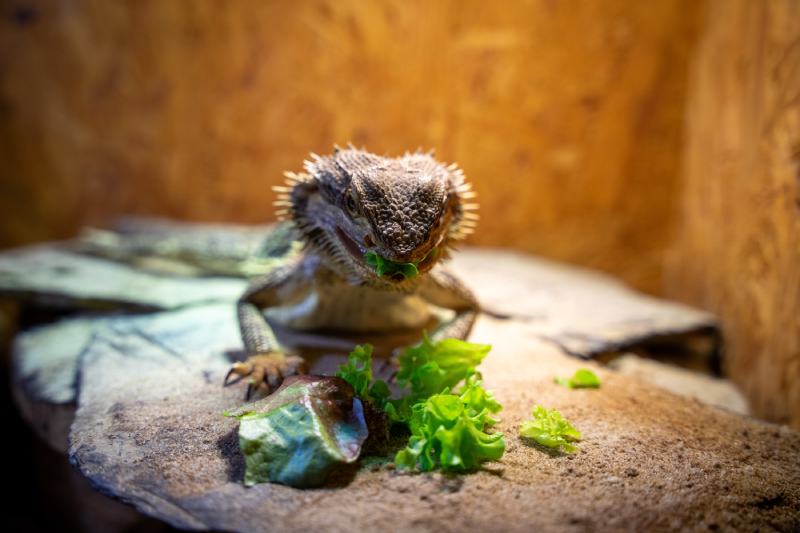
Bearded dragons will benefit from eating dark leafy greens like collard greens, dandelion greens, and romaine lettuce. Avoid feeding light-colored greens, like iceberg lettuce, because they don’t contain many nutrients and can end up adding unnecessary fiber to your bearded dragon’s diet.
Bearded dragons can also eat many other kinds of vegetables in moderation. They can safely eat carrots, squash, bell peppers, and broccoli florets. While many bearded dragons enjoy eating fruit, fruit should only be fed as occasional treats. While there are many nutritious fruits, they also contain a lot of sugar.
Conclusion
Overall, it’s generally not a problem if your bearded dragon ends up eating a piece of edamame or two. So, if edamame is one of your bearded dragon’s favorite snacks, it’s alright for them to eat them every once in a while. However, juvenile bearded dragons shouldn’t eat them, and if your bearded dragon doesn’t particularly enjoy them, there’s no need to add them to their diet. If you ever have concerns about your bearded dragon’s diet and health, don’t hesitate to work with an exotic pet veterinarian to find a well-balanced diet for your pet.
You might also like:
Can Bearded Dragons Eat Arugula? Vet-Reviewed Nutrition Facts & FAQ
Can Bearded Dragons Eat Chocolate? Vet Approved Nutrition Facts
Sources
Featured Image Credit: Green Edamame Plant, Pexels
Get Hepper In Your Inbox


Pet care tips from our vets and experts, straight to your inbox.
You may opt-out at any time. View our Privacy Policy for more information.
Jessica is a freelance writer who spends most of her day reading and writing while her fluffy Cavapoo, Nora, naps beside her. She loves and appreciates pets and animals because there’s so much to learn from them, and they do so much for people. As a dog mom, she understands the special relationship that pet parents have with their pets. So, she loves sharing helpful information that people can use to better understand their pets. When she’s not writing, you can find her walking dogs, tending to her plant babies, or drinking her nth cup of coffee.
Join the conversation
Ask a question, share your story, or send private feedback.