Hepper is reader-supported. When you buy via links on our site, we may earn an affiliate commission at no cost to you. Learn more.
Can Bearded Dragons Eat Bean Sprouts? Vet Approved Facts & FAQ


In this article
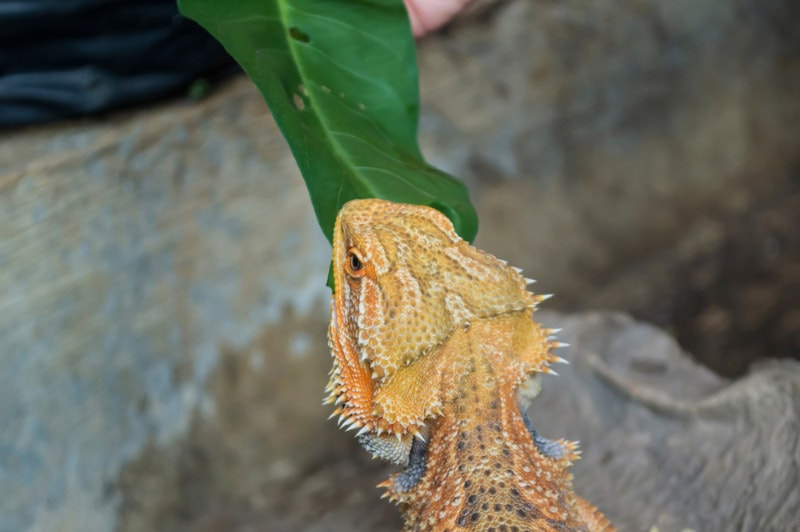
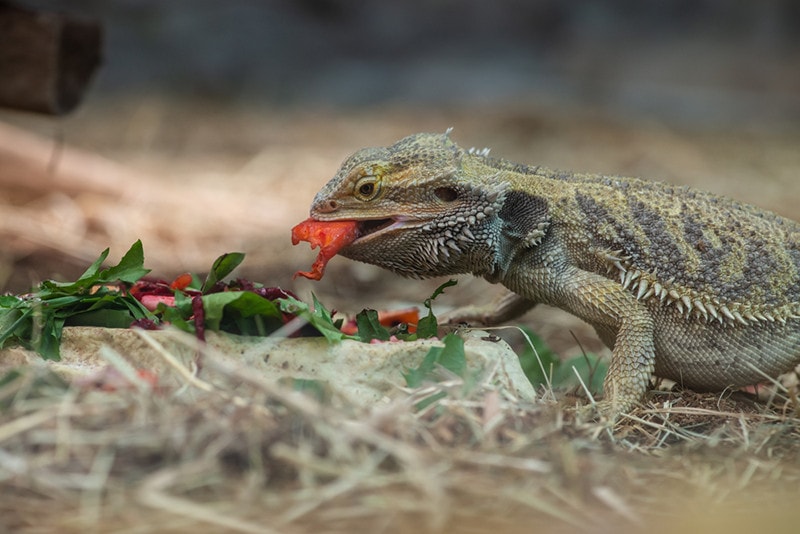
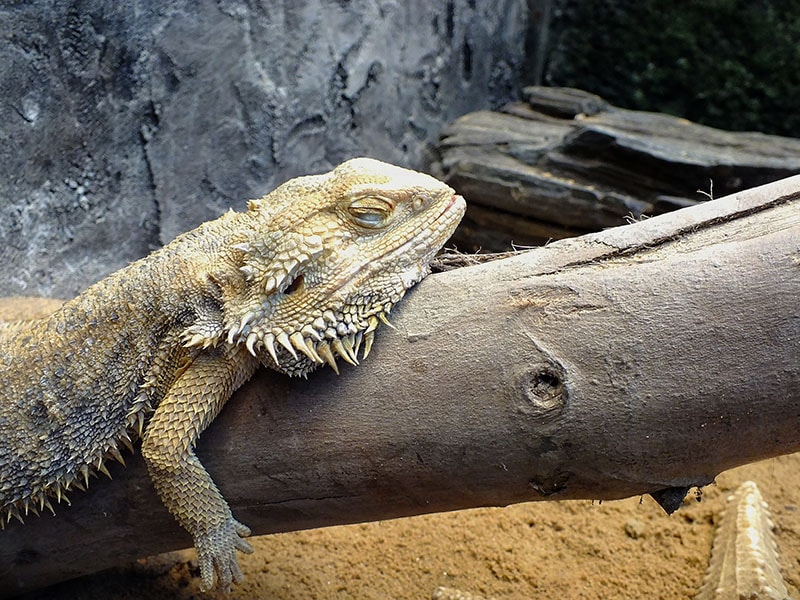
Your bearded dragon is an omnivore, meaning they eat both plant and animal material to stay healthy. Young juvenile bearded Dragons need a diet consisting of around 80% protein in the form of insects and other invertebrates, while adults need about a 50/50 mix of both plant and animal matter. The type of plant material they can eat is mostly leafy greens, with some vegetables, and a little bit of fruit to round things out. So, where do bean sprouts fall on the list?
Your beardies can certainly enjoy bean sprouts occasionally in their diet. In this article, we'll go over the health benefits of bean sprouts and some things you should consider before serving.

Bearded Dragons Can Eat Bean Sprouts in Moderation
Bearded dragons can absolutely enjoy all varieties of sprouts, as they are completely non-toxic and full of nutrients. However, these sprouts are not meant to replace other much-needed aspects of your bearded dragon’s diet.
What Are Bean Sprouts?
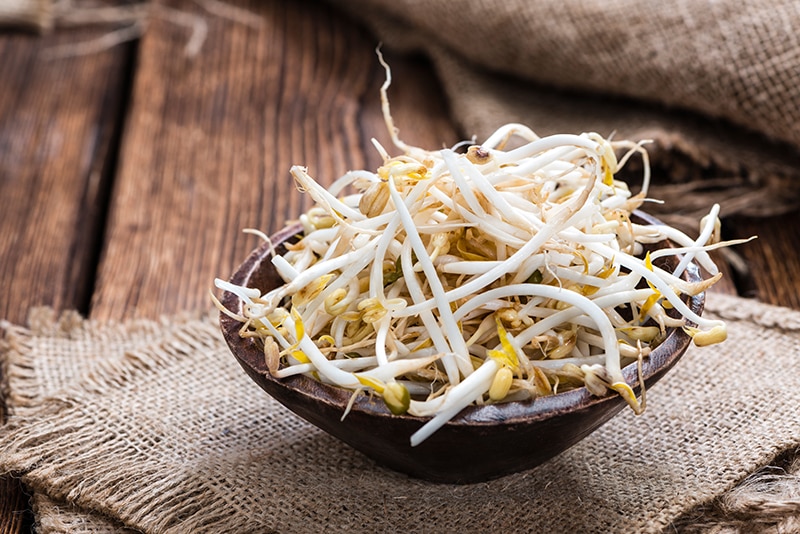
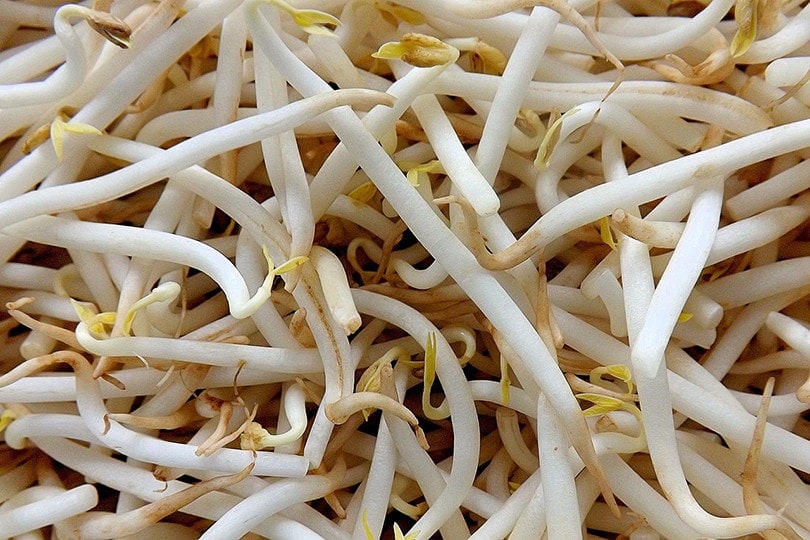
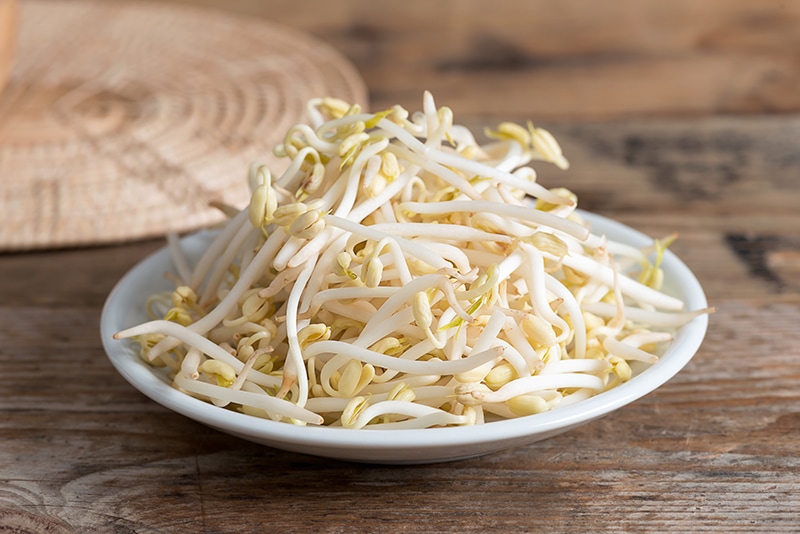
As the name suggests, bean sprouts are the just-sprouted, nutritious young bean plants that have not developed. There are several types of bean sprouts, and each is highly nutritious. Bean sprouts have a crispy, light flavor your bearded dragon is sure to love.
Bean Sprout Nutrition Facts
Amount in One Cup
| Calories: | 31..2 |
| Sodium: | 6.24 mg |
| Total Carbohydrates: | 6.18 g |
| Dietary Fiber: | 1.87 g |
| Sugar: | 4.3 g |
| Protein: | 3.16 g |
| Vitamin C: | 8% |
| Calcium: | 13.5mg |
| Phosphorus: | 56.2 mg |
Types of Sprouts
There are various types of sprouts, including:
Benefits of Bean Sprouts
There are several ways bean sprouts can benefit bearded dragons. Here are a few.
Fiber
Fiber is a great nutrient for your bearded dragon, allowing digestion to work properly. They need a proper amount of fiber in their systems to prevent constipation.
Zinc
Zinc is a very crucial mineral that helps to regrow cells, build proteins, heal damaged tissues, support immune health, and create DNA.
Magnesium
Magnesium supports muscle and nerve function in the body. It also helps with the production of energy.
Vitamin K
Vitamin K makes various proteins in the body, including prothrombin and osteocalcin. It's a key element in blood clotting, and producing healthy bone tissue, something that is incredibly important to our bearded dragons.
Vitamin C
Vitamin C is known for promoting a healthy immune system. But it also helps repair and regrow tissues in various parts of the body. It also has a role in making collagen.
Manganese
Manganese aids the body in forming healthy bone structures, sex hormones, and connective tissues. It also plays a vital role in calcium absorption, a crucial element of your bearded dragon's existence.
Flavonoids
Flavonoids have extremely beneficial properties. Medicinal benefits include acting as an antioxidant, anti-inflammatory, and antiviral element in the diet.
Downfalls of Bean Sprouts for Bearded Dragons
You need to be careful about certain elements of vegetables when making your selections. Eating too much of the wrong kind can lead to major health issues, most notably, Metabolic Bone Disease. Metabolic bone disease is a problem in bearded dragons caused by the wrong balance of calcium, phosphorus, and vitamin D. It can lead to cone structure deformities and bone loss. Sometimes, this disease can be reversed, but you have to act fast.
To avoid this, you need to select foods that have more calcium (Ca) than phosphorus (P), ideally, around twice as much. Leafy vegetables like kale, dandelion leaves and collard greens are perfect examples of green leafy vegetables that have a Ca to P ratio of more than 2:1.
As seen above, bean sprouts contain a much higher amount of phosphorus than calcium with a Ca:P of 1:4, which is potentially dangerous. This is the number one reason why bean sprouts should only be offered very sparingly, if at all.
Make Sure to Buy the Right Bean Sprouts
If you are going to offer bean sprouts to your beardie, be sure to buy "ready-to-eat" options. If it doesn't state that it's ready to eat, you cannot serve it raw, as it could contain harmful bacteria like E. coli. Always buy organic when you can to ensure there are no pesticides.
Don’t go out of your way to buy them specifically for your bearded dragon though; there are much better alternatives.
Final Thoughts
If you have a bearded dragon and want to spruce up the menu, you can occasionally pop a couple of bean sprouts in for them, BUT, this is not a vegetable that should be on their regular menu. Things like dandelion leaves, kale or collard greens are much safer options that offer similar nutritional benefits.
If you’re wanting to check the nutritional value of other foods, The FoodData Central page is a great place to start, using the SR Legacy Foods tab.
Featured Image Credit: HandmadePictures, Shutterstock
Get Hepper In Your Inbox


Pet care tips from our vets and experts, straight to your inbox.
You may opt-out at any time. View our Privacy Policy for more information.
Ashley Bates, a freelance writer with a passion for pets, is currently studying animal therapy. She is a mother to four children and 23 pets, both furry and feathery. Ashley actively volunteers at local shelters, advocates for animal welfare, and rescues animals in distress. Her mission is to promote awareness, education, and entertainment about pets to help prevent animal homelessness. She specializes in the care and well-being of dogs and cats.
Join the conversation
Ask a question, share your story, or send private feedback.